
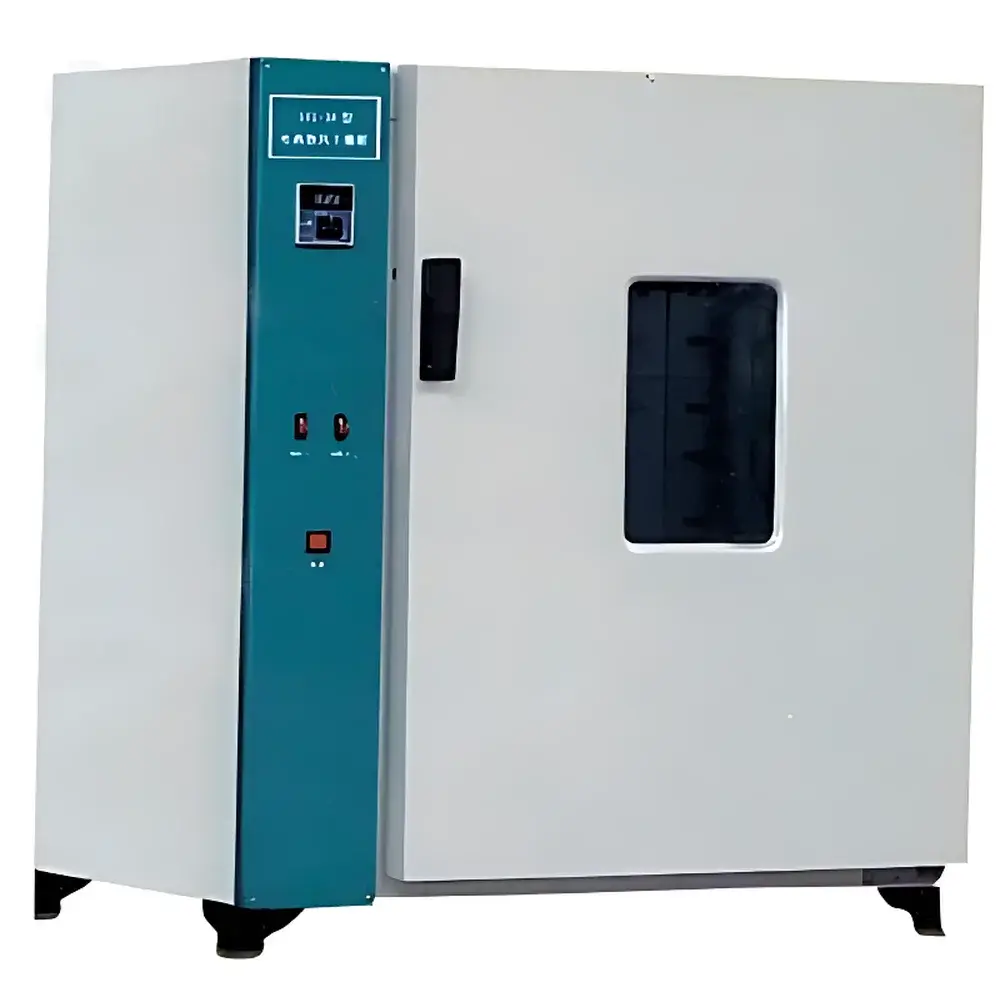
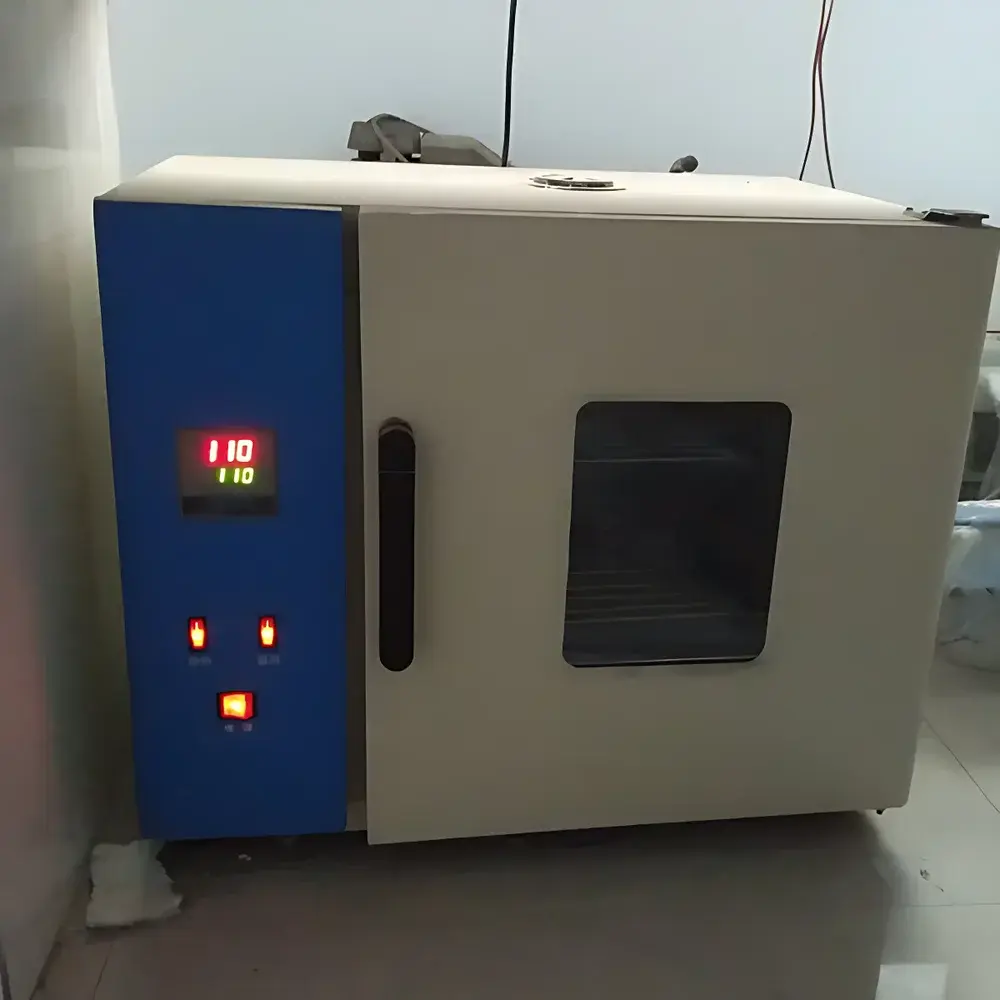
MingShen Science 101-1A Digital Programmable Forced-Air Drying Oven
| Brand | MingShen Science |
|---|---|
| Origin | Henan, China |
| Model | 101-1A |
| Instrument Type | General-Purpose Forced-Air Oven |
| Temperature Range | 10–250 °C |
| Temperature Uniformity | ±2.5% |
| Temperature Fluctuation | ±1 °C |
| Temperature Resolution | ±1 °C |
| Control Range | 50–300 °C |
| External Dimensions | 760 × 530 × 670 mm |
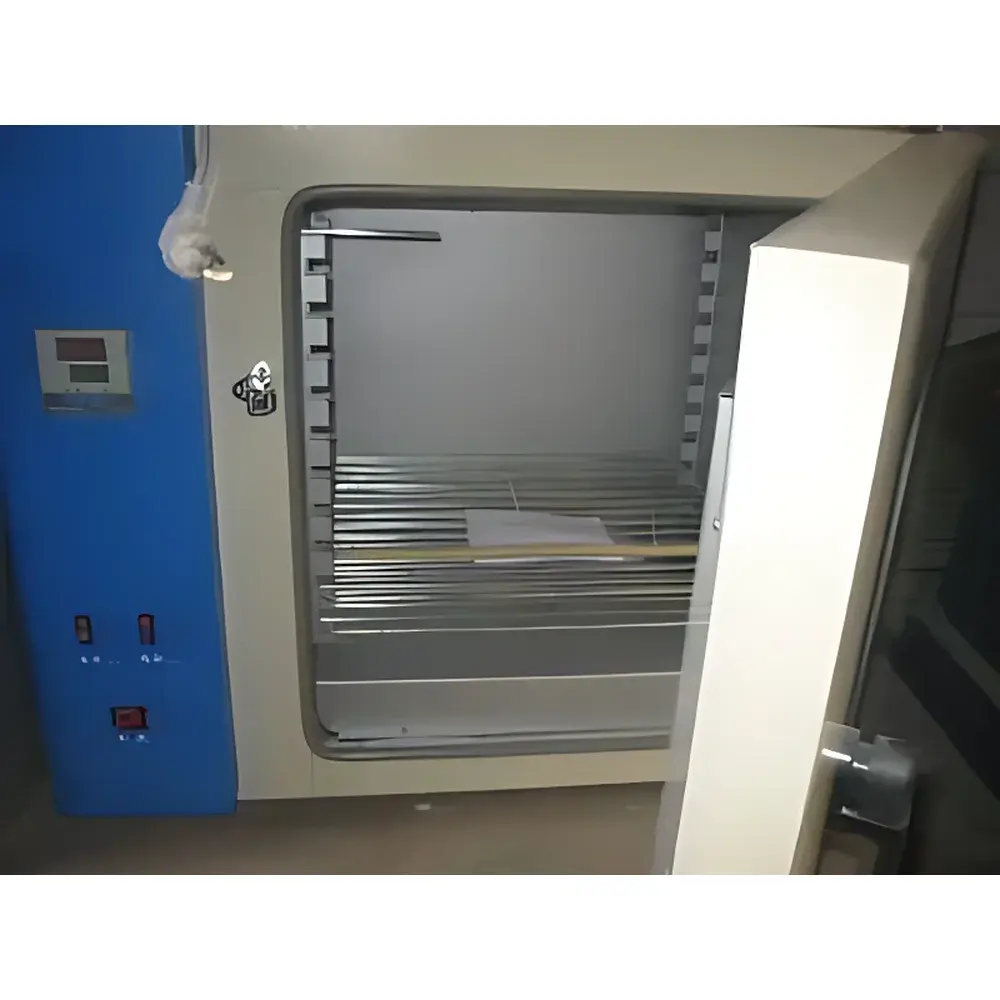
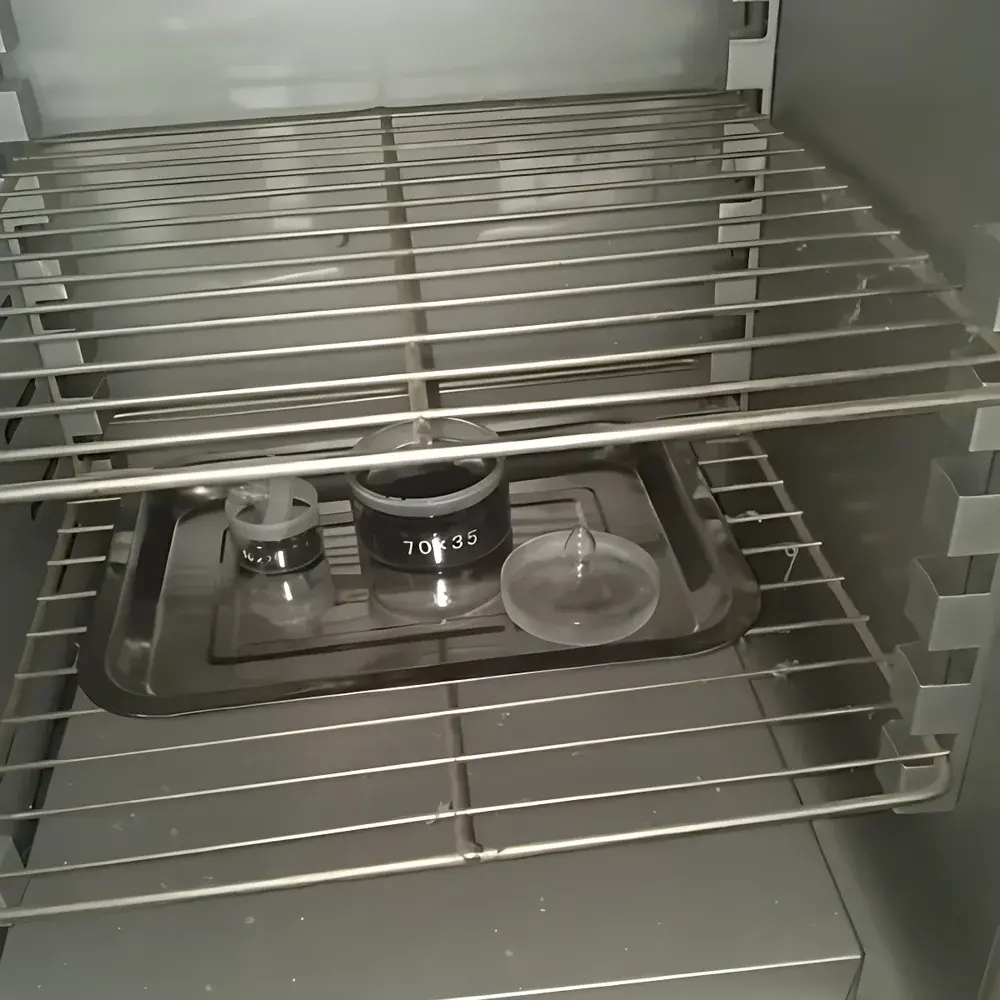
| Interior Chamber Dimensions | 450 × 450 × 350 mm |
| Chamber Material | Galvanized Steel with Heat-Resistant Coating |
| Heating Method | Forced-Air Circulation |
| Operating Ambient Temperature | 0–55 °C |
| Power Supply | 220 V, 50 Hz |
Overview
The MingShen Science 101-1A Digital Programmable Forced-Air Drying Oven is a precision-engineered laboratory drying system designed for consistent thermal processing of non-volatile, non-hazardous samples in research, quality control, and routine analytical workflows. It operates on the principle of convection-based heat transfer, utilizing an internal axial fan to circulate heated air uniformly across the chamber—ensuring improved temperature homogeneity compared to natural-convection ovens. The unit features a digitally regulated temperature controller with intuitive rotary or push-button setpoint adjustment, enabling stable operation within its specified range of 10–250 °C (control up to 300 °C). Its robust architecture supports applications including moisture content determination, pre-weighing sample conditioning, polymer curing, glassware sterilization (non-sterile), and residual solvent removal from solid matrices.
Key Features
- Digital temperature controller with real-time display and ±1 °C resolution, supporting precise setpoint definition and repeatability across repeated cycles
- Forced-air circulation system with top-mounted exhaust valve and bottom-intake ventilation ports to facilitate continuous air exchange and minimize localized hot/cold zones
- Galvanized steel interior chamber coated with heat-resistant enamel for corrosion resistance and long-term dimensional stability under thermal cycling
- Double-layer cold-rolled steel outer casing with electrostatic powder coating, offering mechanical durability and aesthetic consistency in shared lab environments
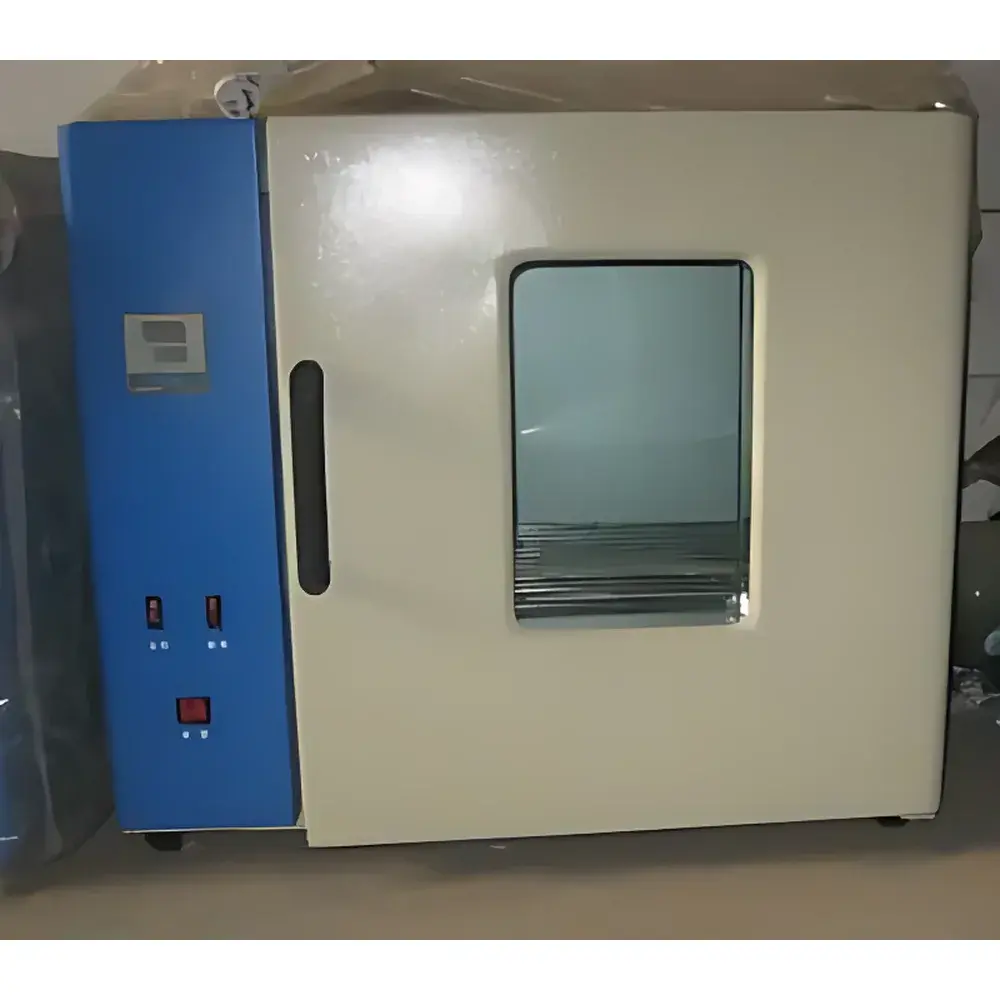
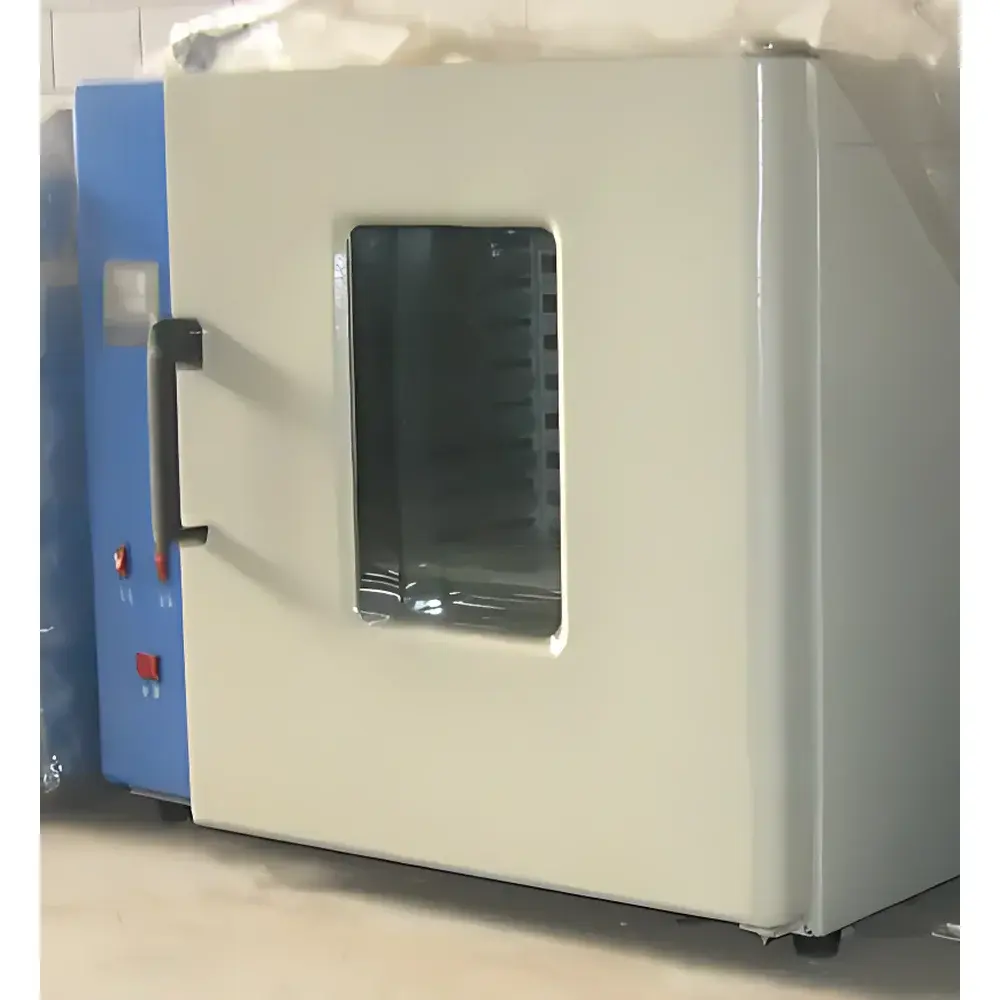
- Tempered glass observation window integrated into the door assembly, enabling visual monitoring without interrupting thermal equilibrium
- High-compression silicone door gasket ensuring effective thermal sealing and minimizing energy loss during extended operation
- Two-stage heating circuit (Heater 1 + Heater 2) allowing graduated power input for optimized ramp-up profiles and reduced overshoot at low-to-moderate setpoints
Sample Compatibility & Compliance
The 101-1A is intended for use with thermally stable, non-explosive, non-corrosive, and non-volatile materials. It complies with general electrical safety requirements per IEC 61010-1 for laboratory equipment and meets electromagnetic compatibility (EMC) standards for Class B environments. While not certified for explosion-proof or sterile processing applications, it supports GLP-aligned documentation practices when paired with external calibrated thermocouples and loggers. Users are advised to verify material compatibility prior to use—particularly for polymers, pharmaceutical excipients, or hygroscopic compounds—to avoid unintended decomposition, oxidation, or outgassing. The oven is unsuitable for materials with flash points below 250 °C or those emitting acidic, alkaline, or halogenated vapors under heat.
Software & Data Management
This model operates via embedded digital electronics without proprietary software dependency. Temperature setpoints and real-time chamber readings are displayed locally on an LED or LCD panel; no USB, RS-232, or Ethernet interface is included. For audit-trail compliance in regulated settings (e.g., ISO/IEC 17025, FDA 21 CFR Part 11), integration with third-party data loggers—such as those compliant with NIST-traceable calibration protocols—is recommended. Optional external recording systems can capture time-stamped temperature profiles, supporting validation reports required for method transfer, equipment qualification (IQ/OQ/PQ), and routine preventive maintenance scheduling.
Applications
- Moisture loss-on-drying (LOD) analysis per ASTM D229, ISO 787-2, or USP <731> for raw materials and finished products
- Pre-conditioning of filter papers, crucibles, and weighing vessels prior to gravimetric analysis
- Thermal stabilization of ceramic, composite, or metallurgical specimens before mechanical testing
- Drying of botanical extracts, soil samples, and environmental filters in accordance with EPA Method 505 or APHA Standard Methods
- Curing of adhesives, coatings, and encapsulants in R&D labs where precise thermal exposure is critical
- Storage of temperature-sensitive reagents at elevated ambient conditions (e.g., accelerated aging studies)
FAQ
Is the 101-1A suitable for sterilization of medical devices?
No. This unit lacks HEPA filtration, steam generation, validated cycle mapping, or biological indicator compatibility required for sterility assurance. It is not classified as a Class II microbiological safety device or autoclave.
Can I use this oven for drying lithium-ion battery electrode coatings?
Only if the slurry binder system is thermally stable below 250 °C and does not emit flammable volatiles. Consult SDS documentation and perform small-batch trials under fume hood supervision before scaling.
What maintenance is required to sustain temperature uniformity over time?
Monthly cleaning of intake grilles and exhaust valves; annual verification of sensor calibration using a NIST-traceable reference thermometer; biannual inspection of door seal compression and heater continuity.
Does the oven support programmable ramp-soak profiles?
No. The 101-1A provides only manual setpoint control without time-based sequencing capability. For multi-step thermal protocols, consider upgrading to the 101-2A or programmable variants with PID logic and timer functions.
Is the interior chamber volume sufficient for standard AOAC or ISO sample trays?
Yes. The 450 × 450 × 350 mm chamber accommodates up to three 200 mm Petri dishes or two 300 × 300 mm aluminum trays simultaneously while maintaining ≥30 mm clearance from walls—meeting minimum airflow clearance guidelines per ISO 17025 Clause 6.4.2.



