
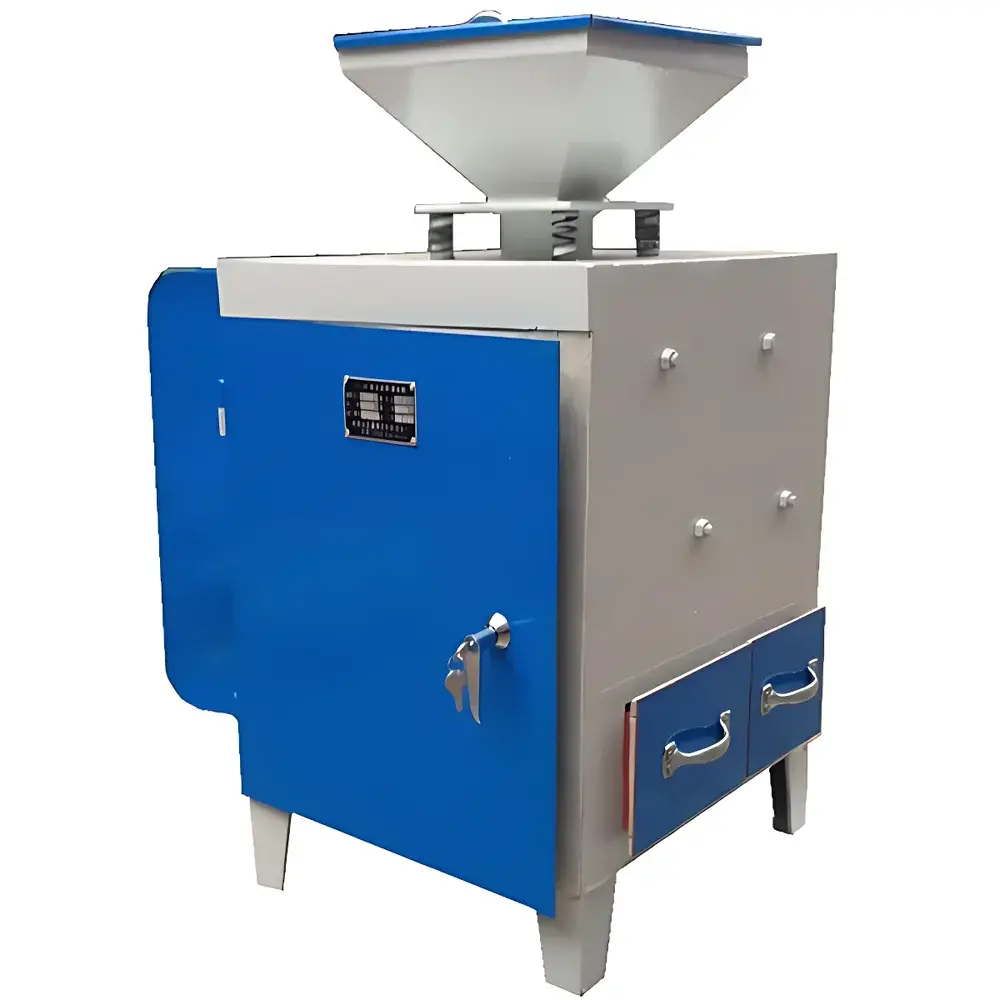
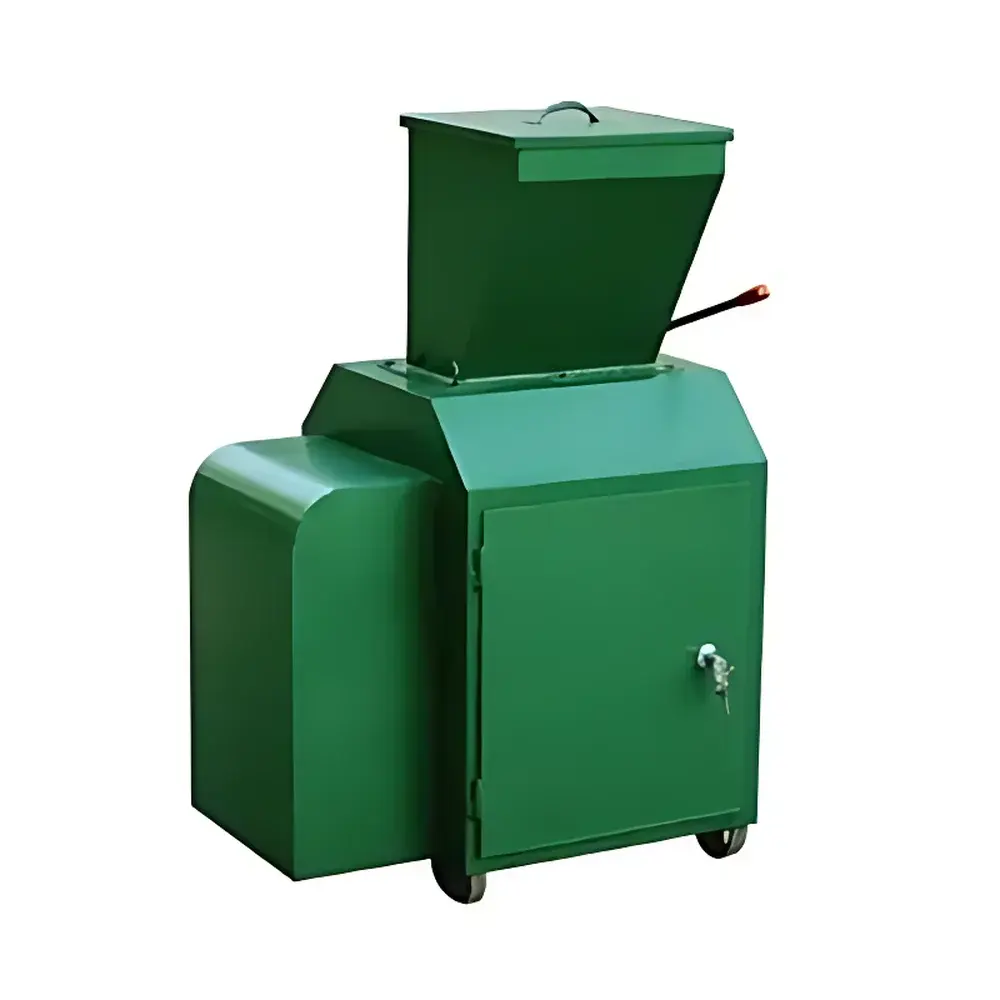
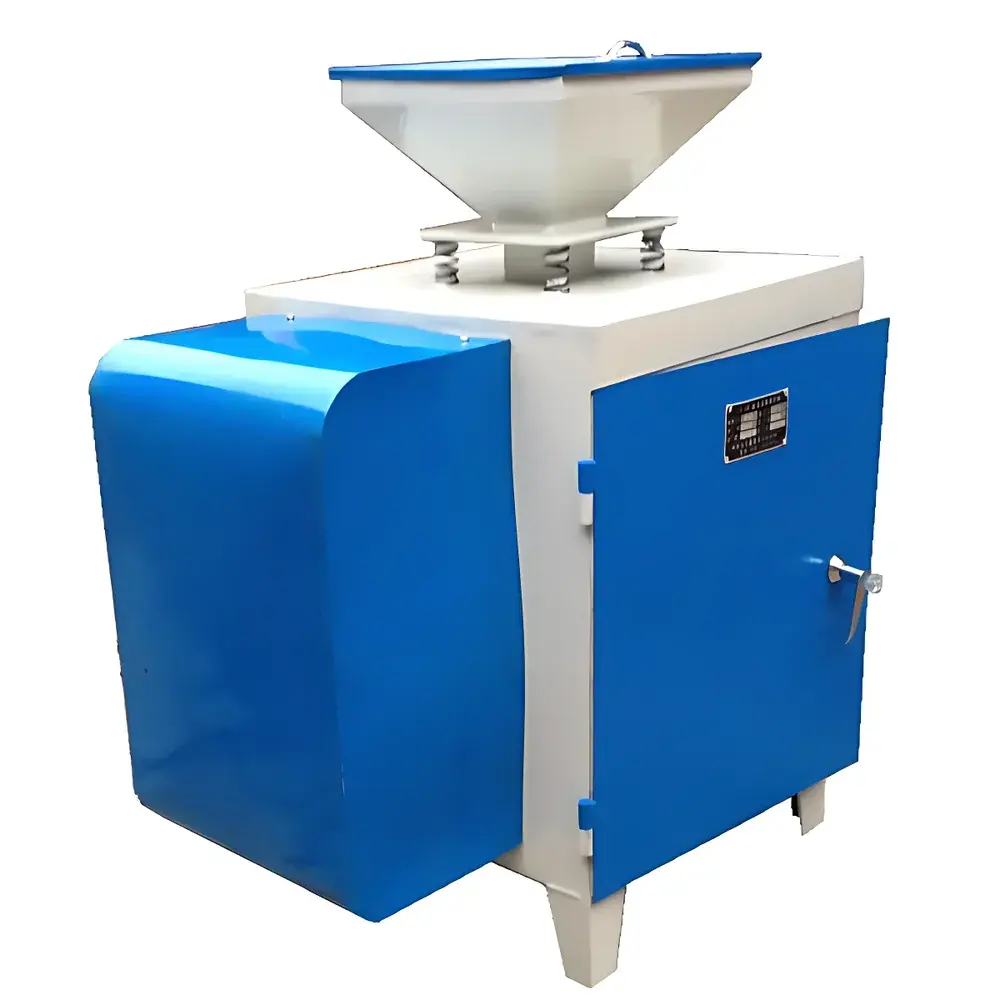
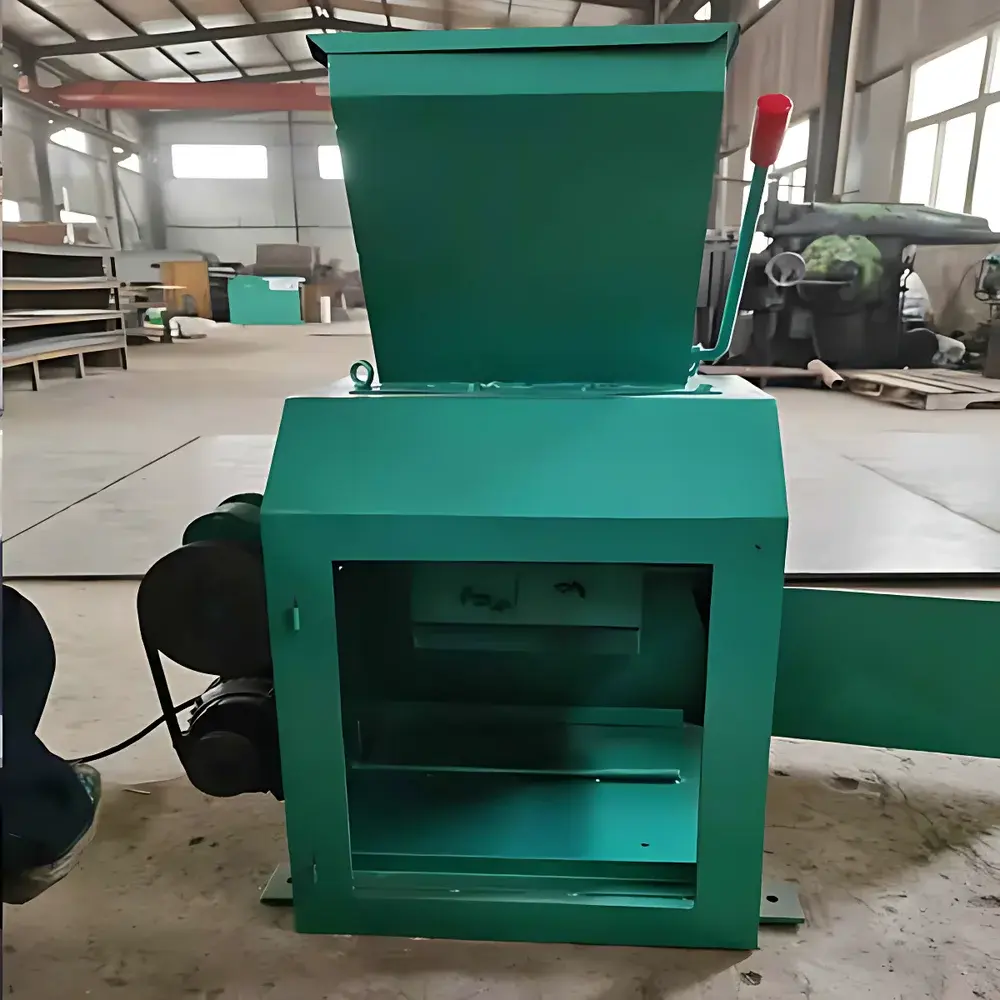
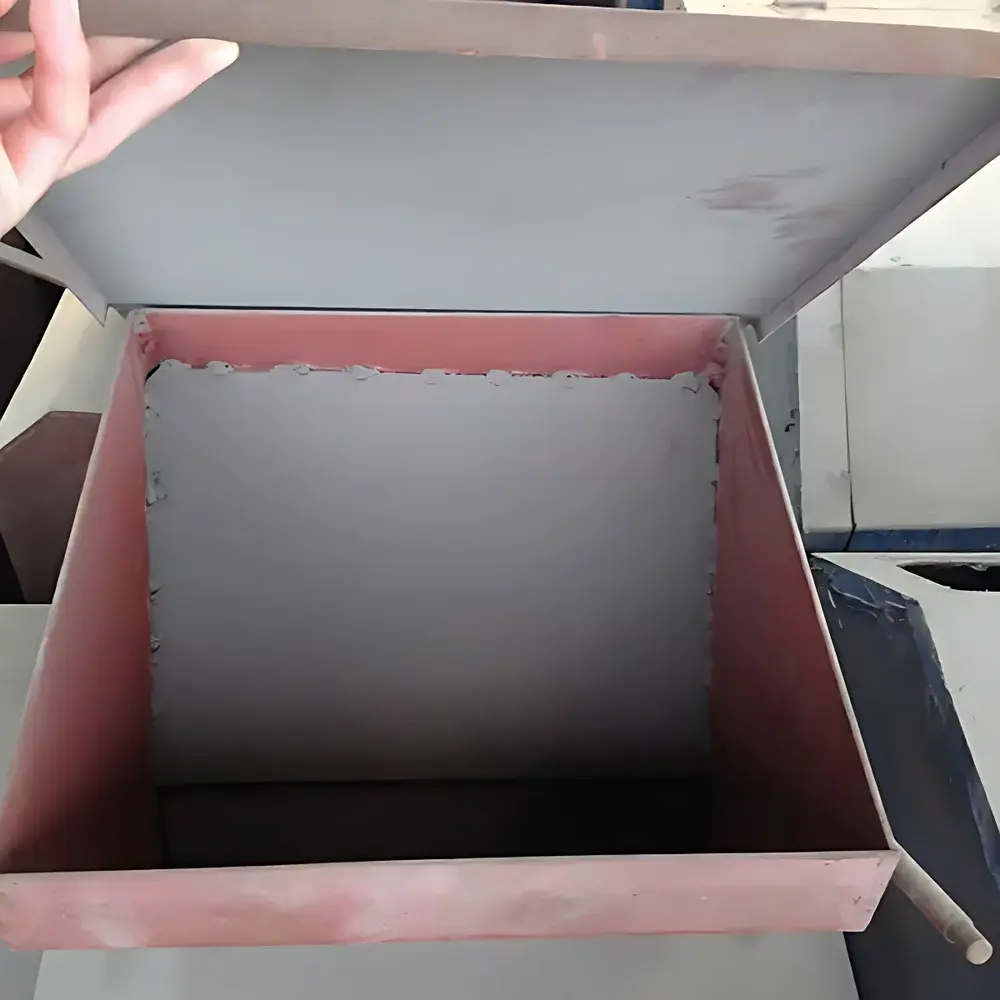
MingShen Science DSF-8 Fully Sealed Electric Sample Divider
| Brand | MingShen Science |
|---|---|
| Origin | Henan, China |
| Model | DSF-8 |
| Power | 0.75 kW |
| Splitting Ratio | 1:8 (adjustable) |
| Capacity | 1200 kg/min |
| Dimensions (L×W×H) | 800×550×920 mm |
| Inlet Opening | 70×70 mm |
| Weight | 130 kg |
| Voltage | 380 V AC |
| Sealing Type | Fully Enclosed with Optional Environmental Exhaust Port |
Overview
The MingShen Science DSF-8 Fully Sealed Electric Sample Divider is an industrial-grade, precision mechanical sample division system engineered for high-reproducibility material reduction in laboratory and pilot-scale preparation of heterogeneous particulate solids. It operates on the principle of riffle splitting—specifically, a multi-point, cross-stream cutting mechanism—wherein bulk material flows continuously across a series of parallel, fixed-angle dividing chutes arranged symmetrically to ensure statistically representative subsampling without prior homogenization. Unlike rotary or spinning dividers, the DSF-8 employs horizontal reciprocating motion of its splitter assembly to achieve consistent, time-synchronized cuts across the full width of the feed stream. This design conforms to fundamental sampling theory as defined in ISO 13909 (Coal and Coke — Sampling), ASTM D2234/D2234M (Standard Practice for Collection of a Gross Sample of Coal), and GB/T 19494 (Chinese National Standard for Mechanical Sampling of Coal), ensuring that the resulting analytical sub-sample maintains the compositional integrity of the original lot.
Key Features
- Fully enclosed housing with gasketed access panels and optional environmental exhaust port—designed to contain dust emissions and comply with occupational hygiene standards (e.g., OSHA 1910.94, EU Directive 2004/37/EC)
- Adjustable 1:8 splitting ratio achieved via precision-machined chute geometry and calibrated feed-rate control, enabling flexible subsample mass allocation per application requirement
- Integrated vibration-assisted feeding system ensures uniform material flow into the primary divider, minimizing segregation and bridging effects common in coarse granular feeds
- Two-stage division architecture: primary riffle splitter followed by secondary redivision unit—enhances statistical confidence in final sub-sample representativeness
- Robust drive train comprising IE3-class three-phase motor (0.75 kW), heavy-duty V-belt transmission, and planetary gear reducer—engineered for continuous operation at rated capacity (1200 kg/min)
- Sealed bearing assemblies with lithium-based grease lubrication points accessible without disassembly; maintenance intervals specified per ISO 15243 for rolling element bearing reliability
Sample Compatibility & Compliance
The DSF-8 accommodates dry, free-flowing granular materials with maximum particle size ≤25 mm—including bituminous and anthracite coal, iron ore sinter and pellets, coke, limestone, cement clinker, plastic granules, pharmaceutical powders, and agricultural commodities. It is not suitable for sticky, fibrous, or highly cohesive materials requiring pre-conditioning. The unit meets structural and operational requirements for GLP-compliant sample preparation workflows when integrated into validated laboratory procedures. Its sealed construction supports compliance with ISO/IEC 17025:2017 Clause 7.4.1 (Handling of Test Items) and facilitates audit-ready documentation of sample integrity from receipt to analysis.
Software & Data Management
The DSF-8 is a stand-alone electromechanical instrument with no embedded microprocessor or digital interface. All operational parameters—including feed initiation, run duration, and shutdown sequence—are manually controlled via industrial-grade push-button station with emergency stop (EN 60204-1 compliant). For traceability in regulated environments, users are advised to integrate the unit into a documented sample tracking system (e.g., LIMS) where batch ID, operator, date/time stamp, and observed feed consistency are recorded prior to each division cycle. No firmware, calibration certificate, or electronic audit trail is provided natively; however, mechanical calibration verification (e.g., chute alignment, split ratio validation using tracer particles) can be performed per internal SOPs aligned with ISO 17034 and ILAC-G8.
Applications
- Routine coal quality assurance in power plants and coking facilities—preparing ASTM D3172-compliant analytical samples for proximate/ultimate analysis
- Metallurgical raw material certification in steelmaking—sub-sampling sinter, pellet, and flux materials prior to XRF or wet chemistry assays
- Quality control of bulk commodity shipments in mining and trading—generating legally defensible test portions for arbitration testing
- Research-scale formulation studies in polymer and pharmaceutical development—reducing blended granule batches while preserving blend uniformity
- Environmental monitoring labs—processing soil, slag, or fly ash composites under EPA Method 5035A-equivalent protocols
FAQ
Is the DSF-8 compatible with automated feeding systems?
Yes—the inlet opening (70×70 mm) accepts standard gravity-fed chutes or vibratory feeders with adjustable amplitude control; integration with programmable logic controllers (PLCs) requires external relay interfacing.
What maintenance schedule is recommended for continuous operation?
Daily lithium-based grease application to gearmotor and splitter shaft bearings; biannual inspection of belt tension and chute wear; full mechanical overhaul every 24 months or after 5,000 operating hours, whichever occurs first.
Can the splitting ratio be changed during operation?
No—the 1:8 ratio is mechanically fixed by chute geometry; alternative ratios require retrofitting with custom divider plates, which must be validated per ISO 13909 Annex C before use.
Does the unit meet explosion-proof requirements for coal handling areas?
Not inherently—the standard configuration lacks ATEX or IECEx certification; however, optional inert gas purging and static-dissipative components can be supplied upon request for Zone 21/22 environments.
How is sample representativeness verified?
Users should conduct periodic riffle-splitting validation using dual-tracer particles (e.g., colored beads and density markers) and calculate relative standard deviation (RSD) across ≥10 replicate splits; RSD ≤5% indicates acceptable performance per ISO 13909-4:2016.



