
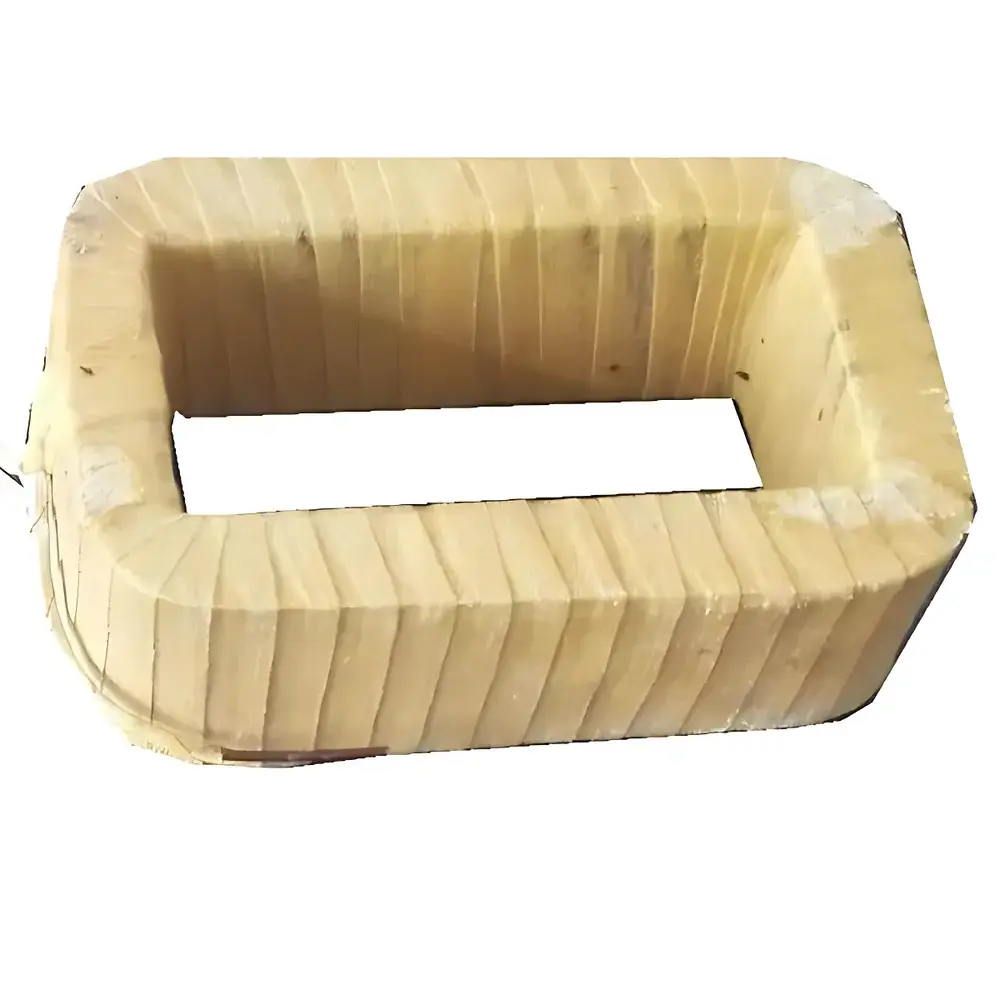
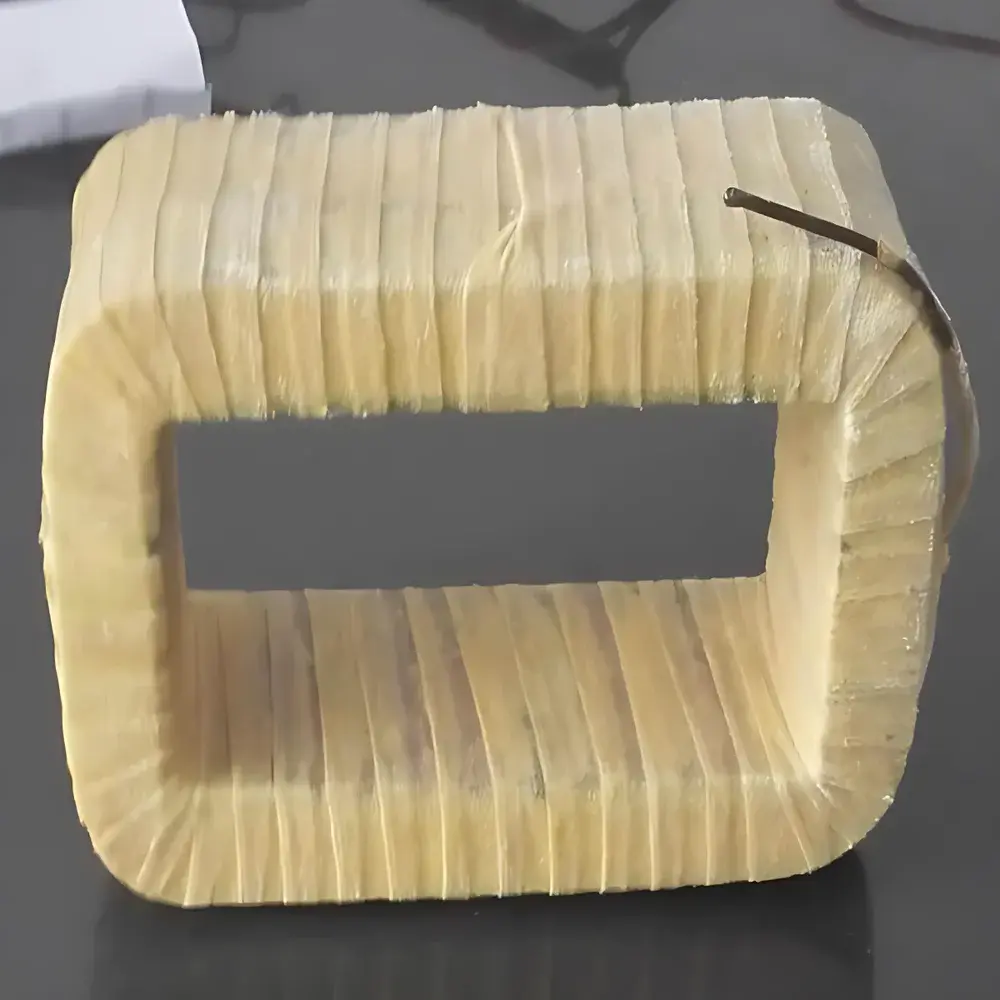
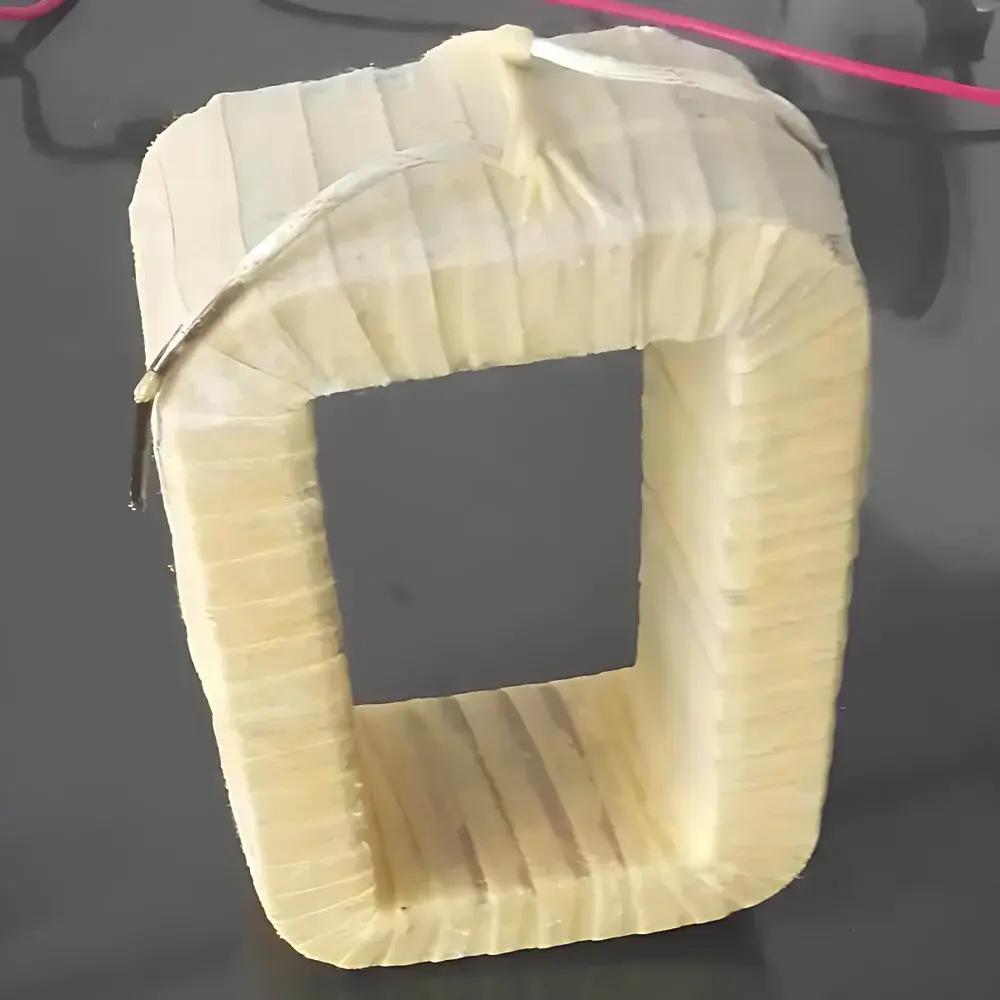
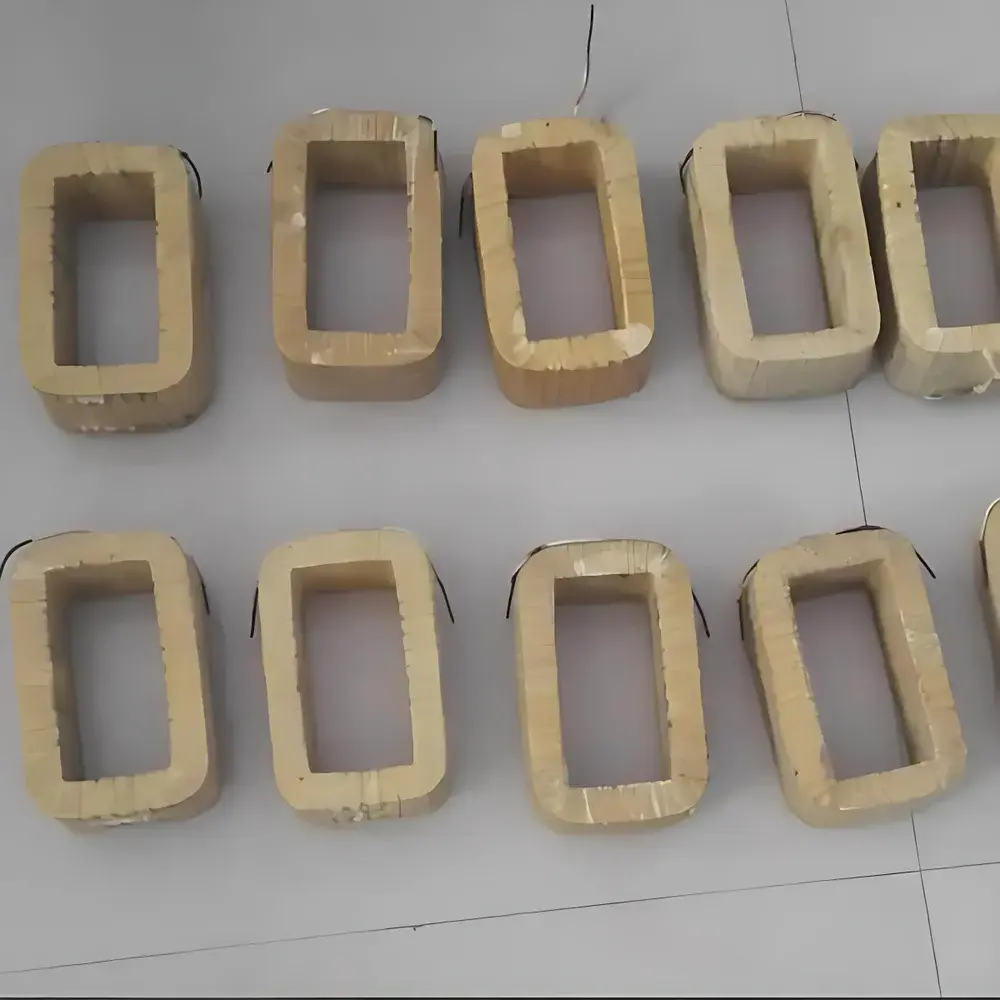
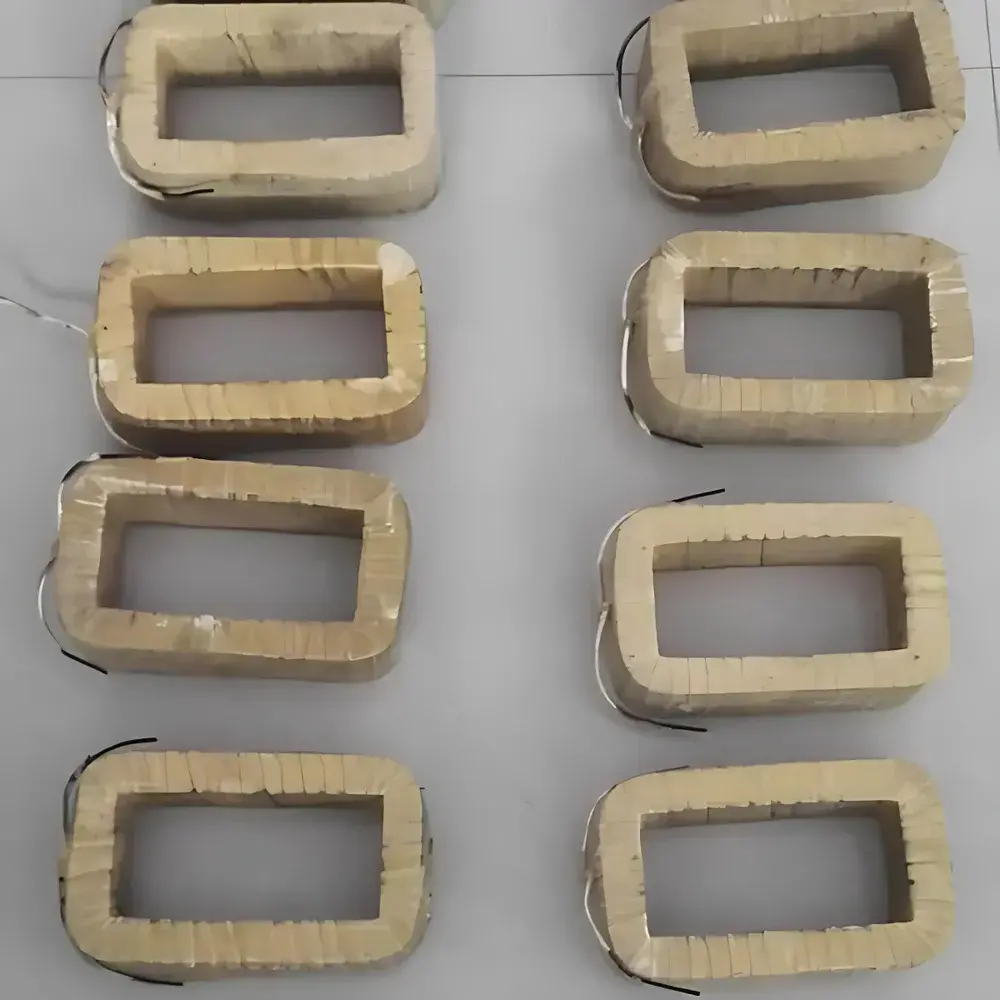
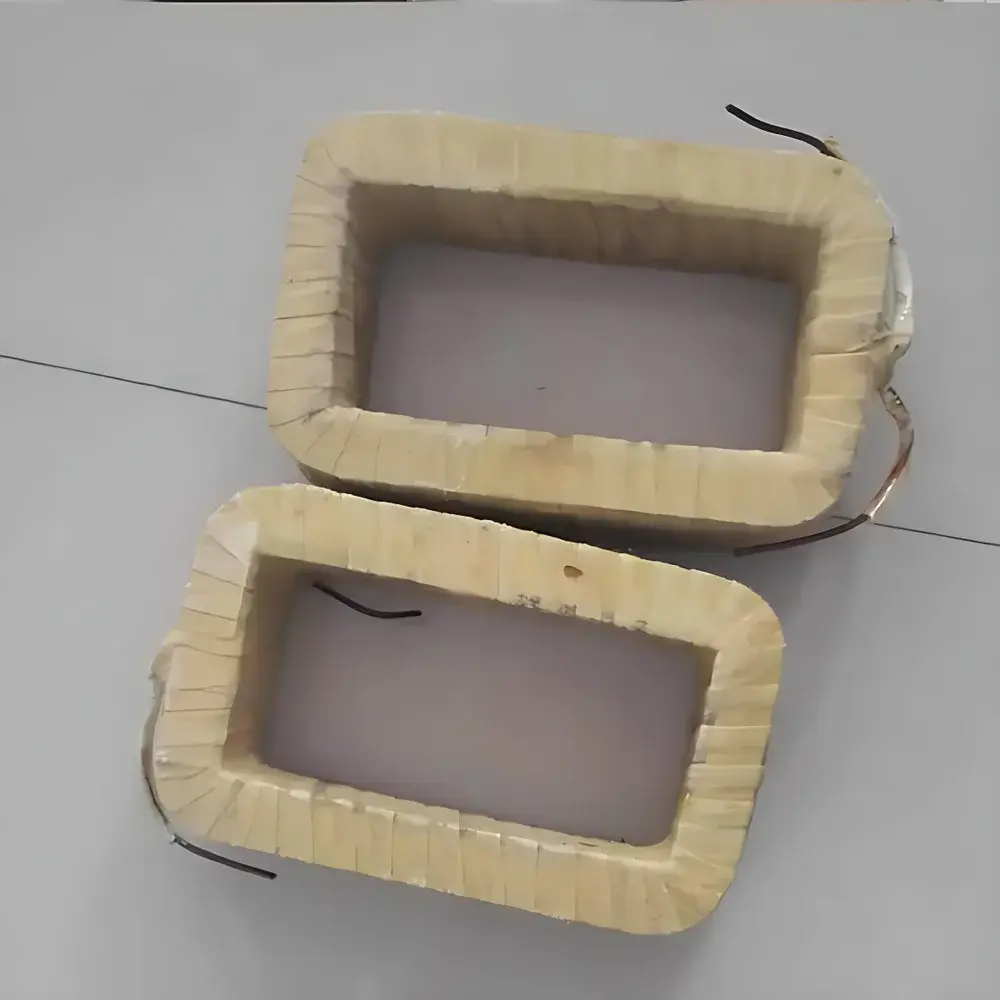
MingShen Science GZ Series Electromagnetic Vibratory Feeder Coil
| Brand | MingShen Science |
|---|---|
| Origin | Henan, China |
| Manufacturer Type | Authorized Distributor |
| Origin Category | Domestic (China) |
| Model | GZ Series |
| Price Range | USD 37 – 315 |
| Voltage Compatibility | AC/DC Configurable |
| Construction | Wound-Type Solenoid with Insulated Bobbin, Enamel-Coated Copper Wire, and Interleaved Insulation Paper |
| Operating Voltage Tolerance | 85–110% of Rated Voltage |
| Core Actuation Principle | Electromagnetic Attraction with Spring-Return Release |
| Structural Variants | Open-Type & Enclosed-Type Mounting Configurations |
| Custom Fabrication | Available per OEM Drawings and Technical Specifications |
Overview
The MingShen Science GZ Series Electromagnetic Vibratory Feeder Coil is a precision-engineered solenoid component designed for integration into electromagnetic vibratory feeders used in industrial bulk material handling systems. It operates on the principle of controlled electromagnetic attraction: when energized, the coil generates a magnetic field that actuates a ferromagnetic armature or core, inducing mechanical vibration through a spring-return mechanism. This oscillatory motion drives linear or volumetric feeding of granular, powdered, or small-part materials from hoppers, silos, or storage bins to downstream processing units—enabling synchronized, metered, and repeatable material flow in automated production lines. Unlike motor-driven feeders, electromagnetic feeders offer stepless amplitude control, rapid response time, low maintenance, and intrinsic compatibility with PLC-based process automation. The GZ coil is not a standalone feeder unit but the critical electromagnetic actuator—the “heart” of the feeder’s drive system—whose thermal stability, impedance matching, and mechanical robustness directly determine long-term system reliability and feed rate consistency.
Key Features
- Two-electrical-configurations: Available in both AC and DC variants, each optimized for distinct impedance profiles—AC coils feature lower turns count and heavier gauge wire to leverage inductive reactance (XL = 2πfL); DC coils employ higher turns density and finer wire to limit resistive current (I = U/R) under steady-state voltage.
- Thermally stable construction: Precision-wound enamel-coated copper wire wound on reinforced phenolic or glass-fiber-reinforced polymer bobbins; interleaved insulation paper ensures dielectric integrity under continuous duty cycling and mechanical stress.
- Dimensionally standardized series: Nine model variants (GZ1–GZ9) cover a broad range of feeder frame sizes and force requirements, with documented outer/inner diameters, axial lengths, wall thicknesses, and mass specifications—enabling direct replacement or retrofit without mechanical redesign.
- Wide operating voltage tolerance: Certified to maintain reliable pull-in and drop-out performance across ±15% deviation from nominal supply voltage (i.e., 85–110% Vrated), accommodating fluctuations common in industrial power distribution networks.
- OEM-compatible fabrication: Manufactured per customer-provided mechanical drawings and electrical schematics—including custom lead wire routing, termination types (e.g., solder tabs, quick-connect terminals), and environmental sealing options (IP54/IP65-rated encapsulation available upon request).
Sample Compatibility & Compliance
The GZ coil is engineered for seamless integration into standard electromagnetic vibratory feeders compliant with GB/T 13306–2011 (Chinese national standard for vibratory feeders) and aligned with general-purpose industrial safety practices per IEC 60204-1 (Electrical Equipment of Machines). While not certified to UL, CE, or ATEX as a standalone component, it meets RoHS Directive 2011/65/EU for hazardous substance restrictions. When installed within a complete feeder assembly, the system may be validated for compliance with ISO 9001:2015 quality management protocols and GLP-aligned calibration traceability—particularly where feed rate repeatability (< ±2% CV over 8-hour shift) is required in pharmaceutical or food-grade conveying applications. Coil mounting interfaces conform to standard M6/M8 threaded inserts and flat-mount flange geometries common among domestic feeder manufacturers.
Software & Data Management
As a passive electromagnetic component, the GZ coil does not incorporate embedded electronics, firmware, or digital communication interfaces. Its operational parameters are fully defined by external power supply characteristics (voltage waveform, frequency, ripple content) and mechanical coupling conditions. For system-level monitoring, users integrate the coil into feeders equipped with optional current-sensing modules or vibration amplitude transducers—data from which can be logged via PLC analog inputs (4–20 mA or 0–10 V) or industrial IoT gateways supporting Modbus RTU/TCP or OPC UA. Historical coil current waveforms and thermal drift trends may be archived for predictive maintenance analysis, supporting ISO 55001 asset management frameworks. No proprietary software is required; configuration and diagnostics are performed using standard multimeters, LCR meters, and oscilloscopes calibrated to ISO/IEC 17025-accredited laboratories.
Applications
- Automotive component feeding: Precise orientation and sequencing of fasteners, bushings, and stamped parts onto assembly conveyors.
- Pharmaceutical tablet and capsule handling: Gentle, non-contact metering into blister packaging lines or high-speed bottle fillers—minimizing particle attrition and static charge buildup.
- Recycling sorting systems: Controlled discharge of shredded metals, plastics, or e-waste onto optical or eddy-current separation belts.
- Ceramic and refractory manufacturing: Uniform feeding of calcined powders into rotary kiln hoppers or dry-mix blenders.
- Food processing: Sanitary-grade dosing of grains, nuts, or confectionery items into weighing and packaging stations—compatible with washdown environments when paired with IP66-rated feeder housings.
FAQ
Can a GZ-series AC coil be operated on a DC power supply?
No. Applying DC voltage to an AC-optimized coil results in excessive steady-state current due to absence of inductive reactance (XL = 0 at f = 0 Hz), leading to rapid thermal overload and insulation failure.
What causes premature coil failure in vibratory feeders?
Primary failure modes include insulation breakdown at lead exit points due to cyclic flex fatigue, inter-turn shorting from vibration-induced wire abrasion, and thermal degradation from sustained overvoltage or inadequate heat dissipation in enclosed enclosures.
Is custom winding resistance or inductance available?
Yes. MingShen Science supports OEM-specific electrical parameter targets—including nominal resistance (±5%), inductance (±8%), and thermal class (Class B, F, or H)—subject to minimum order quantity and engineering review.
How is coil polarity handled in DC configurations?
DC coils are polarity-sensitive; reversal may cause inconsistent armature travel or reduced holding force. Terminal markings (+) and (–) are laser-etched on the bobbin flange per IEC 60445 conventions.
Do GZ coils require periodic recalibration?
No. As passive electromagnetic components, they do not require calibration. However, baseline electrical verification (resistance, insulation resistance ≥10 MΩ @ 500 VDC) is recommended during preventive maintenance intervals per ISO 13374 Condition Monitoring standards.





