
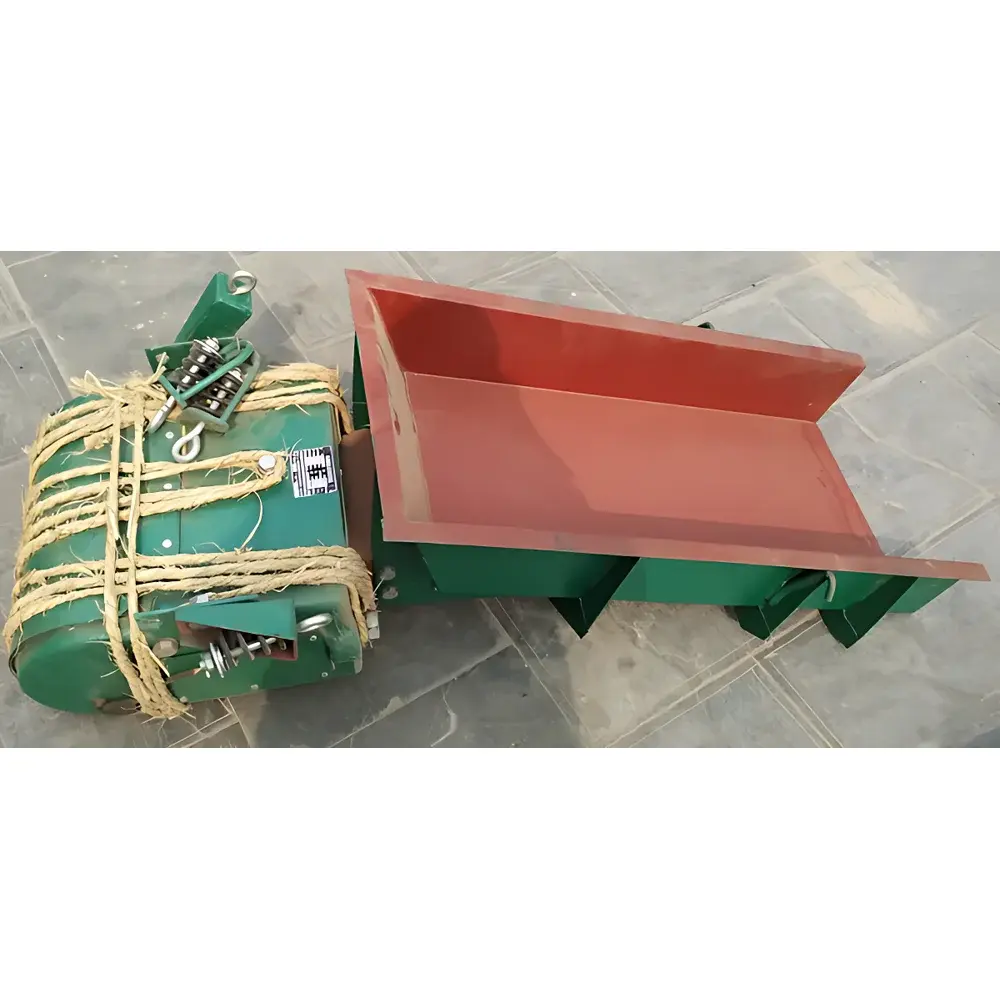
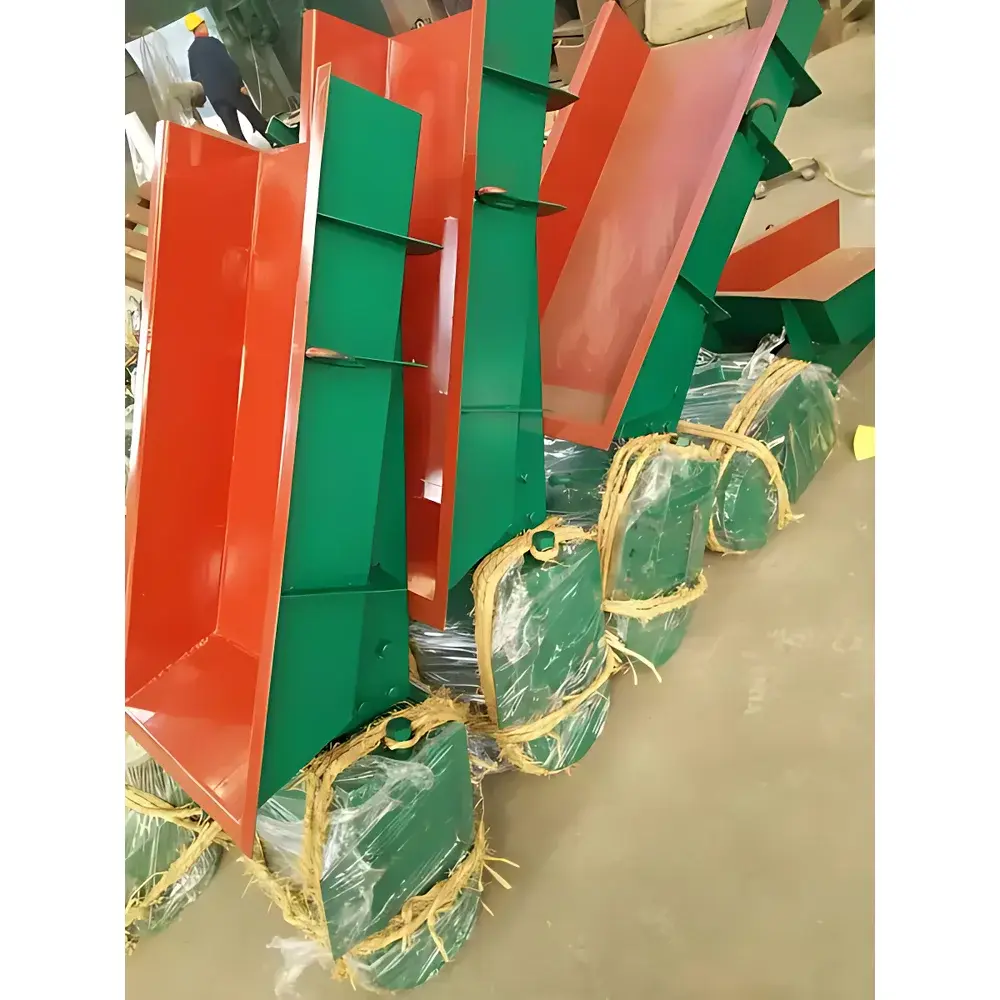
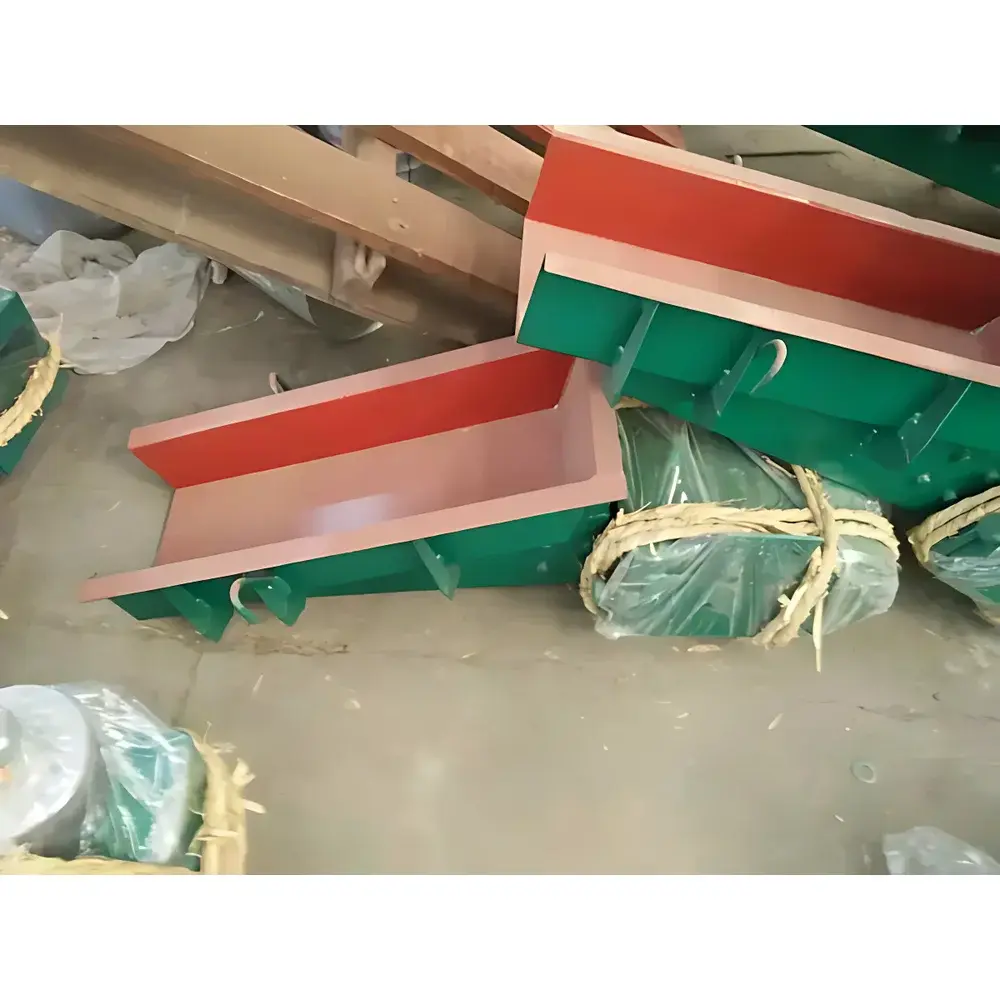
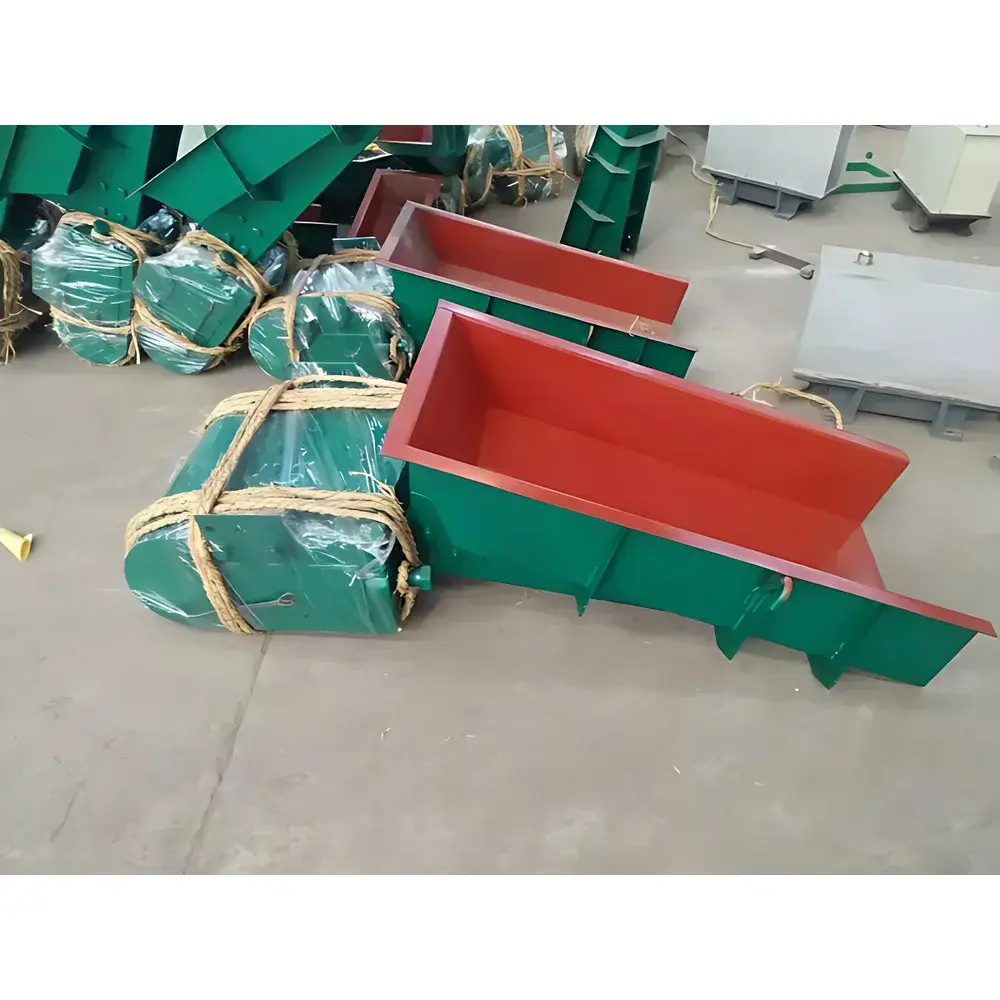
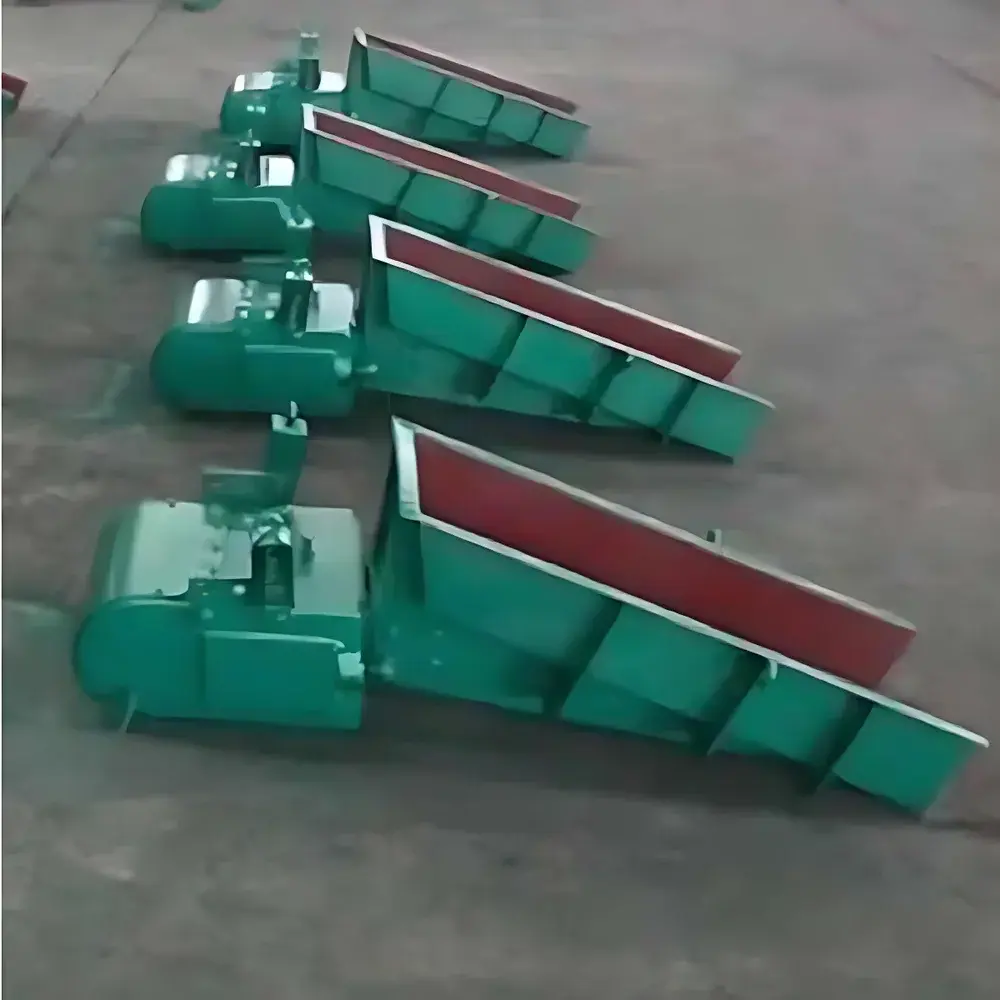
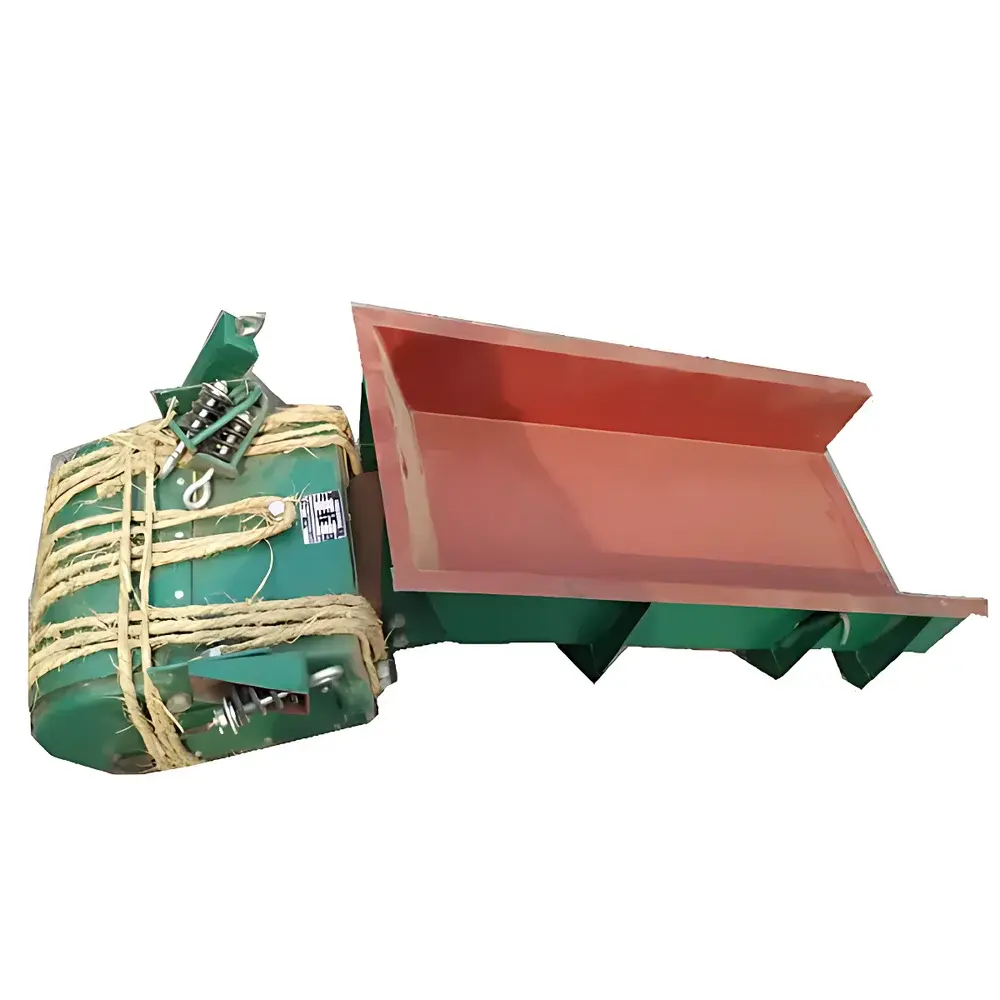
MingShen Science GZ1 Electromagnetic Vibratory Feeder
| Brand | MingShen Science |
|---|---|
| Origin | Henan, China |
| Manufacturer Type | Authorized Distributor |
| Country of Origin | China |
| Model | GZ1 |
| Price | USD 350 (FOB Henan) |
Overview
The MingShen Science GZ1 Electromagnetic Vibratory Feeder is an industrial bulk material handling device engineered for precise, continuous, and controllable feeding of granular, powdered, or lumpy solids from hoppers, silos, or feed chutes into downstream processing equipment. It operates on the principle of electromagnetic excitation coupled with mechanical resonance—specifically, a dual-mass system tuned to operate near its critical resonance frequency. This design enables high-efficiency energy transfer with minimal power consumption while maintaining stable amplitude and linear feed-rate response. Unlike rotary or belt-type feeders, the GZ1 produces controlled vibratory motion through electromagnetic coils interacting with a spring-mounted trough, eliminating rotating parts, gearboxes, or lubrication requirements. Its operation is inherently suited for integration into automated production lines where repeatable mass flow control, rapid start/stop response, and compatibility with PLC-based supervision systems are essential.
Key Features
- Electromagnetic drive system with silicon-controlled rectifier (SCR) half-wave rectification circuitry, enabling smooth, stepless adjustment of feed rate via DC current modulation.
- Dual-mass resonant structure optimized for low-energy operation—typical power consumption ranges from 25–45 W depending on load and setpoint, significantly lower than equivalent electromechanical feeders.
- Compact, lightweight construction with modular mounting interface; no foundation anchoring required in most installations due to balanced inertial forces.
- Non-contact feeding action: material advances via controlled “micro-jump” trajectory (projectile motion under periodic acceleration), minimizing abrasive wear on the trough surface and extending service life.
- No moving parts subject to mechanical wear—no bearings, belts, gears, or motors—resulting in high reliability, low maintenance frequency, and reduced total cost of ownership.
- Instantaneous feed-on/feed-off capability (<50 ms response time), supporting accurate batch dosing and synchronization with upstream/downstream process triggers.
Sample Compatibility & Compliance
The GZ1 feeder accommodates a broad spectrum of dry bulk materials—including crushed ores, coal lumps (≤50 mm), sand, cement clinker, plastic pellets, cereal grains, and pharmaceutical granules—provided bulk density falls within 0.4–2.2 g/cm³ and moisture content remains below 8% (wt). It is not suitable for sticky, fibrous, or highly cohesive powders without supplemental fluidization. All structural components comply with GB/T 13306–2011 (Chinese national standard for nameplates and technical documentation) and meet IP54 ingress protection rating per IEC 60529 for dust and splash resistance. While not certified to ATEX or IECEx, the unit may be deployed in non-hazardous Zone 2 environments when installed per local electrical codes (e.g., NEC Article 500 or IEC 60079-14). Documentation includes CE-conformity declaration (based on Machinery Directive 2006/42/EC and EMC Directive 2014/30/EU) and RoHS 2011/65/EU compliance statement.
Software & Data Management
The GZ1 operates as a standalone analog-controlled device; it does not incorporate embedded firmware, digital displays, or native communication protocols (e.g., Modbus RTU, Profibus DP). Feed rate is adjusted manually via potentiometer on the external SCR controller panel. For integration into supervisory control systems, optional analog I/O modules (4–20 mA input for setpoint, 0–10 V output for actual current feedback) are available upon request. When deployed in regulated environments (e.g., food-grade or pharma-adjacent applications), users must implement external audit-trail-capable SCADA or DCS systems to satisfy 21 CFR Part 11 data integrity requirements—no built-in electronic recordkeeping or user-access logging is provided.
Applications
- Primary feeding of raw aggregates into jaw crushers, cone crushers, and impact mills in mineral processing plants.
- Controlled delivery of coal or biomass to pulverizers and boiler feed systems in thermal power stations.
- Accurate metering of additives (e.g., lime, bentonite, catalysts) into mixers or extruders in chemical and polymer manufacturing.
- Gravity-assisted dosing of cereal, flour, or sugar into packaging fillers and checkweighers in food processing facilities.
- Inter-stage transfer between vibrating screens, classifiers, and pneumatic conveyors in recycling and waste sorting operations.
- Batch-feeding of catalyst pellets or ceramic precursors in laboratory-scale pilot reactors requiring reproducible solids introduction.
FAQ
What is the maximum recommended feed capacity for the GZ1 model?
Typical volumetric throughput ranges from 1.2 to 8.5 m³/h depending on material density, particle size distribution, and trough inclination—consult engineering datasheet for application-specific derating curves.
Can the GZ1 be used in sanitary or washdown environments?
No—the standard GZ1 lacks stainless-steel construction, sealed coil housings, or FDA-compliant surface finishes; custom variants with 304 SS trough and IP65-rated controllers are available on special order.
Is explosion-proof certification available?
Not as standard; however, ATEX-certified versions with intrinsically safe excitation circuits and flameproof enclosures can be supplied under separate product code (GZ1-ATEX-D2G).
Does the unit include vibration isolation mounts?
Yes—rubber-isolated suspension springs are factory-installed; steel hanger kits and seismic anchor plates are optional accessories.
What maintenance intervals are recommended?
Visual inspection every 6 months; coil resistance and spring integrity checks annually; no scheduled lubrication or replacement parts required under normal operating conditions.
Related Products



