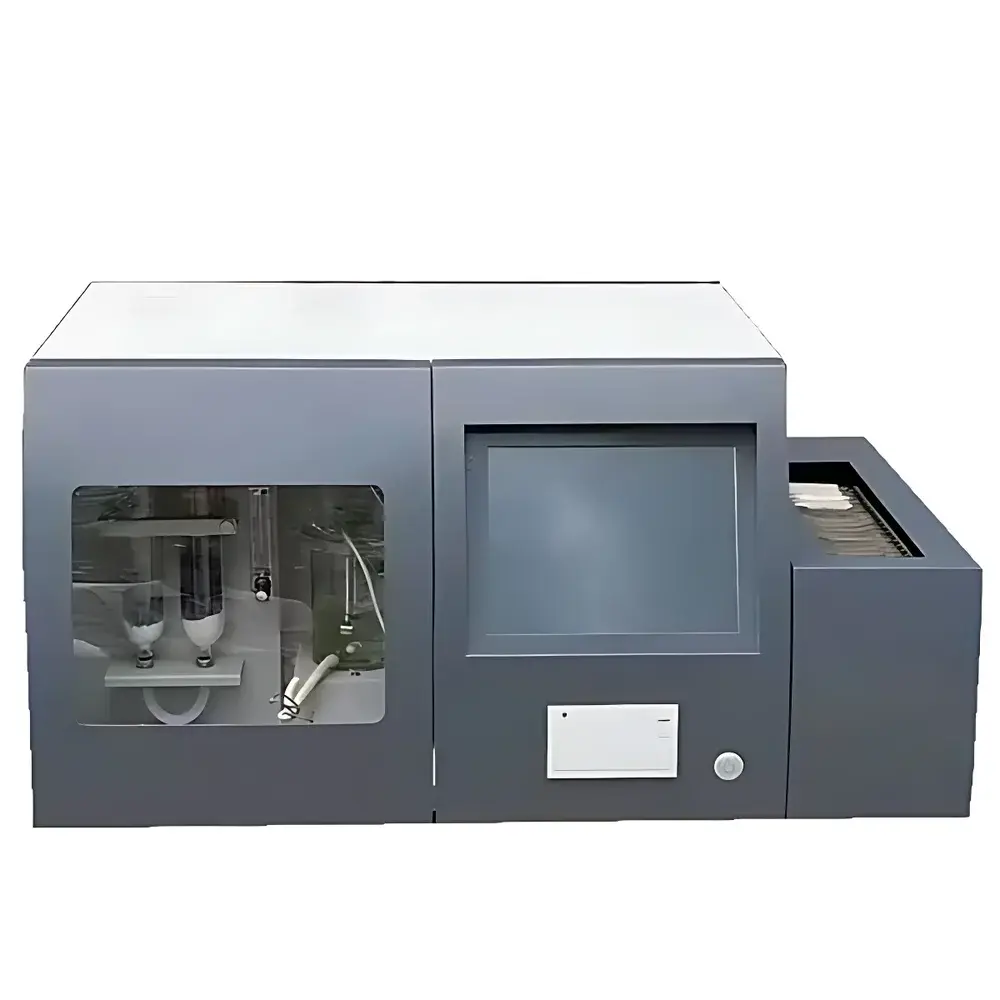
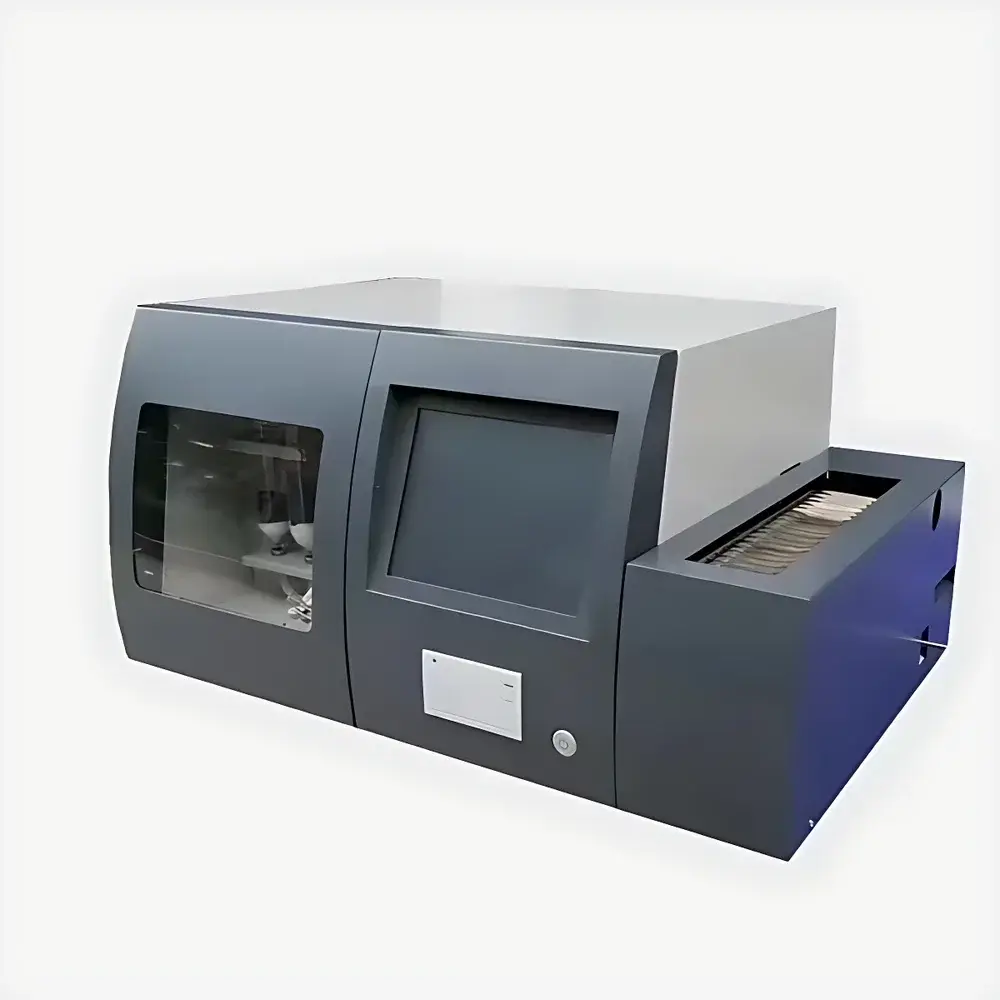
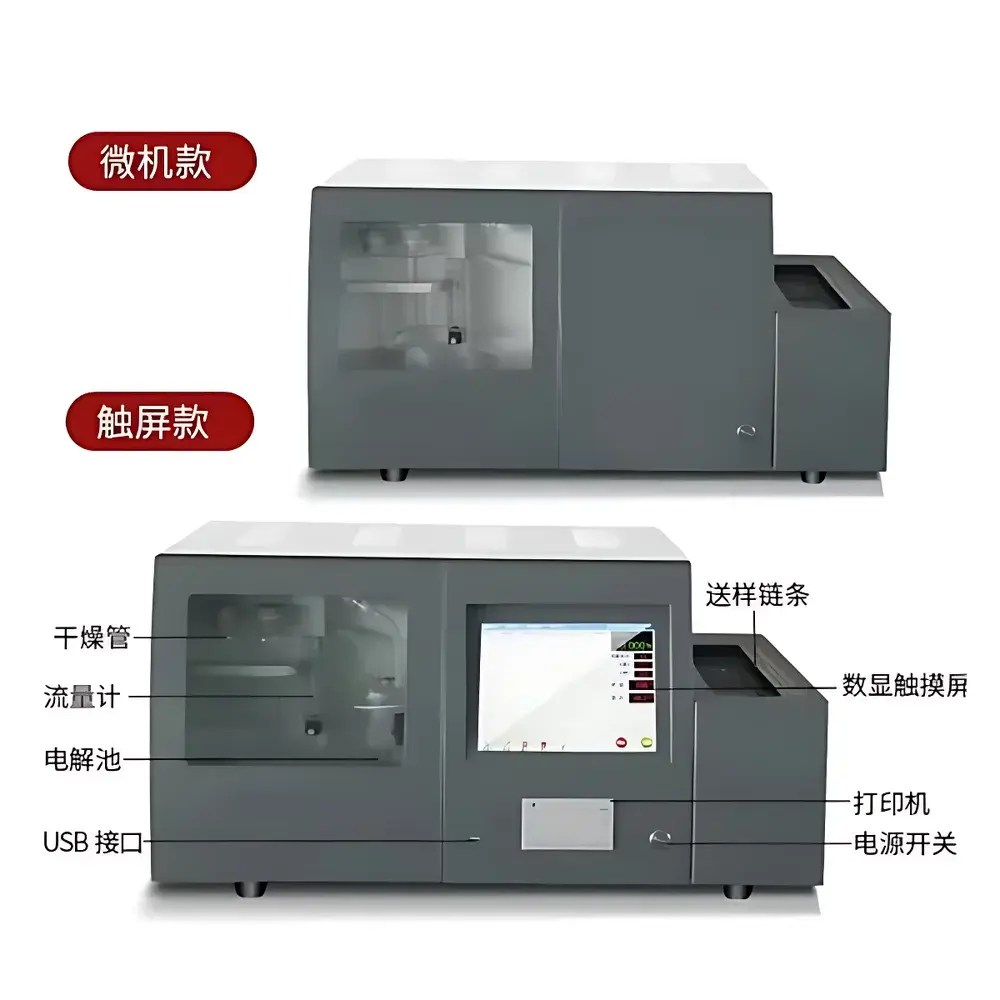
MingShen Science HDL-600H Horizontal Automatic Sulfur Determinator
| Brand | MingShen Science |
|---|---|
| Origin | Henan, China |
| Model | HDL-600H |
| Measurement Principle | Coulometric Titration |
| Sulfur Range | 0.01–40% |
| Resolution | 0.001% |
| Analysis Time | 4–8 min (sample-dependent) |
| Combustion Temperature | 1150 °C (coal), 920 °C (heavy oil) |
| Temperature Control Accuracy | ±3 °C |
| Sample Mass | 50 mg ±5 mg (coal), 80–100 mg (heavy oil) |
| Sample Capacity | 1–24 positions per run |
| Compliance | GB/T 214–1996 |
| Power Supply | 220 V ±10%, 50 Hz |
| Max. Power Consumption | ≤3.5 kW |
| Dimensions (W×D×H) | 1100 × 540 × 450 mm |
Overview
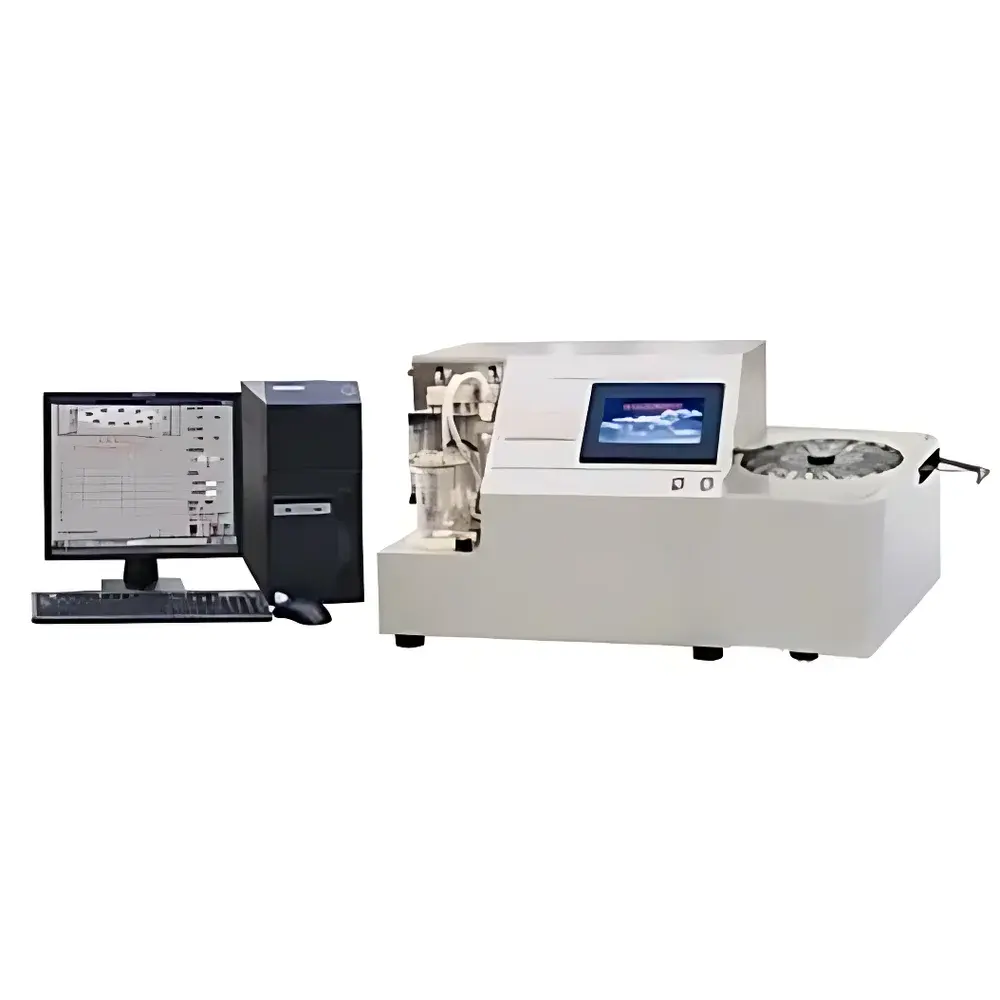
The MingShen Science HDL-600H Horizontal Automatic Sulfur Determinator is a dedicated coulometric titration-based instrument engineered for precise, high-throughput determination of total sulfur content in solid and liquid fuels—primarily coal and heavy fuel oil. It operates on the principle of controlled high-temperature combustion followed by electrochemical quantification of evolved sulfur dioxide (SO₂) in an iodine–potassium bromide electrolyte solution. The horizontal furnace architecture ensures uniform thermal distribution across the sample boat path, minimizing thermal gradient-induced variability and supporting consistent pyrolysis and oxidation at precisely regulated temperatures (1150 °C for coal, 920 °C for oil). Designed for routine laboratory environments in power generation, coal trading, and quality assurance departments, the HDL-600H delivers reproducible results aligned with national standard GB/T 214–1996, which specifies methodology, calibration protocols, and acceptance criteria for sulfur analysis in coal.
Key Features
- Horizontal dual-zone furnace with independent temperature control zones for optimized combustion and catalytic conversion efficiency
- 7-inch high-resolution capacitive touchscreen interface with intuitive navigation, real-time status monitoring, and embedded method templates
- Automated batch processing capability: supports sequential analysis of 1–24 samples without manual intervention after initial loading
- Dynamic sample queue management: allows insertion of additional samples mid-run without interrupting ongoing analyses
- Dual-mode operation: standalone touchscreen control or remote PC-based operation via RS232/USB communication interface
- Integrated cooling fan and gas flow regulation system to maintain stable electrolyte temperature and SO₂ absorption kinetics
- Robust ceramic crucible transport mechanism with positional feedback sensors to ensure repeatable sample positioning and minimize carryover risk
Sample Compatibility & Compliance
The HDL-600H accommodates heterogeneous sample matrices typical of industrial fuel testing—including bituminous and anthracite coals, petroleum coke, and viscous heavy fuel oils. Sample mass requirements are calibrated to optimize SO₂ yield while maintaining stoichiometric completeness: 50 mg ±5 mg for coal (with optional pre-drying per GB/T 212) and 80–100 mg for oil (requiring homogeneous dispersion prior to weighing). All operational parameters—including combustion temperature profiles, electrolyte composition, and titration endpoint detection thresholds—are configured to meet the procedural rigor defined in GB/T 214–1996. While not certified to ISO/IEC 17025 or ASTM D3177/D4294 out-of-the-box, the instrument’s traceable calibration protocol, audit-ready parameter logging, and user-accessible method validation tools support laboratory implementation of GLP-compliant workflows.
Software & Data Management
The embedded firmware provides full data capture—including time-stamped raw current integrals, calculated sulfur percentages, combustion temperature curves, and electrolyte stability metrics. Data export is supported in CSV and Excel-compatible formats via USB storage or direct PC link. Optional software modules enable multi-instrument fleet monitoring, statistical process control (SPC) charting, and integration with LIMS platforms through configurable ODBC drivers. All method files and result records include immutable metadata (operator ID, calibration date, ambient humidity/pressure if externally logged), satisfying foundational requirements for audit trails under internal QA policies and preparatory alignment with FDA 21 CFR Part 11 principles (e.g., electronic signature placeholders and user-level access controls).
Applications
- Quality control in coal procurement and blending operations at thermal power plants
- Regulatory compliance testing for sulfur emission trading programs (e.g., China’s “Ultra-Low Emission” standards)
- R&D screening of desulfurization efficiency in coal washing and pretreatment processes
- Contractual verification of sulfur specifications in international coal shipments (ASTM D3177 reference correlation supported)
- Periodic calibration verification using NIST-traceable SRMs such as NIST 1632E (Coal) or NIST 2781 (Fuel Oil)
FAQ
What combustion temperature should be selected for petcoke analysis?
For petroleum coke, use the coal protocol (1150 °C) unless matrix-specific validation demonstrates improved recovery at lower setpoints.
Can the HDL-600H be used for sulfur analysis in biomass or municipal solid waste?
The instrument is not validated for heterogeneous, high-volatiles matrices; significant chloride or alkali interference may compromise coulometric accuracy without method adaptation.
Is external gas purification required for optimal performance?
Yes—compressed air or oxygen must pass through a desiccant and alkali trap to prevent moisture and CO₂ from degrading electrolyte stability and endpoint resolution.
How frequently must the electrolyte be replaced?
Under standard coal testing conditions (20 samples/day), replace the electrolyte every 48 hours or after 120 analyses—whichever occurs first—to maintain <±0.02% repeatability.
Does the system support automatic calibration with certified reference materials?
Manual calibration is required per GB/T 214–1996; however, the software stores calibration coefficients and permits rapid reapplication across multiple method sets.