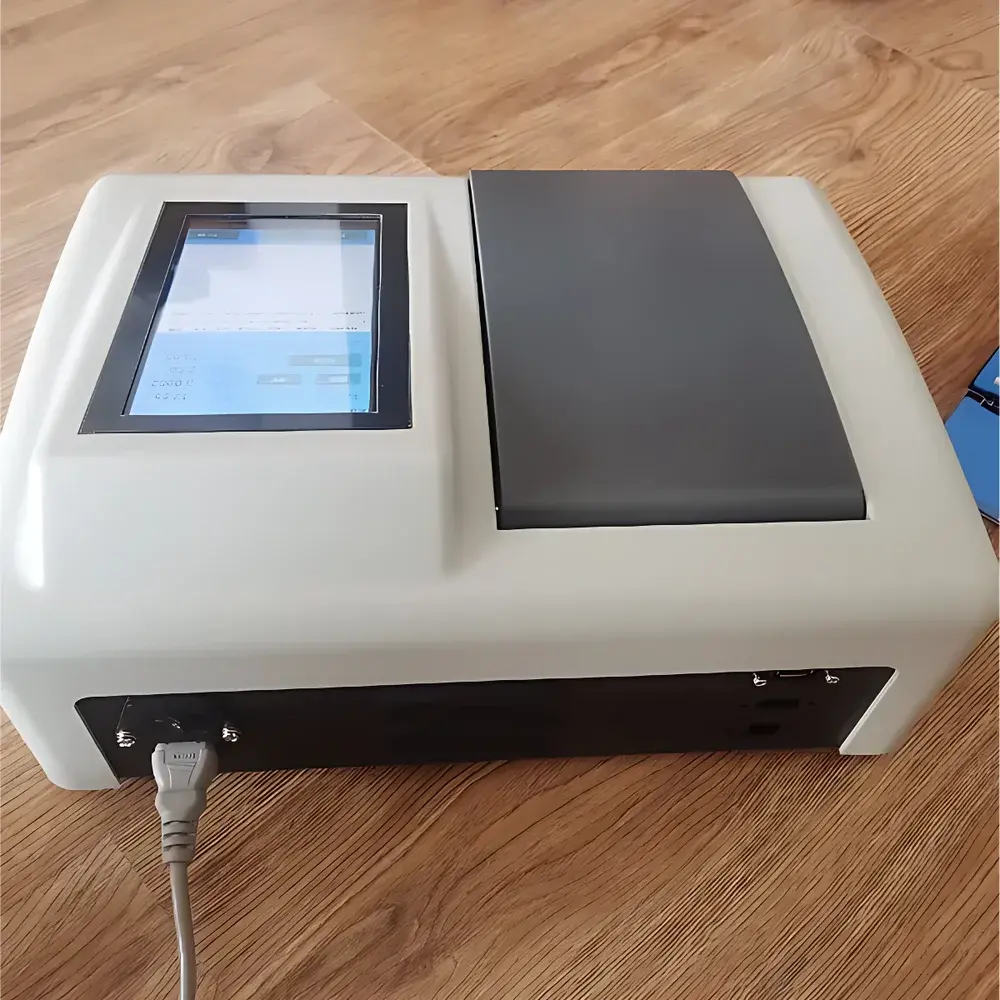
MingShen Science HKP-650 Phosphorus Analyzer with Touchscreen
| Brand | MingShen Science |
|---|---|
| Origin | Henan, China |
| Model | HKP-650 |
| Wavelength | Fixed at 650 nm |
| Wavelength Accuracy | ±0.1 nm |
| Wavelength Repeatability | 0.05 nm |
| Spectral Bandwidth | 1.7 nm |
| Absorbance Range | –0.4 to 4.0 A |
| Concentration Display Range | 0–99999 (unitless or customizable units) |
| Stray Light | ≤0.05% T |
| Baseline Flatness | ±0.002 A |
| Drift Stability | ±0.0007 A/h |
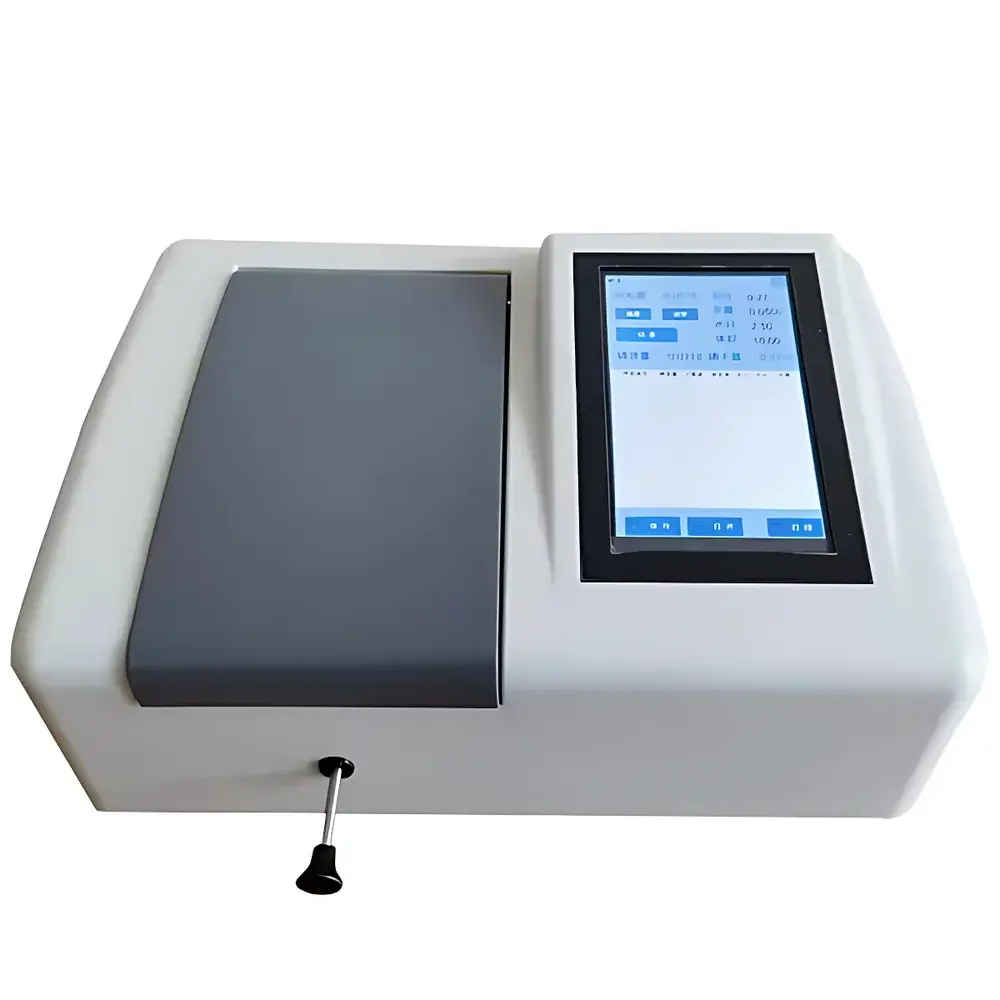
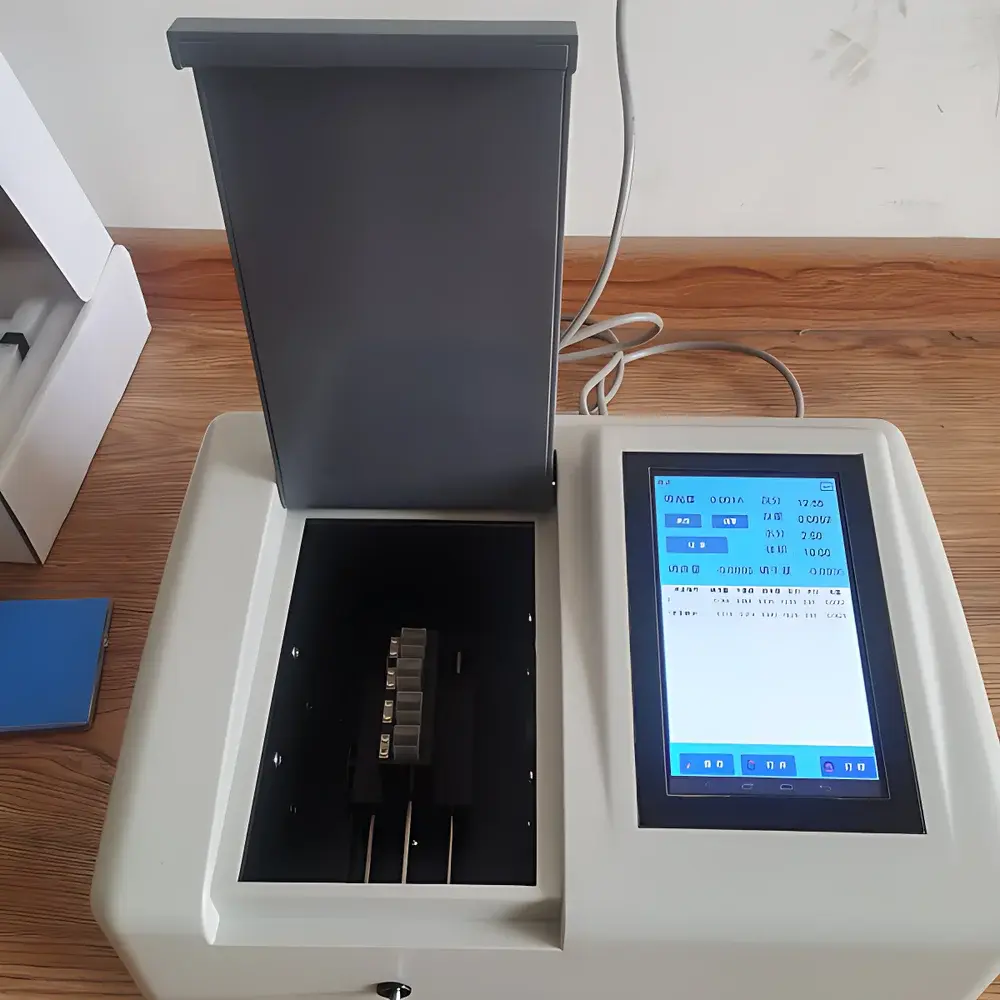
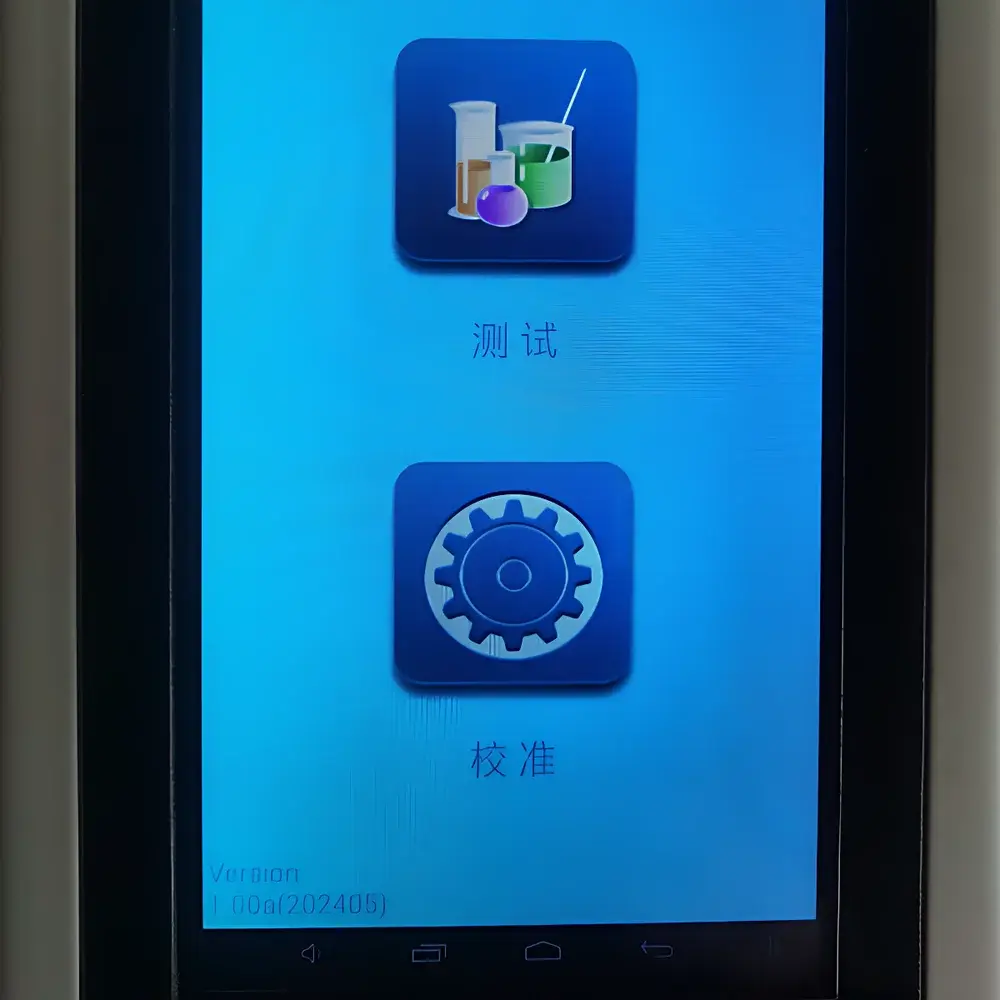
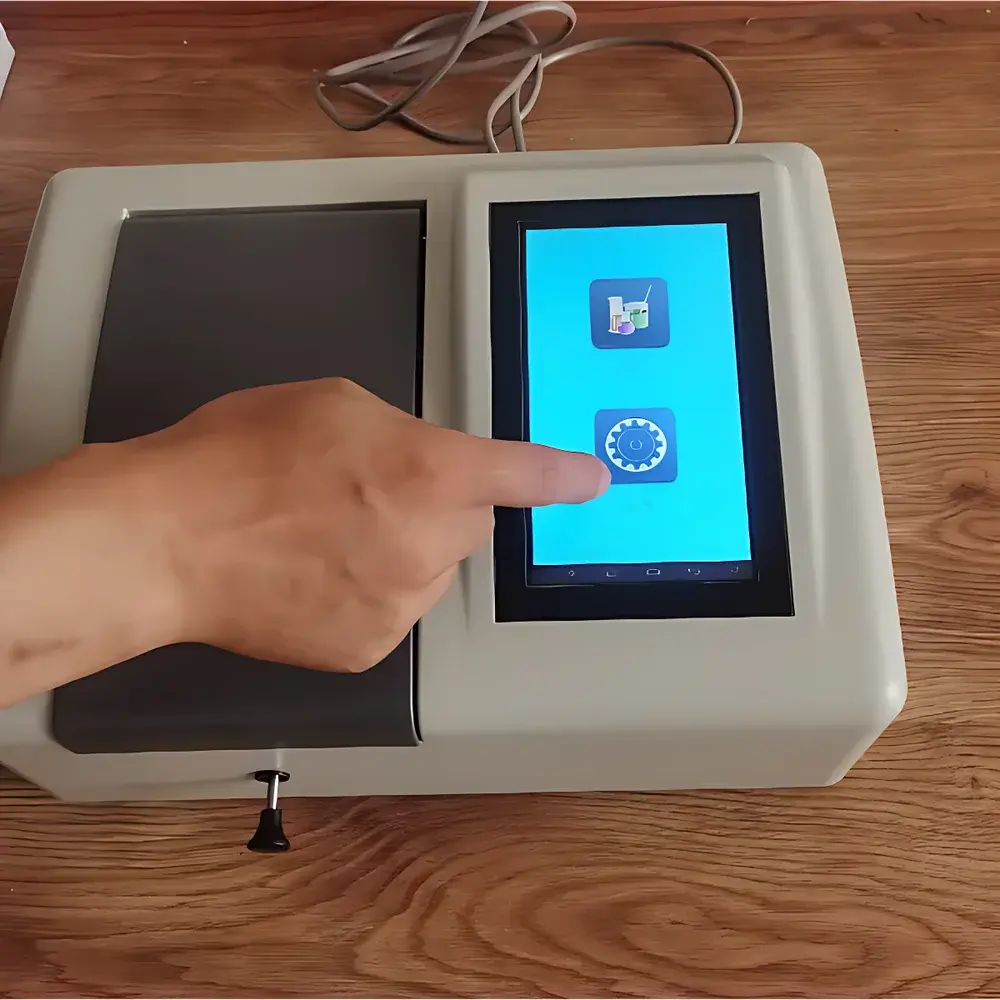
| Display | 7-inch color TFT touchscreen (Chinese UI) |
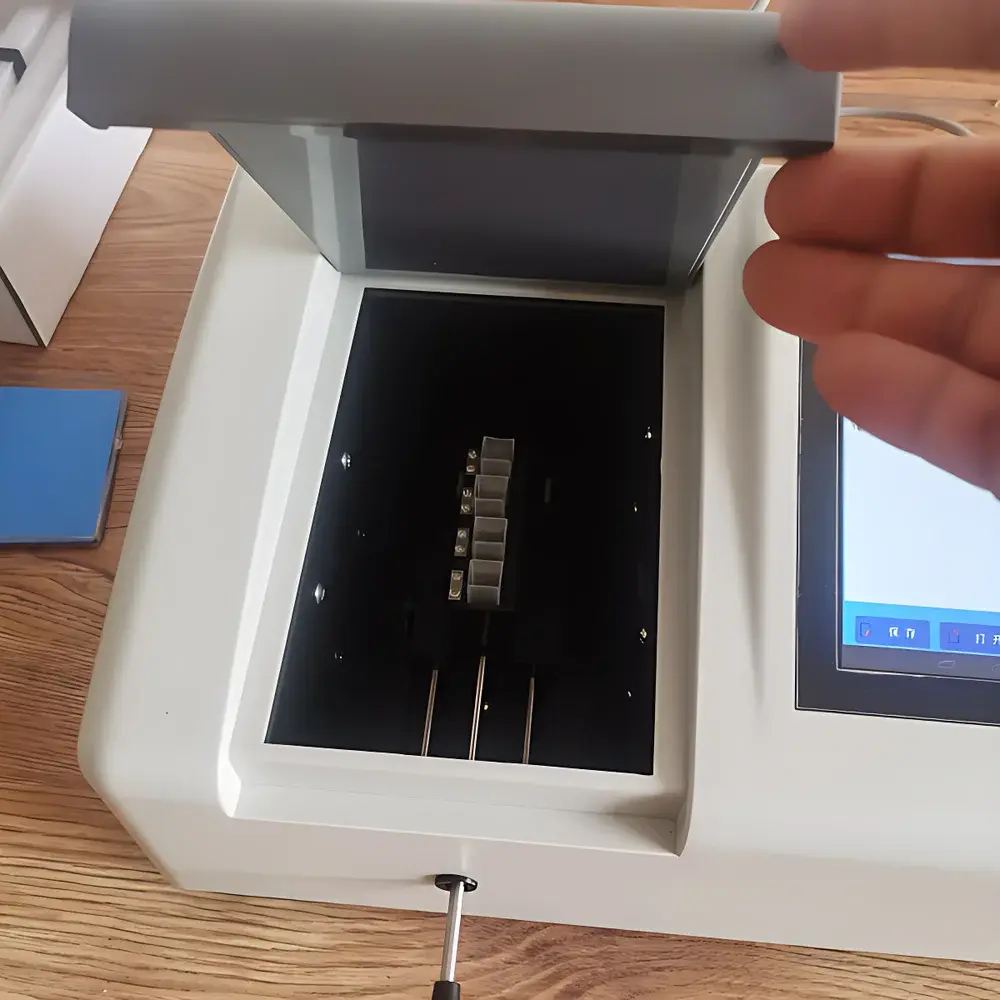
| Sample Chamber | Large-volume cuvette compartment |
| Output Interfaces | USB, RS-232 |
| Compliance | Designed per GB/T 216–2003 for phosphorus determination in coal |
Overview
The MingShen Science HKP-650 Phosphorus Analyzer is a dedicated spectrophotometric instrument engineered for the quantitative determination of total phosphorus content in solid fuel matrices—primarily coal—according to the Chinese national standard GB/T 216–2003. It operates on the principle of visible absorption spectroscopy: following sample digestion and colorimetric reaction (typically via ammonium molybdate–ascorbic acid method), the resulting phosphomolybdenum blue complex is measured at a fixed analytical wavelength of 650 nm. The instrument integrates a high-efficiency optical path with a 1200 lines/mm holographic grating, delivering low stray light (<0.05% T) and excellent monochromaticity—critical for minimizing spectral interference and ensuring measurement fidelity in heterogeneous, matrix-rich samples such as coal ash digests. Its embedded microcontroller architecture eliminates reliance on external PCs for routine operation, enabling standalone, field-deployable analysis in QC laboratories, power plant testing centers, and coal preparation facilities.
Key Features
- Fixed-wavelength photometric design centered precisely at 650 nm, optimized for the absorption maximum of the phosphomolybdenum blue chromophore.
- High-stability optical system featuring a 1200 grooves/mm blazed grating and precision-aligned collimating optics to ensure consistent spectral resolution (1.7 nm bandwidth) and minimal wavelength drift (±0.05 nm repeatability).
- 7-inch full-color TFT resistive touchscreen with native Chinese graphical user interface—designed for intuitive navigation by laboratory technicians without specialized software training.
- Spacious sample compartment accommodating standard 10 mm, 20 mm, and 30 mm pathlength cuvettes; supports optional cell holders for flow-through or micro-volume configurations.
- Real-time absorbance-to-concentration conversion with direct digital readout—eliminates manual calculation and reduces transcription errors in reporting.
- Dual serial output interfaces (RS-232 and USB) enable seamless integration with LIMS, legacy data loggers, or optional thermal printers for GLP-compliant hardcopy record generation.
Sample Compatibility & Compliance
The HKP-650 is validated for use with acid-digested coal samples prepared per GB/T 216–2003, including those containing silicates, iron oxides, and sulfate residues common in bituminous and anthracite coals. Its optical robustness accommodates mildly turbid digest solutions when paired with appropriate filtration or centrifugation pretreatment. While not certified to ISO/IEC 17025 or ASTM D3177, the instrument’s performance specifications—including baseline flatness (±0.002 A), drift stability (±0.0007 A/h), and stray light control—meet the instrumental requirements outlined in GB/T 216–2003 for precision phosphorus quantification in industrial coal quality control. Routine calibration verification is supported via NIST-traceable neutral density filters or certified phosphorus reference standards.
Software & Data Management
The onboard firmware provides complete local data handling: up to 500 measurement records are stored internally with timestamp, absorbance value, concentration result, and operator ID (if configured). USB export enables CSV-formatted data transfer to Windows-based spreadsheet or statistical analysis tools. RS-232 communication supports ASCII command protocol for automated triggering and result polling in supervised test environments. Although the device lacks native 21 CFR Part 11 compliance features (e.g., electronic signatures, audit trails), its deterministic output behavior and hardware-level data integrity make it suitable for non-regulated QA/QC workflows where traceability is maintained via procedural documentation and manual logbook entry.
Applications
- Routine phosphorus screening in coal procurement and blending operations to assess slagging/fouling potential in utility boilers.
- Quality assurance testing in coal washing plants prior to shipment or stockpiling.
- Research applications involving phosphorus speciation studies when coupled with sequential extraction protocols.
- Educational laboratories teaching fundamental principles of colorimetric analysis and fuel chemistry.
- Environmental monitoring labs performing preliminary screening of phosphorus in fly ash or bottom ash leachates (subject to method validation).
FAQ
Does the HKP-650 support wavelength scanning or only fixed-wavelength operation?
The HKP-650 is a fixed-wavelength analyzer optimized exclusively for 650 nm detection. It does not feature wavelength scanning capability.
Can I use this instrument for water or soil samples?
While the optical platform is technically compatible with aqueous phosphorus assays (e.g., EPA 365.1), method adaptation—including digestion protocol, reagent formulation, and calibration curve validation—must be performed independently by the user. GB/T 216–2003 validation applies solely to coal matrices.
Is the touchscreen interface available in English?
No—the current firmware supports Chinese-language UI only. No English localization is provided by the manufacturer.
What maintenance is required for long-term optical stability?
Annual verification of wavelength accuracy using holmium oxide or didymium filters is recommended. The sealed optical bench requires no routine alignment; however, periodic cleaning of the cuvette holder and detector window with lens-grade tissue and isopropanol is advised.
How is calibration performed?
Calibration is conducted using at least three certified phosphorus standard solutions spanning the expected concentration range (e.g., 0.1–5.0 mg/L P). The instrument performs linear regression automatically and stores the slope/intercept parameters for subsequent sample quantification.
Related Products