
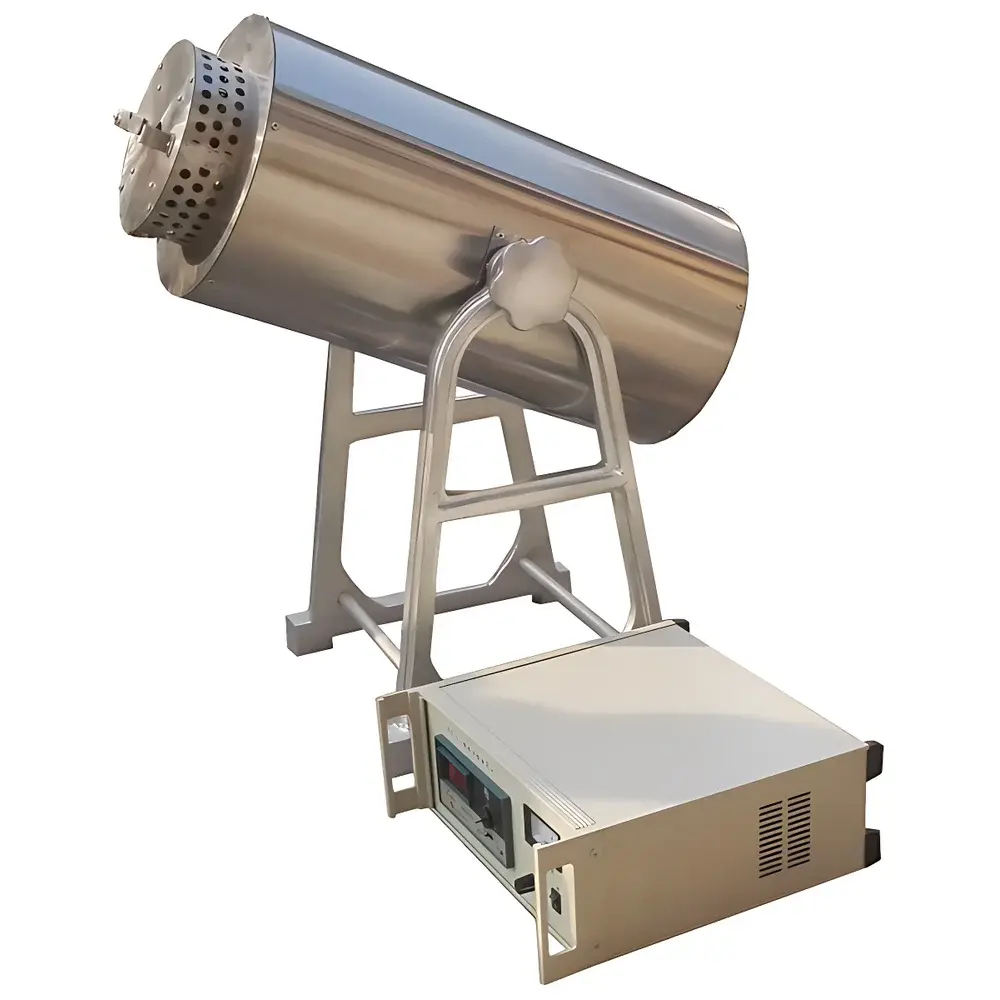
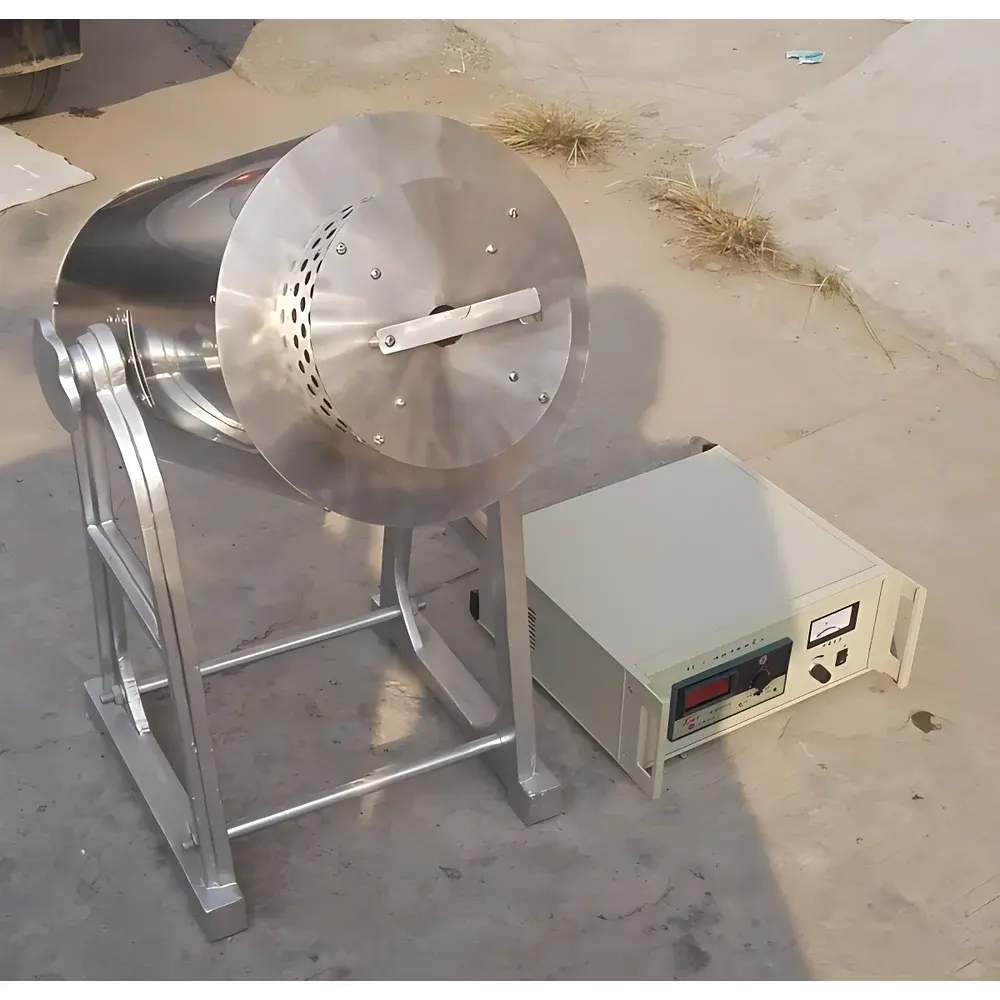
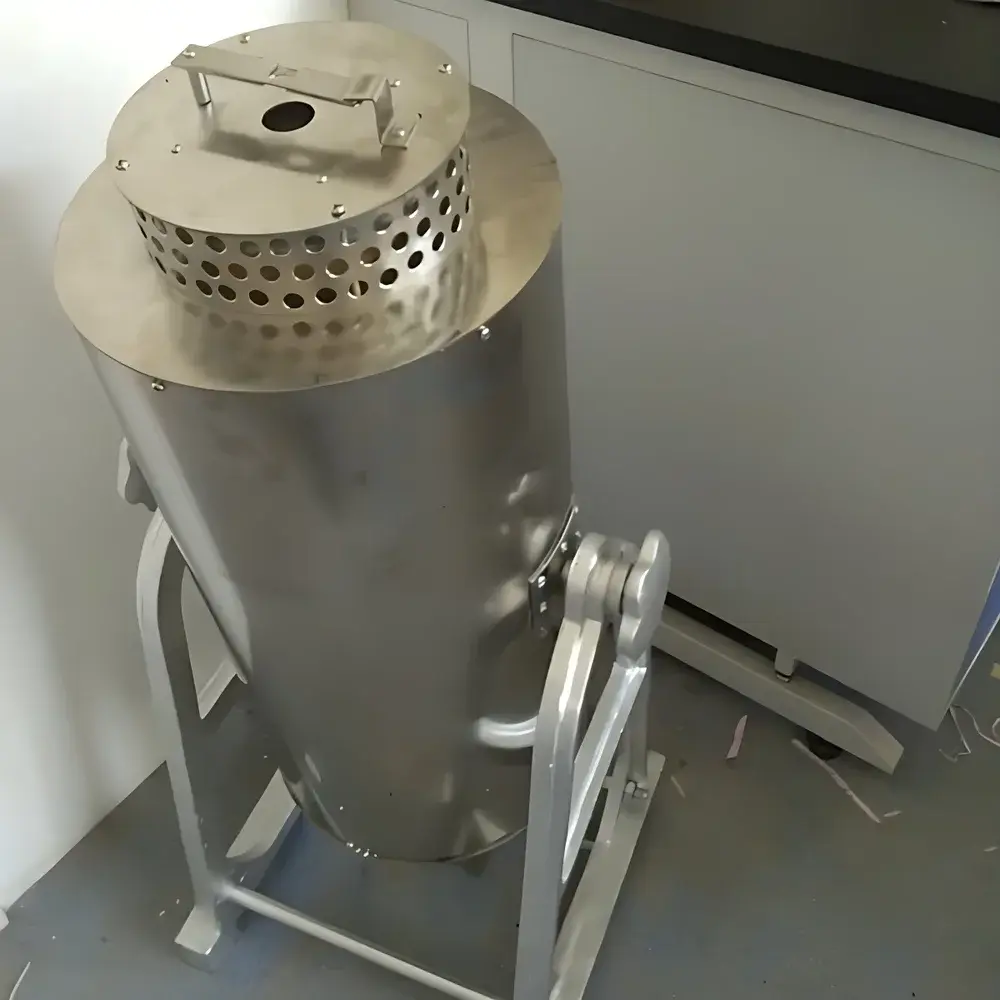
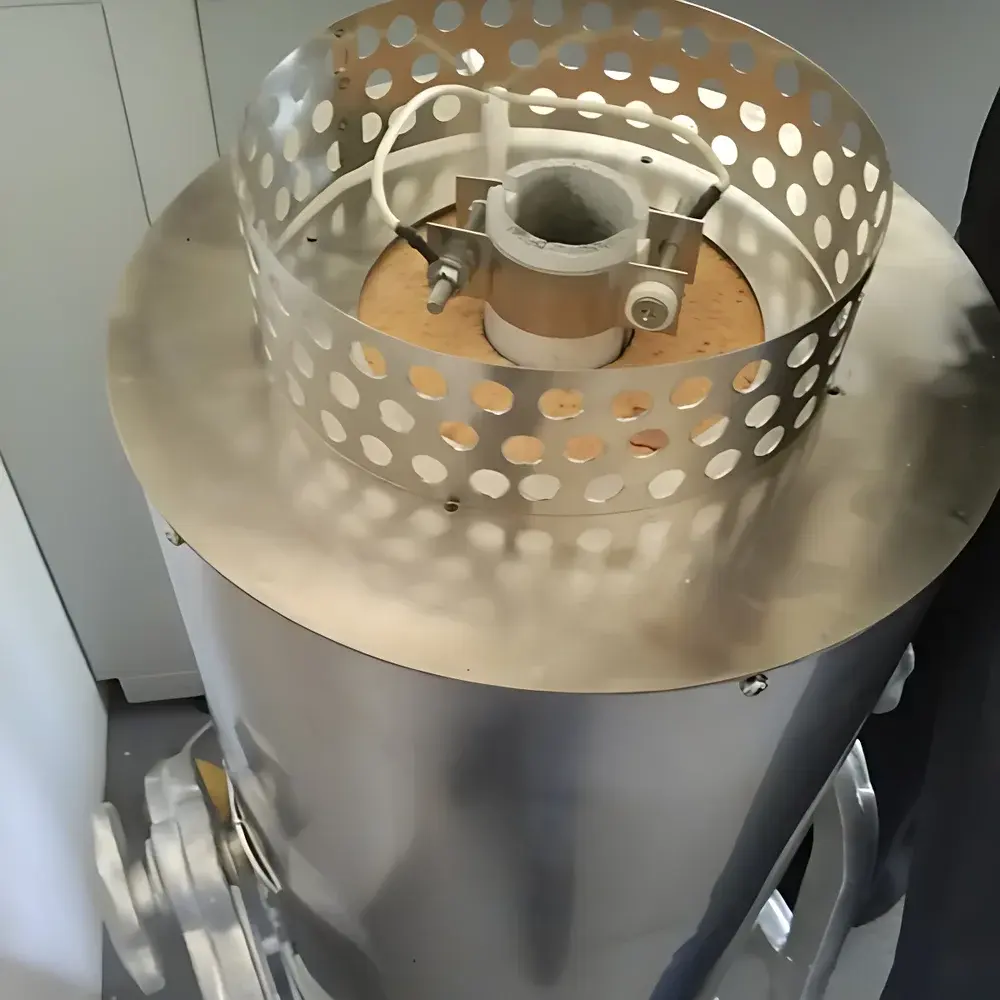
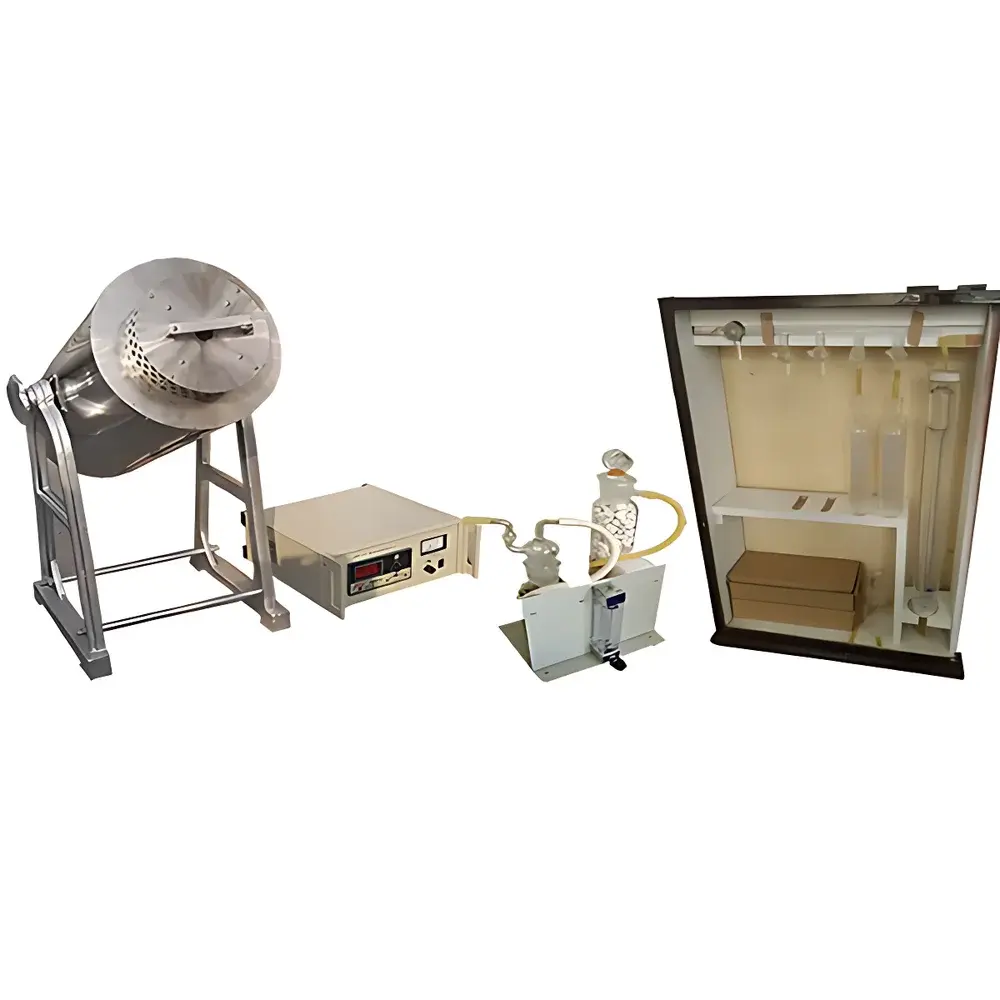
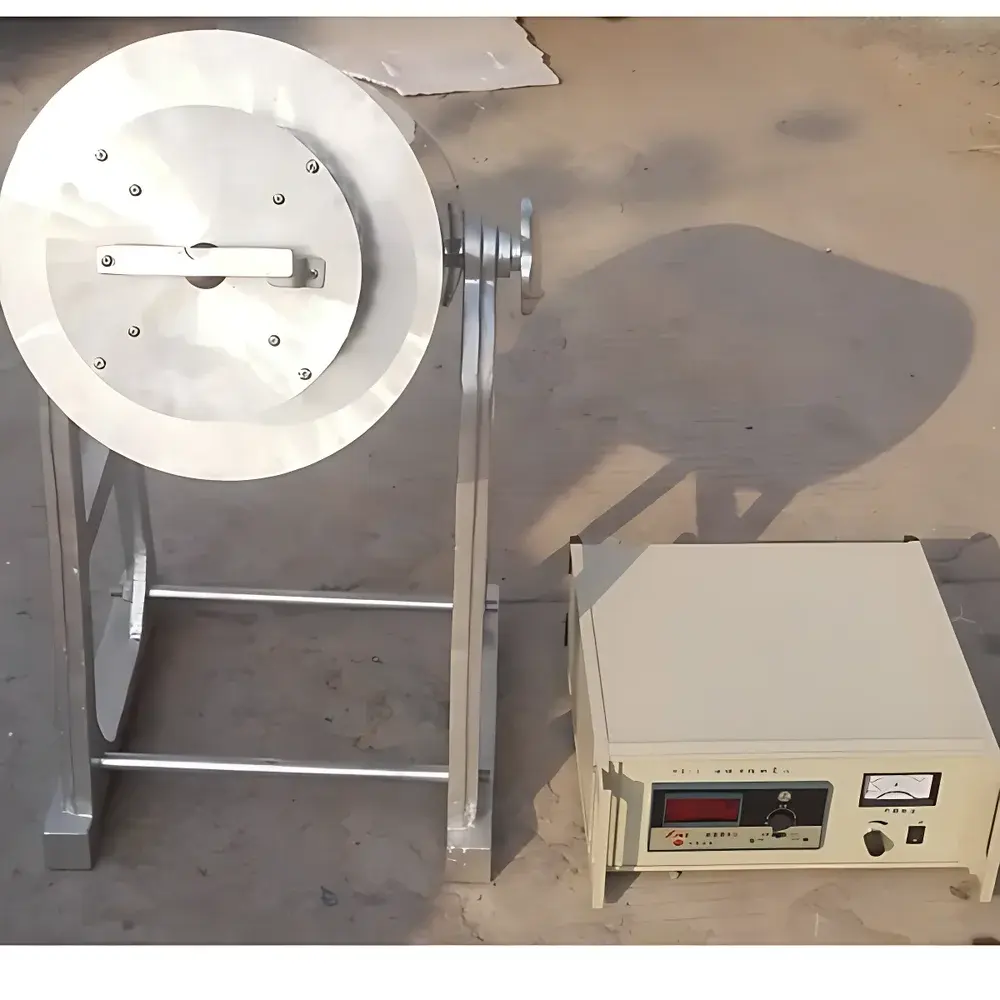
MingShen Science HX-2 Coal Reactivity Analyzer
| Brand | MingShen Science |
|---|---|
| Origin | Henan, China |
| Manufacturer Type | Authorized Distributor |
| Country of Origin | China |
| Model | HX-2 |
| Price | USD 2,250 (approx.) |
| Furnace Max Temp | 1500 °C |
| Operating Temp Range | 1200–1300 °C |
| Heating Rate | 20–25 °C/min |
| Hot Zone Length | 100 mm |
| Silicon Carbide Tube | Dual-threaded, Φ45/35 × 500/100 mm, 40 mm active length |
| Reaction Tube | Alumina, Φ25/20 × 850 mm |
| Temperature Sensor | Pt–Rh/Pt thermocouple, 0–1600 °C, Class 1.0 accuracy |
| Power Consumption | 4–5 kW |
| Supply Voltage | 220 V ±10%, 50 Hz |
| Net Weight | 90 kg |
| Dimensions (Furnace) | 400 × 460 × 980 mm |
| Gas Analyzer Range | 0–99% CO₂, Accuracy: ±2% FS |
| Gas System | CO₂ purification train (pressure regulator, scrubbers, desiccant tower, flowmeter), buoyancy-type gas collection cylinder (Φ360 × 750 mm) |
Overview
The MingShen Science HX-2 Coal Reactivity Analyzer is a laboratory-grade instrument engineered for quantitative assessment of coal and coke reactivity toward carbon dioxide under controlled high-temperature conditions. It operates on the principle of the C + CO₂ ⇌ 2CO gasification reaction—commonly referred to as the Boudouard reaction—and measures the extent of CO₂ reduction as a function of time, temperature, and sample mass. This parameter serves as a critical indicator of coal’s chemical stability, thermal behavior during combustion or gasification, and suitability for metallurgical coke production. The system integrates a vertical silicon carbide (SiC) tube furnace with precise temperature control, a high-purity CO₂ delivery and conditioning subsystem, and a volumetric gas analysis module based on buoyancy displacement measurement. Designed for compliance with standardized test methods—including GB/T 220–2017 (Chinese National Standard for Coal Reactivity Determination) and aligned with ASTM D3366 and ISO 1171 practices—the HX-2 delivers reproducible, traceable results essential for coal quality assurance, procurement specification verification, and R&D in energy and metallurgical laboratories.
Key Features
- High-temperature SiC tube furnace capable of sustained operation up to 1300 °C (rated max 1500 °C), featuring dual-threaded heating elements for uniform radial heat distribution and extended service life.
- Alumina reaction tube (Φ25/20 × 850 mm) rated for continuous use at ≥1500 °C, ensuring inert sample containment and resistance to thermal shock and CO₂-induced corrosion.
- SW-2 digital temperature controller with full-range (0–1600 °C) auto-programmable PID regulation, enabling stable isothermal holds within ±1 °C over the 1200–1300 °C operating window.
- Integrated CO₂ purification train comprising pressure-regulated gas supply, acid gas scrubbers (e.g., NaOH solution), desiccant drying tower (indicating silica gel or molecular sieve), and calibrated rotameter (0–10 L/min range) for consistent reactant flow.
- Volumetric gas analyzer utilizing a precision buoyancy cylinder (Φ360 × 750 mm) with graduated scale and water-sealed collection—providing direct readout of evolved CO volume (%) with ±2% full-scale accuracy per ASTM D3366 calibration protocols.
- Robust mechanical architecture: cast-iron base frame, insulated double-walled furnace housing, and modular component layout facilitating maintenance, calibration, and GLP-compliant documentation.
Sample Compatibility & Compliance
The HX-2 accommodates pulverized coal and coke samples sized to ≤3 mm (as specified in GB/T 220–2017), with typical charge masses ranging from 1.0 to 2.0 g. Sample holders are designed for rapid insertion and removal without disturbing furnace alignment or thermocouple positioning. All wetted gas-path components—scrubbers, drying towers, and flowmeters—are chemically resistant to CO₂, moisture, and trace acidic impurities. The instrument supports method validation per ISO/IEC 17025 requirements and provides documented traceability for temperature (via calibrated Pt–Rh/Pt thermocouple), gas flow (rotameter certified to ±2% reading), and volume measurement (buoyancy cylinder geometry verified per dimensional metrology standards). While not FDA 21 CFR Part 11–certified out-of-the-box, audit trails, manual logbooks, and calibration records align with GLP and internal QA/QC workflows common in coal testing laboratories.
Software & Data Management
The HX-2 operates as a manually supervised benchtop system with analog/digital hybrid instrumentation. Temperature setpoints, ramp rates, and hold durations are configured via the SW-2 controller interface; real-time furnace temperature is displayed on a high-contrast LED screen with zero parallax error. Gas evolution data is recorded manually at predefined time intervals (e.g., every 30 s during initial 5 min, then every 60 s thereafter) using the buoyancy cylinder scale. Optional external data logging—via RS-232 or USB-enabled thermocouple readers and gas flow meters—enables CSV export for post-processing in Excel or MATLAB. Users may generate standardized test reports conforming to GB/T 220–2017 Annex B templates, including raw volume-time curves, calculated reactivity index (RI), and uncertainty estimates derived from repeatability studies (n ≥ 3 per sample).
Applications
- Determination of coal reactivity index (RI) for rank classification and blending optimization in power generation and coking plants.
- Quality control of metallurgical coke feedstock prior to blast furnace charging.
- Research into catalytic effects of ash constituents (e.g., Fe, Ca, K) on CO₂ gasification kinetics.
- Validation of low-rank coal upgrading processes (e.g., mild pyrolysis, torrefaction) by tracking reactivity shifts.
- Interlaboratory round-robin testing under CNAS-accredited coal testing programs.
- Educational demonstration of heterogeneous solid–gas reaction thermodynamics and kinetics in chemical engineering curricula.
FAQ
What standard test methods does the HX-2 support?
The HX-2 is configured to execute GB/T 220–2017 (China), and its operational parameters—temperature range, gas purity control, and volumetric analysis methodology—are technically compatible with ASTM D3366 and ISO 1171 for coal reactivity assessment.
Is the furnace atmosphere oxygen-free during testing?
Yes—prior to CO₂ introduction, the system is purged with high-purity CO₂ to displace ambient air, minimizing oxidation side reactions and ensuring measurement fidelity of the Boudouard equilibrium.
Can the HX-2 be used for biomass or char reactivity testing?
While optimized for coal and coke, the instrument’s temperature capability and gas handling design permit adaptation to chars and certain biomass-derived solids, provided particle size, ash composition, and volatile release profiles are accounted for in method development.
What maintenance is required for long-term reliability?
Routine checks include thermocouple calibration (annually or per 200 cycles), SiC tube visual inspection for cracking, alumina tube cleaning with dilute HCl followed by deionized water rinse, and desiccant replacement in the drying tower after each 10–15 tests.
Does the system include safety interlocks or overtemperature protection?
The SW-2 controller incorporates programmable overtemperature cutoff (default 1550 °C), and the furnace housing features thermal shielding and surface temperature monitoring to meet IEC 61000-6-2 EMC and basic functional safety expectations for Class II laboratory equipment.
Related Products






