
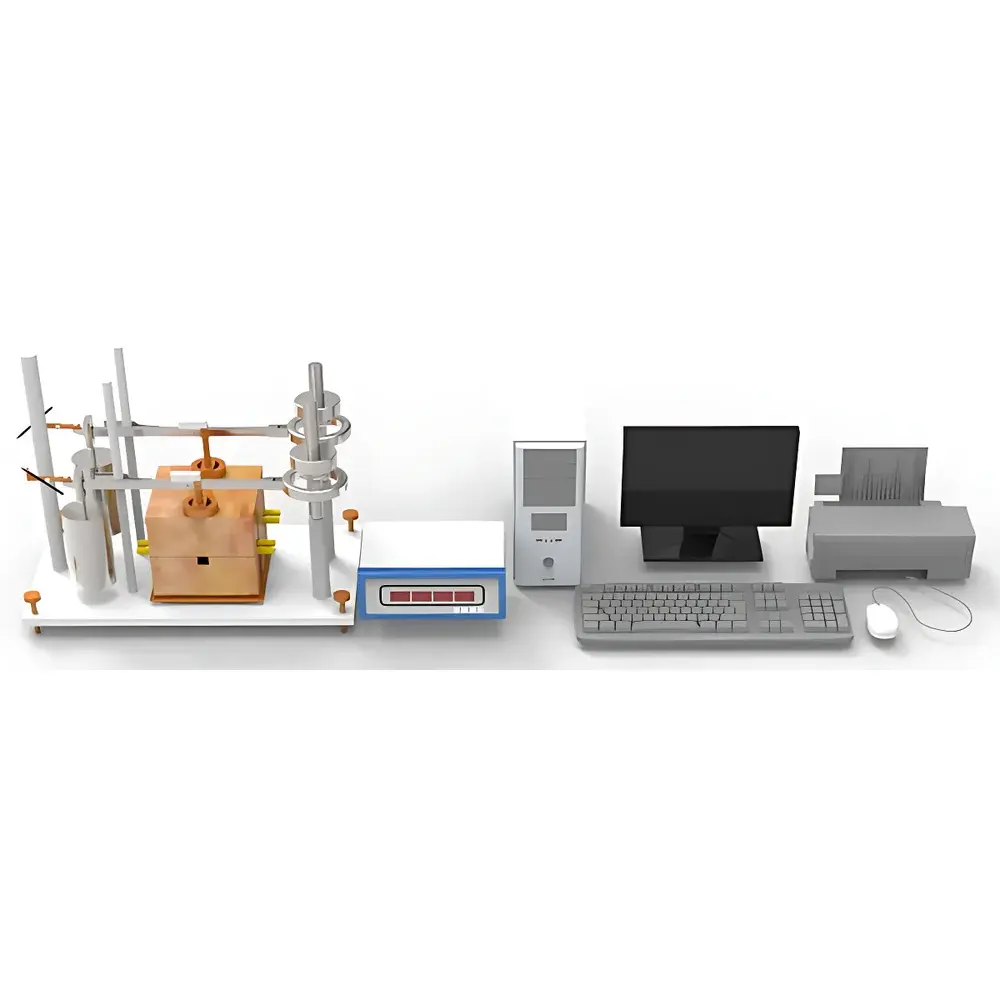
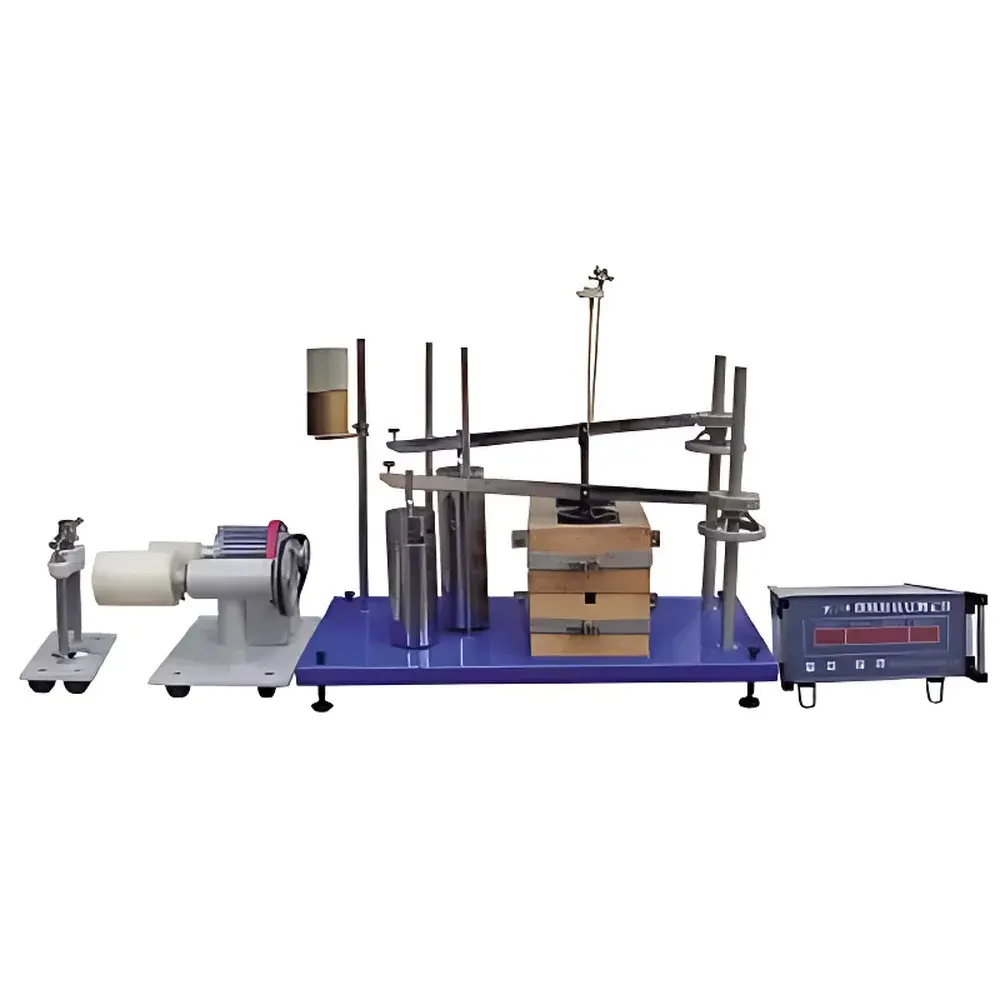
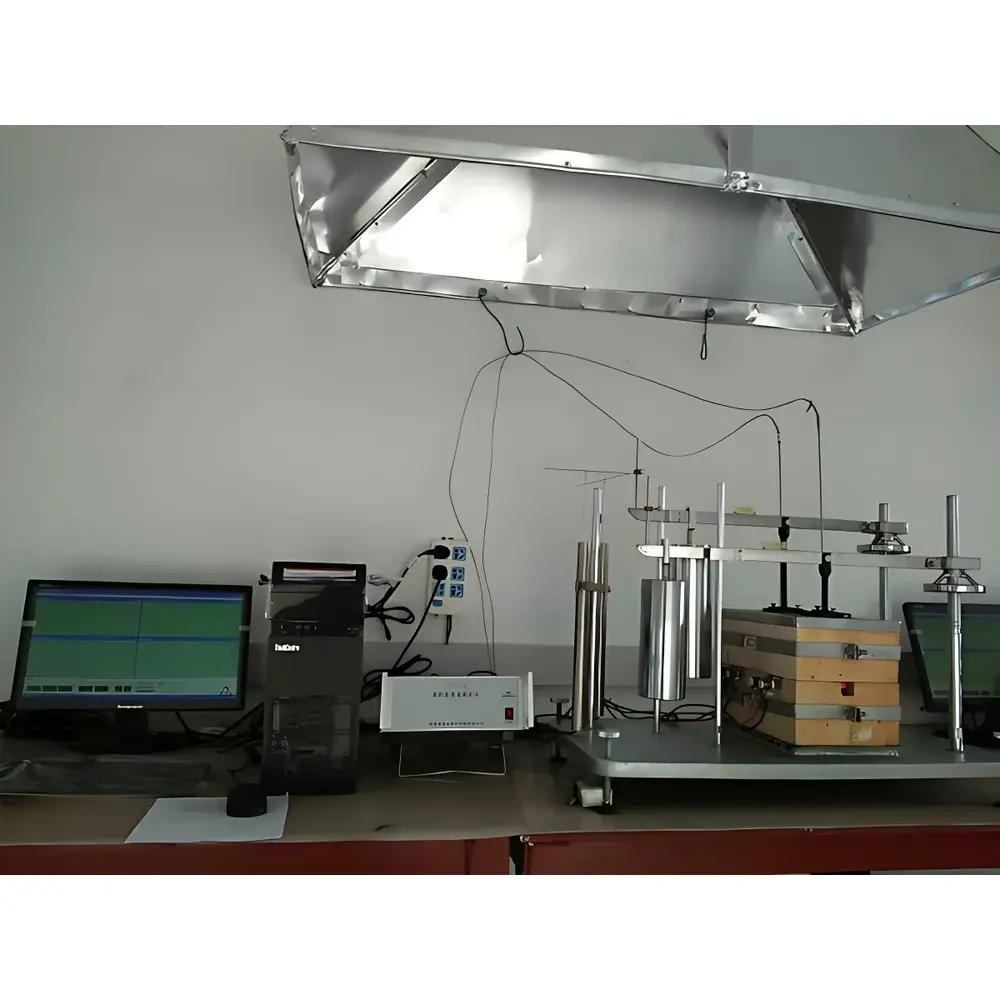
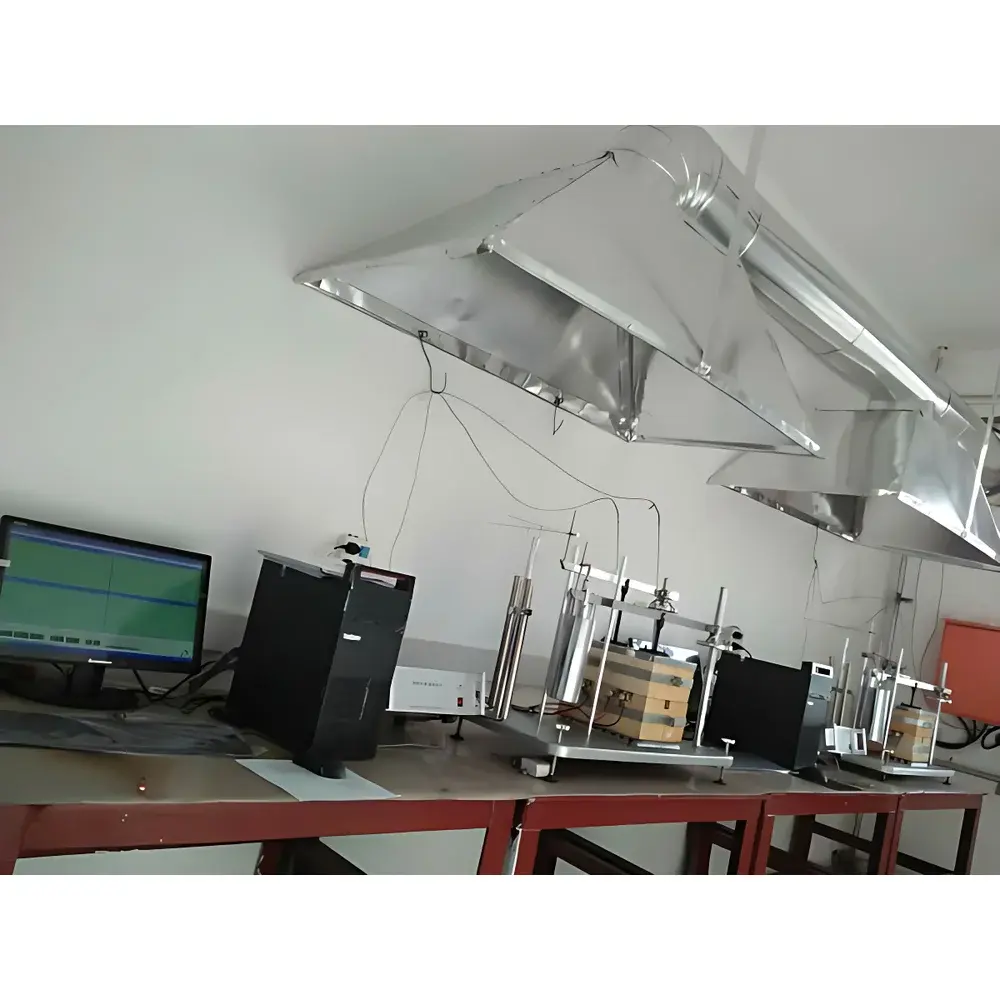
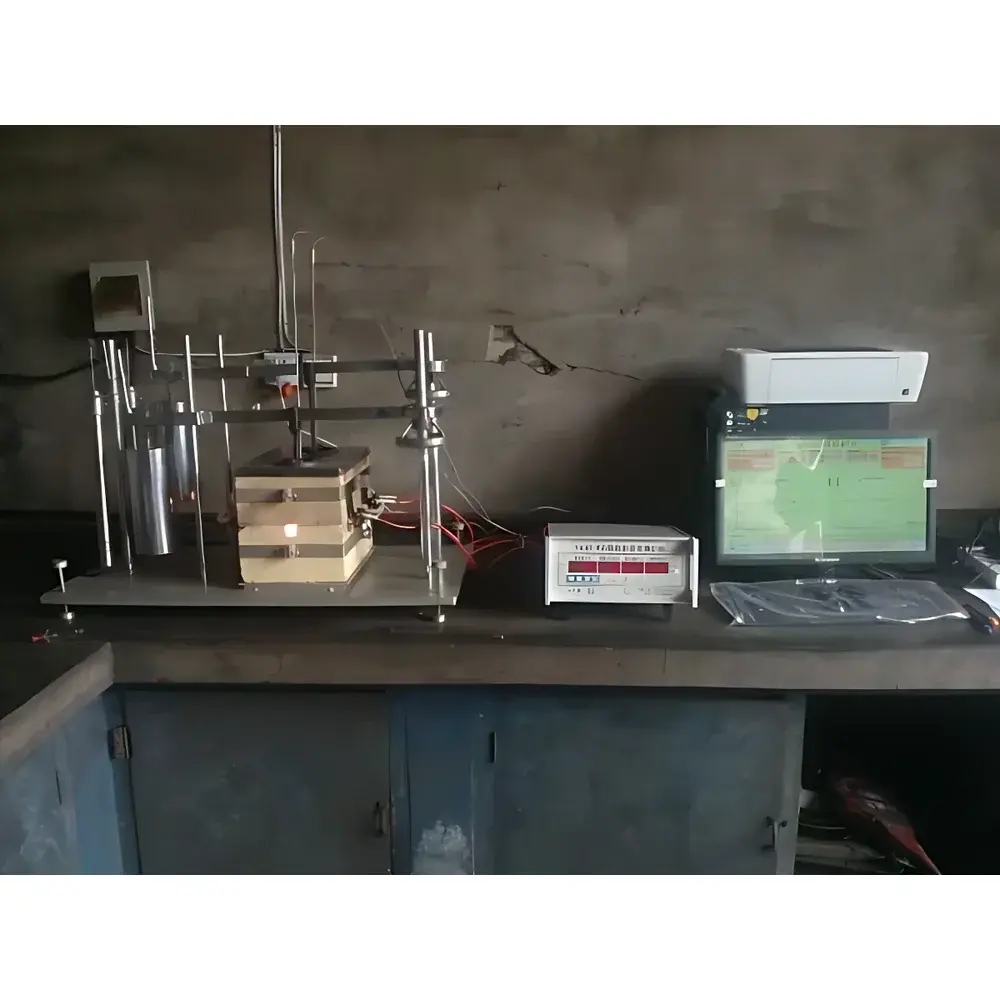
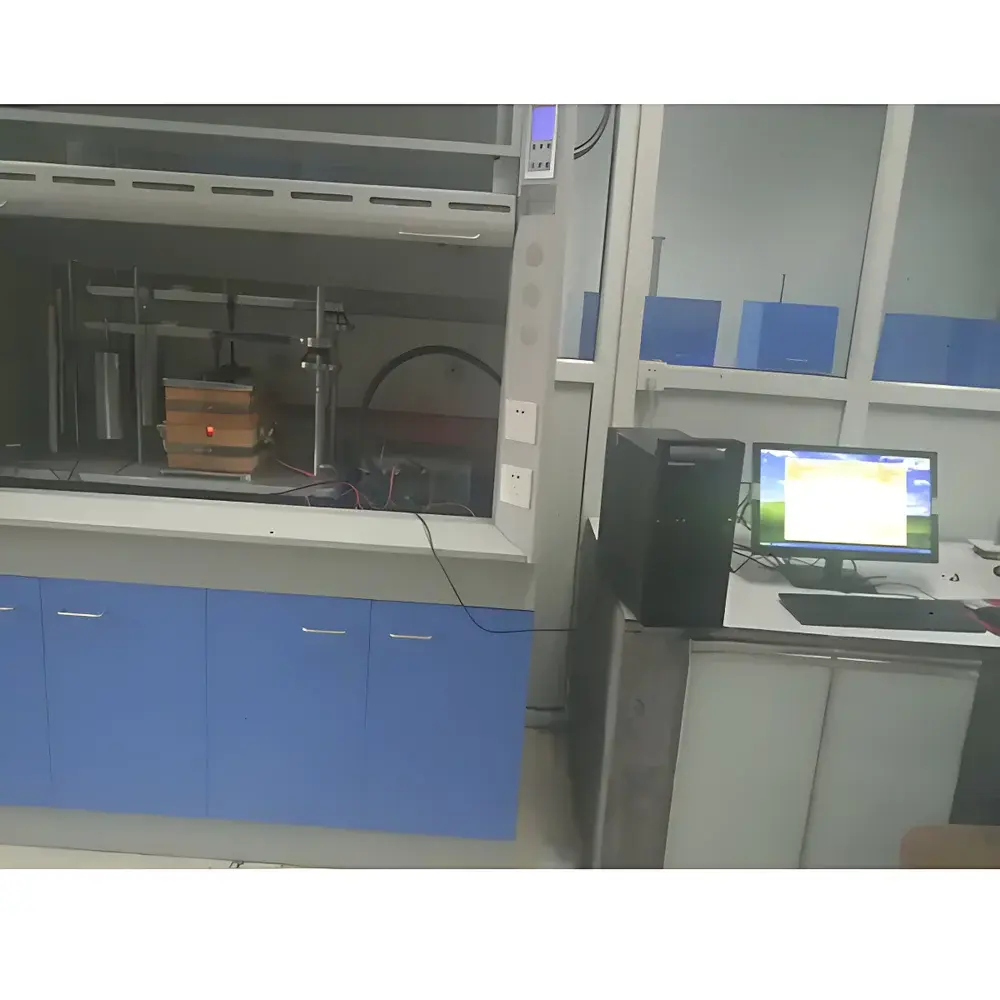
MingShen Science JC-9 Computerized Gieseler Plastometer for Caking Index Determination
| Key | Brand: MingShen Science |
|---|---|
| Origin | Henan, China |
| Manufacturer Type | Authorized Distributor |
| Country of Manufacture | China |
| Model | JC-9 |
| Temperature Range | 0–999 °C (Accuracy Class 0.5, Resolution: 1 °C, K-type Thermocouple) |
| Timer Range | 0–999 min |
| Heating Rate Control | 3 °C/min from 250 °C to 730 °C within 30 min |
| Time Accuracy | ±30 s per 24 h |
| Time Resolution | 0.1 min |
| Power Consumption | 4 kW |
| Supply Voltage | 220 V, 50 Hz |
| Net Weight | 150 kg |
Overview
The MingShen Science JC-9 Computerized Gieseler Plastometer is a dedicated laboratory instrument engineered for the standardized determination of caking properties of bituminous coal, specifically the plastic layer index (also known as the Gieseler plastometry index). It operates in strict accordance with the principles defined in GB/T 479–2000, the Chinese National Standard equivalent to ISO 501 and ASTM D720, which specify the methodology for measuring the thickness of the plastic layer (Y-value), contraction (X-value), and the characteristic volume–time curve during controlled thermal softening. The instrument employs a dual-furnace design with independent temperature regulation, enabling simultaneous or sequential testing of two coal samples under identical thermal ramp conditions. Its core measurement principle relies on mechanical displacement sensing of a standard coal charge confined in a silica crucible, coupled with high-stability K-type thermocouples and precision electromechanical actuators to track deformation kinetics in real time.
Key Features
- Bi-directional RS-232/USB communication interface between host PC and control unit for real-time monitoring and remote parameter adjustment.
- Dual independent furnace channels with synchronized or decoupled temperature profiling, each equipped with PID-controlled heating elements and redundant thermal protection circuits.
- Automated acquisition and digital recording of contraction displacement (X) and plastic layer thickness (Y) at user-defined intervals (default: every 10 minutes), with manual override capability for critical inflection points.
- Real-time graphical rendering of three interdependent curves: (a) furnace temperature vs. time, (b) volume change vs. time (plasticity curve), and (c) upper/lower plastometer surface positions vs. time — all rendered in scalable vector format.
- Intelligent event-triggered audio-visual alerts at predefined curve inflections (e.g., initial softening, maximum fluidity, resolidification onset) to guide operator intervention for manual胶面 (plastic layer surface) measurement.
- Integrated data validation logic that flags out-of-specification thermal ramp deviations (>±0.5 °C/min tolerance), thermocouple drift (>2 °C offset over 60 min), or mechanical encoder anomalies before result finalization.
- Onboard non-volatile memory (128 MB) for local storage of ≥500 complete test records, including raw sensor timestamps, interpolated curve points, and operator annotations.
Sample Compatibility & Compliance
The JC-9 accommodates standard 100-g coal samples prepared per GB/T 479–2000 specifications: air-dried, <1.25 mm top size, moisture-corrected, and packed into pre-calibrated silica crucibles with graphite spacers. It supports both single-sample qualification runs and comparative dual-sample assays for inter-laboratory reproducibility assessment. The system complies with metrological traceability requirements outlined in JJF 1001–2011 (General Metrological Terminology) and meets electromagnetic compatibility (EMC) Class B limits per GB/T 17626 series. While not certified to IEC 61000-4-x for pharmaceutical environments, its architecture aligns with GLP documentation integrity standards—each report includes unique test ID, operator login, calibration certificate reference, and full audit trail of all manual inputs and auto-generated events.
Software & Data Management
The bundled Windows-based application (v3.2+, compatible with Win10/11 64-bit) provides ISO/IEC 17025-aligned data handling: all measurements are timestamped with system clock synchronized to NTP servers; operator actions require alphanumeric authentication; and electronic signatures are embedded in PDF reports per FDA 21 CFR Part 11 readiness guidelines (though formal validation packages must be commissioned separately). Export formats include CSV (for LIMS integration), XML (for ERP ingestion), and encrypted binary archives (.jcr) with SHA-256 checksums. Software updates are delivered via secure HTTPS portal with version-controlled changelogs and impact assessments.
Applications
This instrument is routinely deployed in coal quality control laboratories of coking plants, power generation utilities, and geological survey institutes to assess coal blend suitability for metallurgical coke production. It delivers quantitative input for predictive models of coke strength after reaction (CSR), coke reactivity index (CRI), and blast furnace burden permeability. In research contexts, the JC-9 supports fundamental studies on coal maceral interactions, additive effects (e.g., pitch or tar modifiers), and low-rank coal upgrading pathways. Its deterministic Y/X ratio output serves as a primary selection criterion in coal procurement contracts governed by ASTM D388 and ISO 11760.
FAQ
Does the JC-9 support automated胶面 (plastic layer surface) detection without manual input?
No — per GB/T 479–2000, physical measurement of upper and lower plastic layer boundaries remains a manual procedure requiring operator intervention at designated curve inflection points. The system facilitates data entry and curve synthesis but does not incorporate optical or capacitive surface-sensing hardware.
Can test data be exported directly to LIMS systems?
Yes — the software exports fully structured CSV files containing all raw sensor values, derived indices (Y, X, volume curve area), and metadata (sample ID, date, operator, calibration status) in columnar format compliant with ASTM E1467 and ISO/IEC 17025 Annex A.2.
Is the instrument suitable for arbitration testing between trading partners?
It meets the technical performance criteria specified in GB/T 479–2000 and is widely accepted in domestic Chinese coal trade settlements; however, international arbitration typically requires cross-validation against ISO 501-certified equipment in accredited laboratories.
What maintenance routines are recommended for long-term accuracy?
Monthly verification of thermocouple calibration against NIST-traceable dry-block calibrators (±0.5 °C at 300 °C and 600 °C), quarterly mechanical zero-point adjustment of displacement transducers, and annual full-system metrological audit using certified reference coal standards (e.g., NIST SRM 1632e).





