
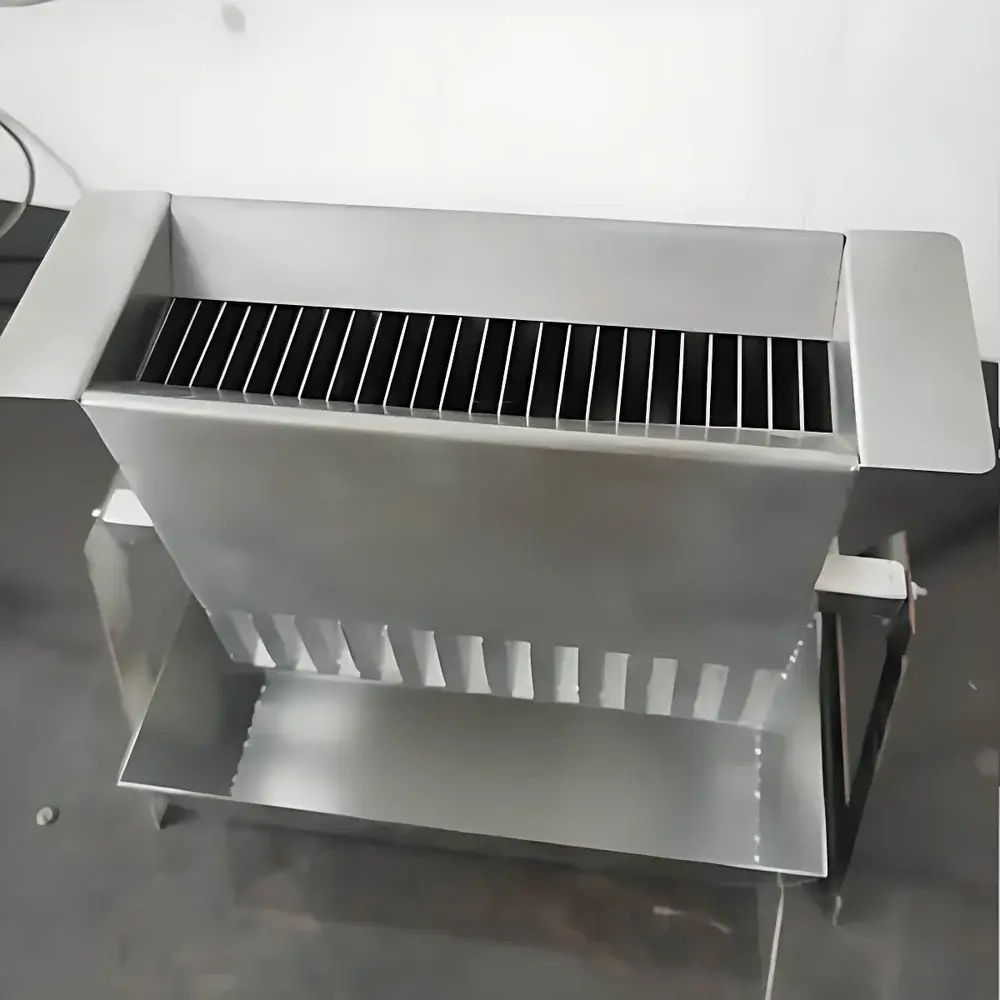
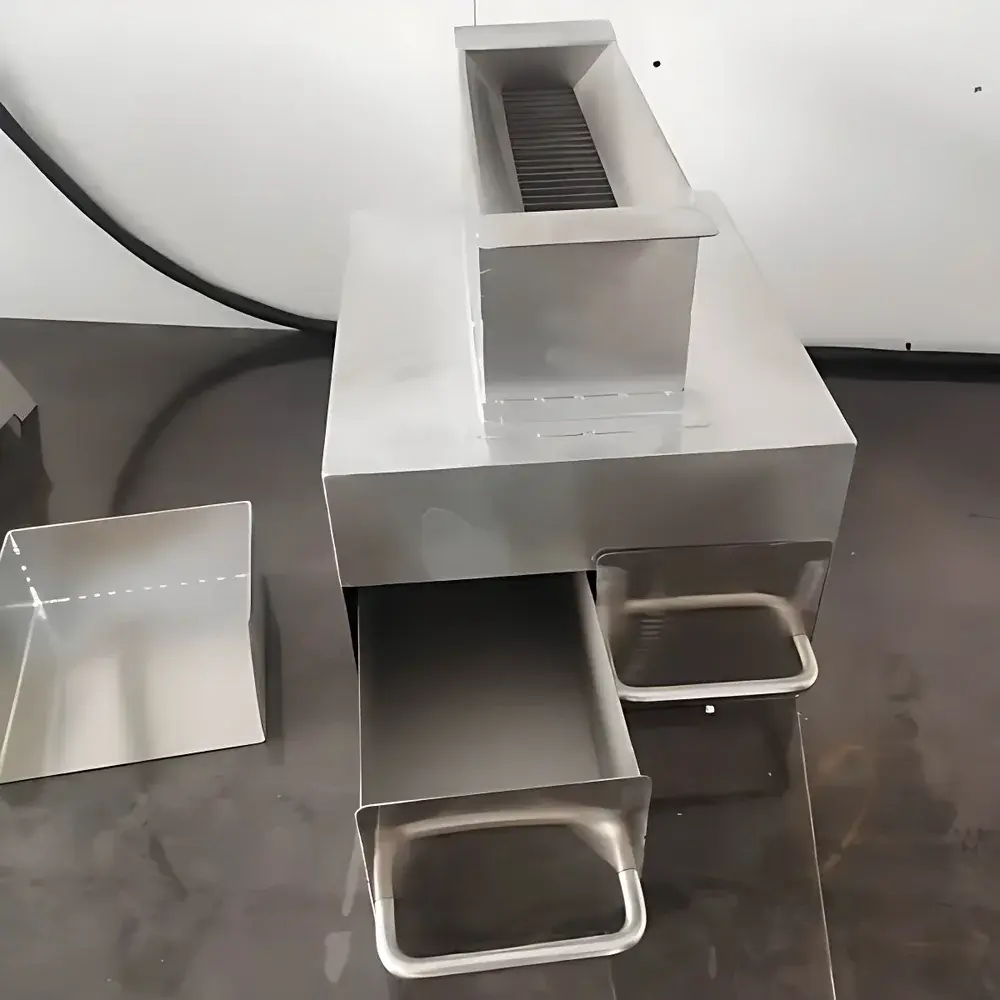
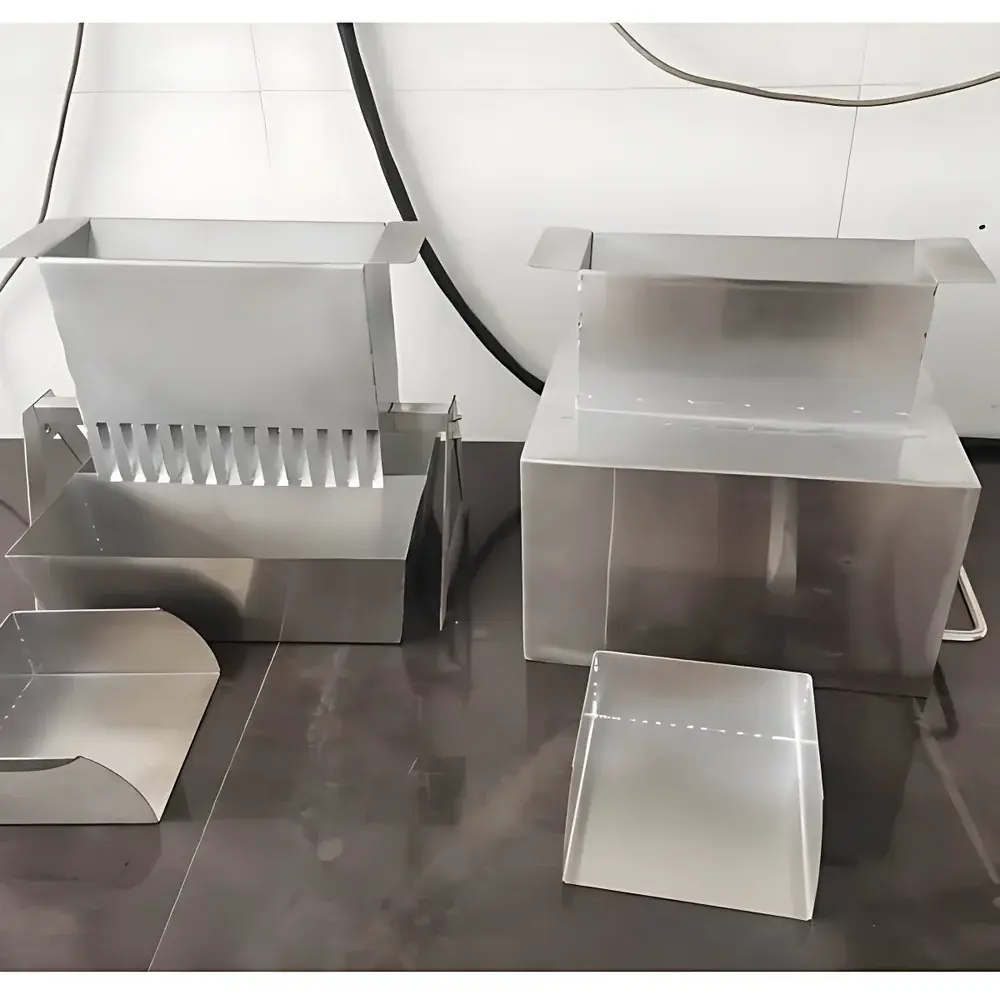
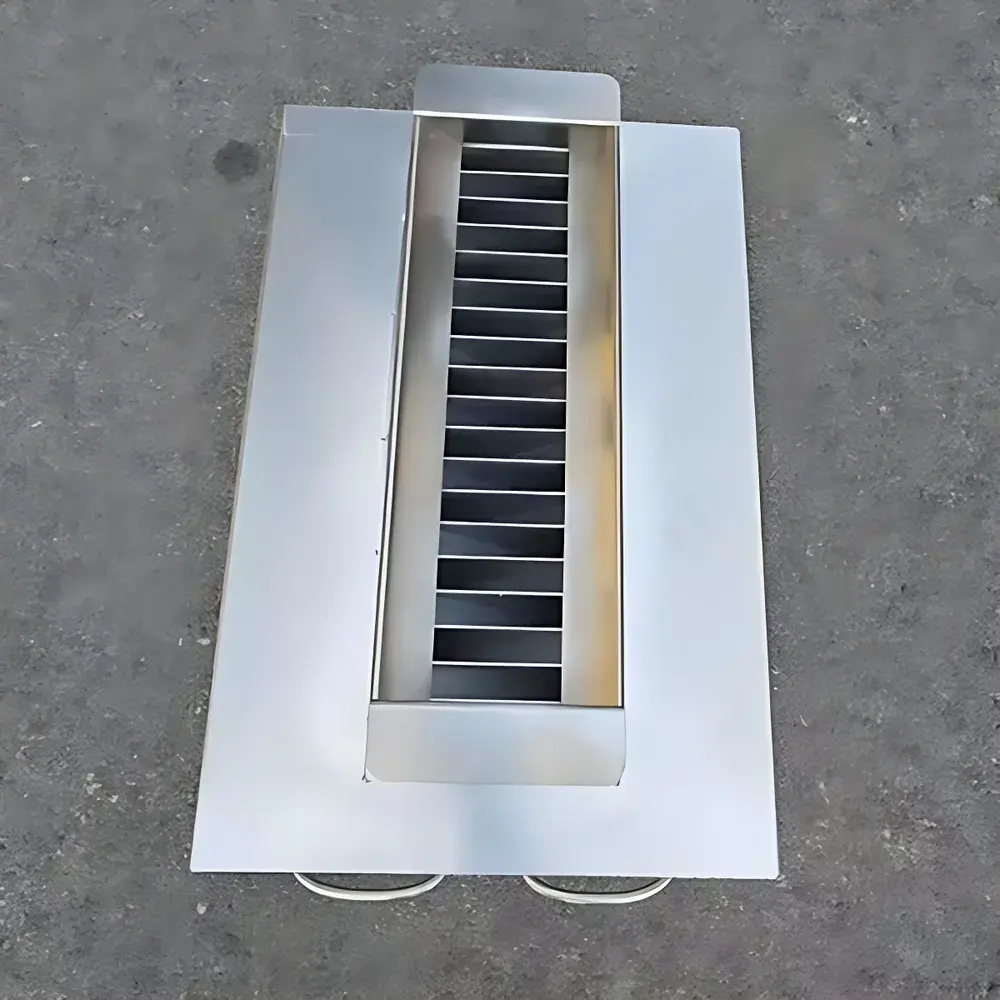
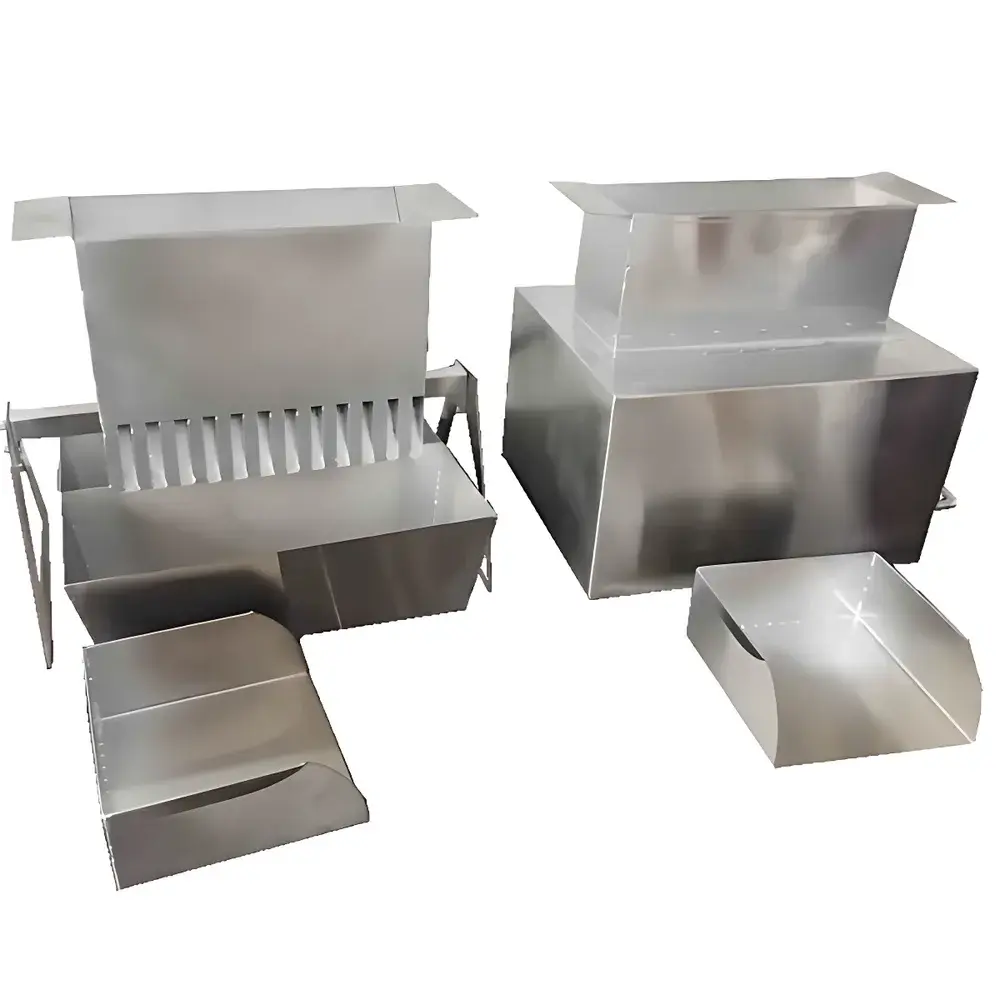
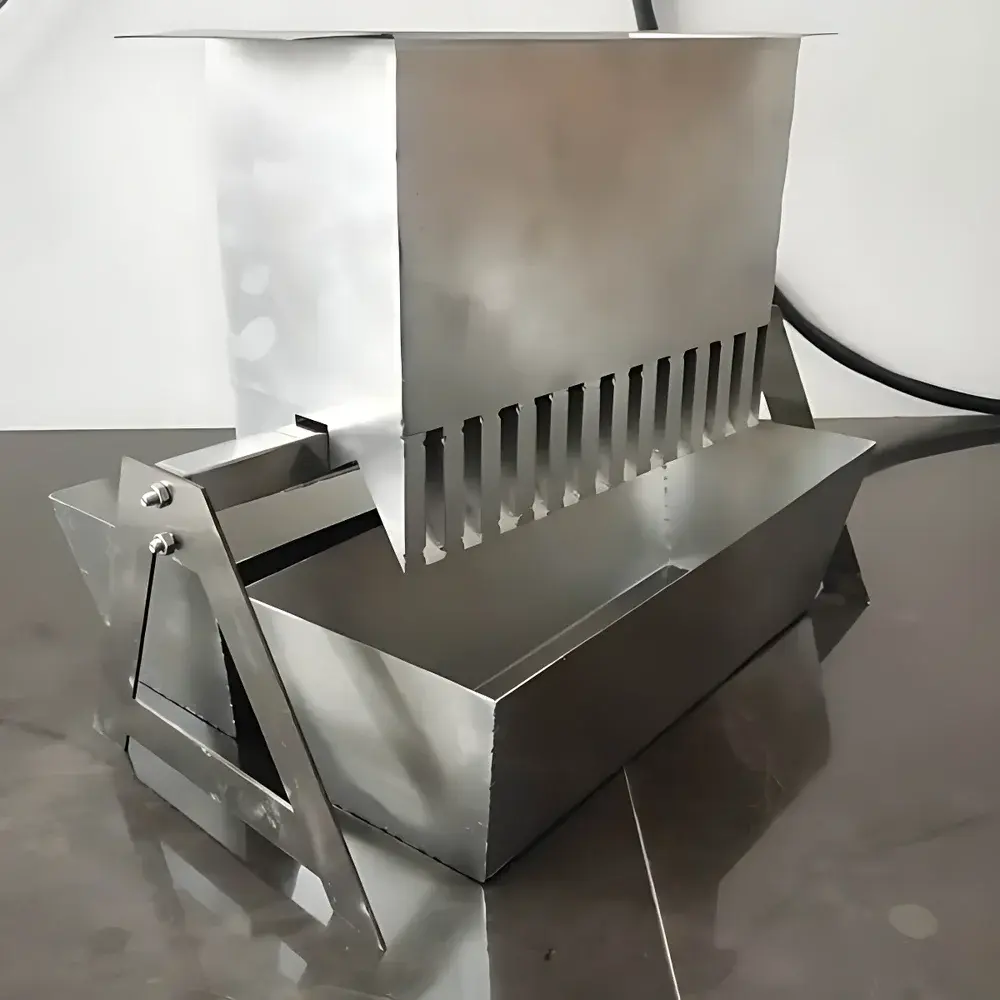
MingShen Science KER-86 Stainless Steel Rotary Sample Divider
| Brand | MingShen Science |
|---|---|
| Origin | Henan, China |
| Model | KER-86 |
| Material | 304 Stainless Steel |
| Compliance | GB/T 474 |
| Sample Throughput Capacity | ≤13 mm (Large), ≤6 mm (Medium), ≤3 mm (Small), ≤1.25 mm (Extra-Small) |
| Groove Width | 39 mm / 18 mm / 9 mm / 5 mm |
| Groove Count | ≥8 per side |
| Groove Inclination Angle | ≥60° from horizontal |
| Minimum Opening Size | ≥5 mm |
| Sealing Integrity | Tight-fitting receiver assembly to prevent fines and moisture loss |
Overview
The MingShen Science KER-86 Stainless Steel Rotary Sample Divider is a precision mechanical sample splitting device engineered for high-reproducibility subdivision of granular or particulate materials—primarily coal, mineral ores, biomass fuels, and industrial powders—in accordance with the statutory requirements of GB/T 474–2008 “Methods for Preparation of Coal Samples”. It operates on the principle of rotational symmetry and gravity-driven flow partitioning: bulk material is introduced centrally onto a rotating, dual-row, cross-aligned groove array; each rotation cycle directs equal mass fractions alternately into two receiving containers via geometrically balanced channel distribution. This design eliminates operator bias and ensures statistically representative sub-sampling without segregation artifacts induced by manual riffle or conical quartering methods. The KER-86 is not a static riffle divider but a dynamically stabilized rotary system—its consistent angular velocity and symmetrical groove geometry yield coefficient of variation (CV) values <2.5% across repeated splits under controlled feed rate conditions, meeting ISO 13909-4 and ASTM D2013 performance benchmarks for mechanical sample division.
Key Features
- Construction from certified 304 stainless steel—resistant to corrosion, abrasion, and chemical exposure during routine cleaning or handling of sulfur-rich coals and acidic mineral feeds.
- Modular groove configuration supporting four standardized particle size classes: Large (≤13 mm), Medium (≤6 mm), Small (≤3 mm), and Extra-Small (≤1.25 mm), each with groove widths precisely calibrated to 3× nominal top size (per GB/T 474 Clause 6.3.2).
- Minimum groove count of eight per side—exceeding the regulatory minimum—to enhance statistical robustness and mitigate sampling error from particle clustering.
- Grooves inclined at ≥60° to horizontal plane to ensure rapid, laminar descent and minimize particle bounce or lateral migration that could compromise split fidelity.
- Interchangeable receiver hoppers with gasketed, press-fit interfaces—eliminating fines leakage and moisture evaporation during transfer, critical for calorific value and proximate analysis compliance.
- No external power requirement: manually rotated via ergonomic handle with positive-stop indexing for repeatable 180° or 360° cycles—suitable for field labs, mobile sampling units, and GLP-regulated environments where electrical instrumentation is restricted.
Sample Compatibility & Compliance
The KER-86 accommodates dry or slightly damp (moisture content <12 wt%) particulates with bulk densities ranging from 0.4 g/cm³ (e.g., lignite) to 2.8 g/cm³ (e.g., hematite ore). It is validated for use with materials exhibiting D90 ≤13 mm and aspect ratios <5_1. Not recommended for fibrous, cohesive, or highly electrostatic materials (e.g., fly ash <10 µm, wet clay slurry) without prior conditioning. Certified compliant with GB/T 474–2008, equivalent to ISO 13909-4:2013 (Coal and coke — Sampling — Part 4: Methods for preparation of test samples) and aligned with ASTM D2013–18 “Standard Practice for Preparing Coal Samples for Analysis”. All units undergo dimensional verification of groove width, inclination angle, and symmetry tolerance (±0.5°) prior to dispatch.
Software & Data Management
As a fully mechanical, non-electronic instrument, the KER-86 does not incorporate embedded firmware, sensors, or digital connectivity. Its operation requires no software installation, calibration certificates, or audit trails—making it inherently compatible with FDA 21 CFR Part 11-compliant workflows where paper-based chain-of-custody records are mandated. Laboratory SOPs may integrate the KER-86 into documented sampling protocols (e.g., “Splitting Procedure KER-86 Rev. 3”) with defined rotation count, feed rate limits (<2 kg/min), and environmental controls (RH <75%, T = 15–30°C). Optional traceability is supported via engraved serial number and optional laser-marked batch ID on the base plate.
Applications
- Routine coal quality control in power plants, coking facilities, and trading laboratories—preparing analytical subsamples for ultimate analysis (C/H/N/S/O), ash fusion temperature, and Hardgrove grindability index (HGI).
- Mineral processing labs performing grade control on run-of-mine (ROM) ore feeds prior to XRF or ICP-OES digestion.
- Research institutions conducting particle size distribution validation studies using laser diffraction or sieve analysis—where primary sample reduction must preserve PSD integrity.
- Environmental testing labs preparing heterogeneous soil or sediment composites for TCLP extraction or heavy metal leaching assays.
- Pharmaceutical excipient QC labs handling granulated lactose or microcrystalline cellulose—subject to USP sampling guidelines for solid dosage forms.
FAQ
What standards does the KER-86 comply with?
It is designed and verified per GB/T 474–2008 and functionally equivalent to ISO 13909-4:2013 and ASTM D2013–18 for mechanical sample division.
Can the KER-86 be used for materials other than coal?
Yes—provided the material is free-flowing, non-cohesive, and within the specified top-size and moisture limits outlined in the user manual.
Is calibration required before use?
No electronic calibration is needed; however, periodic visual inspection of groove wear, alignment symmetry, and receiver seal integrity is recommended every 200 operational cycles.
Does the unit include documentation for ISO/IEC 17025 accreditation?
A manufacturer’s Declaration of Conformity and dimensional test report (traceable to national metrology institute standards) is supplied with each unit.
How should the KER-86 be cleaned between samples?
Wipe all surfaces with lint-free cloth and isopropyl alcohol; avoid ultrasonic cleaning or abrasive scouring to preserve groove geometry and surface passivation.



