
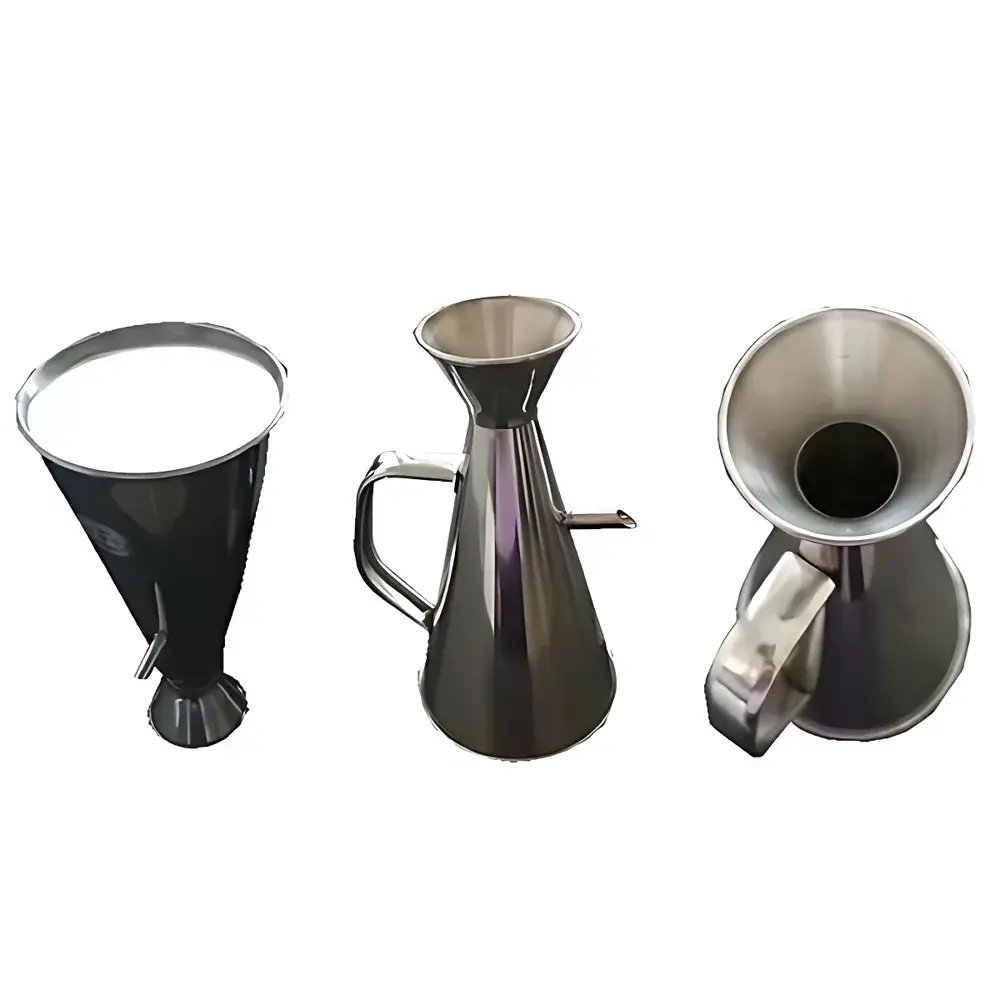
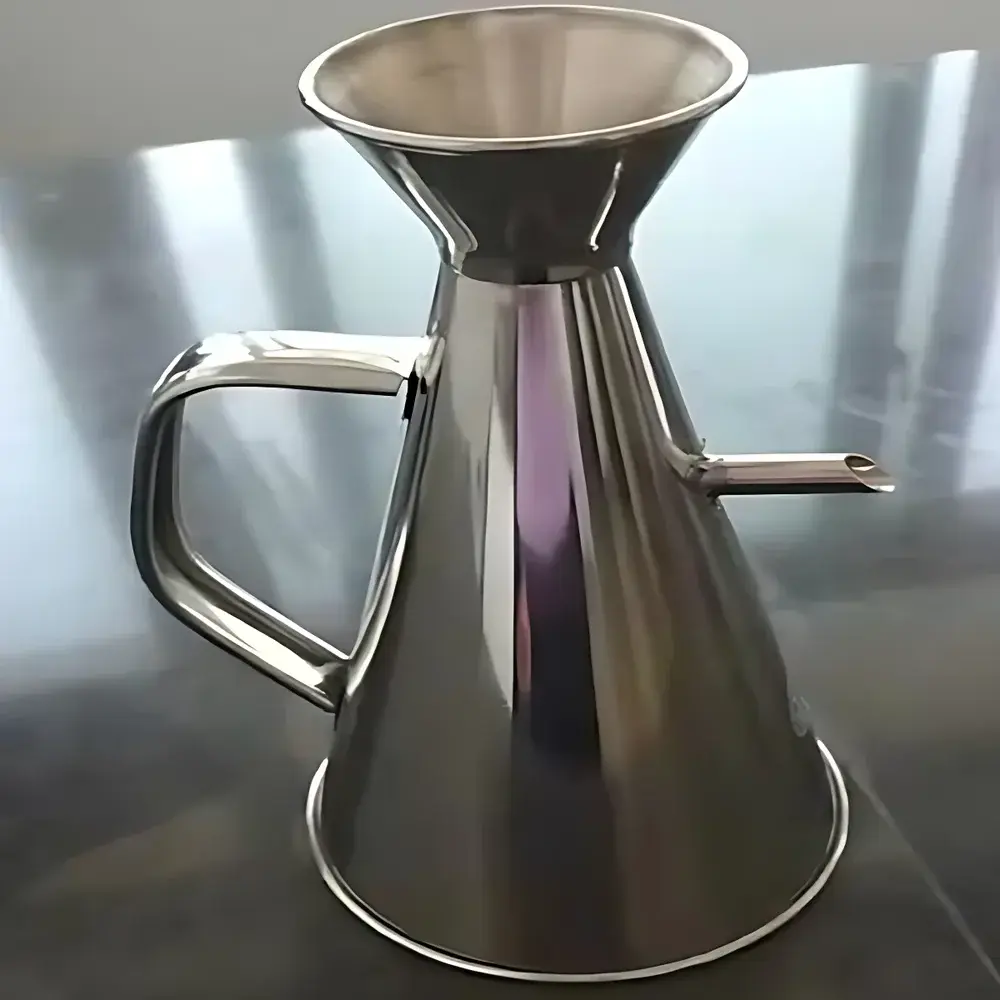
MingShen Science MDH Sampling Density Pycnometer
| Brand | MingShen Science |
|---|---|
| Origin | Henan, China |
| Manufacturer Type | Authorized Distributor |
| Country of Origin | China |
| Model | MDH |
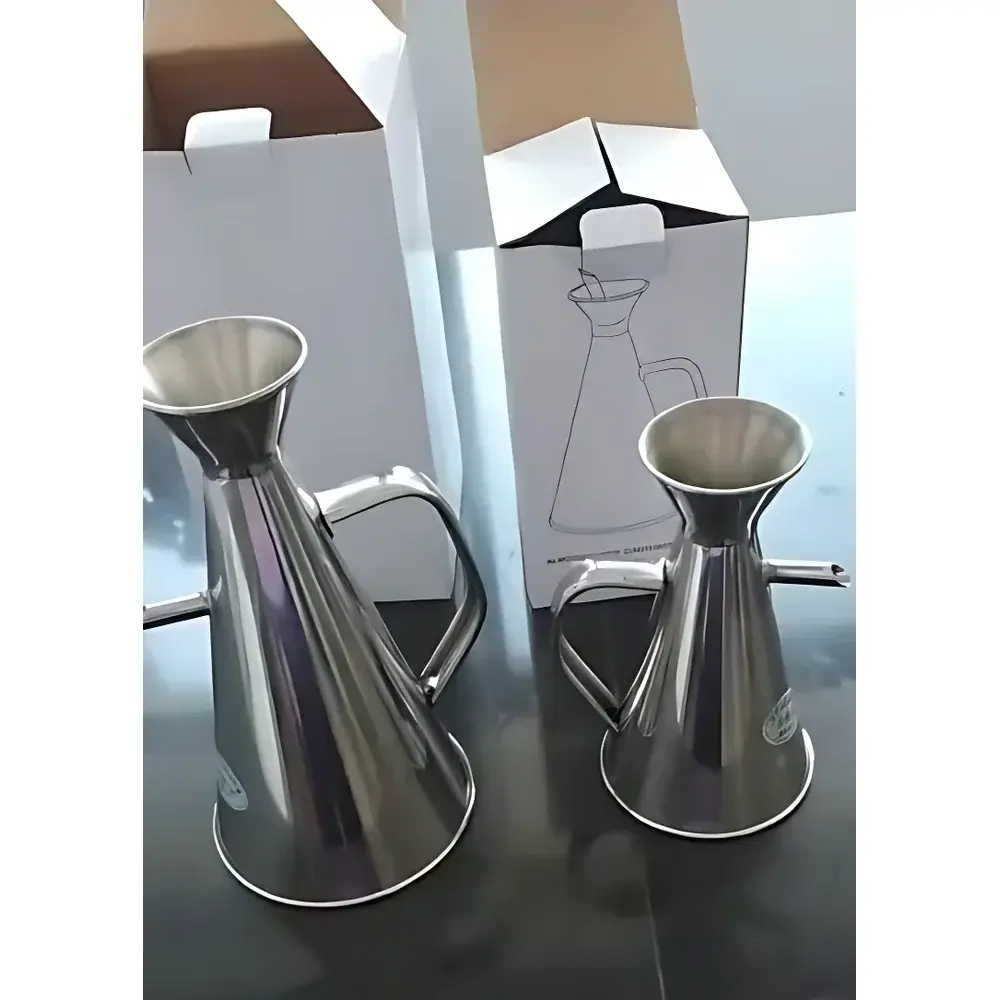
| Capacity Options | 500 mL and 1000 mL |
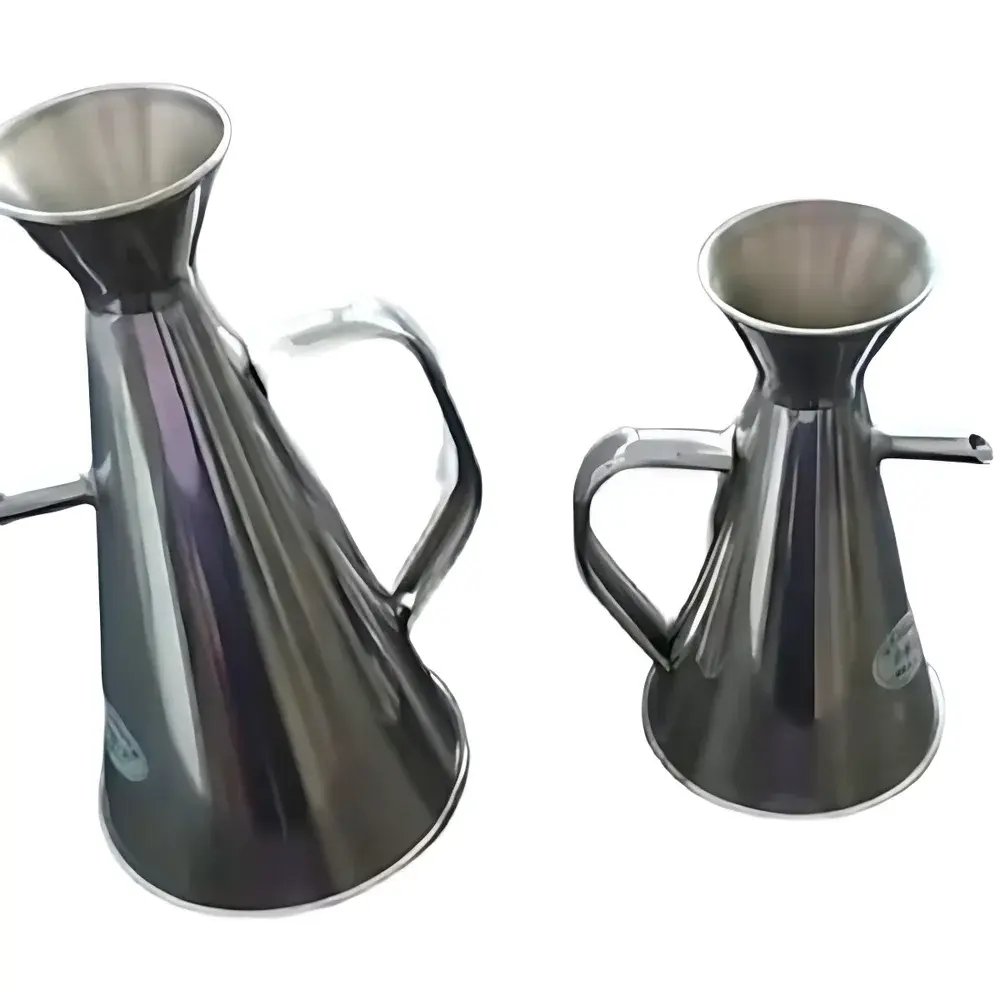
| Dimensions (500 mL) | Height 205 mm, Base Diameter 120 mm, Mass 210 g |
| Dimensions (1000 mL) | Height 250 mm, Base Diameter 145 mm, Mass 300 g |
Overview
The MingShen Science MDH Sampling Density Pycnometer is a precision-engineered volumetric instrument designed for rapid, field-deployable determination of pulp density and solids concentration in mineral processing applications. Based on the fundamental principle of mass/volume ratio measurement—where the known geometric volume of the pycnometer serves as the fixed denominator and the measured mass of slurry (pycnometer + sample) provides the numerator—the MDH enables direct calculation of weight/volume percent solids (w/v %) or specific gravity of slurries. Its robust borosilicate glass or high-density polypropylene construction (model-dependent) ensures chemical resistance to common flotation reagents, acidic leachates, and abrasive ore suspensions. Unlike digital densitometers requiring calibration fluids or temperature stabilization, the MDH operates independently of electronics, offering intrinsic traceability to SI mass and length standards via certified weighing and dimensional verification.
Key Features
- Two standardized capacity variants: 500 mL and 1000 mL—optimized for routine sampling across coarse and fine classification circuits.
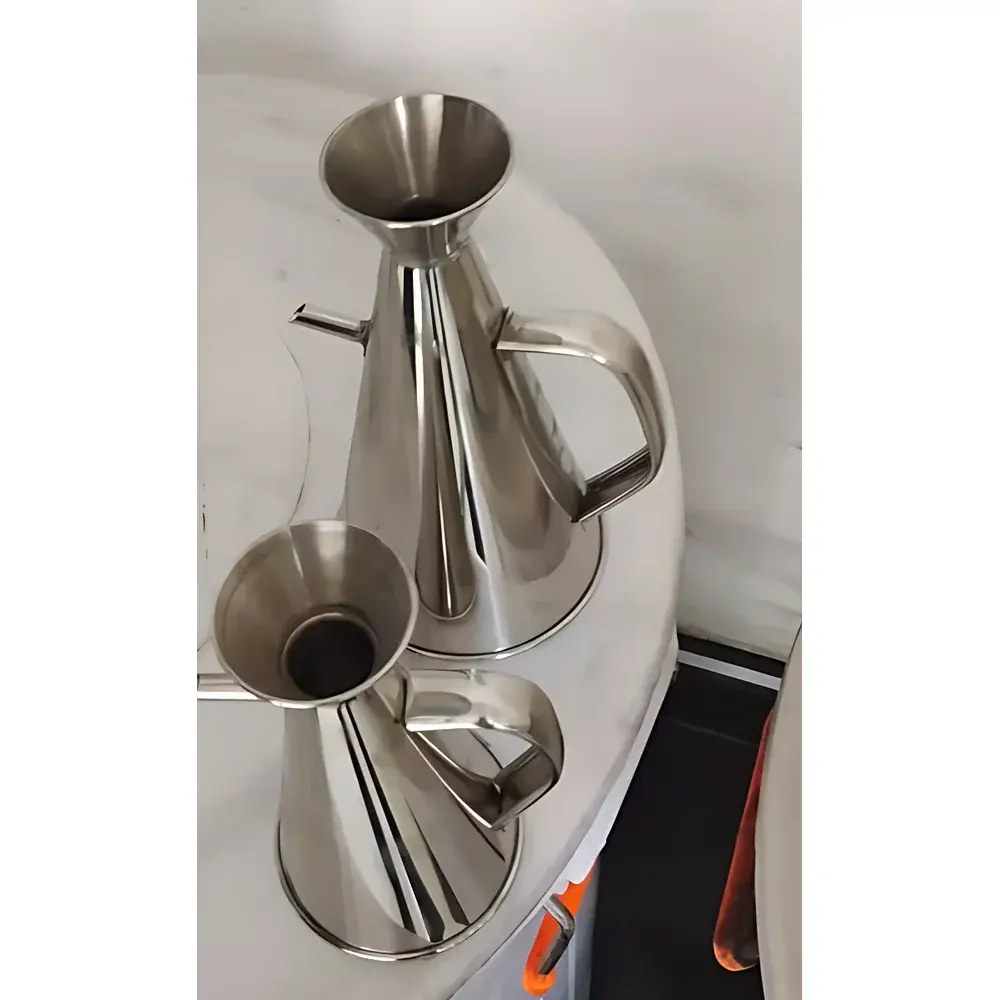
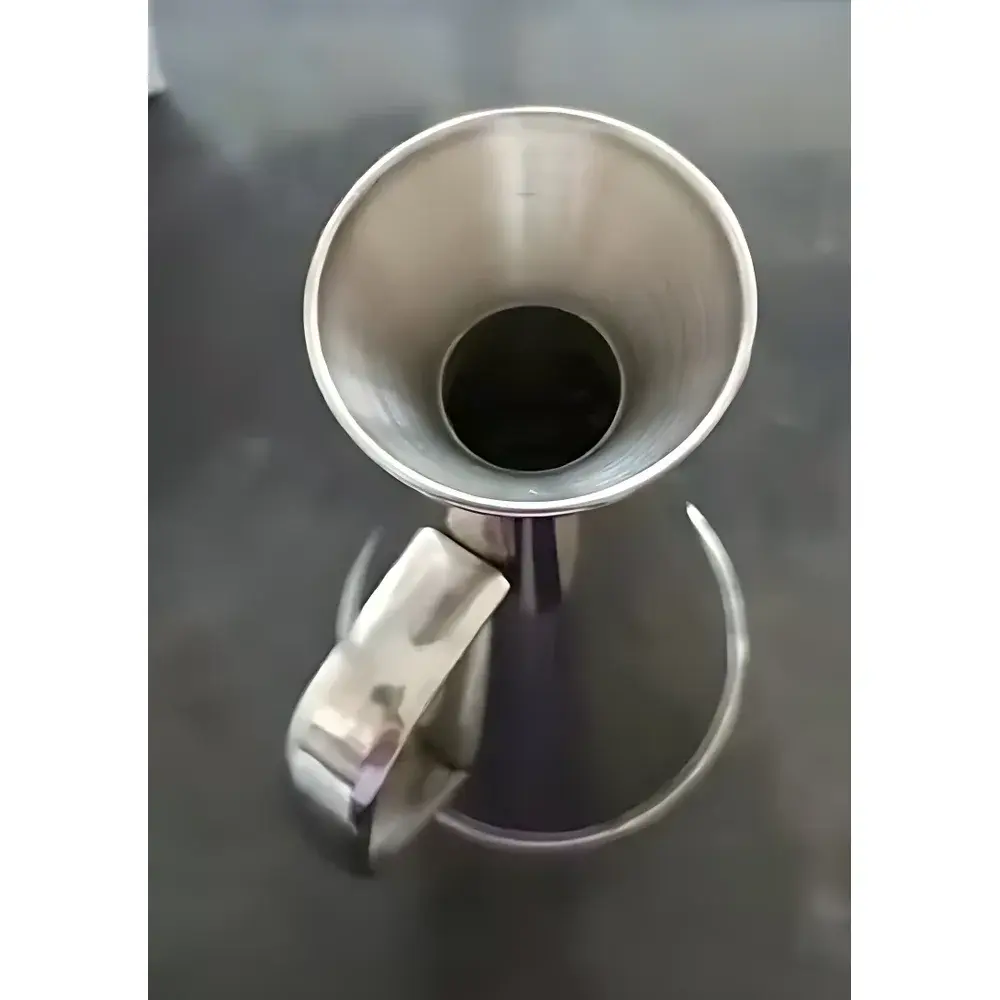
- Precision-molded geometry with calibrated overflow spout: Ensures reproducible fill-to-brim volume displacement when slurry reaches the designated overflow level, eliminating meniscus-related volumetric error.
- Stable, low-center-of-gravity base design: Minimizes tipping risk during field handling and facilitates stable placement on mechanical or analytical balances.
- Marked reference line and overflow orifice positioned at exact volumetric endpoint: Validated per ISO 787-2:2021 (General methods of test for pigments and extenders – Part 2: Determination of density).
- Lightweight yet impact-resistant construction: 500 mL unit weighs only 210 g; 1000 mL unit weighs 300 g—enabling portability without compromising dimensional stability.
- No power, no software, no consumables: Eliminates dependency on batteries, firmware updates, or sensor drift correction—ideal for remote plant sites and GLP-compliant manual QC workflows.
Sample Compatibility & Compliance
The MDH pycnometer is validated for use with aqueous mineral slurries containing solids up to 65 wt% (e.g., iron ore, copper sulfide, gold cyanidation pulps). It is compatible with standard laboratory balances meeting OIML R76 Class II or ASTM E1153 specifications (readability ≤ 0.01 g for 500 mL; ≤ 0.02 g for 1000 mL). While not an electronic instrument subject to IEC 61000 electromagnetic compatibility requirements, its passive operation supports compliance with ISO/IEC 17025:2017 Clause 6.4.1 (Equipment suitability) when used within documented SOPs. Calibration verification—performed by gravimetric water-fill method at 20 °C—aligns with USP and ISO 4787:2020 (Laboratory glassware — Volumetric instruments — Methods for testing capacity and performance).
Software & Data Management
The MDH requires no embedded software or data connectivity. Concentration calculations are performed manually using pre-tabulated reference charts (supplied with each unit) or derived via the formula: C (%) = [(Wslurry+pyc − Wempty) / V] × 100, where W is mass in grams and V is certified volume in mL. For digital integration, users may import raw mass values into LIMS or Excel-based QA/QC templates compliant with 21 CFR Part 11 audit-trail requirements—provided balance output is captured via RS-232/USB interface and metadata (operator ID, timestamp, instrument ID) is appended manually or via barcode scan.
Applications
- Routine monitoring of hydrocyclone overflow and spiral classifier effluent in concentrator plants.
- Validation of online density transmitter outputs during commissioning and periodic verification.
- Field verification of slurry rheology parameters prior to rheometer testing (e.g., Brookfield DVNext).
- Educational laboratories teaching fundamental principles of particulate suspension characterization per ASTM D2196 and ISO 11444.
- Environmental monitoring of tailings pond supernatant density for discharge compliance reporting.
FAQ
What standards does the MDH pycnometer comply with?
It conforms to dimensional and functional requirements referenced in ISO 4787:2020, ISO 787-2:2021, and ASTM D2196–23 for volumetric density determination of industrial slurries.
Can the MDH be used for non-mineral suspensions, such as ceramic slips or wastewater?
Yes—provided the suspension is homogeneous at time of filling and does not chemically attack the pycnometer material (verify compatibility with PP/glass specification sheet).
Is temperature correction required during measurement?
For quantitative accuracy exceeding ±0.2%, mass measurements should be corrected for air buoyancy and water density at actual temperature per ISO 4787 Annex B; however, for plant-level process control, ambient-temperature use is standard practice.
How often must the MDH be recalibrated?
Annual gravimetric verification is recommended; immediate revalidation is required if physical damage occurs or after exposure to thermal shock or strong oxidizers.
Does MingShen Science provide certified calibration certificates?
Upon request, NIST-traceable calibration reports (including uncertainty budget per GUM) can be issued for individual units, supporting ISO/IEC 17025 accreditation requirements.






