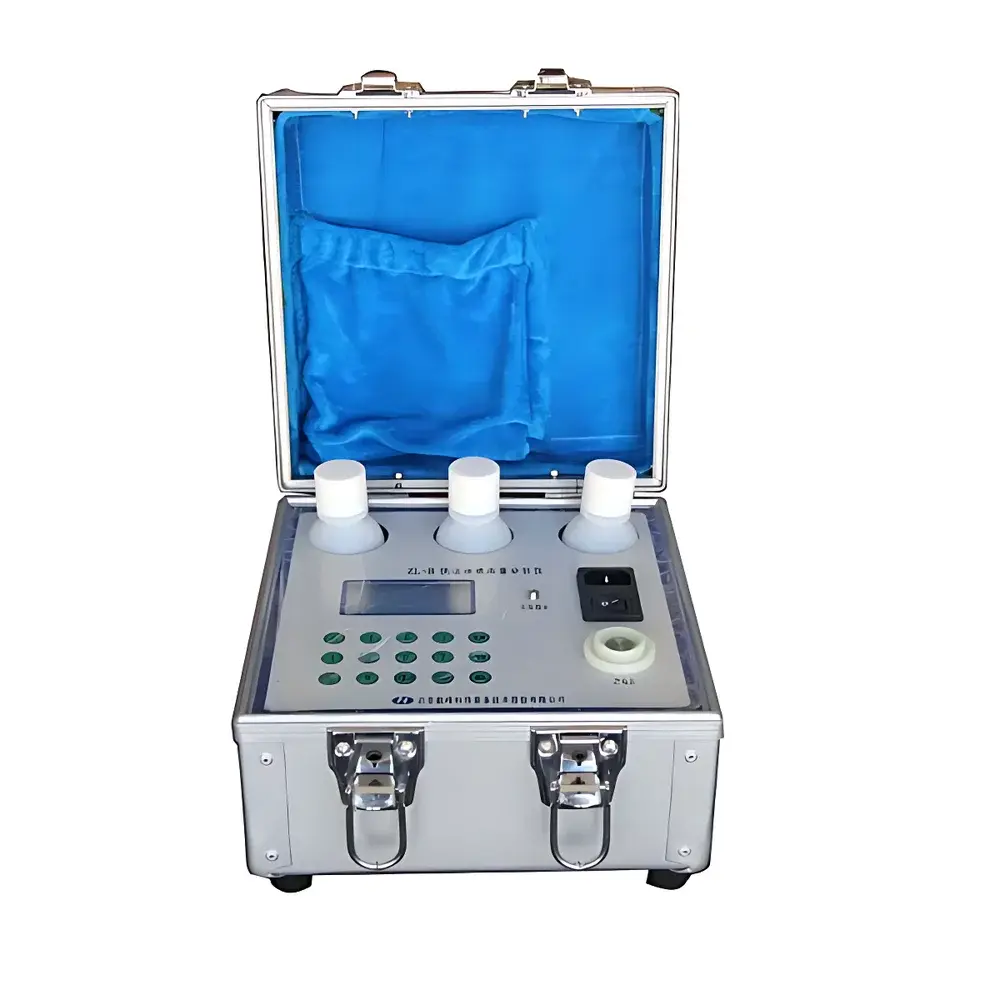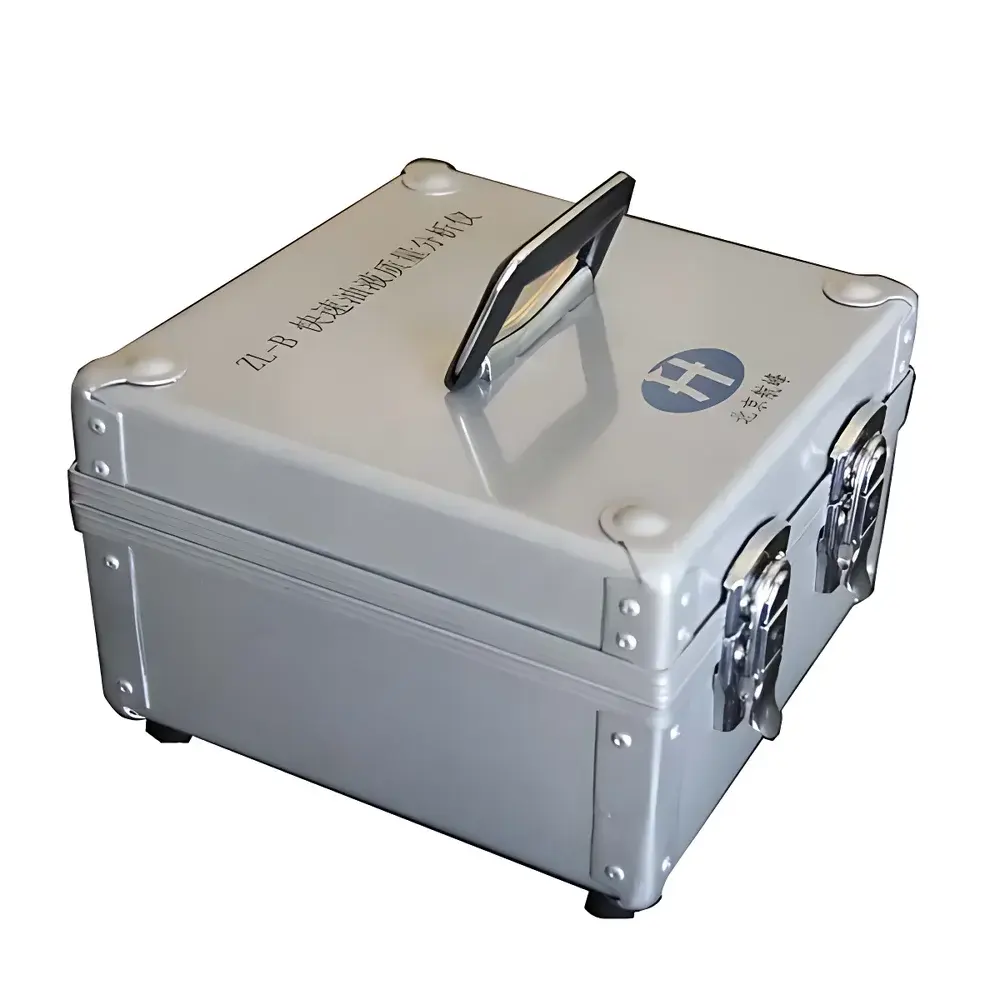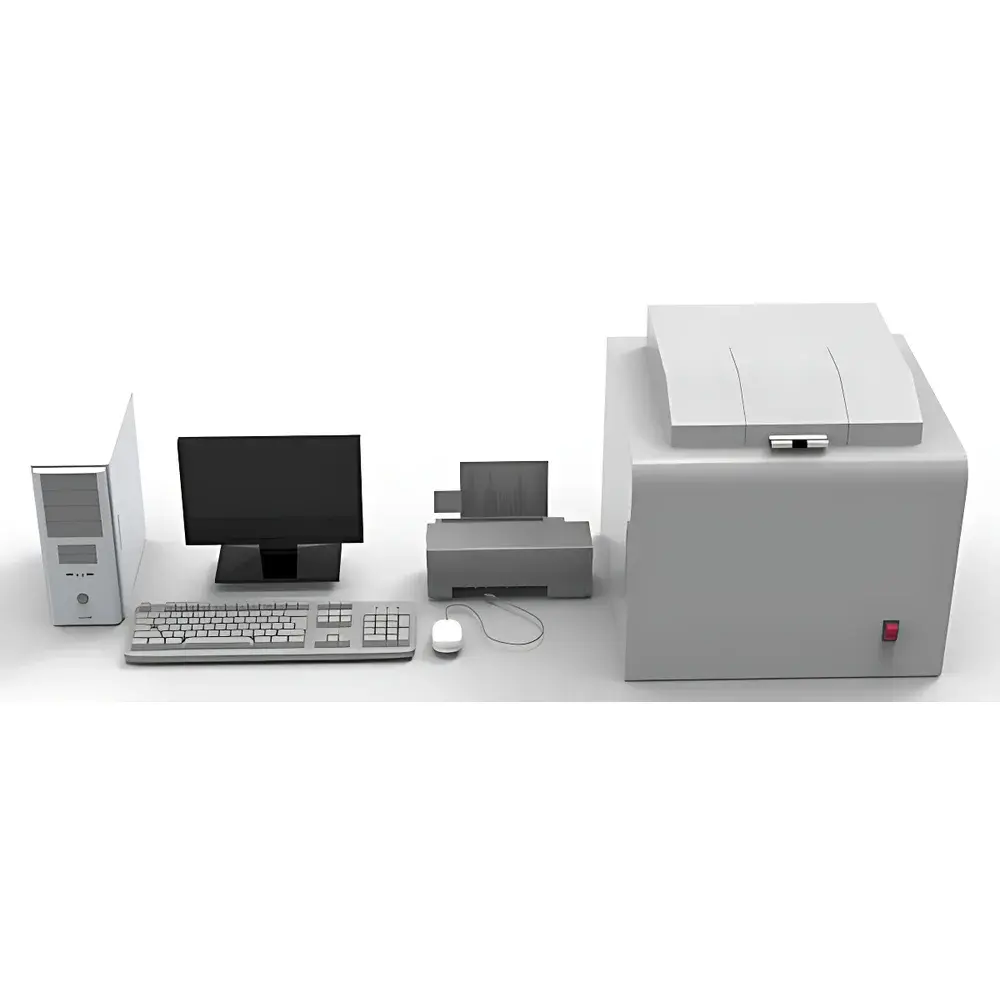
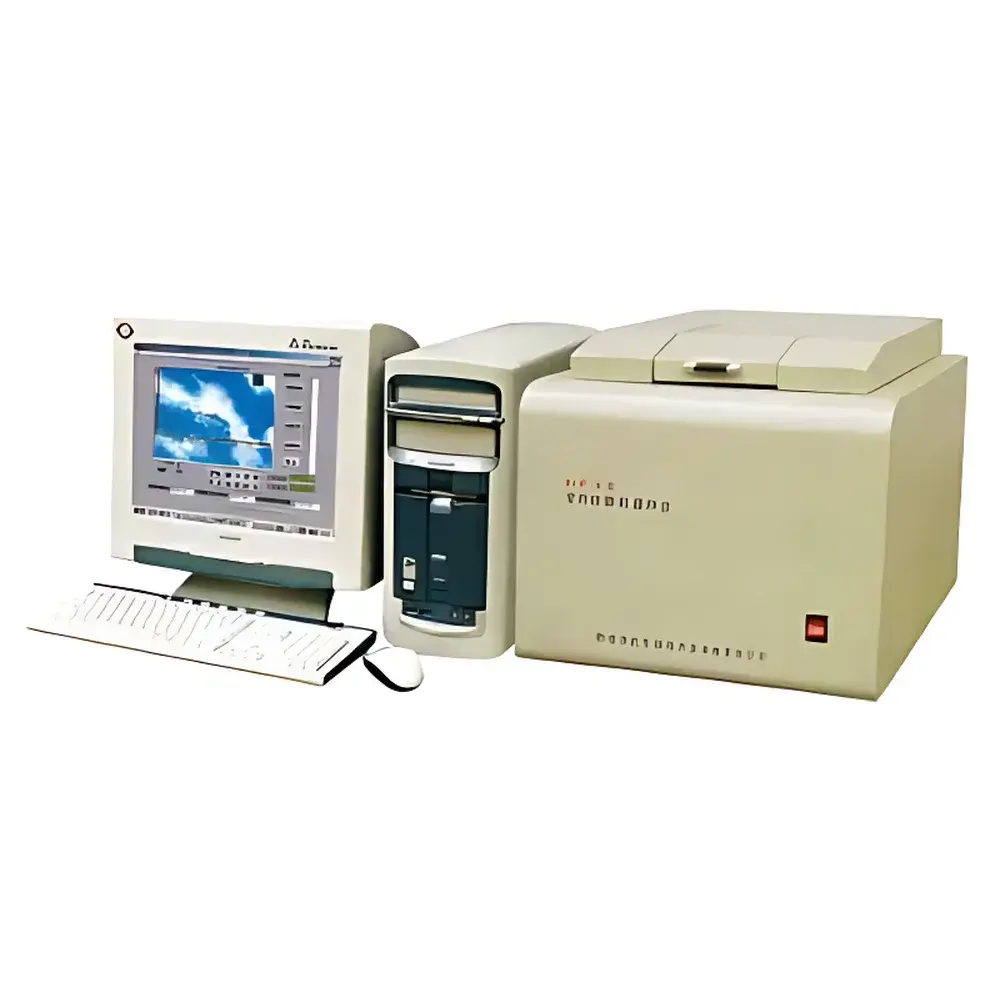
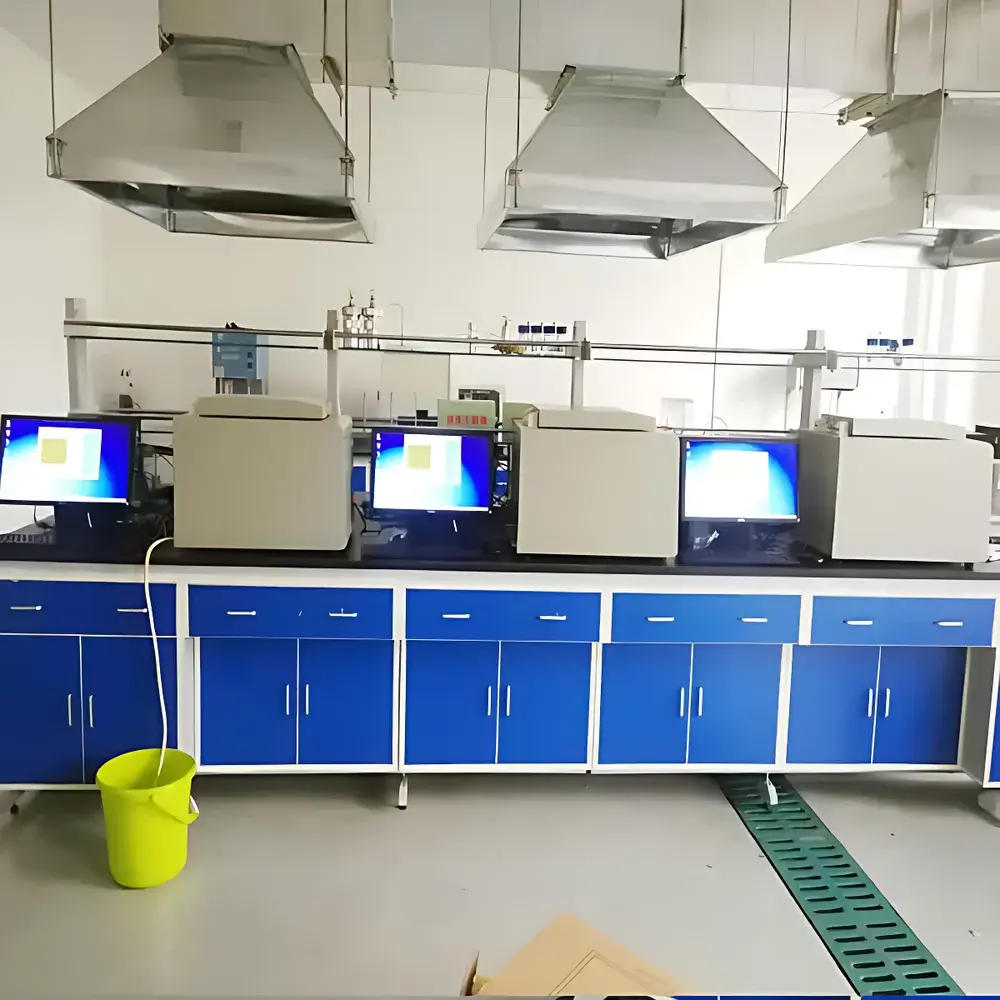
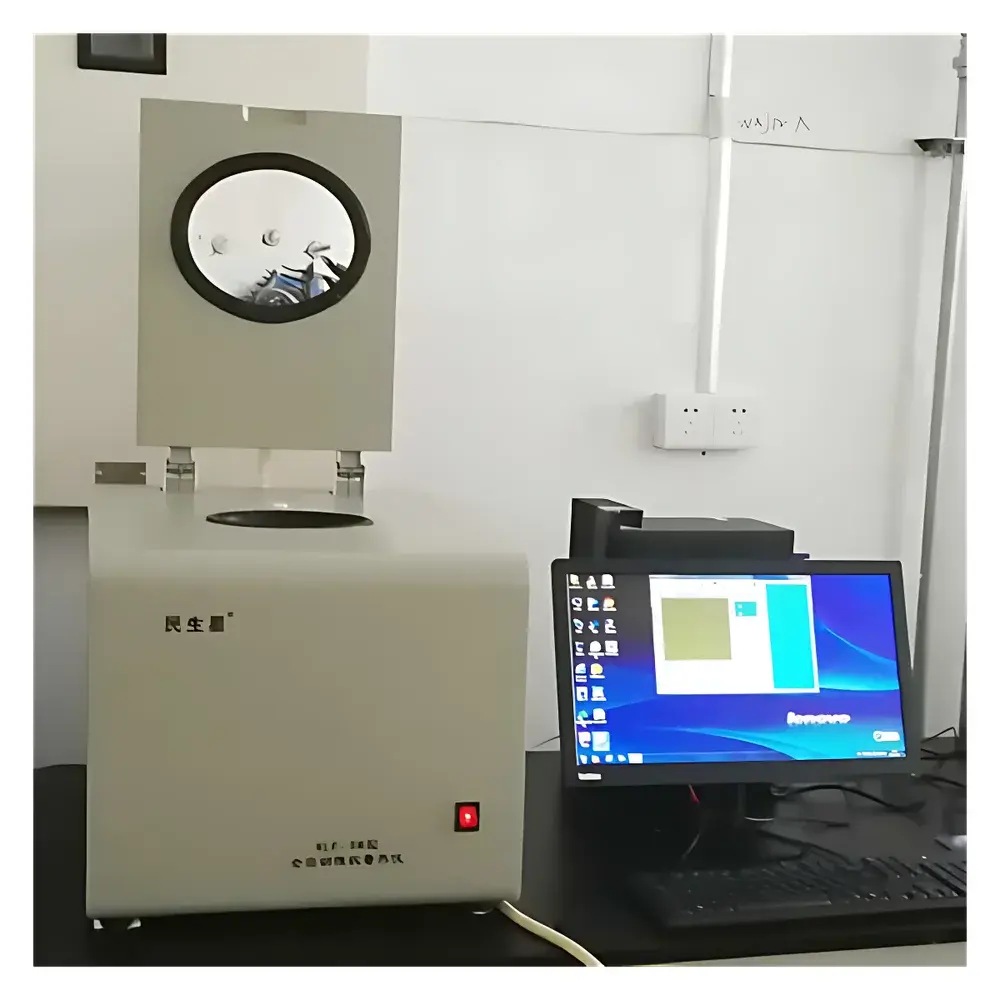
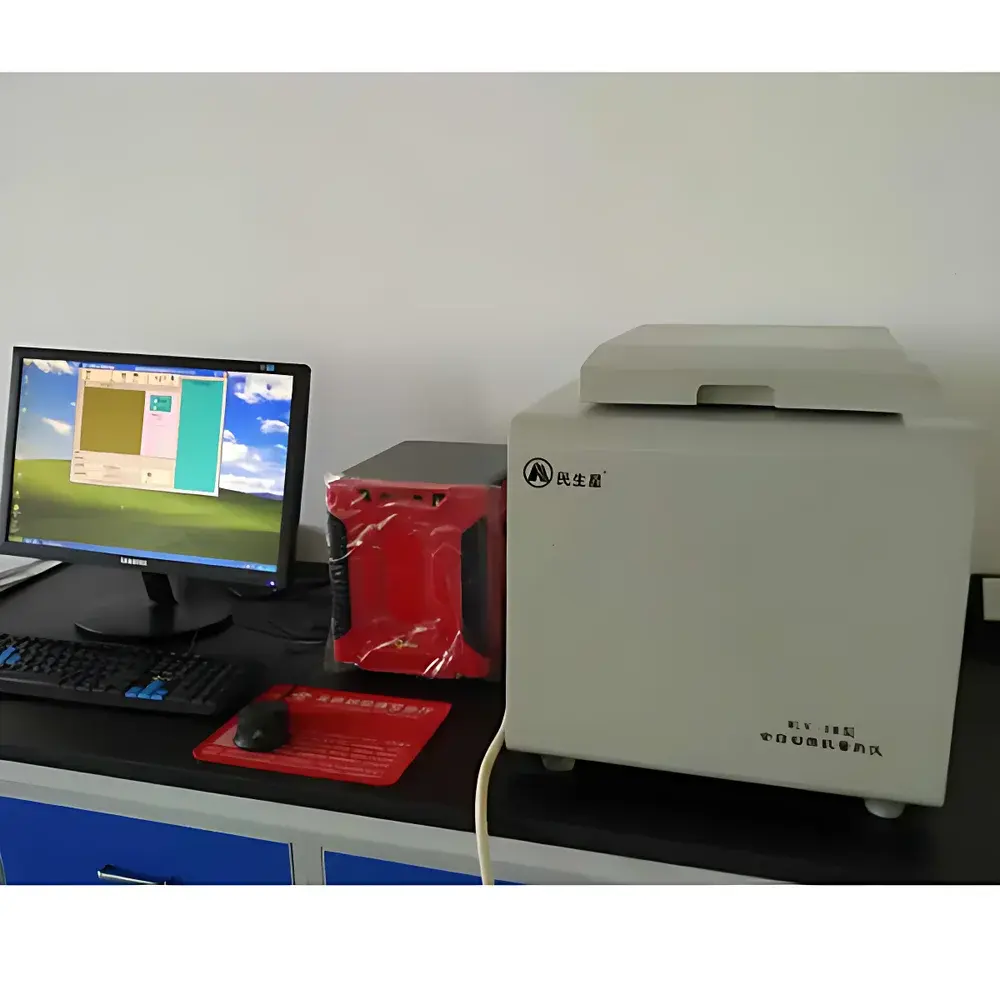
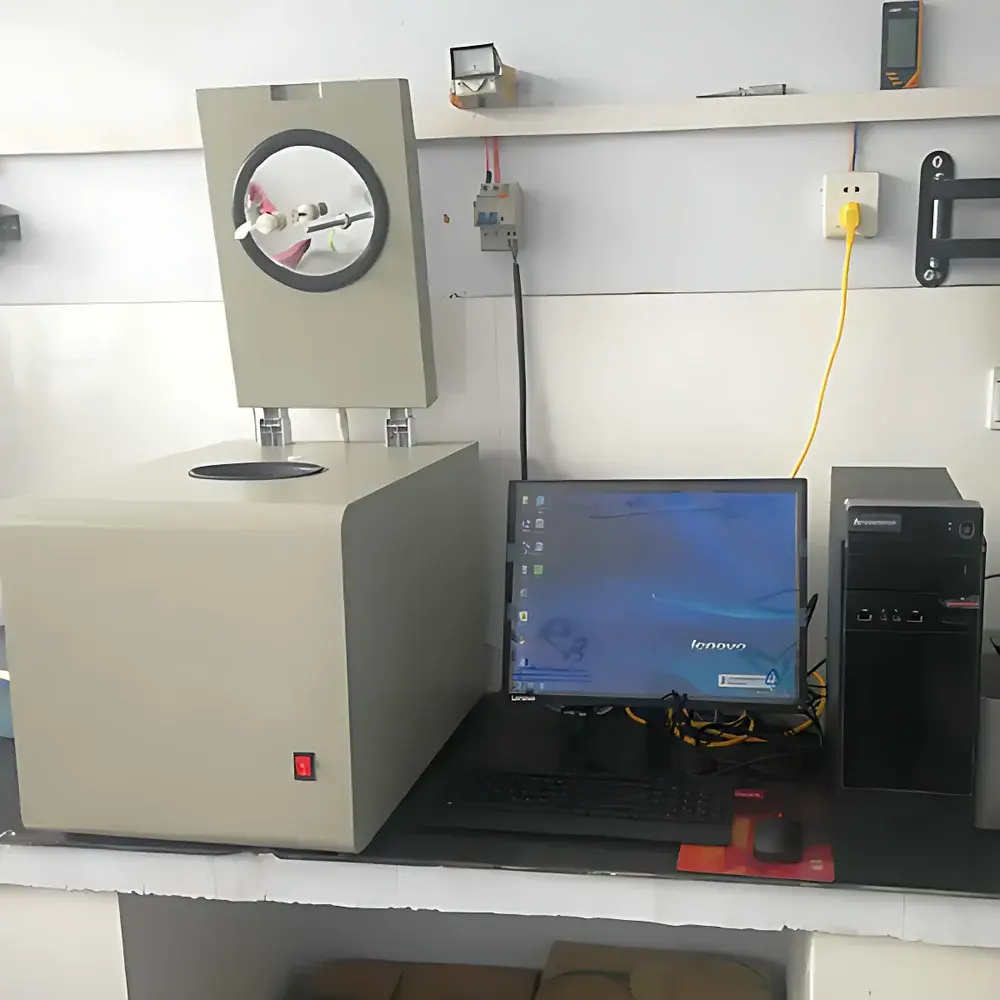
MingShen Science MLR-8W Automated Microcomputer Oxygen Bomb Calorimeter
| Brand | MingShen Science |
|---|---|
| Origin | Henan, China |
| Model | MLR-8W |
| Temperature Measurement Range | 0–65 °C |
| Temperature Resolution | 0.0001 °C |
| Sample Mass | 0.5–1.5 g |
| Heat Capacity | ~10,500 J/K |
| Outer Water Jacket Volume | ~51 L |
| Inner Water Bucket Volume | ~2.1 L |
| Ignition Voltage | 20 V |
| Ignition Duration | Programmable (3–8 s) |
| Water Quantification Accuracy | ≤ ±1 g |
| Ambient Operating Conditions | 5–40 °C, ≤30% RH (max ΔT ≤1 °C per test) |
| Power Supply | AC 220 V |
| Dimensions | 450 × 580 × 480 mm |
Overview
The MingShen Science MLR-8W Automated Microcomputer Oxygen Bomb Calorimeter is a precision instrument engineered for the accurate determination of gross calorific value (higher heating value, HHV) of solid and liquid fuels via adiabatic or near-adiabatic oxygen bomb combustion calorimetry. Based on the fundamental principle of measuring temperature rise in a thermally isolated water jacket following complete combustion of a sample under high-purity oxygen pressure (2.8–3.0 MPa), the MLR-8W complies with internationally recognized standards including ASTM D5865, ISO 1928, and GB/T 213—2008 (Chinese National Standard for Coal Calorimetry). Its core architecture integrates a robust stainless-steel oxygen bomb, dual-layer water jacket system (51 L outer + 2.1 L inner), high-stability platinum resistance thermometer (0.0001 °C resolution), and microprocessor-controlled thermal regulation—eliminating manual water-level adjustment and enabling fully automated thermal equilibration, ignition, data acquisition, and post-combustion cooling correction.
Key Features
- Fully automated operation sequence: quantitative water filling, inner-bucket temperature stabilization, oxygen pressurization (2.8–3.0 MPa), ignition timing control (3–8 s), stirrer activation, and post-test drainage—all governed by embedded firmware synchronized with Windows-based host software.
- High-resolution thermal measurement: PT100 sensor with 0.0001 °C digital resolution ensures compliance with repeatability requirements of ≤0.1% RSD for replicate coal samples (per GB/T 213).
- Dual-jacket thermal design: large-volume outer water bath (51 L) provides superior thermal inertia, minimizing ambient drift effects without requiring active external temperature control or manual inner/outer water temperature matching.
- Integrated calculation engine: automatically computes bomb calorific value (Qgr,v), then applies standardized corrections for nitric acid formation, sulfuric acid formation, and latent heat of vaporization to derive net calorific value (Qnet,v)—with optional input of ultimate analysis (H, S, M) for basis conversion (air-dried, dry, dry ash-free, as-received).
- Secure data handling: all calibration events (benzoic acid standard runs), sample tests, and parameter modifications are timestamped and logged; audit trail supports GLP-compliant laboratory documentation practices.
Sample Compatibility & Compliance
The MLR-8W is validated for use with heterogeneous solid fuels—including bituminous and anthracite coals (particle size ≤0.2 mm), coke, biomass pellets, and municipal solid waste-derived fuels—as well as liquid fuels (e.g., fuel oil, biodiesel) and organic reference materials (benzoic acid, sucrose). Sample mass range (0.5–1.5 g) accommodates variable energy density while maintaining optimal temperature rise (1.5–2.5 K) for statistical confidence. The instrument meets mechanical and electrical safety requirements per GB 4793.1 (equivalent to IEC 61010-1), and its measurement uncertainty framework aligns with ISO/IEC 17025:2017 clause 7.6. Calibration traceability is established through certified benzoic acid (NIST SRM 39j or equivalent), with recalibration recommended after every 50 tests or weekly—whichever occurs first—to maintain metrological integrity per coal testing laboratory quality management systems.
Software & Data Management
The MLR-8W operates under a dedicated Windows-based application (compatible with Windows 98–10, 32-/64-bit) featuring a graphical user interface with real-time temperature curve visualization, interactive test sequencing, and context-sensitive fault diagnostics. All raw thermal data (temperature vs. time), calculated calorific values, and operator inputs (sample ID, mass, moisture, sulfur, hydrogen) are stored in encrypted binary files (.cal) with optional export to CSV or PDF. The software enforces procedural constraints: duplicate sample IDs are blocked; benzoic acid calibrations require ≥3 valid replicates with relative standard deviation ≤0.20%; and outlier rejection follows Grubbs’ test at 95% confidence. Audit logs record user login, parameter changes, calibration actions, and test initiation—supporting regulatory readiness for ISO/IEC 17025 internal audits and national technical supervision bureau inspections.
Applications
Primary deployment domains include coal quality control laboratories in thermal power plants, coal trading enterprises, and provincial commodity inspection institutes; R&D units evaluating alternative solid fuels (e.g., torrefied biomass, refuse-derived fuel); and academic research groups conducting thermodynamic characterization of energetic materials. Secondary applications span food science (determination of metabolizable energy per Atwater factors), forensic chemistry (combustion energetics of accelerants), and geological survey labs assessing organic carbon content in sedimentary cores. The system’s ability to process up to 12 samples per day—with <8 min cycle time per test and <0.05% inter-laboratory reproducibility for certified coal reference materials—ensures throughput scalability without compromising metrological rigor.
FAQ
What standards does the MLR-8W comply with for coal calorimetry?
It conforms to GB/T 213–2008, ASTM D5865–22, and ISO 1928:2020 for gross calorific value determination.
Is the instrument suitable for non-coal samples such as biomass or waste-derived fuels?
Yes—provided samples are homogenized to ≤0.2 mm particle size and combusted quantitatively in the oxygen bomb; correction algorithms accommodate variable hydrogen and moisture content.
How often must the heat capacity be recalibrated?
At minimum once per week or after every 50 tests; immediate recalibration is required if benzoic acid test results deviate >0.2% from certified value.
Does the software support FDA 21 CFR Part 11 compliance?
While the base configuration provides electronic signatures and audit trails, full Part 11 compliance requires supplemental validation documentation and role-based access controls implemented per customer-specific SOPs.
Can the system operate unattended overnight?
No—oxygen bomb calorimetry requires manual sample loading, oxygen charging, and post-test bomb cleaning; continuous supervision during ignition and pressure release is mandatory for safety.