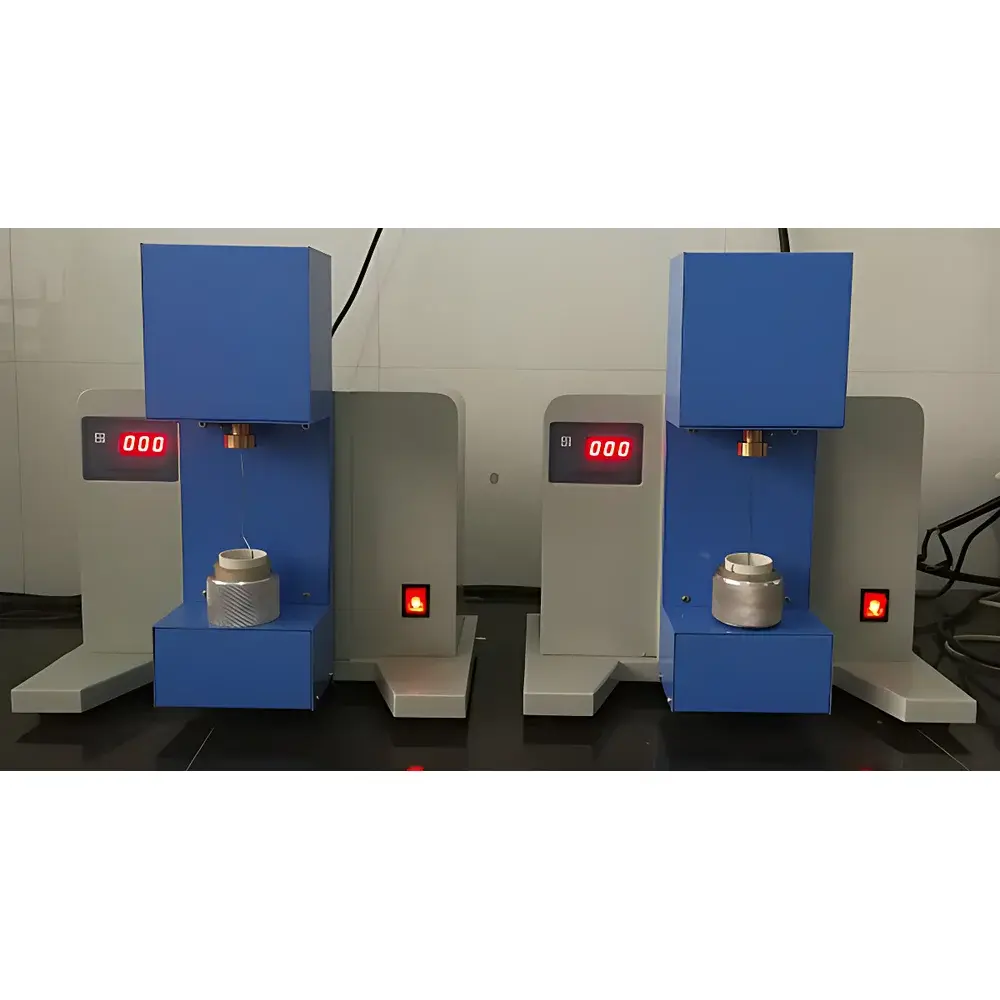
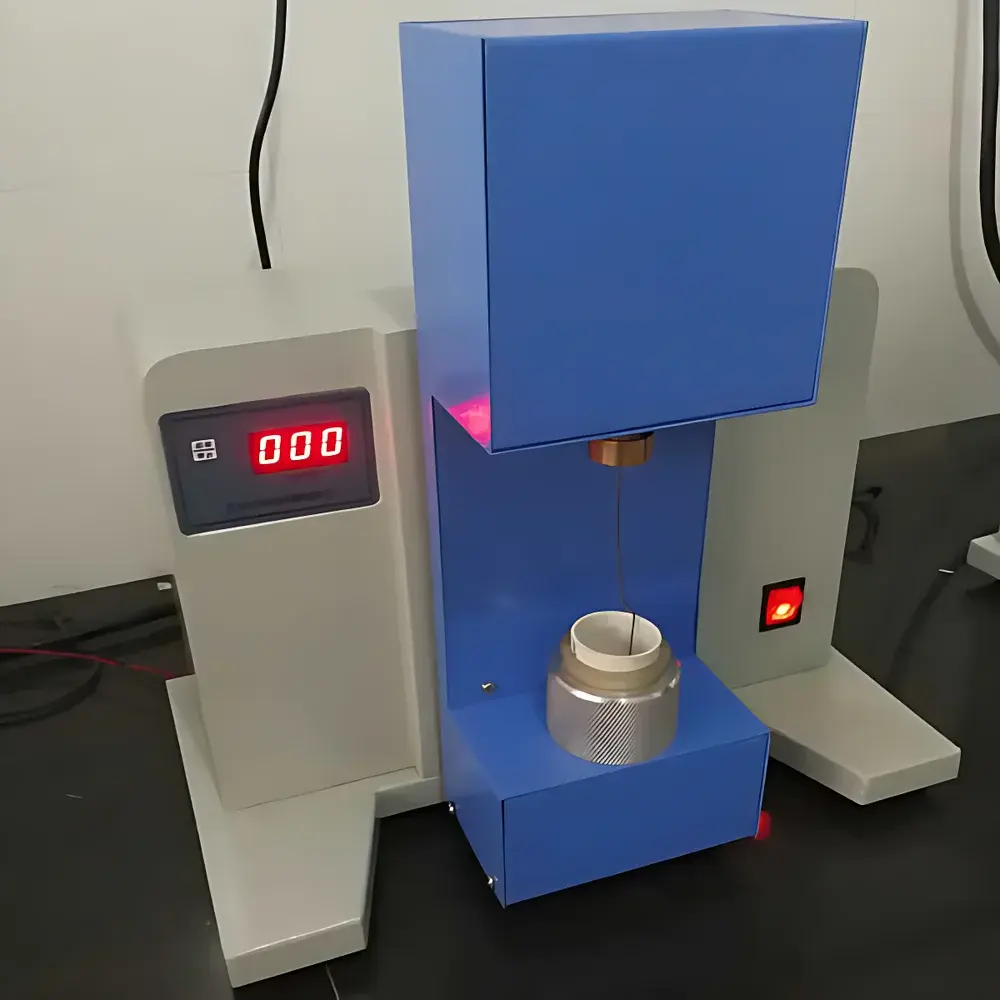
MingShen Science NJJB-1 Automated Single-Crucible Caking Index Stirrer
| Brand | MingShen Science |
|---|---|
| Origin | Henan, China |
| Manufacturer Type | Authorized Distributor |
| Country of Manufacture | China |
| Model | NJJB-1 |
| Price | USD 260 (approx.) |
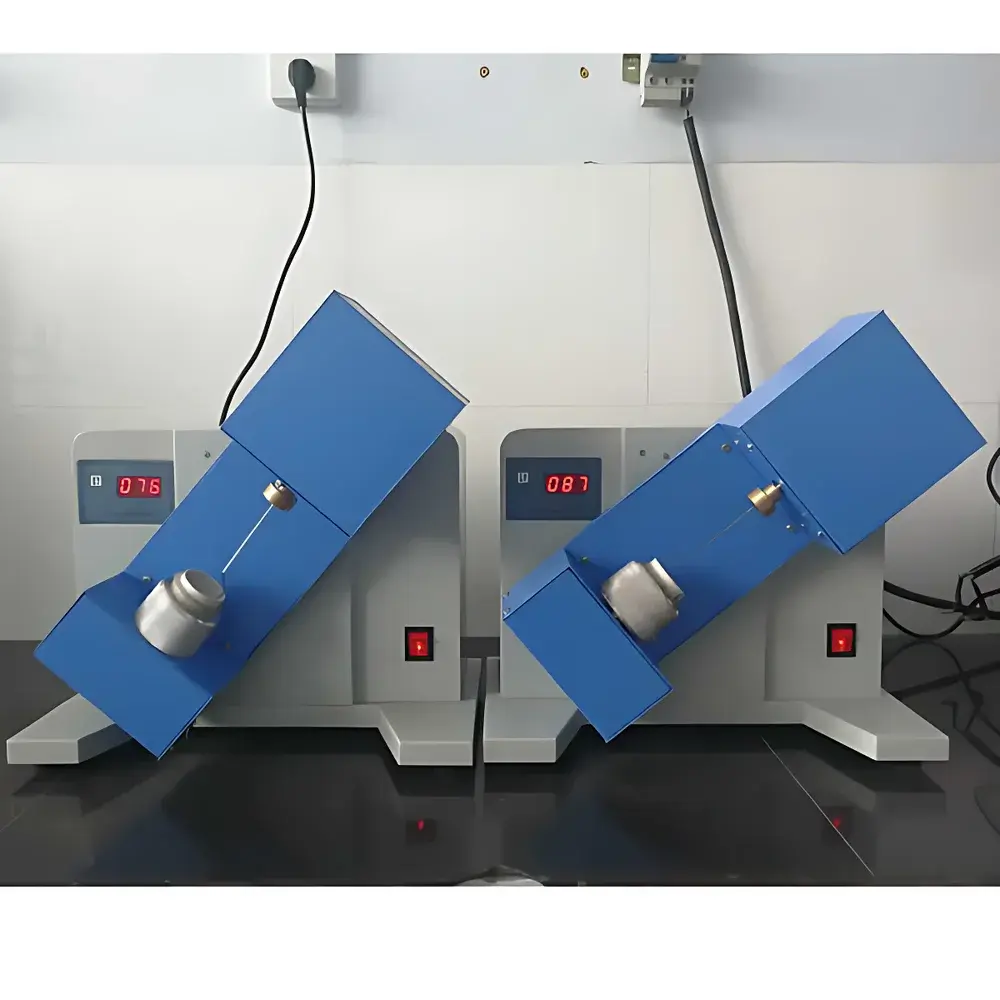
| Crucible Tilt Angle | 45° |
| Crucible Rotation Speed | 15 rpm |
| Stirring Rod Speed | 150 rpm |
| 45° Stirring Duration | 105 s |
| Tilt-to-Vertical Transition Time | 15 s |
| Display | LED Digital Display |
Overview
The MingShen Science NJJB-1 Automated Single-Crucible Caking Index Stirrer is a precision-engineered laboratory instrument designed specifically for standardized caking index (G-value) and Roga index (R.I.) determinations in coal quality analysis. It operates on the principle of controlled mechanical agitation under defined geometric and kinematic conditions—namely, synchronized crucible rotation and high-speed vertical stirring—to ensure reproducible physical mixing of finely ground bituminous coal with coarse inert anthracite particles. This process directly implements the core mechanical requirements specified in GB/T 5447–2014 (Determination of Caking Index of Bituminous Coal) and GB/T 5449–2015 (Determination of Roga Index of Bituminous Coal), both of which are nationally accredited Chinese standards aligned with international coal testing practices. The NJJB-1 replicates the manual stirring protocol described in these standards—but with deterministic repeatability, eliminating operator-induced variability in tilt angle, rotational timing, and rod immersion depth. Its rigid mechanical architecture ensures consistent torque transmission and positional fidelity across thousands of cycles, supporting long-term compliance with ISO/IEC 17025-accredited laboratory quality systems.
Key Features
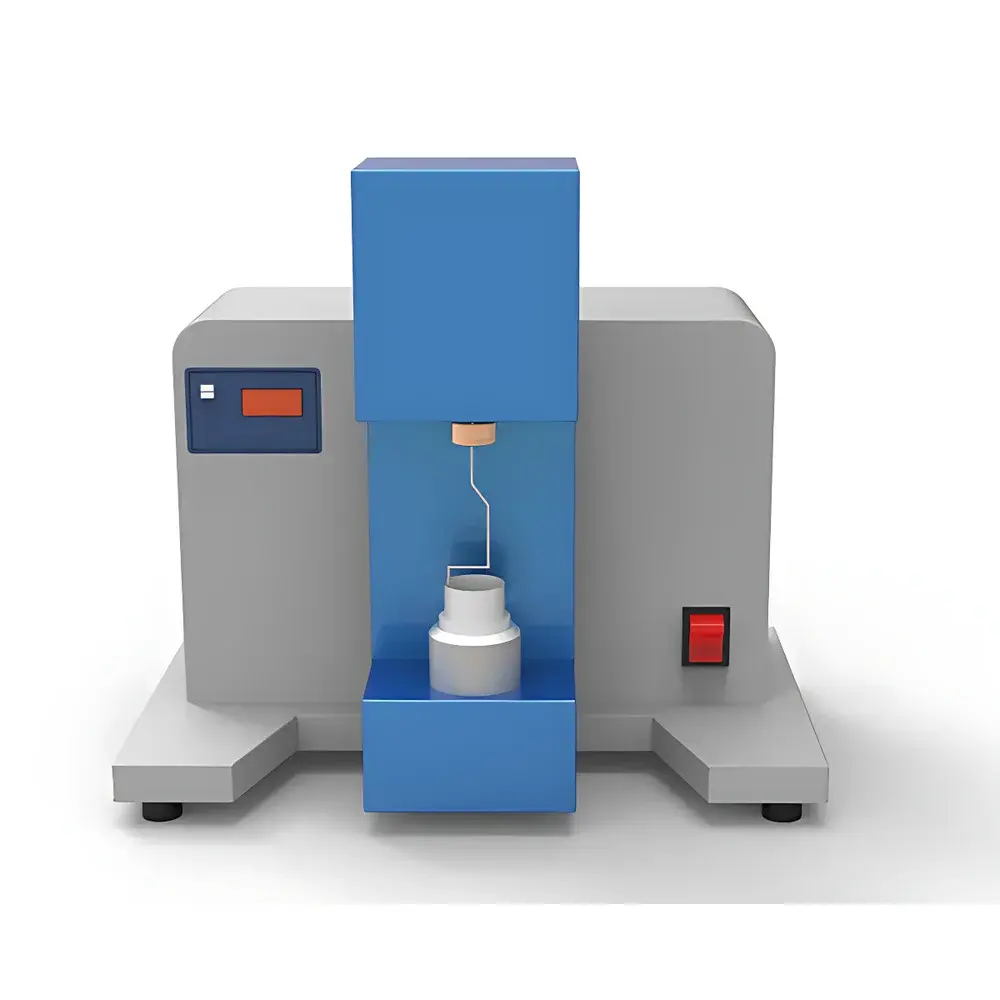
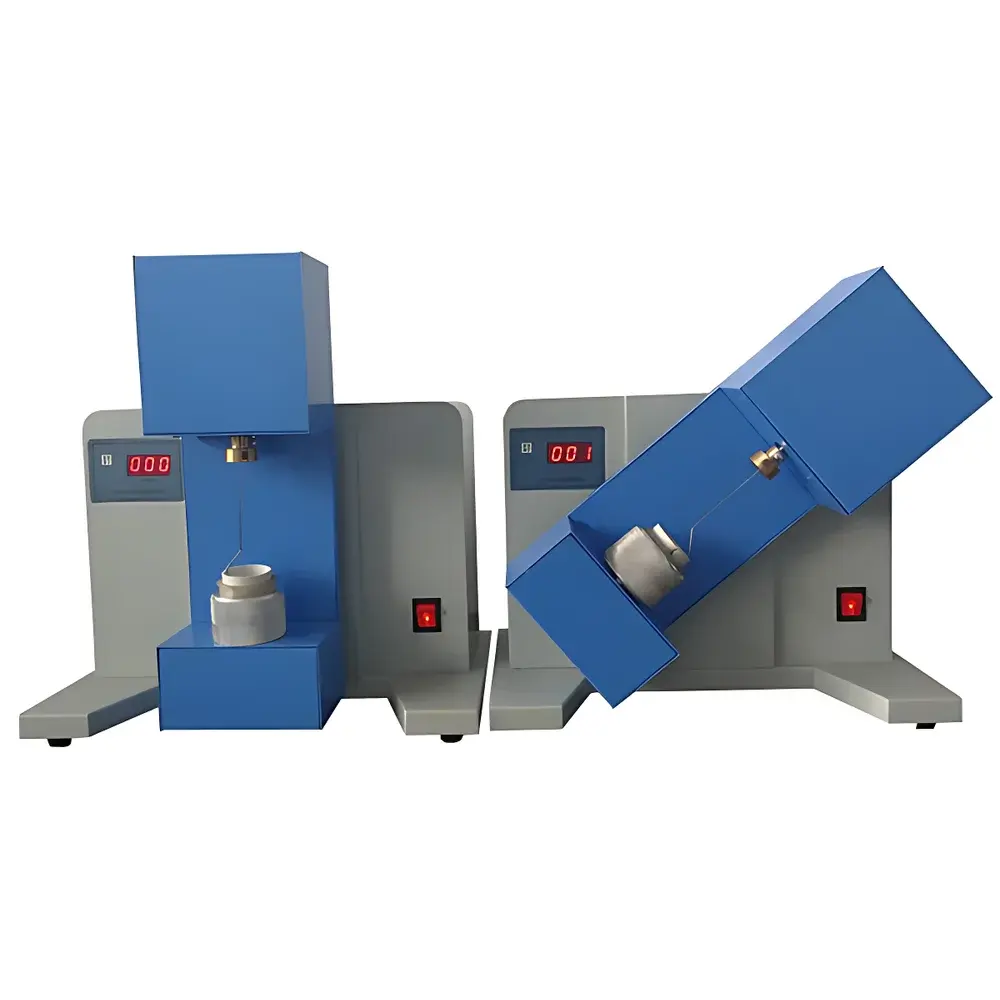
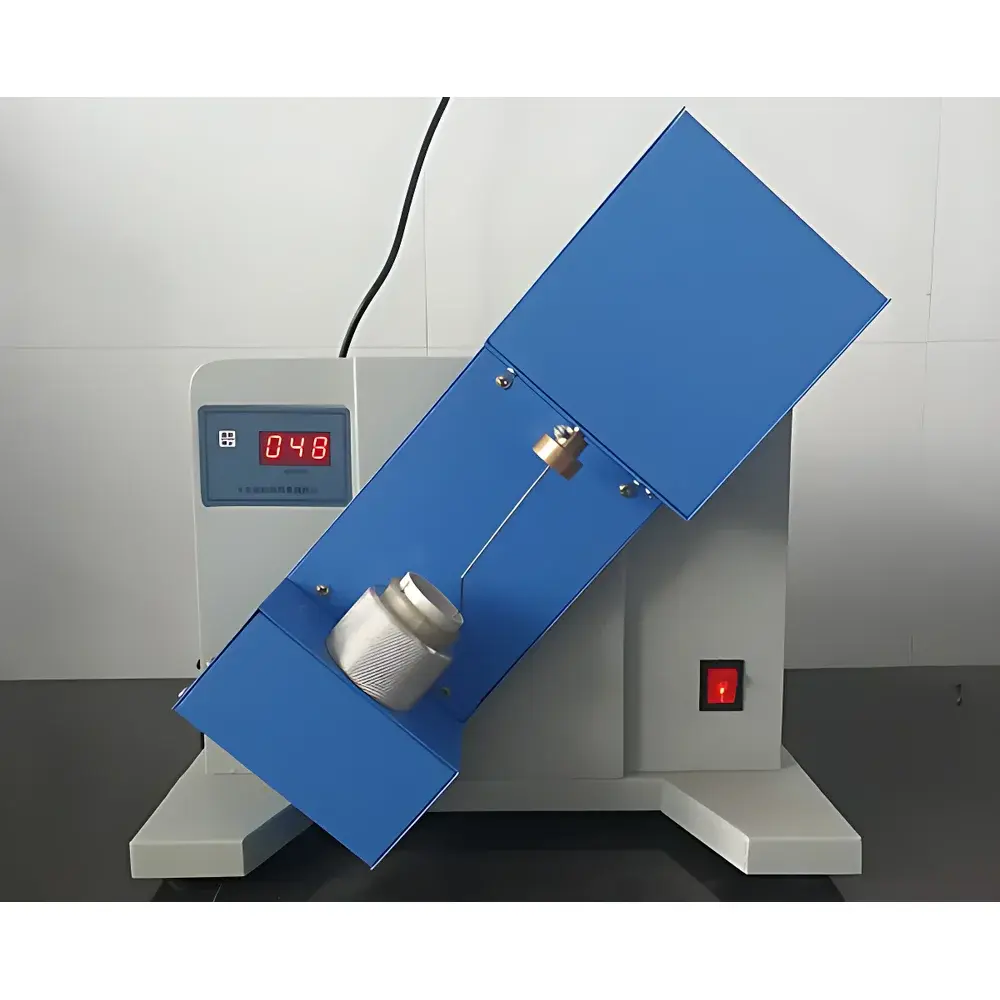
- Fixed 45° crucible tilt angle maintained via precision-machined support arm and locking mechanism—ensuring compliance with GB/T 5447–2014 Section 6.3.
- Independent dual-motor drive system: one motor controls crucible rotation at precisely 15 ± 0.2 rpm; the other drives the stainless-steel stirring rod at 150 ± 2 rpm—both speeds verified via optical tachometric calibration.
- Automated sequence control: 105-second stirring phase at 45° tilt followed by a 15-second controlled reorientation to vertical position—programmed with microsecond-level timer resolution and non-volatile memory retention.
- Digital LED display provides real-time status feedback including elapsed time, active phase indicator (tilt/stir/return), and error codes for abnormal load or timeout events.
- Crucible retention system features quick-release cam-lock clamping with calibrated torque stop—compatible with standard 18 mm ID × 33 mm height porcelain crucibles per GB/T 5447 Annex A.
- Stirring wire positioning guide ensures repeatable insertion depth and radial alignment relative to crucible centerline—critical for uniform particle coating and minimizing edge effects.
Sample Compatibility & Compliance
The NJJB-1 is validated for use with coal samples conforming to GB/T 211–2017 (Coal—Determination of Total Moisture) and GB/T 212–2008 (Coal—Determination of Proximate Analysis). It accommodates nominal sample masses of 1.00 g ± 0.01 g bituminous coal and 5.00 g ± 0.02 g anthracite (as specified in GB/T 5447–2014 Clause 5.1). All mechanical motions—including angular displacement, rotational velocity, and dwell timing—fall within the tolerance limits required for GLP-compliant coal testing laboratories. While the instrument itself does not bear CE or UL certification, its operational parameters fully satisfy the metrological traceability and procedural rigor expected in laboratories seeking CNAS (China National Accreditation Service) accreditation or preparing for third-party audits under ISO/IEC 17025:2017.
Software & Data Management
The NJJB-1 operates as a standalone electromechanical unit without embedded software or data export capability. All operational logic is implemented in hardened firmware on an industrial-grade microcontroller (ARM Cortex-M4), ensuring immunity to PC-based OS instability or driver conflicts. Timing sequences are stored in EEPROM with write-cycle endurance exceeding 100,000 cycles. For laboratories requiring electronic recordkeeping, the device supports external documentation via time-stamped video recording (e.g., using lab-grade USB cameras mounted on fixed brackets) or manual entry into LIMS-compatible spreadsheets. No firmware updates are provided; however, calibration logs and maintenance records—including motor performance verification and tilt-angle verification using digital inclinometer (±0.1° accuracy)—must be retained per internal QA procedures.
Applications
- Routine determination of G-value (caking index) for coal blending optimization in coke oven battery operations.
- Quality control screening of incoming coal shipments against contractual G-value specifications (e.g., G ≥ 75 for metallurgical coal).
- Research-scale evaluation of thermal plasticity behavior during early-stage coal pyrolysis simulation.
- Interlaboratory comparison studies where mechanical stirring consistency is a critical variable (e.g., ASTM D3176–22 inter-lab round robins).
- Training platform for new analysts learning standardized coal testing protocols under supervised GLP conditions.
FAQ
Does the NJJB-1 comply with ASTM or ISO standards?
It implements test mechanics aligned with GB/T 5447–2014 and GB/T 5449–2015, which are technically equivalent to ISO 398–1978 (withdrawn) and referenced in ASTM D3176–22 Annex A for comparative methodology. Direct conformance claims require local validation per ASTM E2655–20.
Can the stirring sequence be modified?
No—the timing, angles, and speeds are hard-coded to match mandatory clauses in GB/T 5447–2014 and cannot be altered without compromising standard compliance.
What maintenance is required?
Monthly inspection of stir rod tip wear, quarterly lubrication of crucible bearing assembly with food-grade silicone grease, and annual verification of tilt angle and rotational speed using certified metrology tools.
Is the instrument suitable for hazardous area use?
No—it is rated for general laboratory environments only (IEC 61010-1 Class II, Pollution Degree 2) and must be operated outside explosion-proof zones.
How is calibration performed?
Calibration consists of independent verification of tilt angle (digital inclinometer), crucible rpm (non-contact optical tachometer), and stirring duration (traceable stopwatch); no user-adjustable calibration offsets are available.