
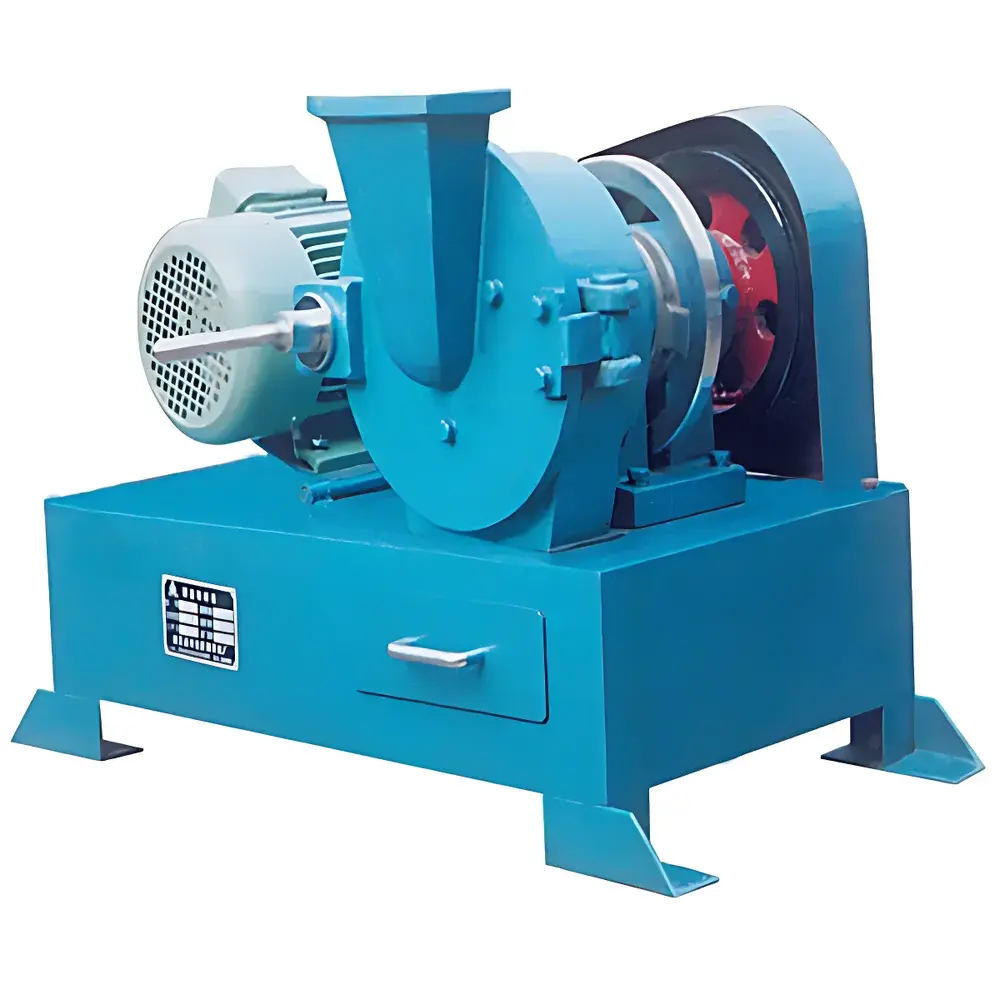
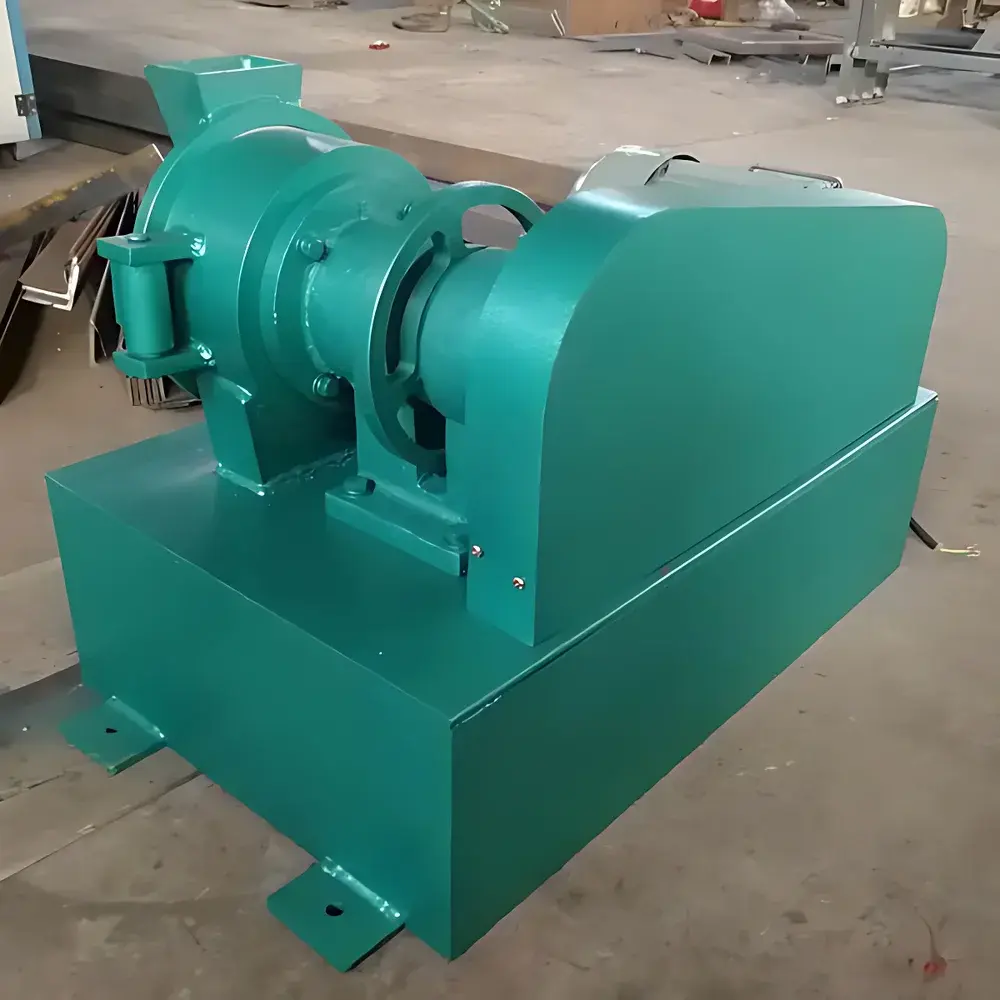
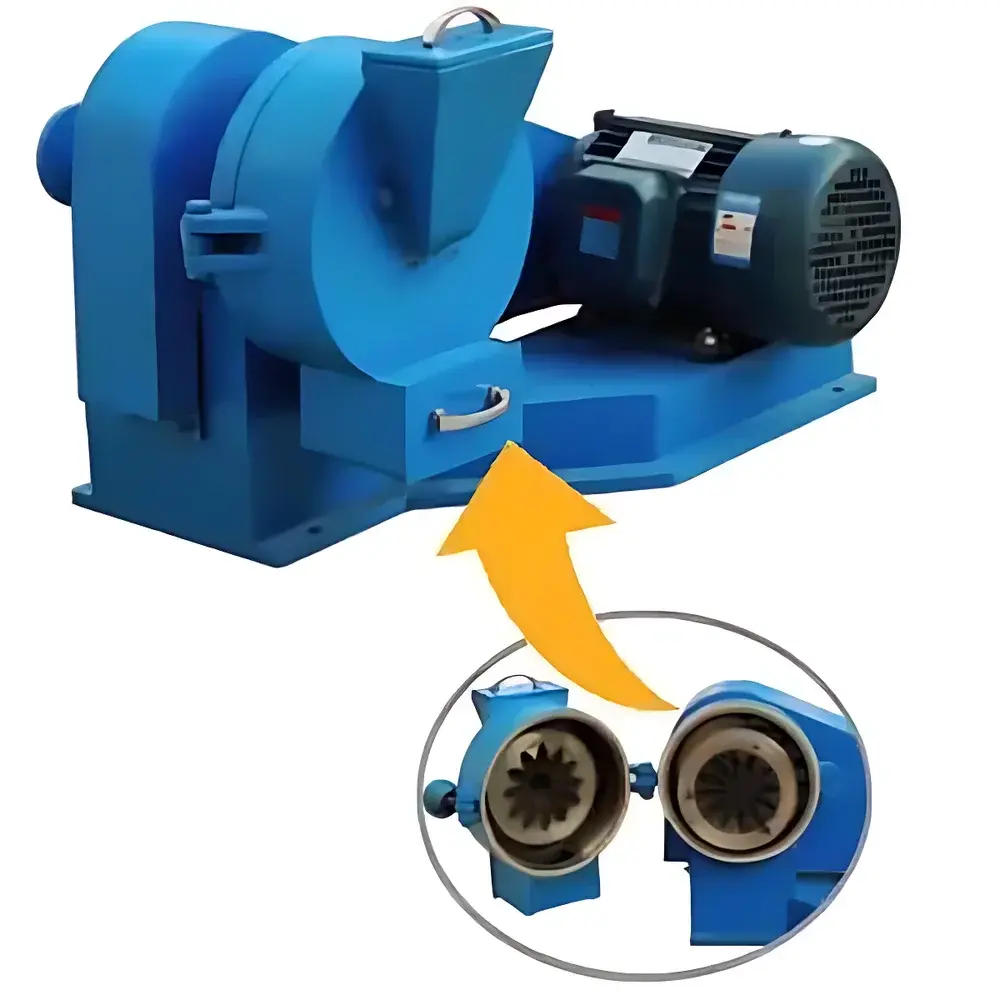
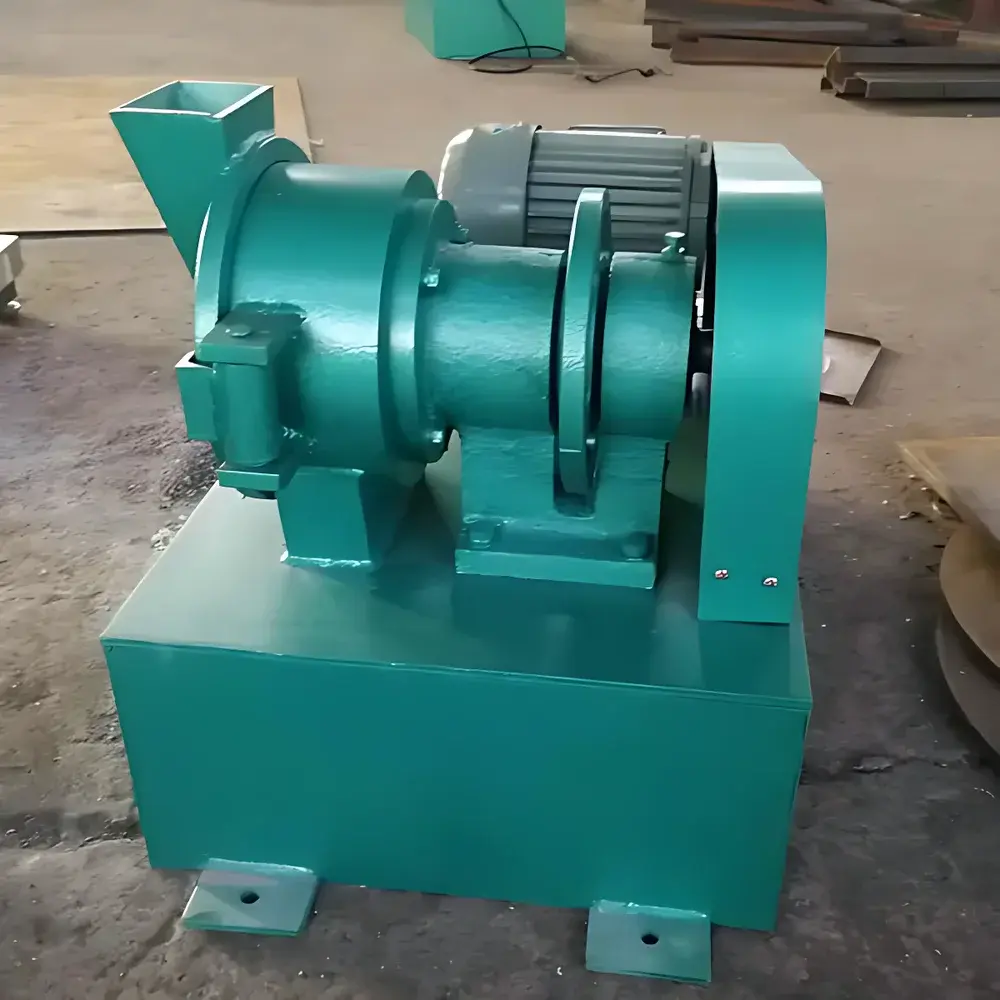
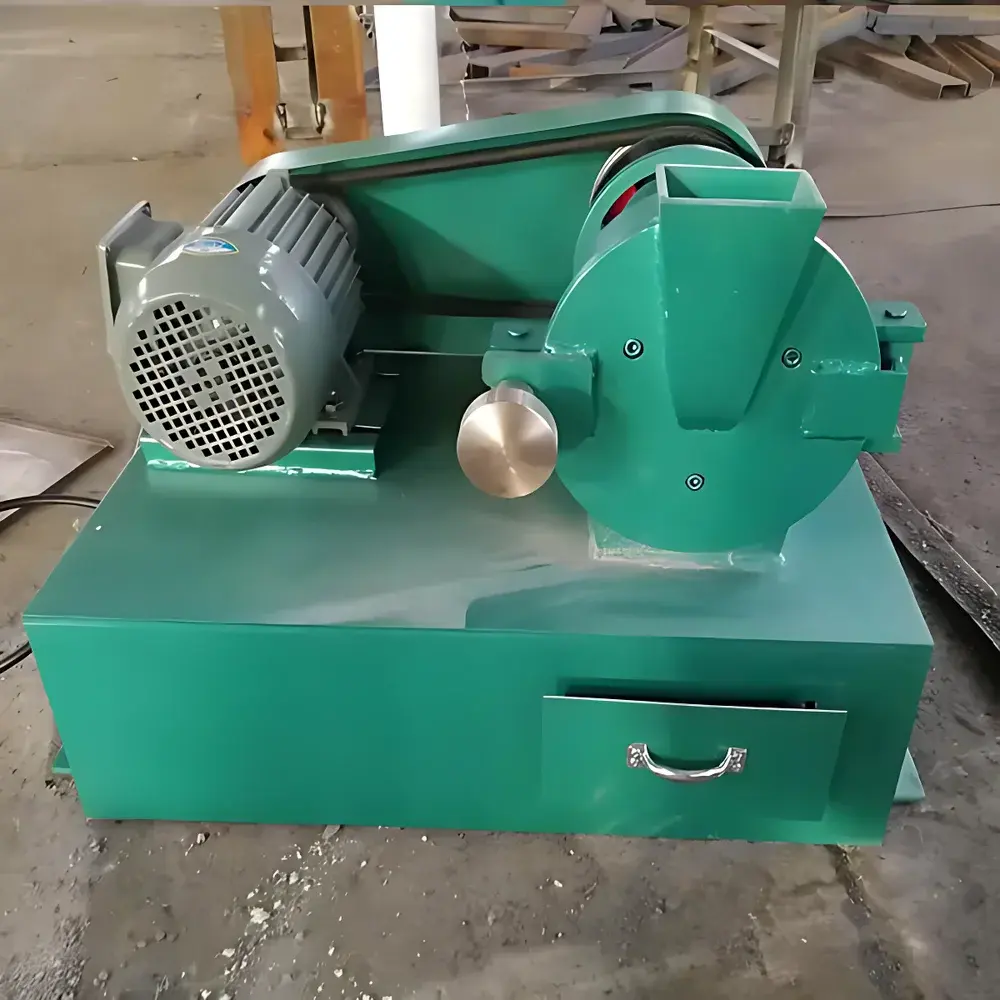
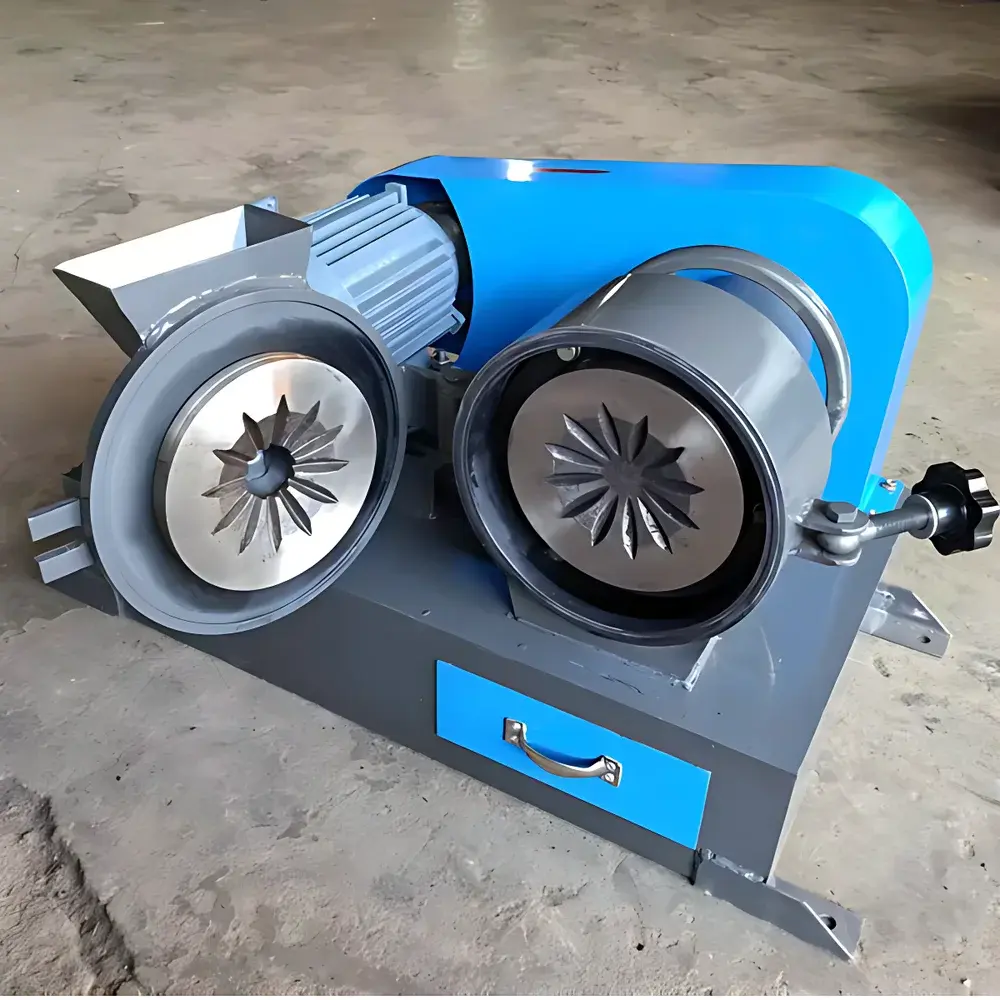
MingShen Science PF-175 Disc Sample Crusher
| Brand | MingShen Science |
|---|---|
| Origin | Henan, China |
| Model | PF-175 |
| Crusher Type | Disc-type laboratory crusher |
| Sample Hardness | Medium-to-hard materials |
| Feed Size | ≤3 mm |
| Output Particle Size | 0.01–0.5 mm (equivalent to ~80 mesh) |
| Throughput | 25 kg/h |
| Motor Power | 1.1 kW |
| Main Shaft Speed | 780 rpm |
| Grinding Disc Diameter | Φ175 mm |
| Machine Weight | 130 kg |
| Dimensions (L×W×H) | 650×460×400 mm |
Overview
The MingShen Science PF-175 Disc Sample Crusher is a precision-engineered, benchtop disc-type grinding instrument designed for consistent size reduction of medium-hard inorganic solids in analytical laboratories. It operates on the principle of controlled shear and compressive attrition between two parallel, counter-rotating (or one rotating/one fixed) hardened grinding discs — a configuration known as disc mill or plate mill crushing. Unlike impact-based or ball-mill systems, the PF-175 delivers narrow particle size distribution through adjustable gap control, eliminating the need for post-grinding sieving. Its mechanical architecture is optimized for repeatable sample preparation in compliance with standardized test methods used in coal analysis (ASTM D3174, ISO 1171), metallurgical assay (ISO 11585), geological geochemical protocols (ASTM D5109), and cementitious material testing (ASTM C114). The unit is not intended for fibrous, elastic, or highly abrasive materials exceeding its design hardness threshold.
Key Features
- Adjustable disc gap mechanism via dual-handwheel system (coarse and fine adjustment) enabling precise control over final particle size distribution without external sieving
- Robust cast iron housing with integrated dust containment design, minimizing airborne particulate escape during operation
- Low-noise operation (<72 dB(A) at 1 m) achieved through balanced main shaft assembly and vibration-damped base mounting
- Continuous-feed capability with gravity-assisted hopper and sealed discharge chute, supporting unattended batch processing up to 25 kg/h
- Interchangeable grinding disc materials — standard cast iron (for soft-to-medium ores), high-manganese steel (for quartz-rich samples), and high-chromium alloy (optional, for siliceous or ferrous aggregates)
- Direct-drive belt transmission with overload protection; maintenance-free spherical roller bearings rated for >10,000 hr service life
Sample Compatibility & Compliance
The PF-175 is validated for use with brittle, non-fibrous mineralogical specimens including coal, limestone, bauxite, gypsum, clinker, phosphate rock, and silicate-based geological core samples. It is unsuitable for polymers, rubber, wet or sticky feedstocks, or materials with Mohs hardness >6.5. While not certified to IEC 61000 or UL 61010-1 as a standalone system, its electrical and mechanical design conforms to general industrial safety principles aligned with EN 60204-1 (electrical equipment of machines) and ISO 12100 (risk assessment). Documentation supports traceability per GLP requirements when integrated into validated laboratory workflows (e.g., sample prep SOPs referenced in ISO/IEC 17025-accredited labs).
Software & Data Management
The PF-175 is a manually operated, electromechanical instrument with no embedded firmware or digital interface. All operational parameters — including disc gap setting (recorded in mm via vernier scale), feed rate, and cumulative runtime — are documented manually in lab notebooks or LIMS-integrated electronic records. For audit readiness, users are advised to log gap calibration against NIST-traceable feeler gauges and maintain maintenance logs per manufacturer-recommended intervals (lubrication every 500 operating hours; bearing inspection annually). The absence of software ensures full compatibility with FDA 21 CFR Part 11-compliant environments where electronic signatures and audit trails are managed externally.
Applications
- Routine sample homogenization prior to XRF, XRD, or ICP-OES analysis in mining and exploration labs
- Preparation of ASTM D3174-compliant coal ash samples for proximate analysis
- Size reduction of cement raw meal and kiln feed for fineness testing (Blaine air permeability, ISO 20920)
- Geological survey sample pulverization for multi-element digestion (EPA Method 3050B, ISO 14869-1)
- Quality control grinding of refractory raw materials (fireclay, alumina) prior to fusion bead preparation
- Batch-wise preparation of reference material sub-samples under ISO Guide 35 protocols
FAQ
What types of materials are compatible with the PF-175?
Medium-hard, dry, brittle minerals such as coal, limestone, dolomite, gypsum, and low-alloy slags. Avoid materials containing moisture >1%, organic binders, or metallic nodules.
How is particle size controlled?
By adjusting the axial gap between rotating and stationary discs using the calibrated handwheel assembly; gap range: 0.05–2.0 mm, correlating to nominal output sizes from 80 mesh (~0.177 mm) to coarse granular fractions.
Is the unit suitable for GMP-regulated pharmaceutical excipient milling?
No — it lacks cleanroom-rated construction, stainless-steel wetted parts, or validation documentation required for pharmaceutical primary processing; intended solely for analytical sample prep.
What maintenance is required?
Bi-weekly visual inspection of belt tension and disc surface wear; quarterly greasing of main shaft bearings; annual verification of gap scale accuracy using certified thickness gauges.
Can output fineness be verified without sieving?
Yes — laser diffraction (e.g., Malvern Mastersizer) or dynamic image analysis (e.g., Sympatec QICPIC) may be used to confirm D90 < 0.5 mm, though 80-mesh equivalence remains the standard operational benchmark per ASTM D4294 Annex A1.



