
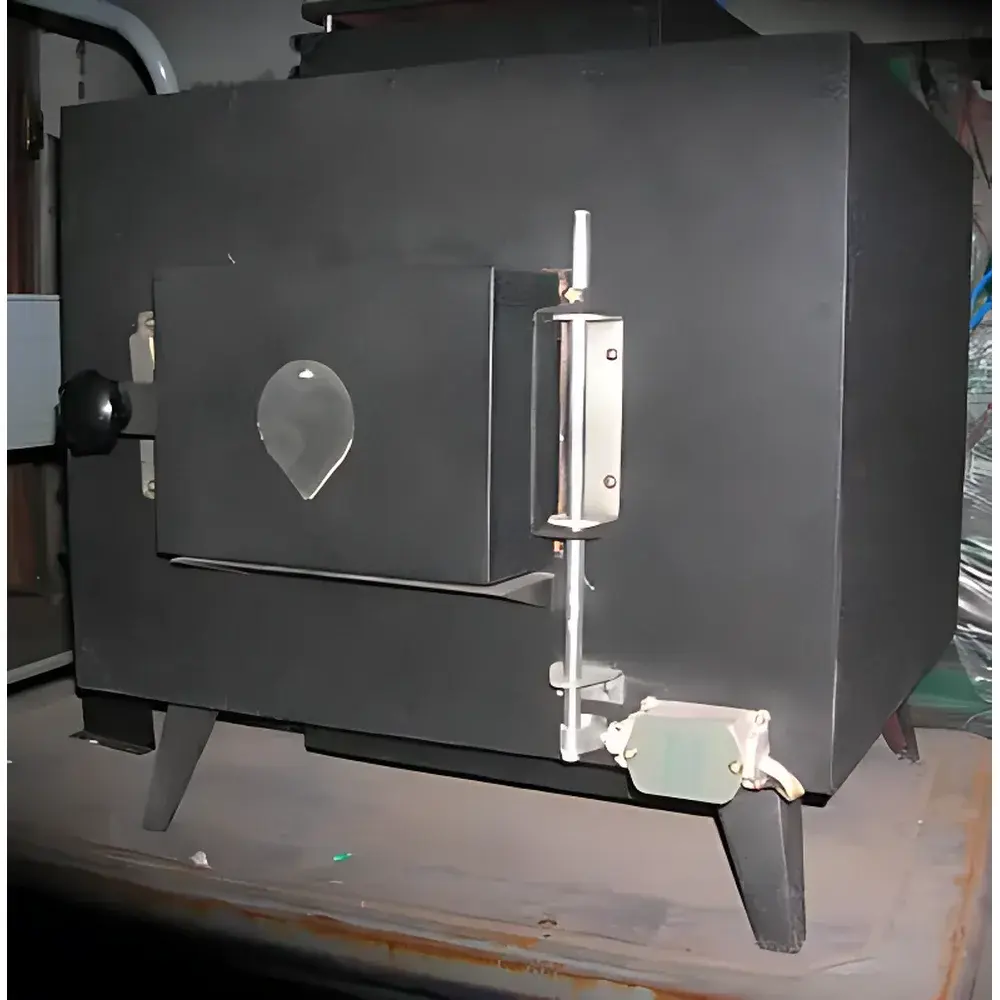
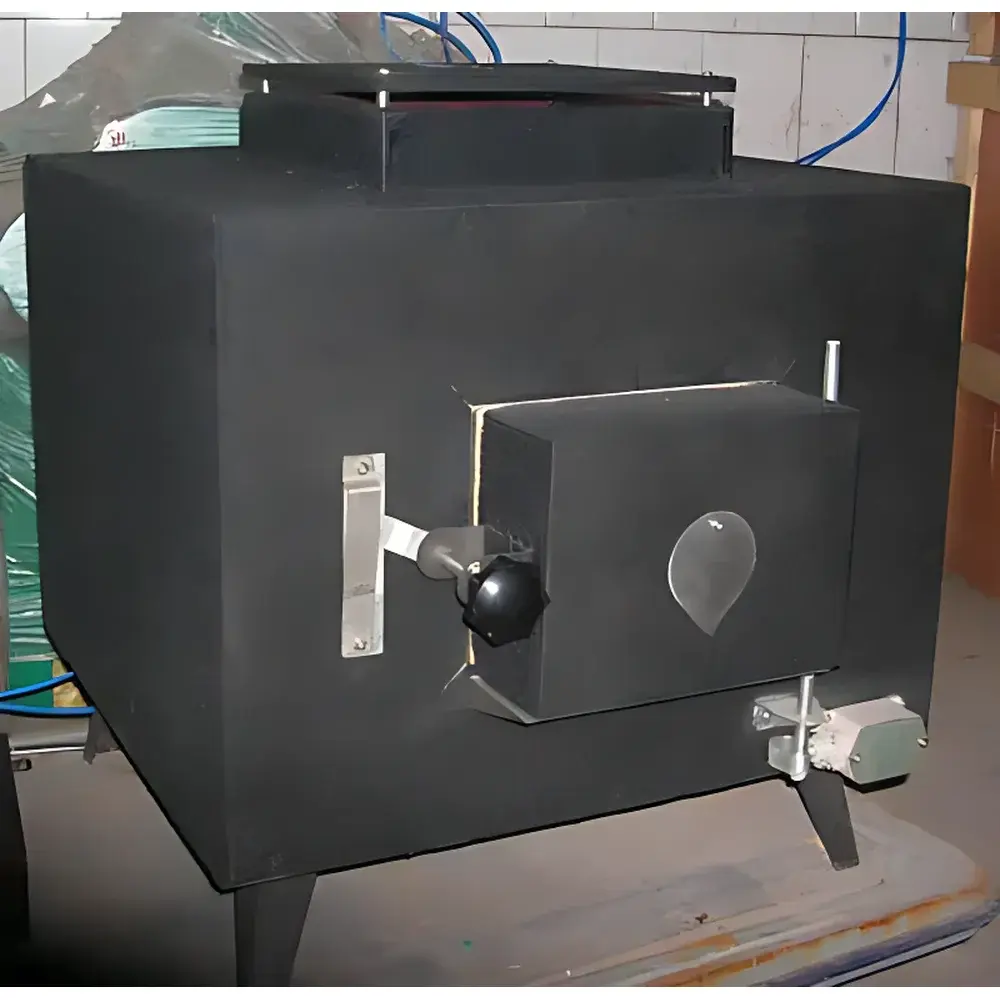
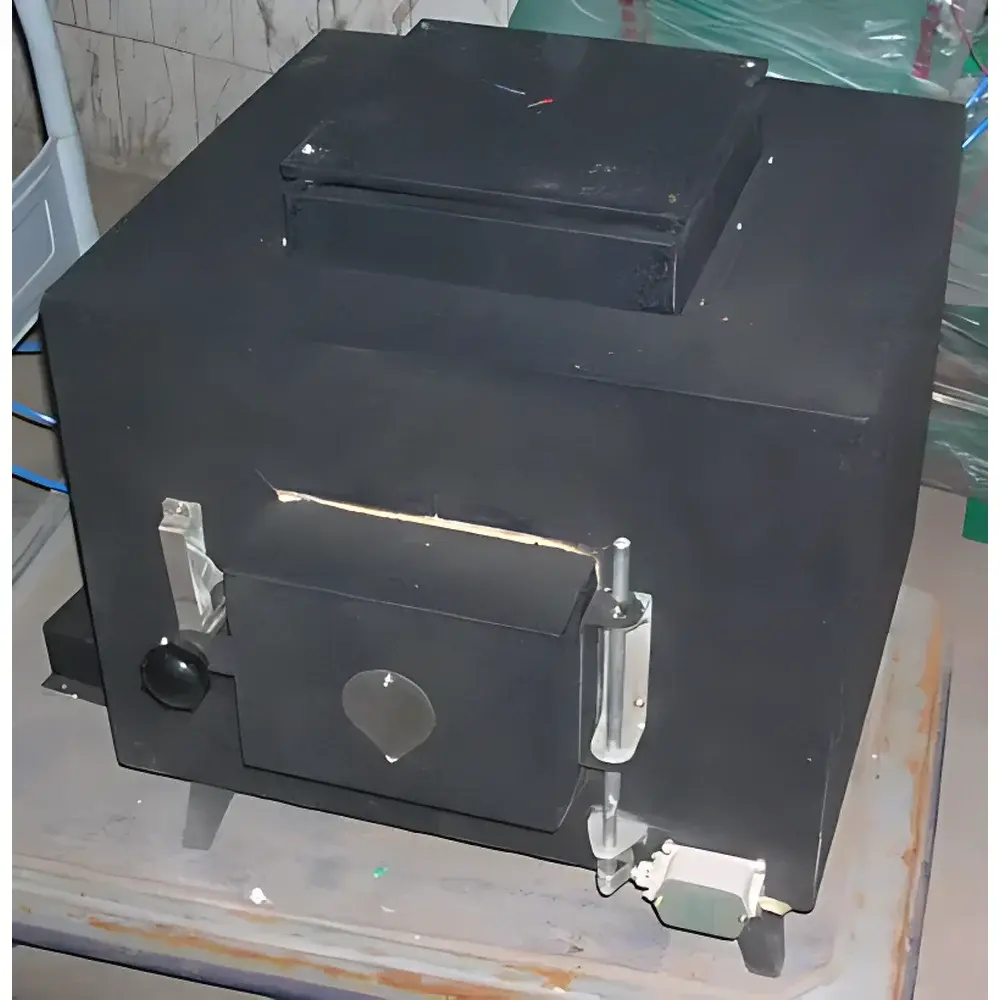
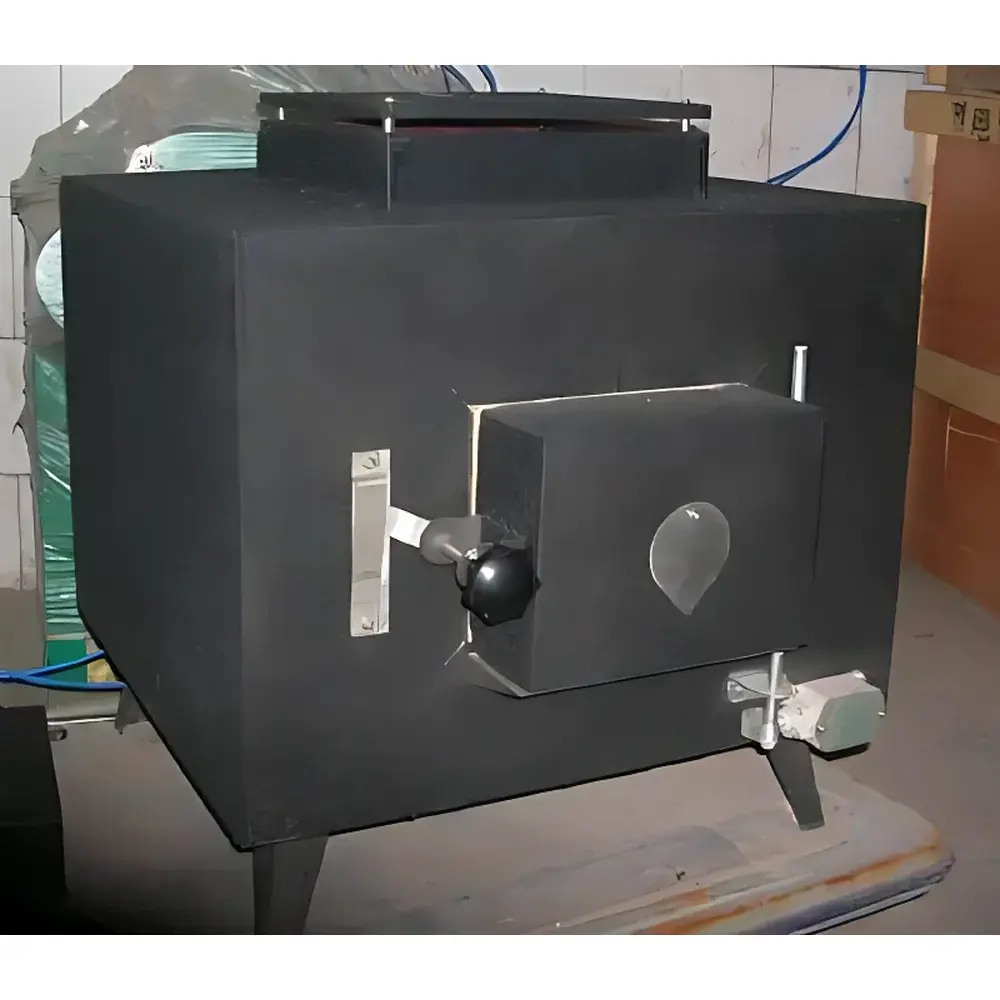
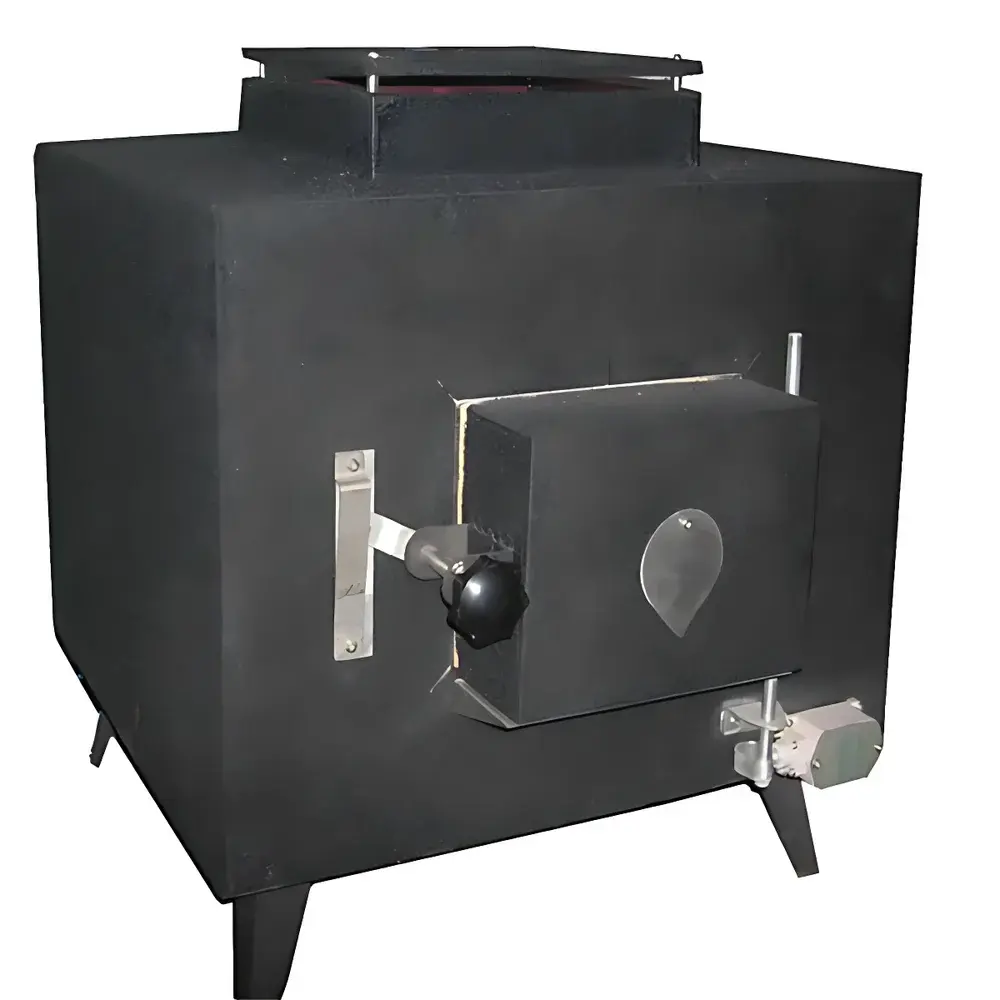
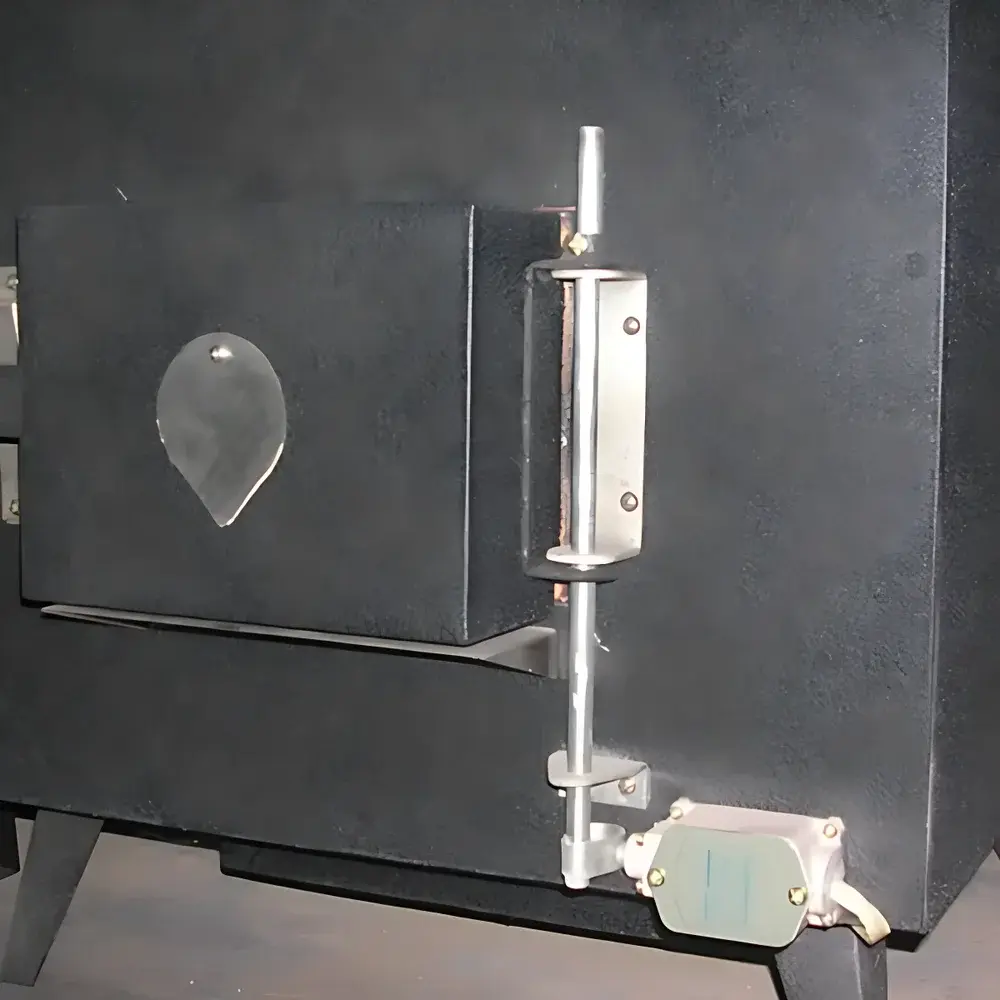
MingShen Science SRJX-4-13 Silicon Carbide Rod High-Temperature Box Furnace
| Brand | MingShen Science |
|---|---|
| Origin | Henan, China |
| Model | SRJX-4-13 |
| Type | Box-Type Muffle Furnace |
| Max Temperature | 1350 °C |
| Operating Temperature | ≤1300 °C |
| Control Accuracy | ±5 °C |
| Max Power | 5 kW |
| Heating Rate | 1300 °C in ≤120 min |
| Heating Element | Silicon Carbide (SiC) Rods |
| Internal Chamber Dimensions | 250 × 150 × 100 mm |
| External Dimensions | 630 × 530 × 510 mm |
| Net Weight | 130 kg |
| Input Voltage | AC 220 V, 50 Hz |
| Thermocouple Compatibility | Type S (Pt–Rh/Pt, 0–1600 °C) |
| Controller | SWK-S Digital PID Temperature Controller with 0–220 V Phase-Angle Controlled Output |
| Load Capacity | 5 kW |
| Display Accuracy | Class 0.5 |
Overview
The MingShen Science SRJX-4-13 Silicon Carbide Rod High-Temperature Box Furnace is a robust, laboratory-grade muffle furnace engineered for precise thermal processing up to 1350 °C. Designed around the inherent thermal stability and oxidation resistance of silicon carbide (SiC) heating elements, this furnace delivers consistent radiant heat distribution across its insulated chamber without direct contact between the heating elements and the sample environment. Its refractory-lined chamber—constructed from high-purity alumina-silica firebrick and backed by layered ceramic fiber insulation—minimizes thermal loss and ensures uniform temperature profiles essential for reproducible sintering, ashing, calcination, and heat-treatment protocols. The furnace operates under atmospheric conditions and is not rated for vacuum or controlled-atmosphere applications; it is intended exclusively for open-air thermal processing in compliance with standard laboratory safety practices.
Key Features
- High-temperature capability: Rated for continuous operation at 1300 °C with a maximum limit of 1350 °C, suitable for advanced ceramic sintering, metallurgical flux fusion, and coal ash fusion studies.
- Silicon carbide rod heating system: Eight SiC rods (specification 8/150/150/14) mounted symmetrically on both lateral walls ensure balanced thermal radiation and extended service life under repeated thermal cycling.
- Advanced thermal insulation architecture: Dual-layer insulation comprising lightweight insulating firebricks and high-efficiency ceramic fiber blankets reduces surface temperature to <60 °C at ambient conditions and improves energy efficiency.
- Integrated SWK-S digital PID temperature controller: Features real-time digital display (0.5-class accuracy), phase-angle controlled solid-state output (0–220 V, no mechanical contacts), and adaptive PID tuning to suppress overshoot and stabilize setpoints within ±5 °C tolerance.
- Compliance-ready control interface: Supports Type S (Pt–Rh/Pt) thermocouples calibrated to ITS-90, enabling traceable temperature measurement aligned with ISO/IEC 17025 calibration requirements for accredited laboratories.
- Structural integrity: Heavy-duty cold-rolled steel housing (powder-coated finish), reinforced door seal, and integrated ventilation slots meet CE-aligned mechanical safety standards for Class II laboratory equipment.
Sample Compatibility & Compliance
The SRJX-4-13 accommodates crucibles, boats, and sintering trays made from alumina, silicon carbide, or platinum—materials compatible with temperatures up to 1300 °C. It is routinely employed in ASTM C633 (thermal spray coating adhesion), ASTM D3174 (coal ash content), ISO 687 (cement clinker calcination), and GB/T 219 (coal ash fusibility) testing workflows. While the furnace itself does not carry UL, CSA, or IEC certification, its electrical design conforms to IEC 61000-4 electromagnetic compatibility guidelines, and its controller supports audit-trail-capable logging when interfaced with external data acquisition systems compliant with FDA 21 CFR Part 11 requirements.
Software & Data Management
The SWK-S controller provides local setpoint programming and real-time temperature monitoring but lacks built-in data logging or Ethernet/USB connectivity. For GLP/GMP environments, third-party analog voltage output (0–5 V or 4–20 mA) can be routed to validated SCADA or LIMS platforms. Optional RS485 Modbus RTU communication modules are available via OEM integration, enabling remote parameter adjustment, ramp-soak profiling, and time-stamped event recording—including power failure detection and thermal shutdown logs.
Applications
- Thermal analysis of inorganic materials: ash content determination (ASTM D3174, ISO 1171), loss-on-ignition (LOI) assays, and mineralogical phase transformation studies.
- Ceramic and refractory processing: densification of alumina, zirconia, and silicon nitride compacts; binder burnout prior to hot pressing.
- Metallurgical sample preparation: fusion of geological samples with lithium metaborate/tetraborate fluxes for XRF analysis.
- Fuel characterization: coal ash fusibility testing per ISO 540 and ASTM D1857; coke reactivity index (CRI) preheating stages.
- Research-scale synthesis: solid-state reaction initiation, precursor decomposition, and oxide thin-film annealing under ambient air.
FAQ
What type of thermocouple is required for accurate operation?
A Type S (Platinum–10% Rhodium / Platinum) thermocouple, calibrated to ITS-90 and rated for 0–1600 °C, is mandatory for full-range performance and compliance with ISO/IEC 17025 traceability requirements.
Can this furnace be used under inert or reducing atmospheres?
No. The SiC heating elements oxidize rapidly below 1000 °C in reducing or low-oxygen environments. This model is strictly rated for air-atmosphere operation only.
Is the SWK-S controller compatible with external data loggers?
Yes—via isolated 0–5 V analog output or optional RS485 Modbus RTU expansion, supporting integration into validated laboratory informatics systems.
What maintenance is recommended for long-term reliability?
Biannual inspection of SiC rod resistance (should remain within ±15% of nominal value), periodic cleaning of thermocouple wells with ceramic wool, and verification of door gasket compression force using calibrated torque screwdrivers.
Does the furnace include over-temperature protection?
Yes—a redundant independent over-temperature cutoff (OTC) circuit interrupts power if chamber temperature exceeds 1400 °C, complying with EN 60519-2 functional safety provisions for industrial heating equipment.



