
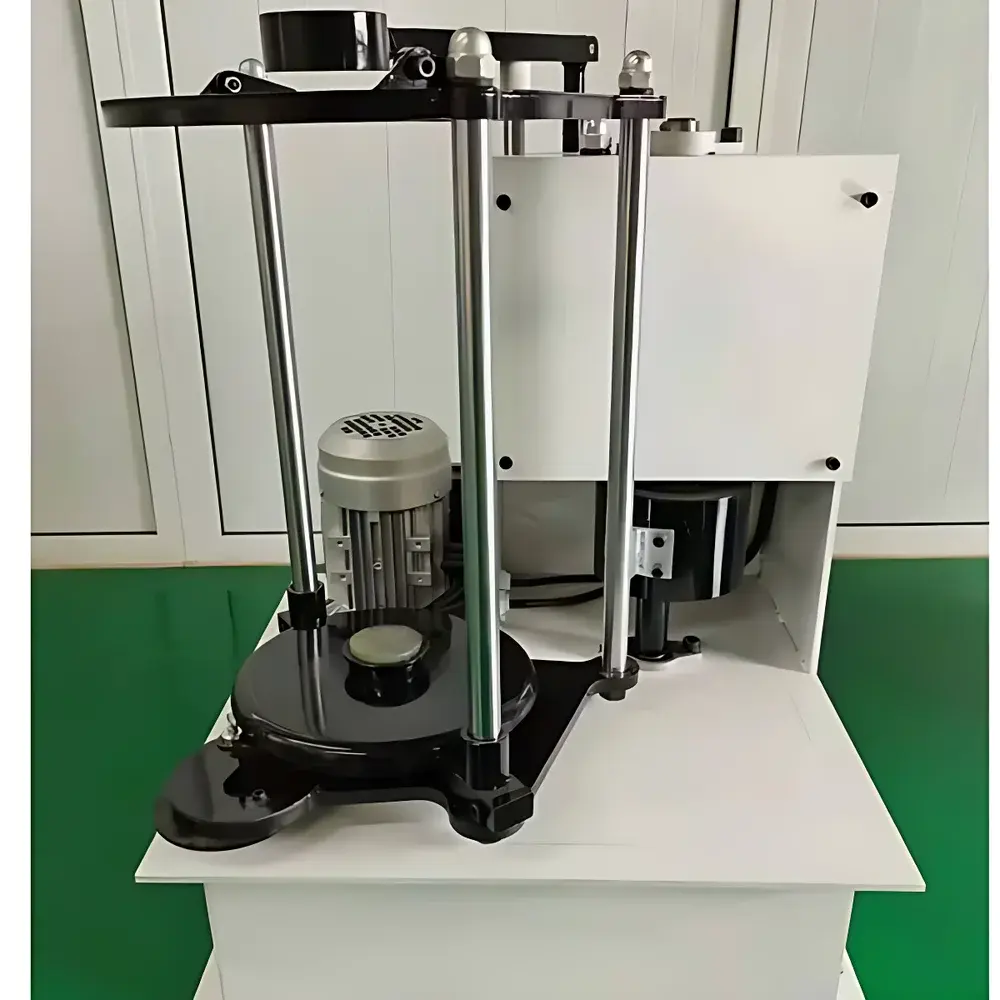
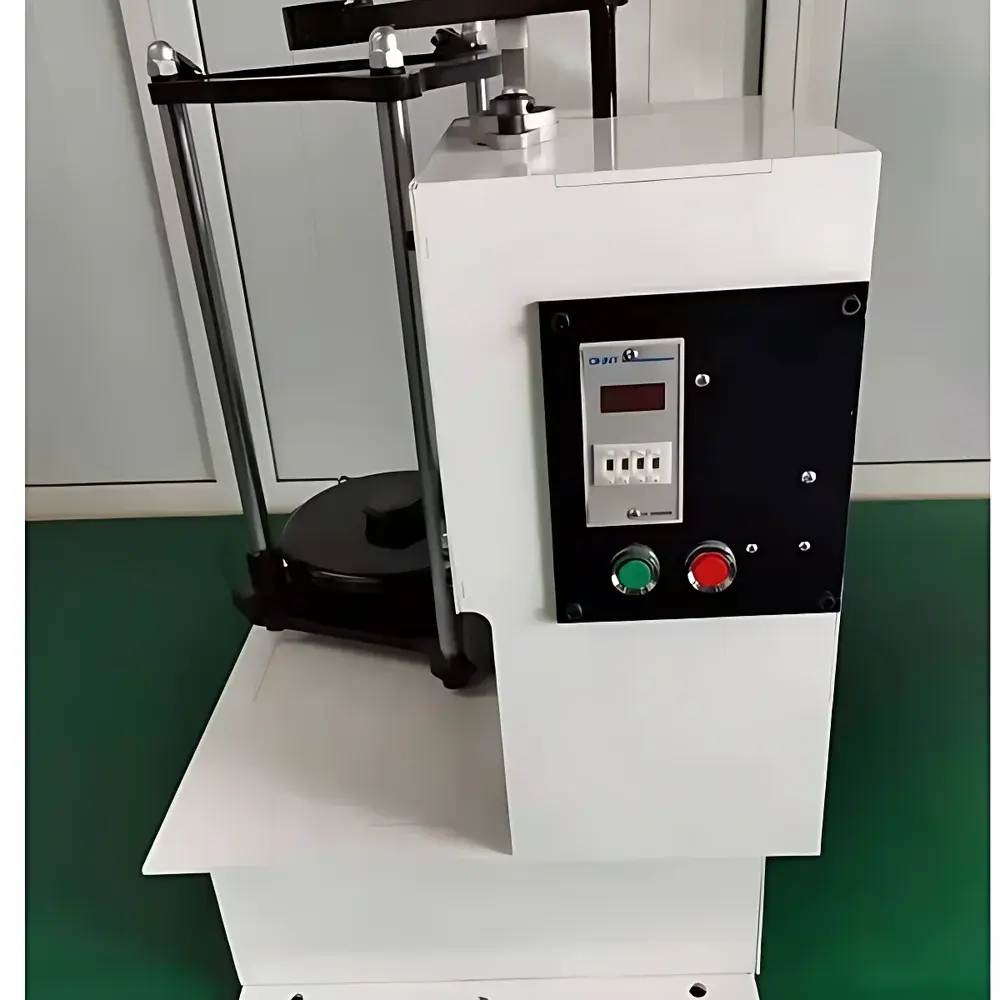
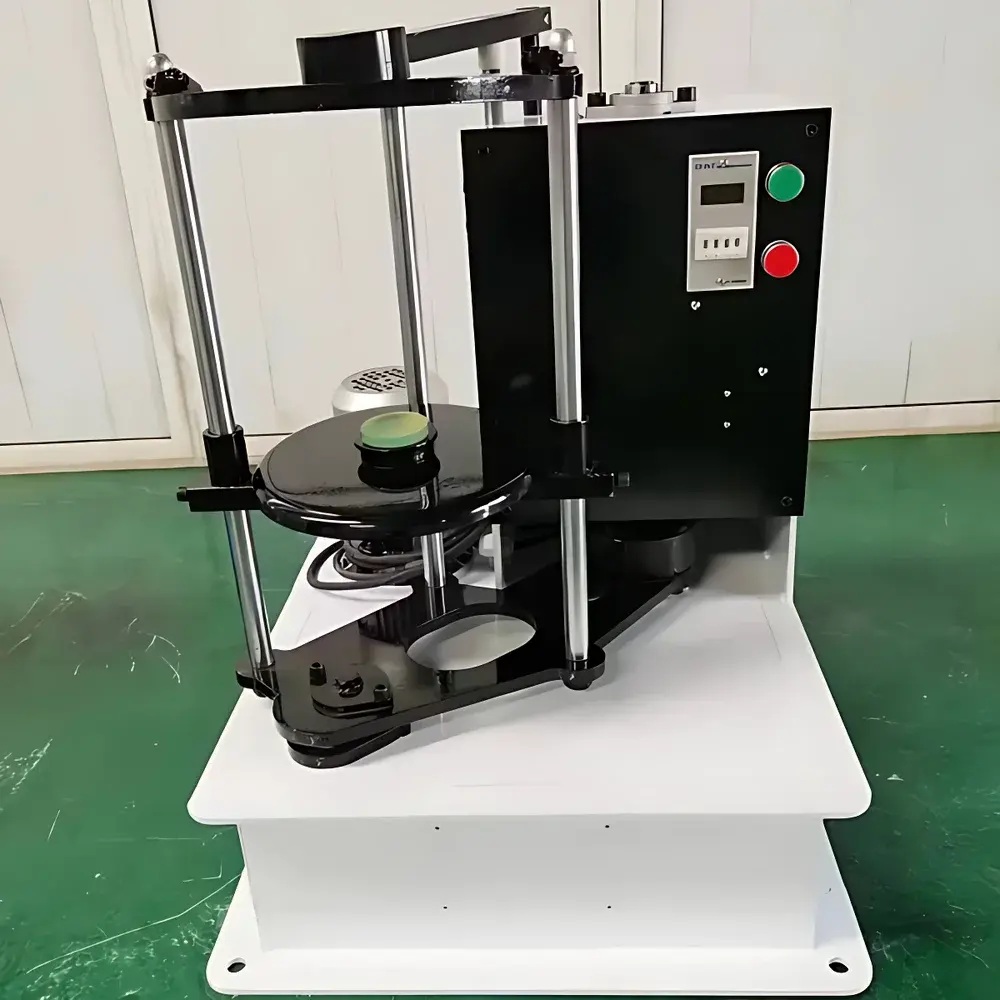
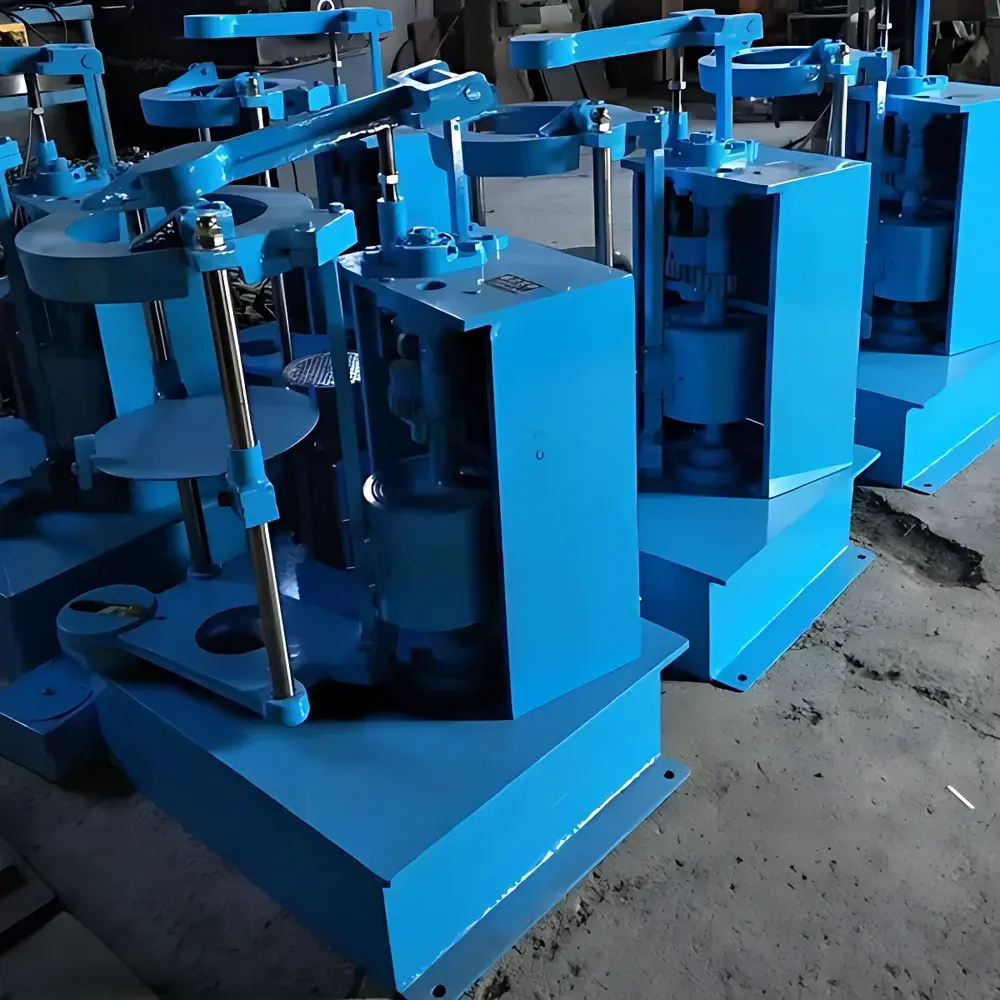
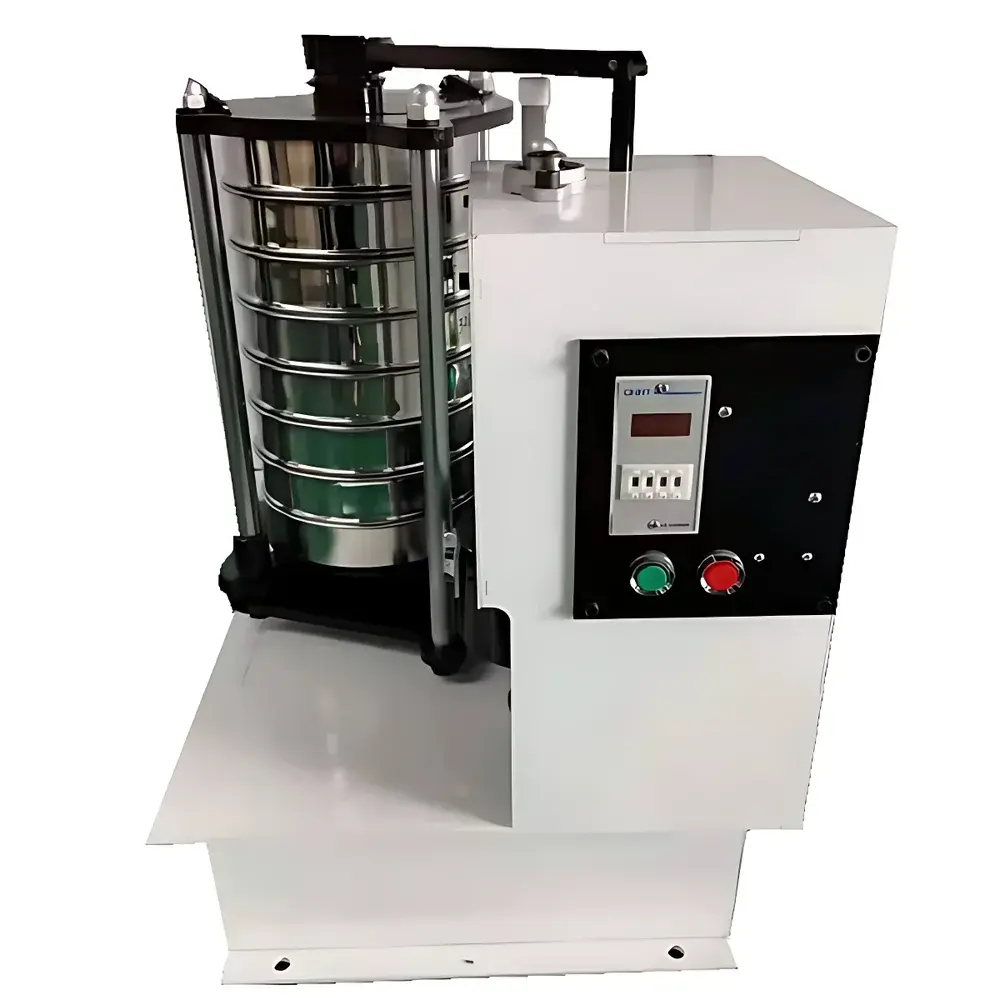
MingShen Science SZH-200 Tap-Action Sieve Shaker
| Brand | MingShen Science |
|---|---|
| Origin | Henan, China |
| Model | SZH-200 |
| Principle | Mechanical tap-action sieving |
| Sieve Diameter Compatibility | 200 / 150 / 100 / 75 mm |
| Max. Stack Height | 7 sieve layers |
| Oscillation Frequency | 290 ±10 cycles/min |
| Tap Frequency | 156 ±10 impacts/min |
| Stroke Length | 25 mm |
| Tap Height | 38 ±6 mm |
| Power | 370 W |
| Voltage | 220 V AC |
| Dimensions (H×L×W) | 500×400×700 mm |
| Weight | 100 kg |
| Particle Size Range | 100 mm down to 80 mesh (≈177 µm) |
Overview
The MingShen Science SZH-200 Tap-Action Sieve Shaker is a mechanically driven laboratory instrument engineered for standardized dry-sieving analysis of granular and powdered materials. It operates on the principle of combined horizontal oscillation and vertical tapping—two independent yet synchronized motions that replicate ASTM E11 and ISO 3310-1 compliant sieving dynamics. Unlike rotary or vibratory shakers alone, the SZH-200 integrates both lateral reciprocation (290 ±10 cycles/min) and controlled vertical impact (156 ±10 taps/min), ensuring effective particle stratification and efficient passage of fines through successive sieve apertures. Its robust cast-iron frame and precision-machined eccentric drive system deliver high reproducibility across repeated runs, making it suitable for routine quality control in mining, construction aggregates, pharmaceutical excipients, ceramics, and metallurgical powder processing.
Key Features
- Multi-diameter sieve compatibility: accommodates standard test sieves with diameters of 200 mm, 150 mm, 100 mm, and 75 mm—ensuring flexibility across international and industry-specific sieve standards.
- Seven-layer stacking capacity: supports up to seven nested sieves per run, enabling full multi-fraction particle size distribution (PSD) profiling in a single operation.
- Controlled mechanical actuation: gear-driven main shaft delivers precise, non-variable oscillation and tapping frequencies—eliminating reliance on electronic controllers while maintaining long-term calibration stability.
- Adjustable stroke and tap height: fixed 25 mm lateral displacement and 38 ±6 mm vertical hammer lift ensure consistent energy input across all sieve loads, minimizing operator-induced variability.
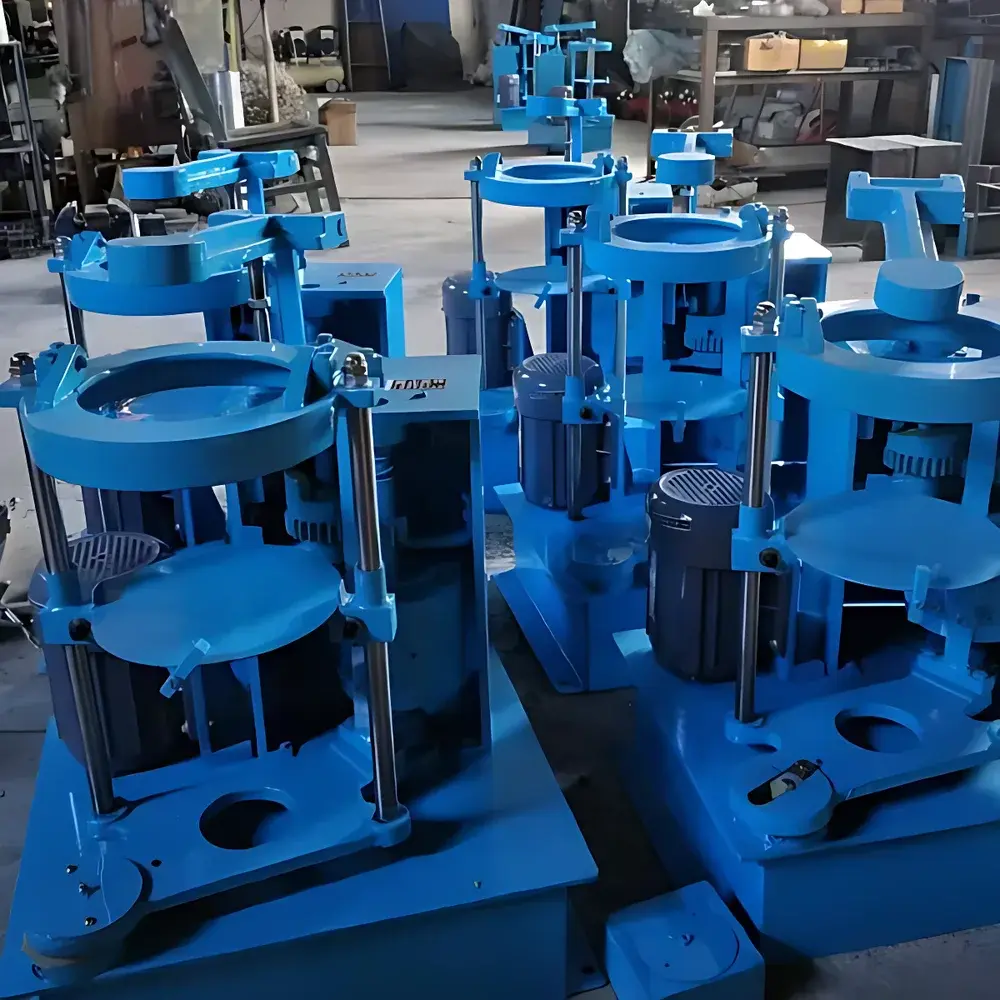
- Industrial-grade construction: 100 kg mass and reinforced base provide vibration damping and operational stability—even during extended duty cycles at maximum load.
- 370 W induction motor with thermal protection: designed for continuous operation under nominal load without overheating; compatible with standard 220 V AC power supplies common in laboratory and production environments.
Sample Compatibility & Compliance
The SZH-200 is optimized for free-flowing, non-cohesive, and moderately cohesive dry particulates—including crushed ores, sand, cement clinker, metal powders, and milled polymers. It is not intended for wet sieving, fibrous materials, or highly electrostatic or hygroscopic samples without prior conditioning. The instrument conforms to the mechanical performance criteria outlined in ASTM E11 (Specification for Woven Wire Test Sieve Cloth and Test Sieves) and ISO 3310-1 (Test sieves — Technical requirements and testing — Part 1: Test sieves of metal wire cloth). When used with certified reference sieves traceable to NIST or PTB standards, data generated meets GLP documentation requirements for particle size reporting in regulated industries.
Software & Data Management
The SZH-200 is a standalone electromechanical device with no embedded firmware or digital interface. All operational parameters are fixed by mechanical gearing, eliminating software-related validation burdens. Users record sieve weights before and after each run manually or via external analytical balances. For laboratories operating under FDA 21 CFR Part 11 or ISO/IEC 17025, weight data may be entered into validated LIMS or Excel-based templates with audit-trail enabled worksheets. Optional accessories—including calibrated sieve sets, stainless-steel sample pans, and digital balance integration kits—are available to support fully documented PSD workflows.
Applications
- Aggregate gradation analysis in civil engineering QA/QC labs per ASTM C136 and EN 933-1.
- Pharmaceutical powder flow characterization prior to tablet compression or capsule filling.
- Quality verification of metal injection molding (MIM) feedstocks and additive manufacturing powders.
- Particle size cutoff validation for catalyst supports, activated carbon, and filtration media.
- Educational demonstration of sedimentation-equivalent sieving behavior and Tyler/ASTM mesh conversion principles.
- Preparation of size-fractionated samples for subsequent analysis by laser diffraction, SEM, or BET surface area measurement.
FAQ
What sieve standards is the SZH-200 compatible with?
It accepts all standard ASTM E11 and ISO 3310-1 compliant test sieves with diameters of 200 mm, 150 mm, 100 mm, and 75 mm.
Can the tap frequency or oscillation speed be adjusted?
No—both frequencies are mechanically fixed via gear ratios to ensure repeatability and eliminate drift over time.
Is the SZH-200 suitable for wet sieving?
No. It is strictly a dry-sieving instrument. Wet sieving requires separate equipment with liquid containment and pump systems.
Does the unit include sieves or sample pans?
Sieves and pans are sold separately. A full set of 200 mm ASTM-certified stainless-steel sieves (e.g., 8–200 mesh) is recommended for comprehensive PSD analysis.
How is calibration verified?
Calibration relies on mechanical integrity checks (e.g., tap height, stroke length) and periodic verification using certified reference sieves and standard test powders per ISO 2591-1.



