
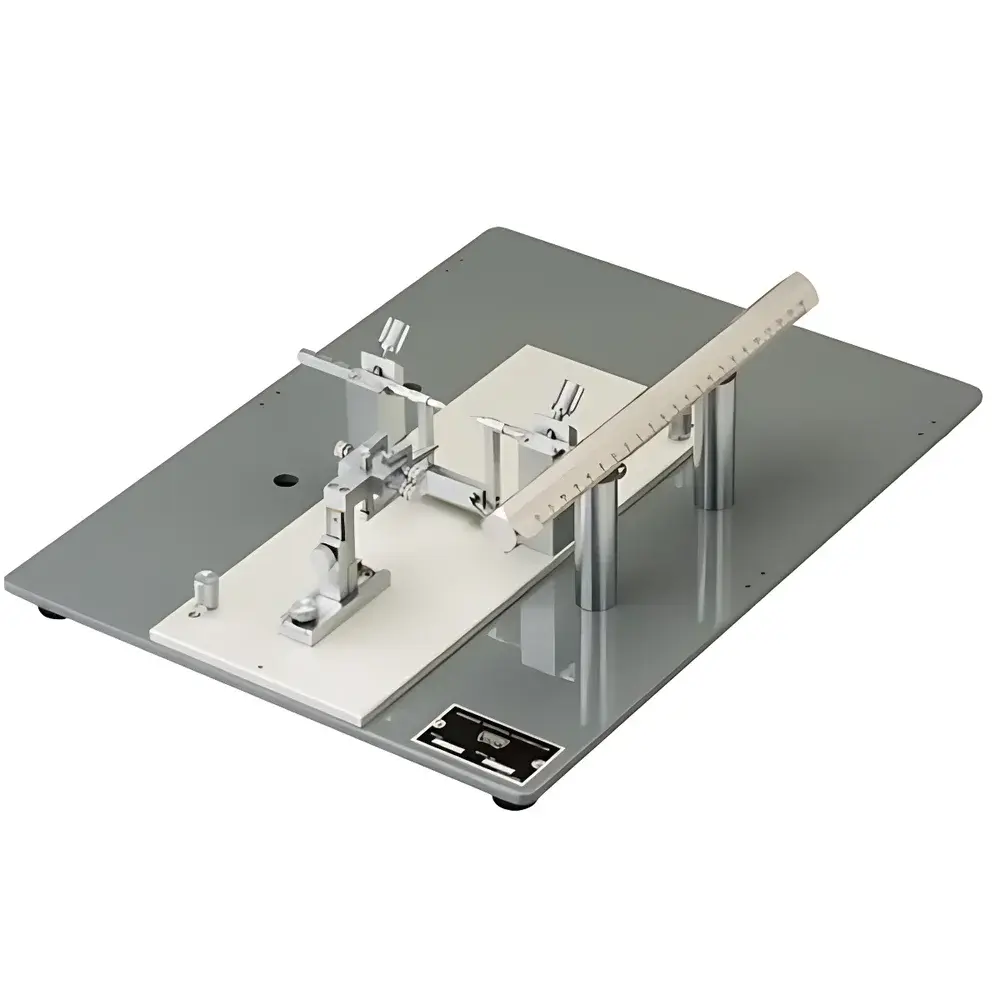
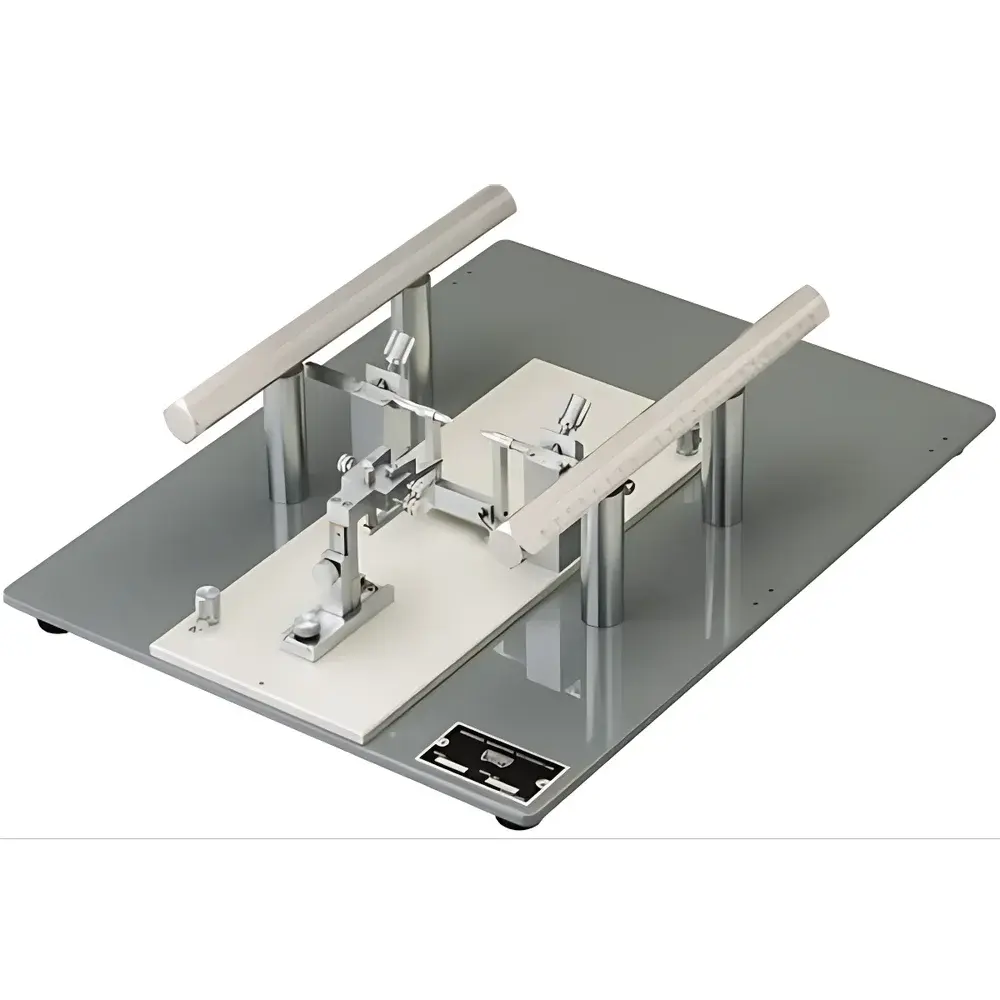
Narishige SR-5C-HT / SR-6C-HT Stereotactic Instrument for Common Marmosets
| Brand | Narishige |
|---|---|
| Origin | Japan |
| Model | SR-5C-HT / SR-6C-HT |
| Base Dimensions (W×D×H) | 400 × 300 × 110 mm |
| Weight | 8.85 kg (SR-5C-HT), 9.3 kg (SR-6C-HT) |
| AP Frame Bar(s) | 1 (SR-5C-HT), 2 (SR-6C-HT) |
| Compatible Micromanipulator | SM-15R/L |
| Accessories | EB-3A Auxiliary Ear Bars, Hex Wrench |
| Surface Texture | Porous, Low-Compression Contact Surfaces for Ocular and Mandibular Fixation |
Overview
The Narishige SR-5C-HT and SR-6C-HT are precision-engineered stereotactic instruments designed exclusively for neuroscientific research involving the common marmoset (*Callithrix jacchus*). These models represent an evolution of Narishige’s long-established SR-series platform—refined over decades for high-reproducibility cranial fixation in non-human primates with small, delicate neuroanatomy. Unlike generic rodent or macaque systems, the SR-5C-HT/SR-6C-HT integrates species-specific biomechanical constraints: optimized ear bar geometry matching marmoset tympanic bulla morphology, low-compression ocular and maxillary contact surfaces, and calibrated AP (anterior–posterior) frame rigidity to accommodate intracranial targeting at sub-millimeter resolution. The system operates on classical stereotactic principles—relying on bregma–lambda alignment, interaural zero reference, and orthogonal coordinate translation—to enable accurate electrode, cannula, or optical fiber placement during electrophysiology, optogenetics, or microinjection procedures.
Key Features
- Species-specific auxiliary ear bars (EB-3A) with dual-mode fixation: thumb-actuated clamping and fingertip-guided insertion into the external auditory meatus—ensuring secure, repeatable positioning without excessive force.
- Porous, compliant surface treatment on ocular and maxillary pads minimizes tissue compression and reduces risk of corneal desiccation or mandibular stress during prolonged procedures (typical duration: 2–6 h).
- Modular AP frame architecture: SR-5C-HT includes one 18.7 mm AP bar; SR-6C-HT incorporates two parallel AP bars—enabling simultaneous bilateral targeting or expanded accessory mounting (e.g., dual micromanipulators, laser alignment guides, or thermal monitoring probes).
- Direct compatibility with Narishige SM-15R/L hydraulic micromanipulators via standardized dovetail interface—supporting submicron depth control and smooth, backlash-free movement.
- Stainless-steel base construction with vibration-dampening mass distribution (8.85–9.3 kg) ensures mechanical stability under microscope-mounted recording rigs and high-magnification imaging setups.
Sample Compatibility & Compliance
The SR-5C-HT/SR-6C-HT is validated for use with adult and subadult common marmosets (body weight: 300–500 g; skull length: ~22–26 mm). All contact components comply with ISO 10993-5 (biological evaluation of medical devices: cytotoxicity testing) and meet USP Class VI polymer standards where applicable. The instrument supports adherence to institutional animal care protocols aligned with the NIH Guide for the Care and Use of Laboratory Animals and the ARRIVE 2.0 guidelines. Its design facilitates integration into GLP-compliant surgical workflows—particularly when paired with audit-trail-capable data acquisition systems (e.g., Spike2, OpenEphys) and calibrated depth-sensing manipulators.
Software & Data Management
While the SR-5C-HT/SR-6C-HT is a hardware-only stereotactic frame (no embedded electronics or firmware), it is fully interoperable with third-party digital stereotactic planning software—including Paxinos & Watson–based marmoset brain atlases (e.g., Marmoset Brain Mapping Project v2.1), MATLAB-based coordinate transformation toolkits, and commercial platforms such as Stereotaxic Navigator Pro. When used with SM-15R/L manipulators equipped with digital encoders, positional data can be streamed via RS-232 or USB to LabVIEW or Python-controlled acquisition environments—enabling time-stamped coordinate logging, automated trajectory validation, and post-hoc registration against MRI-derived templates.
Applications
- Chronic implantation of intracortical microelectrode arrays (e.g., Neuropixels 1.0/2.0) targeting prefrontal, auditory, or motor cortices.
- Bilateral viral vector delivery (AAV, LV) into thalamocortical or basal ganglia circuits for circuit-mapping studies.
- Optogenetic fiber photometry setup requiring precise dorsoventral alignment across multiple cortical layers.
- Intraoperative MRI-compatible craniotomy guidance using fiducial marker registration.
- Longitudinal behavioral neuroscience paradigms involving repeated stereotactic access over weeks or months.
FAQ
What distinguishes the SR-5C-HT from the SR-6C-HT?
The primary structural difference lies in AP frame configuration: SR-5C-HT features a single 18.7 mm AP bar, while SR-6C-HT provides two parallel AP bars—allowing independent manipulation of bilateral devices or enhanced rigidity for multi-probe configurations.
Is the EB-3A ear bar compatible with other Narishige frames?
EB-3A is specifically engineered for the SR-5C-HT/SR-6C-HT series and is not mechanically interchangeable with SR-1, SR-2, or SM series frames due to altered mounting pitch and torque specifications.
Can the frame be sterilized between uses?
All metal components (base, AP bars, ear bar mounts) are autoclavable at 121°C for 20 minutes; porous polymer contact surfaces must be cleaned with 70% ethanol and air-dried—do not autoclave.
Does Narishige provide marmoset-specific brain atlas integration?
Narishige does not bundle atlas software, but the frame’s coordinate system aligns natively with the Marmoset Brain Mapping Project (MBMP) standard space (ICBM-Marmoset v2.1); full calibration protocols are documented in the SR Series Technical Manual Rev. 4.2.
What maintenance is required for long-term accuracy?
Biannual verification of AP bar parallelism (±0.05° tolerance) and ear bar angular repeatability (±0.1°) using Narishige-certified alignment jigs (part #CAL-SR-EB-2023) is recommended for labs conducting >50 stereotactic procedures annually.



