
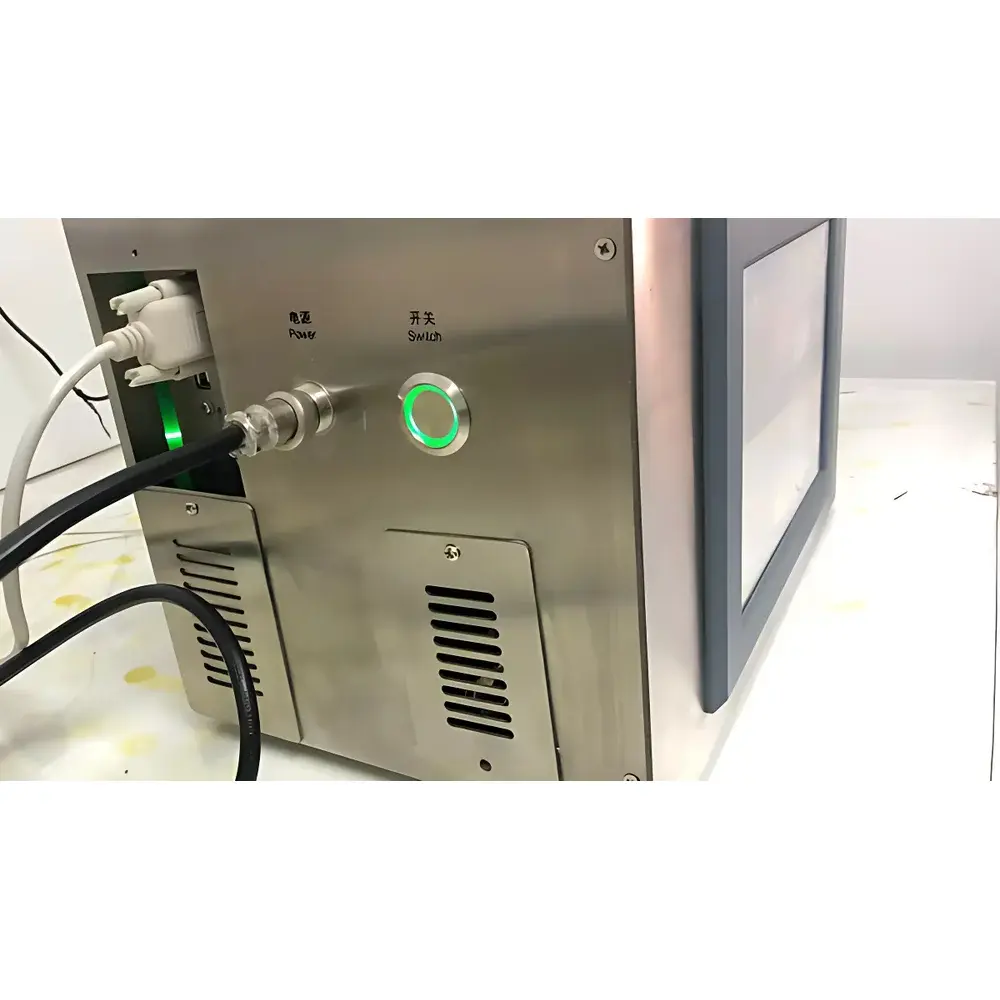
NeuronBC TA-3.0 Online Total Organic Carbon (TOC) Analyzer
| Brand | NeuronBC |
|---|---|
| Origin | Beijing, China |
| Model | TA-3.0 Online |
| Instrument Type | Online TOC Analyzer |
| Detection Principle | Direct Conductivity Method |
| Oxidation Method | UV Photolysis (185/254 nm) |
| Measurement Range | 1–1000 ppb (as C) |
| Accuracy | ±3% of reading |
| Resolution | 1 ppb |
| Detection Limit | 1 ppb |
| Repeatability | ≤3% RSD |
| Power Supply | 100–240 VAC, 50 Hz, 120 W |
| Conductivity Detection Range | 0.055–8.000 µS/cm |
| Sample Temperature Range | 1–95 °C |
| Ambient Operating Temperature | 5–65 °C |
| Data Logging Capacity | >5000 records |
| Audit Trail | 16 configurable event logs with timestamped access |
| User Access Control | 4-tier role-based authentication (username/password), compliant with FDA 21 CFR Part 11 |
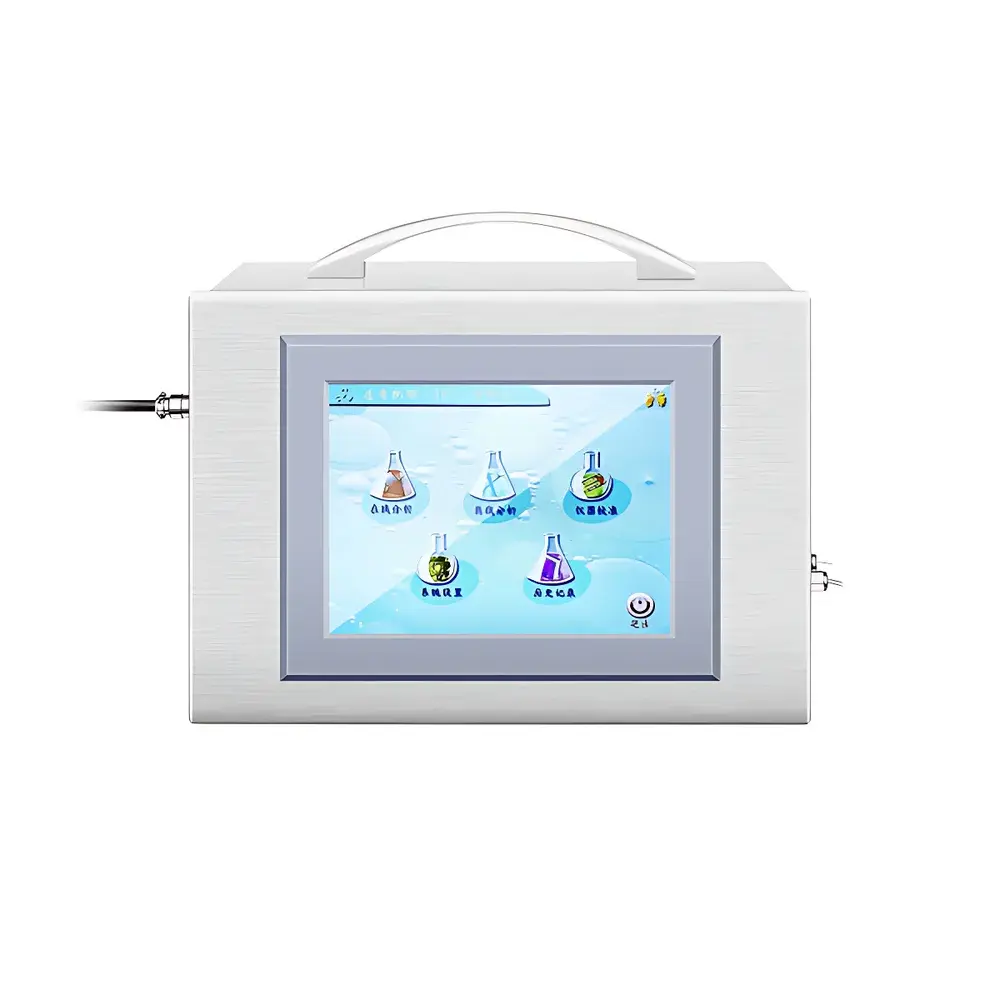
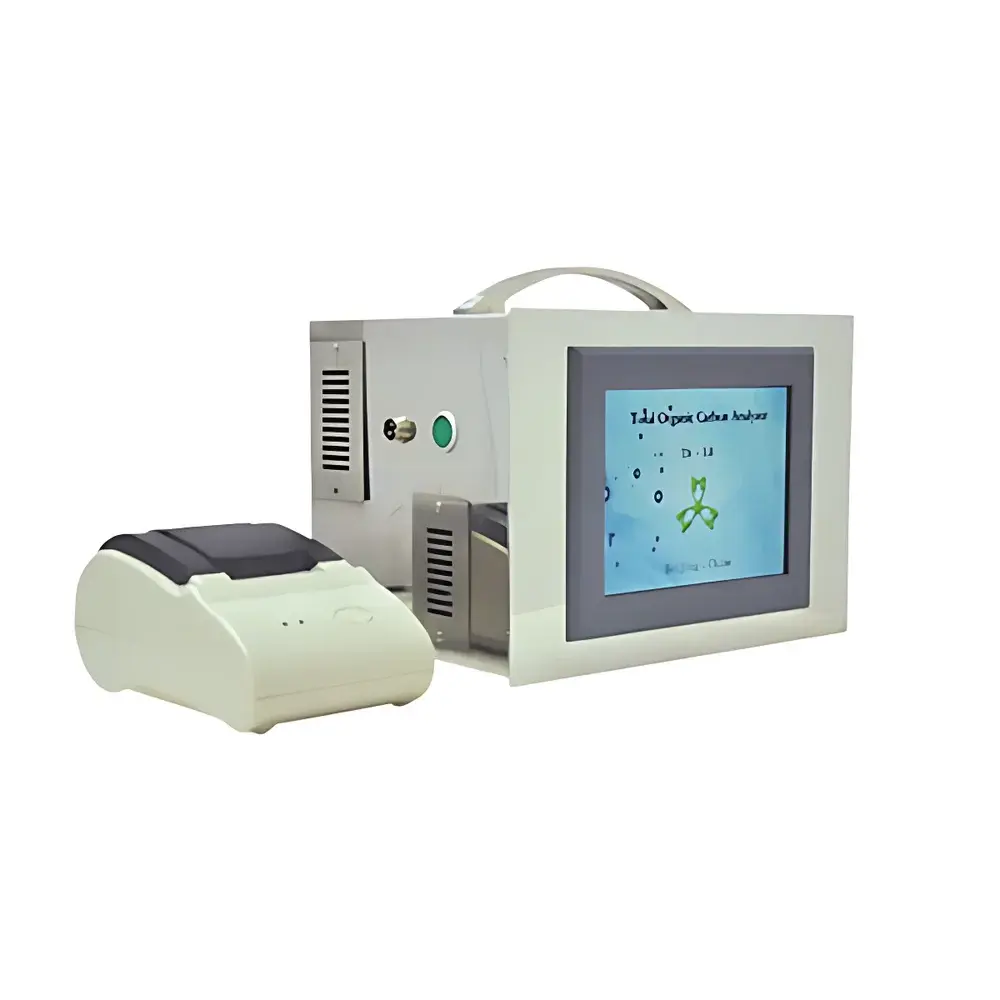
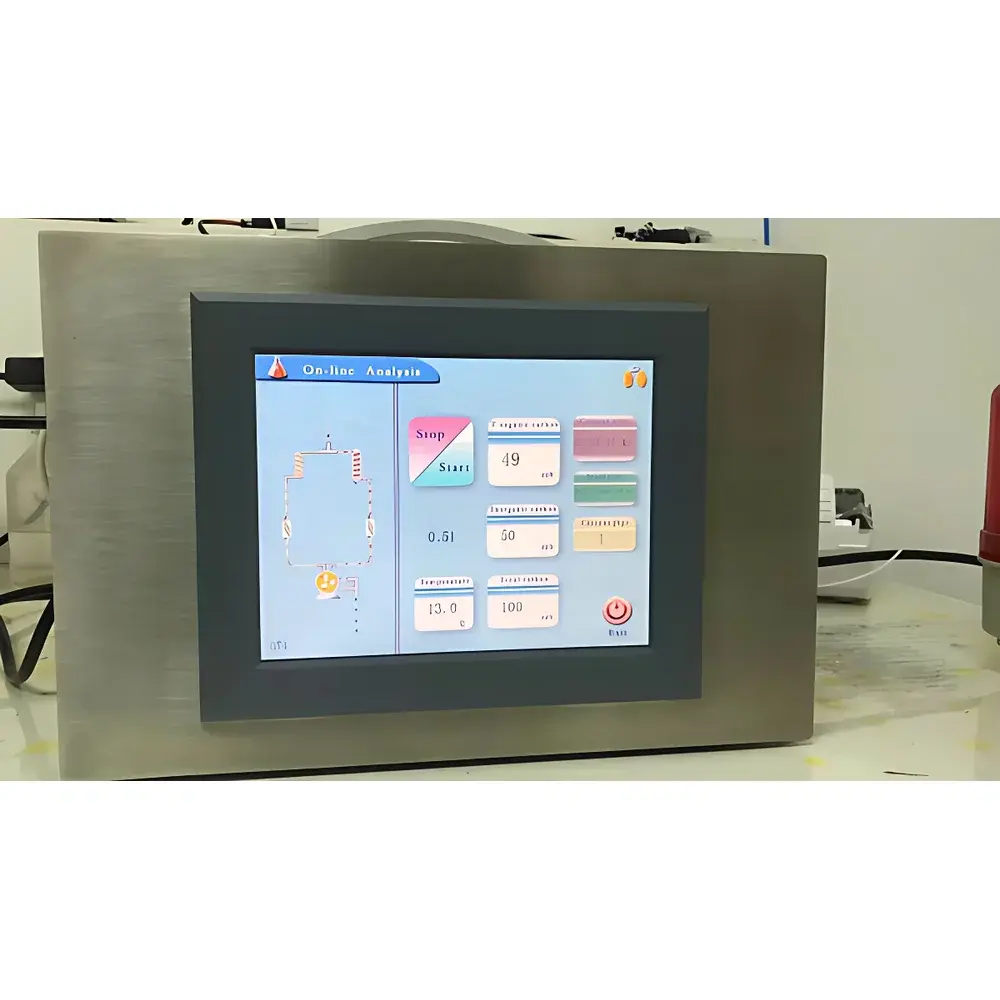
| Display | Color TFT touchscreen (7-inch) |
| Dimensions (L×W×H) | 300 × 210 × 250 mm |
| Weight | 8.5 kg |
| Enclosure Material | 304 stainless steel |
| IP Rating | IP54 (splash-resistant) |
Overview
The NeuronBC TA-3.0 Online Total Organic Carbon (TOC) Analyzer is an engineered solution for continuous, real-time monitoring of organic carbon contamination in high-purity water systems—specifically designed to meet the stringent requirements of pharmaceutical, biotechnology, and medical device manufacturing facilities. It operates on the direct conductivity detection principle following ultraviolet (UV) photolysis oxidation at dual wavelengths (185 nm and 254 nm), enabling complete mineralization of non-purgeable organic compounds into CO₂, which is then quantified via high-sensitivity conductivity measurement. Unlike combustion-based TOC analyzers, this method eliminates the need for catalysts or carrier gases, reducing maintenance complexity while maintaining robust performance across variable water matrices. The TA-3.0 supports both single-point continuous monitoring and time-multiplexed multi-point sampling configurations—enabling flexible integration into existing purified water (PW) and water-for-injection (WFI) distribution loops without requiring dedicated infrastructure per sampling point.
Key Features
- 304 stainless steel enclosure engineered for corrosion resistance and long-term stability in humid, temperature-variable cleanroom and utility corridor environments.
- Modular architecture with standardized analog (4–20 mA) and digital (RS485 Modbus RTU, optional Ethernet/IP) I/O interfaces—designed for seamless integration with PLCs, SCADA systems, and MES platforms.
- Dual-mode operation: selectable between continuous real-time analysis (for critical points such as loop return or point-of-use) and sequential multi-point analysis (up to 8 sample ports via external manifold control).
- IP54-rated front panel with industrial-grade color TFT touchscreen interface—supporting intuitive navigation, parameter configuration, and on-device trend visualization without external PCs.
- FDA 21 CFR Part 11-compliant data integrity framework: including electronic signatures, role-based 4-level user permissions, tamper-evident audit trail (16 event categories with timestamps), and secure U盘-based data export.
- Automated system diagnostics—including UV lamp intensity monitoring, conductivity cell calibration verification, and flow-path pressure validation—to ensure analytical continuity and reduce unplanned downtime.
Sample Compatibility & Compliance
The TA-3.0 is validated for use with purified water (PW), water-for-injection (WFI), and clean steam condensate per USP , EP 2.2.44, and JP 2.07. Its UV photolysis oxidation efficiency exceeds 95% for common low-molecular-weight organics (e.g., acetate, ethanol, formaldehyde) and maintains linearity across the full 1–1000 ppb (as C) range under ISO 8573-1-compliant sampling conditions. The analyzer’s design adheres to GMP Annex 1 (2022) recommendations for continuous monitoring of water quality attributes, and its firmware architecture supports ALCOA+ principles (Attributable, Legible, Contemporaneous, Original, Accurate, Complete, Consistent, Enduring, Available) throughout the data lifecycle. All calibration and verification procedures are traceable to NIST-certified standards, and instrument qualification documentation (DQ/IQ/OQ/PQ templates) is provided upon request.
Software & Data Management
Data acquisition and reporting are governed by embedded firmware supporting local storage of ≥5000 measurement records with full metadata (timestamp, operator ID, system status flags). Historical datasets can be exported in CSV format via USB 2.0 port, preserving column headers, units, and audit trail references for regulatory review. Optional NeuronLink™ PC software enables remote configuration, alarm threshold management, and automated PDF report generation—including daily summary reports aligned with EU GMP Annex 11 Annex II requirements. All data transfers utilize AES-128 encryption; no cloud connectivity is enabled by default, ensuring compliance with internal IT security policies and data sovereignty mandates.
Applications
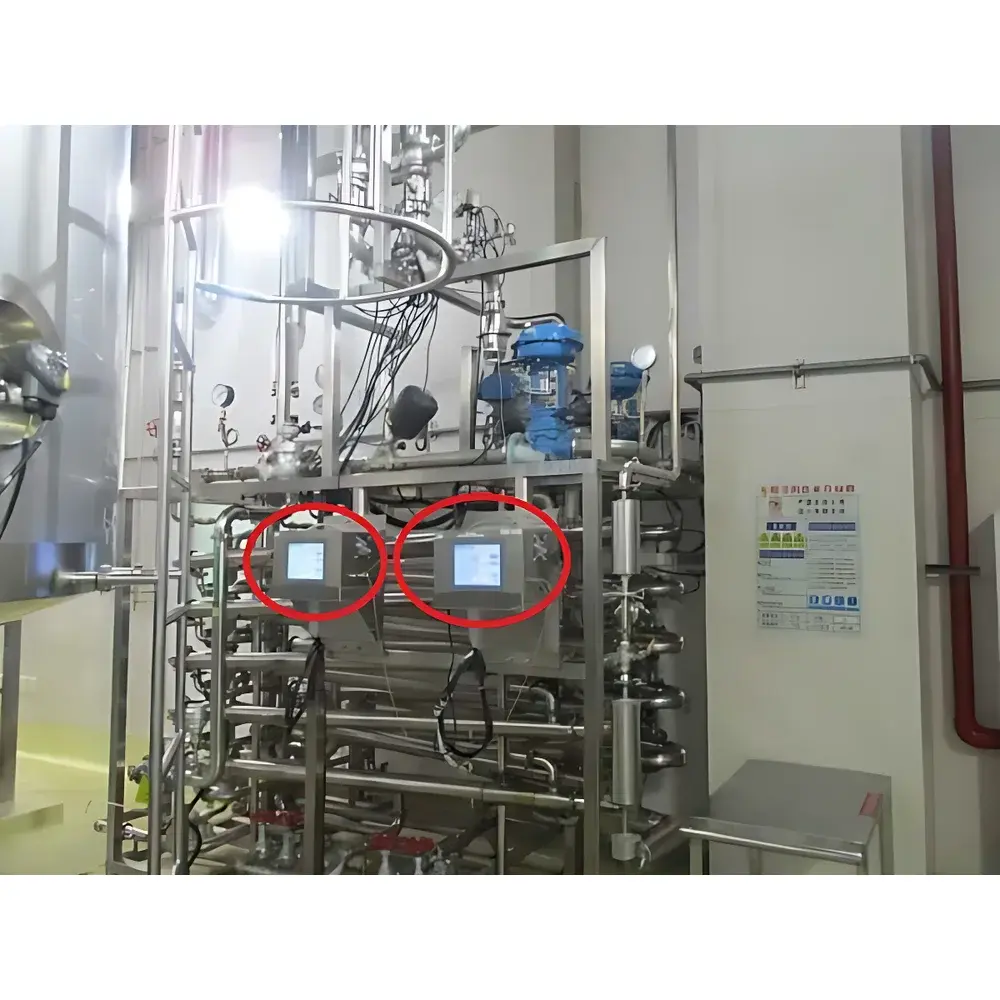
- Continuous TOC surveillance at PW/WFI loop returns to verify system sanitization efficacy and detect early-stage biofilm formation.
- Point-of-use monitoring at critical process connections (e.g., filling lines, buffer preparation stations) to support real-time release testing (RTRT) strategies.
- Validation support during commissioning and periodic requalification of water purification systems per ISPE Water and Steam Systems Baseline Guide.
- Troubleshooting organic ingress events—such as resin leaching, membrane degradation, or storage tank contamination—through temporal correlation with conductivity and temperature trends.
- Environmental monitoring programs where TOC serves as a surrogate indicator for microbial load in non-sterile water systems.
FAQ
Does the TA-3.0 require acidification or sparging prior to analysis?
No. The direct conductivity method eliminates the need for acid addition or inert gas sparging, simplifying operation and reducing consumables.
Can the analyzer be calibrated using potassium hydrogen phthalate (KHP) standard?
Yes—KHP solutions (1–1000 ppb C) are supported for routine calibration verification; certified reference materials traceable to NIST SRM 990c are recommended.
Is the UV lamp replaceable in the field, and what is its rated lifetime?
The low-pressure amalgam UV lamp is user-replaceable and rated for ≥12,000 hours of continuous operation under nominal conditions.
How does the system handle particulate-laden samples?
An integrated 0.45 µm inline filter is installed upstream of the oxidation chamber; filter replacement intervals are logged automatically and trigger maintenance alerts.
What validation documentation is supplied with the instrument?
Factory acceptance test (FAT) reports, IQ/OQ protocols (editable Word/PDF), and a certificate of conformance to ISO 9001:2015 and CE marking directives are included.
Related Products







