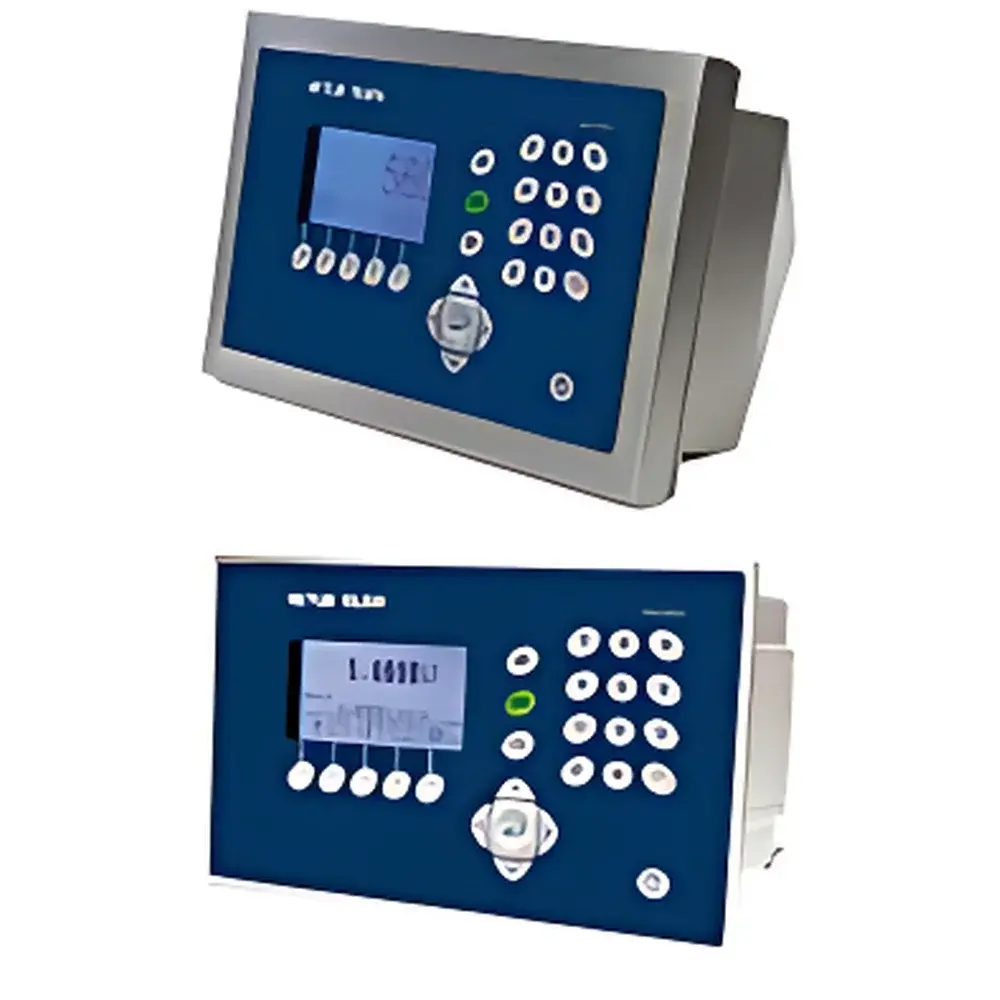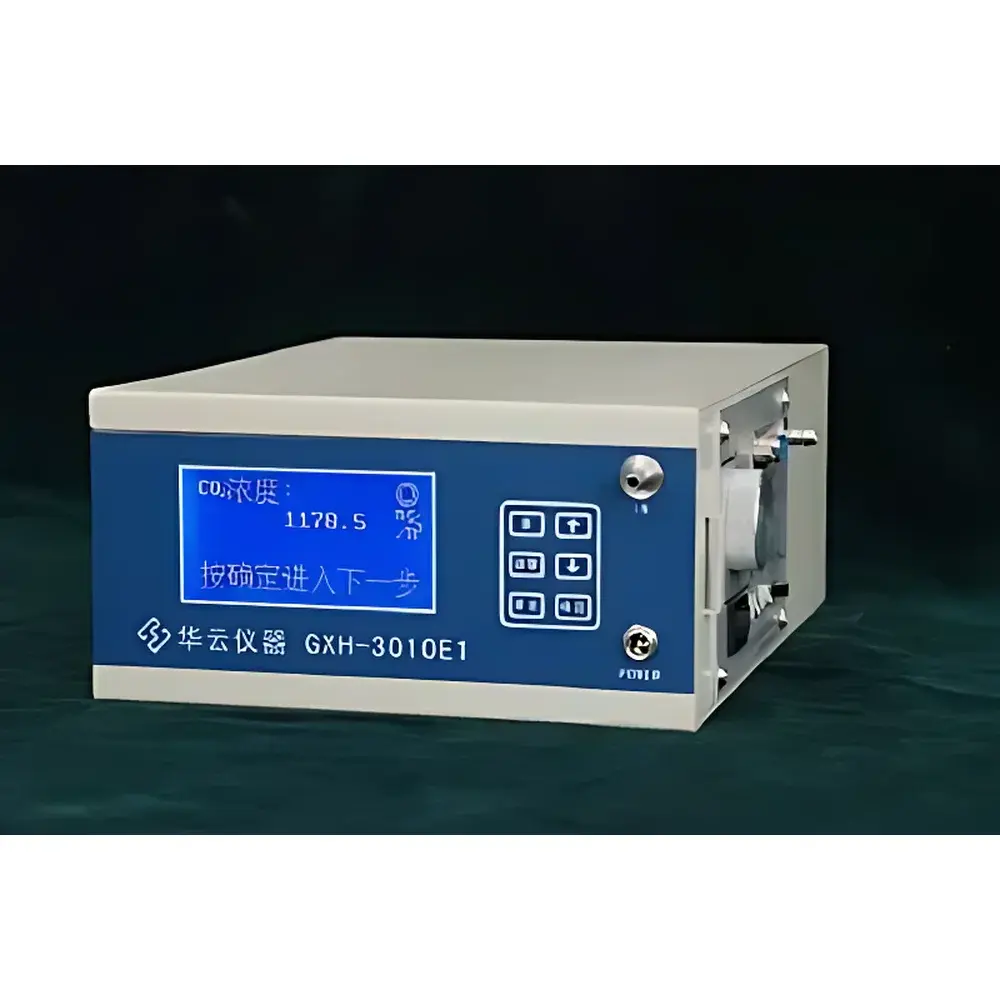
NIUMAG PQ001 NMR-based Electrolyte Affinity Analyzer
| Brand | NIUMAG |
|---|---|
| Origin | Jiangsu, China |
| Manufacturer Type | Authorized Distributor |
| Country of Origin | China |
| Model | PQ001 |
| Pricing | Available Upon Request |
Overview
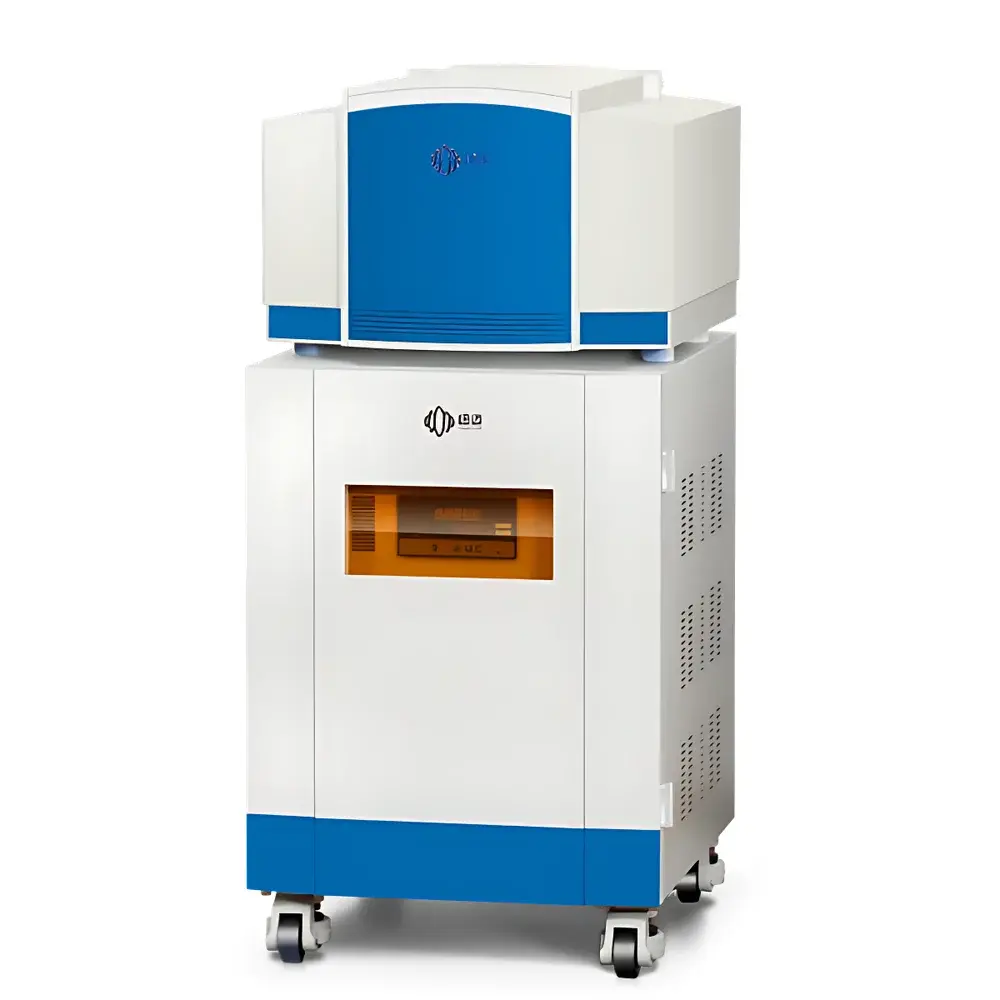
The NIUMAG PQ001 NMR-based Electrolyte Affinity Analyzer is a benchtop low-field nuclear magnetic resonance (LF-NMR) instrument engineered for quantitative evaluation of molecular interaction strength between electrolyte ions and solvent media. Unlike optical or gravimetric methods, the PQ001 leverages transverse relaxation time (T2) distribution analysis of hydrogen protons in the liquid phase to infer interfacial binding dynamics—specifically, the degree of solvation shell formation, ion–solvent coordination stability, and competitive adsorption at particle–liquid interfaces. This principle enables direct, non-invasive assessment of electrolyte affinity without requiring sample derivatization, dilution, or phase separation. The system is calibrated for aqueous and organic electrolyte systems commonly used in lithium-ion battery formulation, fuel cell membrane development, and electroplating bath optimization. Its measurement range covers typical industrial electrolyte concentrations (0.1–5.0 mol/L), with sensitivity to subtle changes in T2 decay profiles induced by ion–solvent hydrogen bonding, dipole alignment, or paramagnetic perturbation.
Key Features
- Low-field (0.5 T) permanent magnet architecture ensuring long-term field homogeneity and minimal drift (<0.05% over 8 hours)
- Integrated RF probe optimized for 1H detection in viscous and opaque dispersions—including slurries, pastes, and concentrated colloidal suspensions
- Automated T2 inversion recovery and CPMG pulse sequence execution with adjustable echo spacing (0.1–2.0 ms) and scan number (16–512)
- Pre-configured affinity calibration protocols for common electrolyte–solvent pairs (e.g., LiPF6/EC-DMC, NaCl/H2O, KOH/glycerol)
- Robust mechanical design compliant with IEC 61000-6-3 (EMC) and IEC 61010-1 (safety), rated for continuous operation in QC laboratories
- Touchscreen HMI with guided workflow navigation—no prior NMR expertise required for routine operation
Sample Compatibility & Compliance
The PQ001 accepts standard 15 mm OD glass NMR tubes (up to 3 mL volume) and accommodates samples with viscosities up to 10,000 mPa·s and solids content up to 60 wt%. It supports opaque, colored, and thermally sensitive electrolytes without signal attenuation or thermal artifact. Method validation aligns with ASTM D7904–18 (Standard Practice for NMR Characterization of Colloidal Dispersions) and ISO 13321:2022 (Particle Size Analysis – NMR Method). Data integrity complies with FDA 21 CFR Part 11 requirements via audit-trail-enabled software, including electronic signatures, user access tiers, and immutable raw FID storage. All firmware and method files are version-controlled and exportable in .csv and .nii formats for third-party statistical analysis.
Software & Data Management
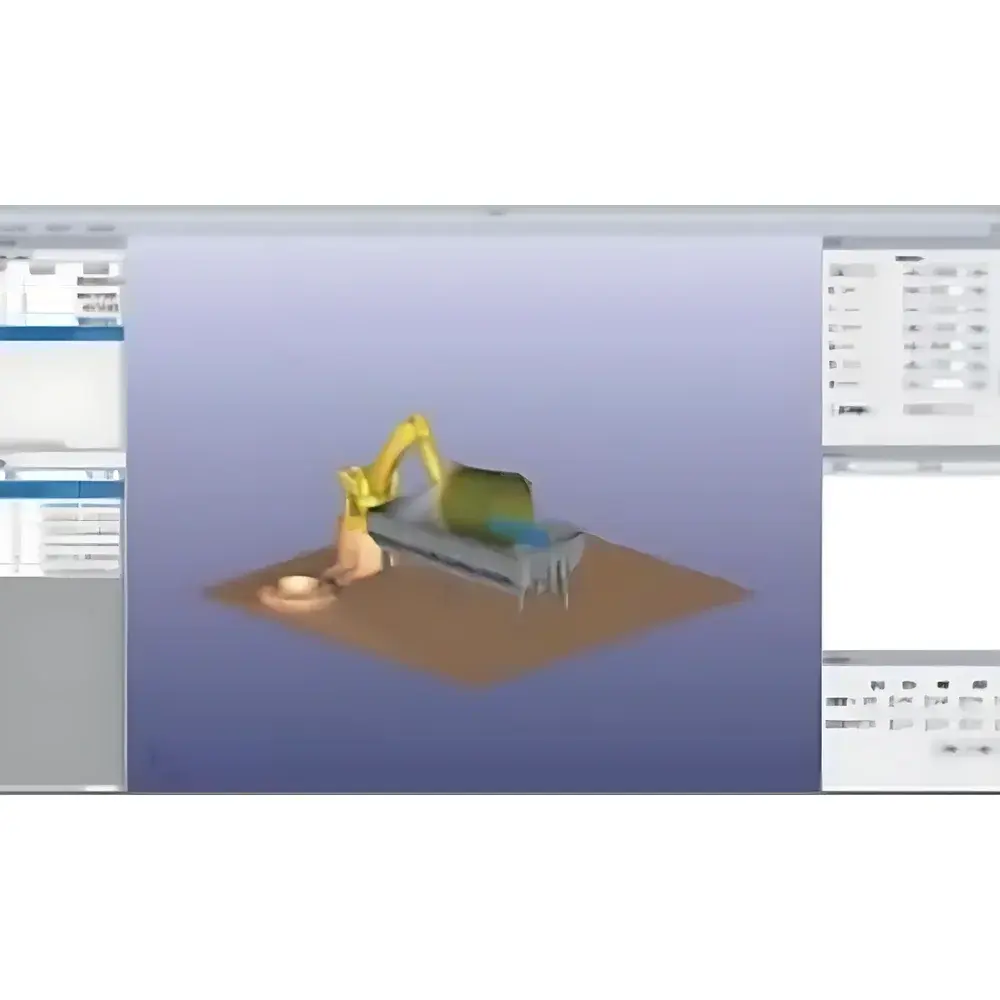
The proprietary NIUMAG NMR-Affinity Suite v3.2 provides automated T2 spectrum deconvolution using non-negative least-squares (NNLS) algorithms with regularization parameter optimization. Key outputs include: (1) multi-component T2 distribution maps, (2) bound–free water ratio quantification, (3) affinity index (AI) derived from the slope of ln(T2,short) vs. log[electrolyte concentration], and (4) dispersion stability index (DSI) calculated from T2 shift kinetics during thermal ramping (25–60 °C). All reports generate GLP-compliant PDFs with embedded metadata (operator ID, timestamp, instrument serial, calibration status). Data backup is configurable to network drives or encrypted USB devices; no cloud upload occurs without explicit user authorization.
Applications
- Battery R&D: Quantifying solvation structure evolution in next-gen electrolytes (e.g., high-concentration LiFSI/DME, solid–liquid hybrids) and correlating T2 shortening with SEI formation propensity
- Ceramic Processing: Monitoring slurry stability during ball milling and spray drying—detecting early-stage agglomeration via T2 heterogeneity increase
- Electroplating Bath Control: Real-time tracking of complexing agent efficacy (e.g., EDTA, citrate) on metal ion solvation in Ni–Co–W baths
- Pharmaceutical Excipient Screening: Differentiating hydration shell integrity of amorphous APIs in co-solvent systems to predict dissolution-limited bioavailability
- Carbon Nanomaterial Dispersion: Evaluating surfactant anchoring density on CNT/graphene surfaces through residual mobile proton fraction
FAQ
How does the PQ001 differentiate between “bound” and “bulk” solvent protons?
It applies multi-exponential T2 decay fitting to resolve at least three relaxation components: surface-bound (< T2 = 0.5 ms), interfacial hydration (< T2 = 1–10 ms), and bulk-like (> T2 = 50 ms), validated against D2O exchange experiments.
Can it quantify trace paramagnetic impurities affecting electrolyte stability?
Yes—the instrument detects T2 shortening gradients induced by Fe3+, Mn2+, or Ni2+ at concentrations ≥ 1 ppm via line-broadening analysis of the longest T2 component.
Is method transfer possible between PQ001 units?
All instruments ship with factory-matched magnet shimming and RF probe tuning profiles; cross-unit correlation coefficient (r²) for identical samples exceeds 0.998 when using standardized calibration standards.
Does it require cryogens or external cooling?
No—permanent magnet design operates at ambient temperature (15–35 °C); optional Peltier-controlled sample holder maintains ±0.2 °C stability during kinetic studies.