
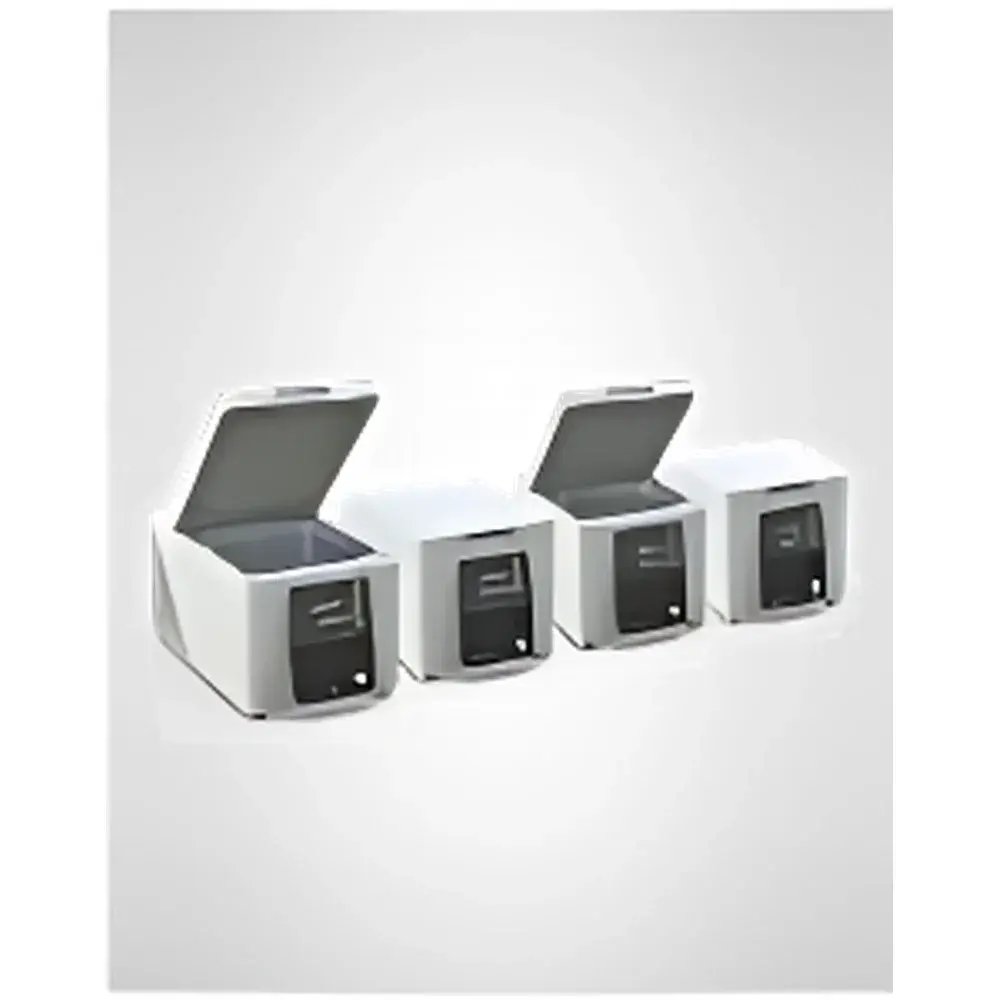
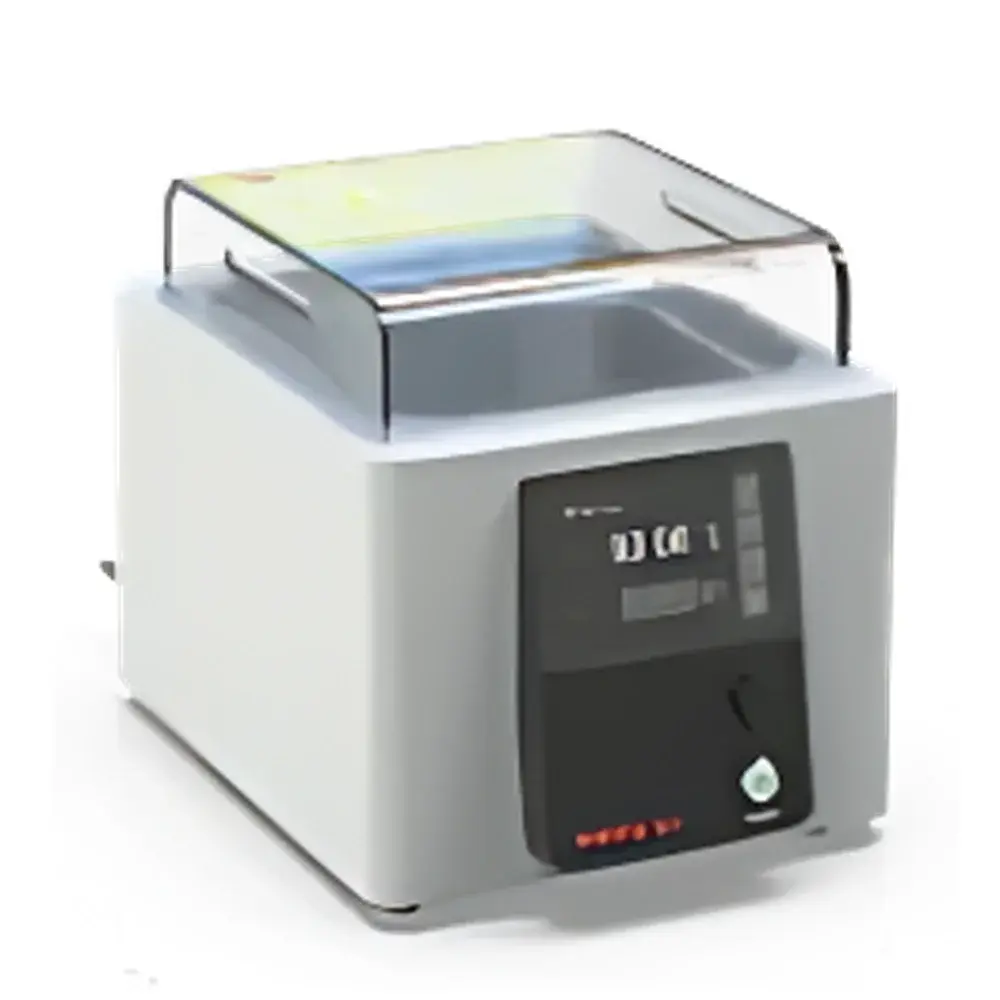
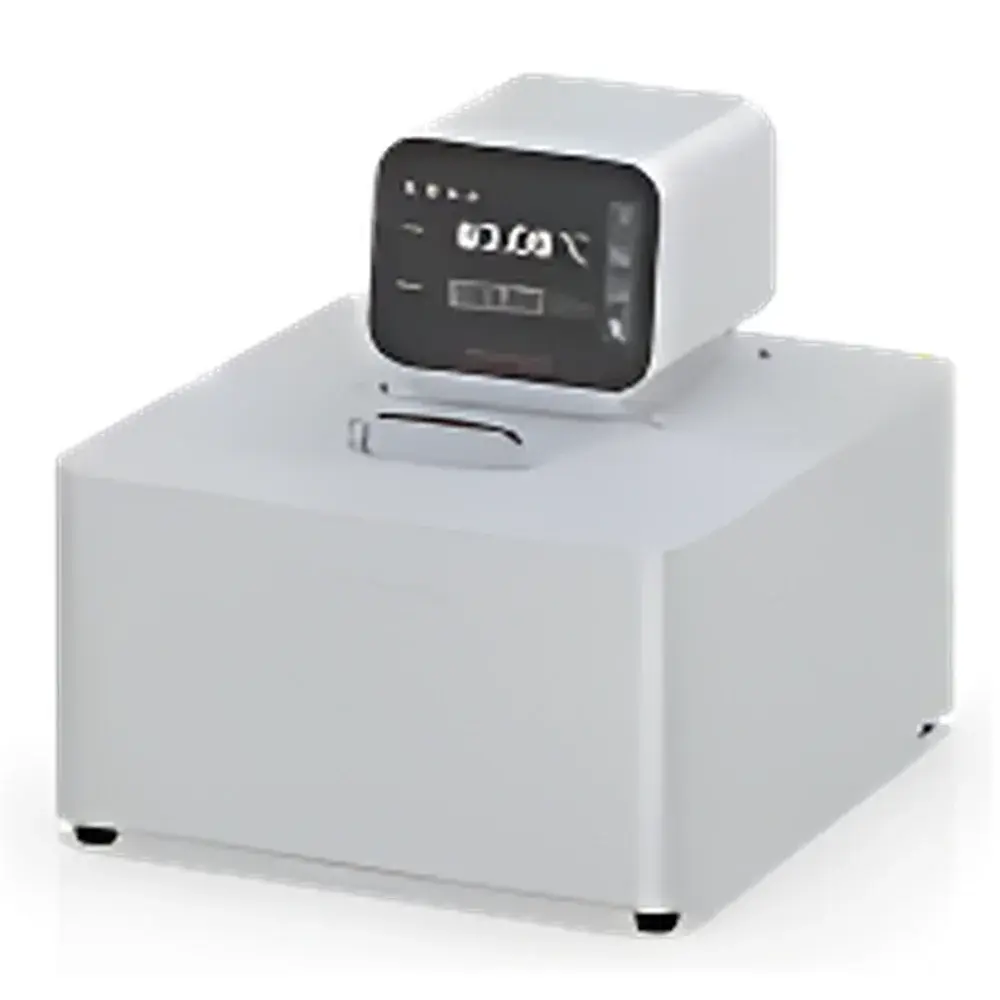
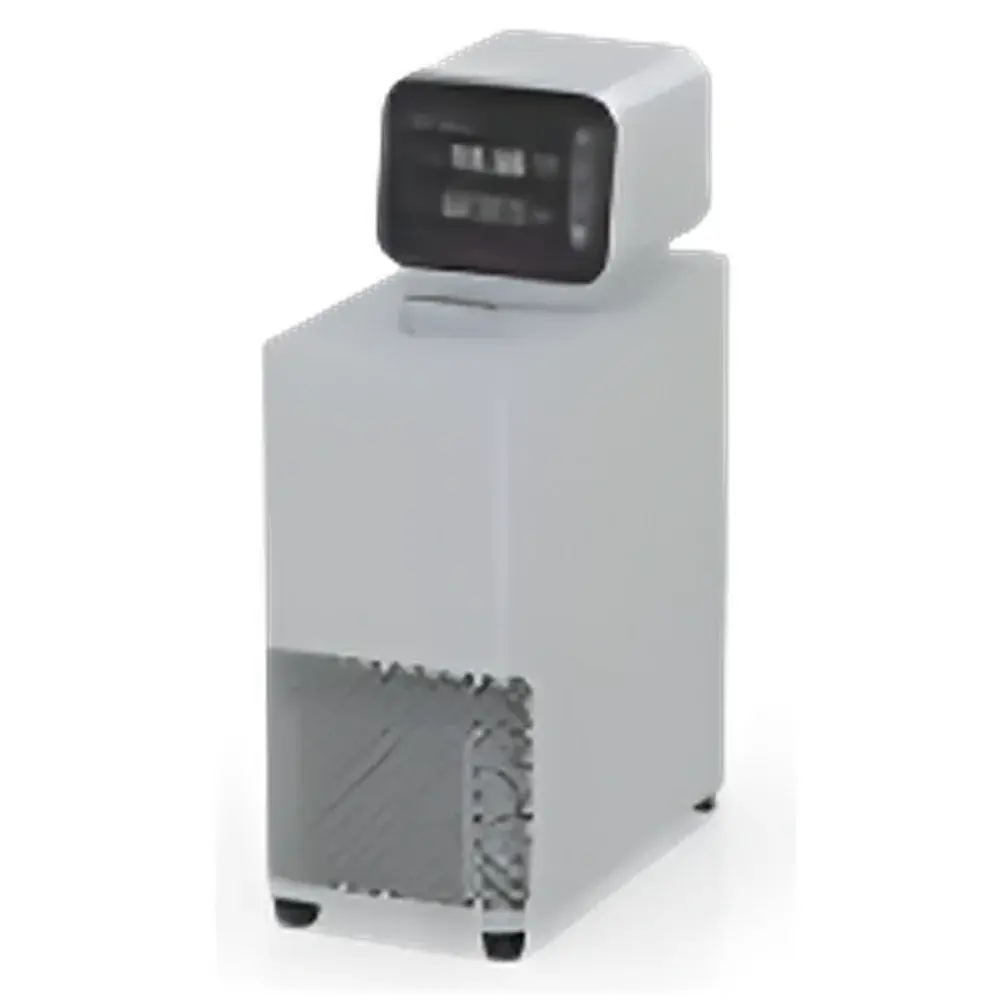
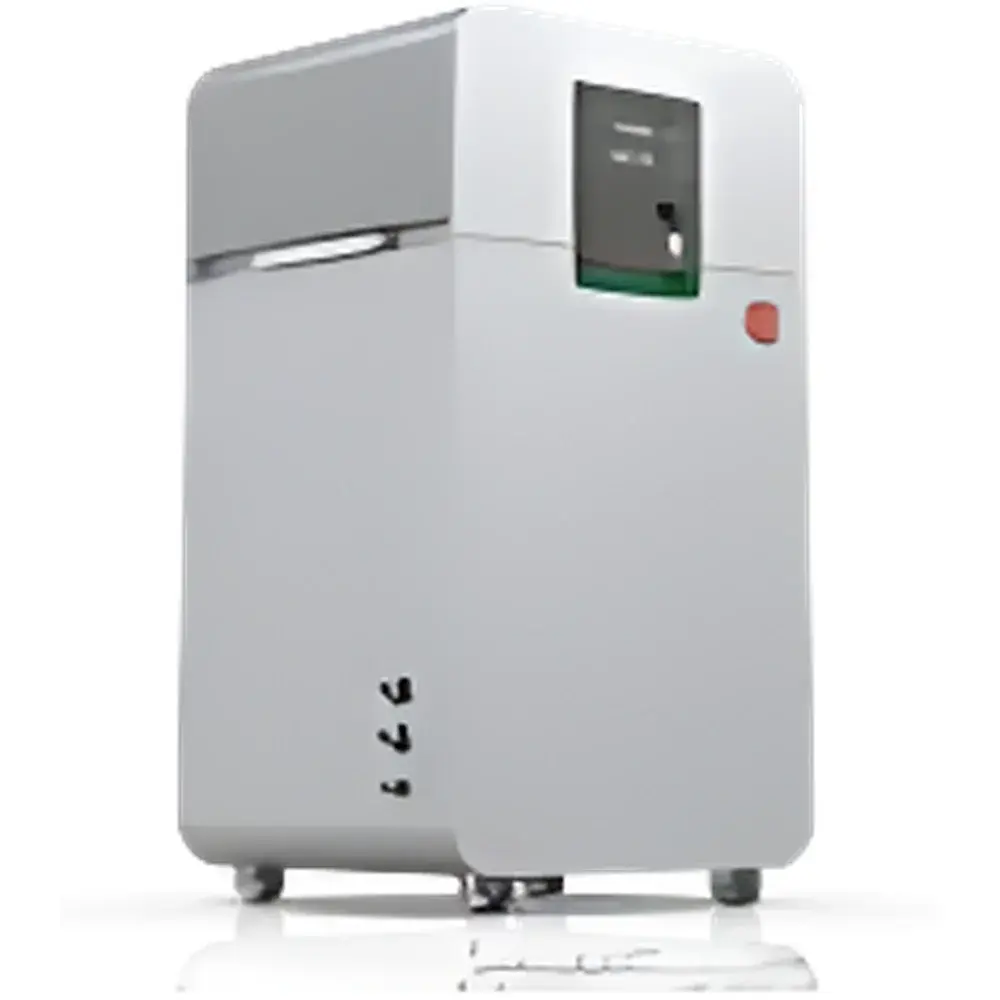
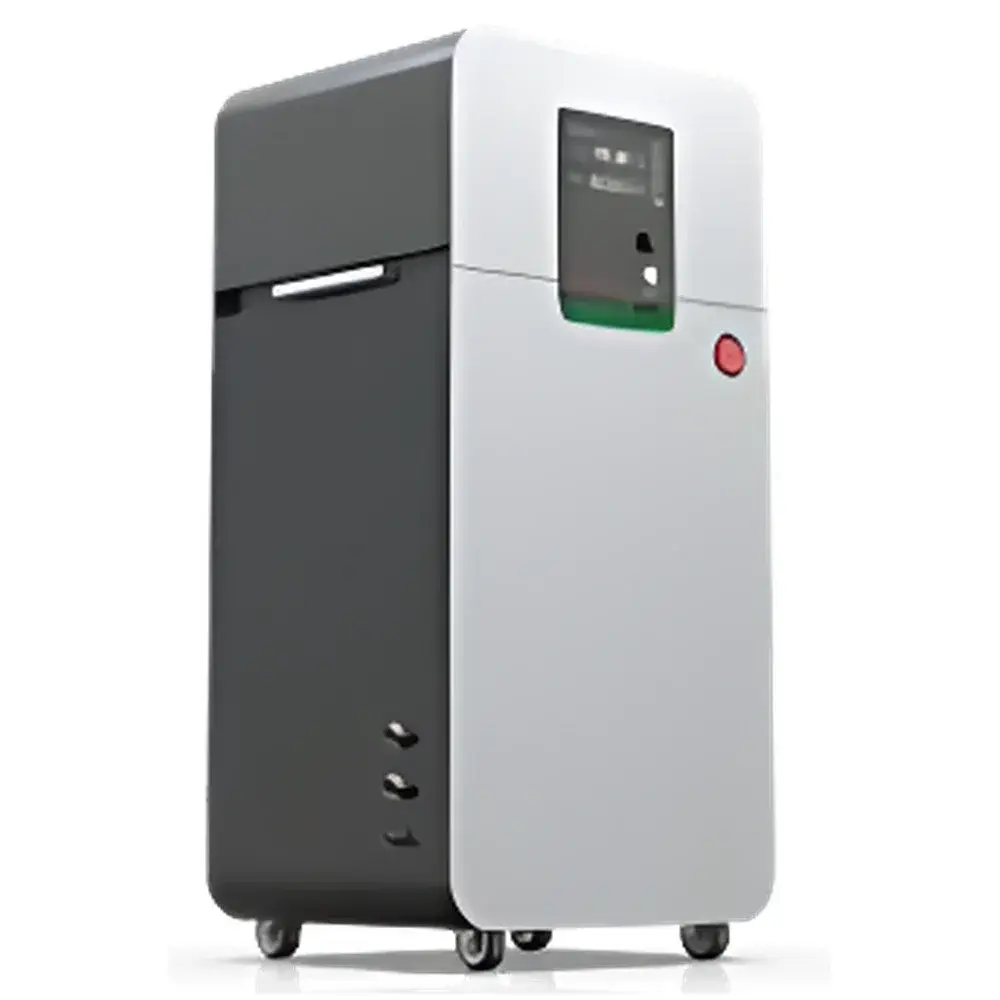
OMNICAL CB2008 / OB1008 / HB2020 / TB1505.025 / UB7507.05 Advanced Refrigerated/Heating Circulating Bath Systems
| Brand | OMNICAL |
|---|---|
| Origin | USA |
| Type | Refrigerated & Heating Circulating Bath |
| Models | CB2008, OB1008, HB2020, TB1505.025, UB7507.05 |
| Temperature Range | −90 °C to +250 °C |
| Bath Volume | 3 L to 20 L |
| Temperature Stability | ±0.01 °C to ±0.05 °C |
| Circulation Mode | Internal & External (Dual-Loop) |
| Compliance | CE, UL 61010-1, RoHS |
Overview
The OMNICAL series of refrigerated/heating circulating baths—including the CB2008, OB1008, HB2020, TB1505.025, and UB7507.05 models—represents a family of precision temperature control systems engineered for demanding laboratory and industrial applications. These units operate on a dual-loop thermoregulation principle: an internal circulation loop maintains uniform thermal distribution within the bath reservoir, while an external loop enables precise temperature delivery to auxiliary equipment such as viscometers, spectrophotometers, reaction jackets, or calorimeters. Each model integrates a high-efficiency hermetic compressor, Peltier-assisted pre-cooling (in low-temperature variants), and a PID-controlled resistive heating system with adaptive gain scheduling. The temperature range spans from −90 °C (achieved via cascade refrigeration in CB2008 and OB1008) to +250 °C (enabled by high-flashpoint silicone oil compatibility and reinforced sealing in HB2020 and TB1505.025), supporting both cryogenic characterization and high-temperature material processing workflows.
Key Features
- Wide operational span: −90 °C to +250 °C across model variants, accommodating ASTM D341 viscosity-temperature correlation studies, ISO 11357-3 polymer melting analysis, and USP compounding environment validation.
- Dual-circulation architecture: Independent internal recirculation (≥12 L/min at 20 °C) and externally regulated flow (adjustable 0–10 L/min, pressure up to 2.5 bar) with integrated dry-run protection and flow monitoring.
- High-stability thermal control: ±0.01 °C stability (at 25 °C, load-free) achieved through multi-sensor feedback (PT1000 immersion probe + auxiliary chamber sensor), active vibration damping, and low-thermal-mass stainless-steel reservoirs.
- Intelligent fluid management: Auto-fill and level-sensing capability; compatibility with water, 50% ethylene glycol/water mixtures, and certified silicone oils (e.g., Dow Corning 200 Fluid, flash point >300 °C).
- Safety-certified construction: UL 61010-1 listed enclosure, overtemperature cutoff (hardware-independent), refrigerant leak detection (R-507A/R-134a dual-stage systems), and IP20-rated electrical compartment.
Sample Compatibility & Compliance
These baths are designed for integration into GLP- and GMP-regulated environments. All models support traceable calibration per ISO/IEC 17025 requirements, with optional NIST-traceable certificate packages. Reservoir materials (316L stainless steel, fluoropolymer-coated pump heads, EPDM/FKM seals) ensure chemical resistance against common solvents, acids, and bases encountered in QC labs. The TB1505.025 and UB7507.05 models meet FDA 21 CFR Part 11 readiness when paired with OMNICAL’s optional audit-trail-enabled controller firmware—supporting electronic signatures, user-level access control, and immutable event logging. Units comply with electromagnetic compatibility standards (EN 61326-1) and are CE-marked for use in EU-based research and manufacturing facilities.
Software & Data Management
Standard operation is managed via a front-panel capacitive touchscreen with intuitive icon-driven navigation and real-time graphical trend display (temperature, setpoint deviation, flow rate). Optional Ethernet or RS-485 connectivity enables remote supervision through OMNICAL’s LabLink™ software suite—compatible with Windows 10/11 and macOS 12+. LabLink™ provides automated data export (CSV, PDF), scheduled ramp/soak profiles, alarm escalation (email/SNMP), and seamless integration with LIMS platforms via OPC UA or Modbus TCP. All controller firmware versions include built-in diagnostic self-tests and version-locked configuration backups to prevent unauthorized parameter changes during routine audits.
Applications
- Calibration of temperature-sensitive analytical instruments (e.g., HPLC column ovens, FTIR sample compartments, DSC reference cells).
- Controlled-rate cooling/heating for polymer crystallization kinetics (ISO 10364), pharmaceutical stability testing (ICH Q1A), and battery electrolyte viscosity profiling.
- Thermal conditioning of optical components requiring sub-0.02 °C drift over 24-hour periods (e.g., interferometer reference arms, laser cavity mounts).
- Support of ASTM D2857 (FTIR cell temperature control), ASTM D445 (kinematic viscosity bath), and ISO 3104 (petroleum products testing) protocols.
- Reaction optimization in continuous-flow chemistry systems where precise exotherm management and heat removal are critical.
FAQ
What is the minimum external loop flow rate required for stable temperature delivery?
Stable external temperature control is maintained at flow rates ≥0.5 L/min; optimal performance is achieved between 2–6 L/min depending on line length and heat exchange surface area.
Can these baths operate unattended for extended periods (e.g., 72+ hours)?
Yes—units feature redundant safety systems, auto-recovery after power interruption, and configurable alarm thresholds that trigger visual/audible alerts and optional network notifications.
Is silicone oil included with high-temperature models like HB2020?
No—silicone oil must be selected and procured separately based on required flash point, viscosity grade, and compatibility with your application; OMNICAL provides a validated fluid selection guide upon request.
Do OMNICAL circulating baths support custom communication protocols for integration into existing SCADA systems?
Yes—Modbus RTU/ASCII, Modbus TCP, and ASCII serial command sets are standard; custom protocol wrappers (e.g., Siemens S7, Allen-Bradley DF1) are available under OEM development agreement.
How often does the refrigeration system require maintenance?
Under normal laboratory conditions, compressor oil and filter-drier replacement is recommended every 24 months; annual performance verification (cool-down time, stability at extremes) is advised per ISO/IEC 17025 Clause 6.4.10.



