
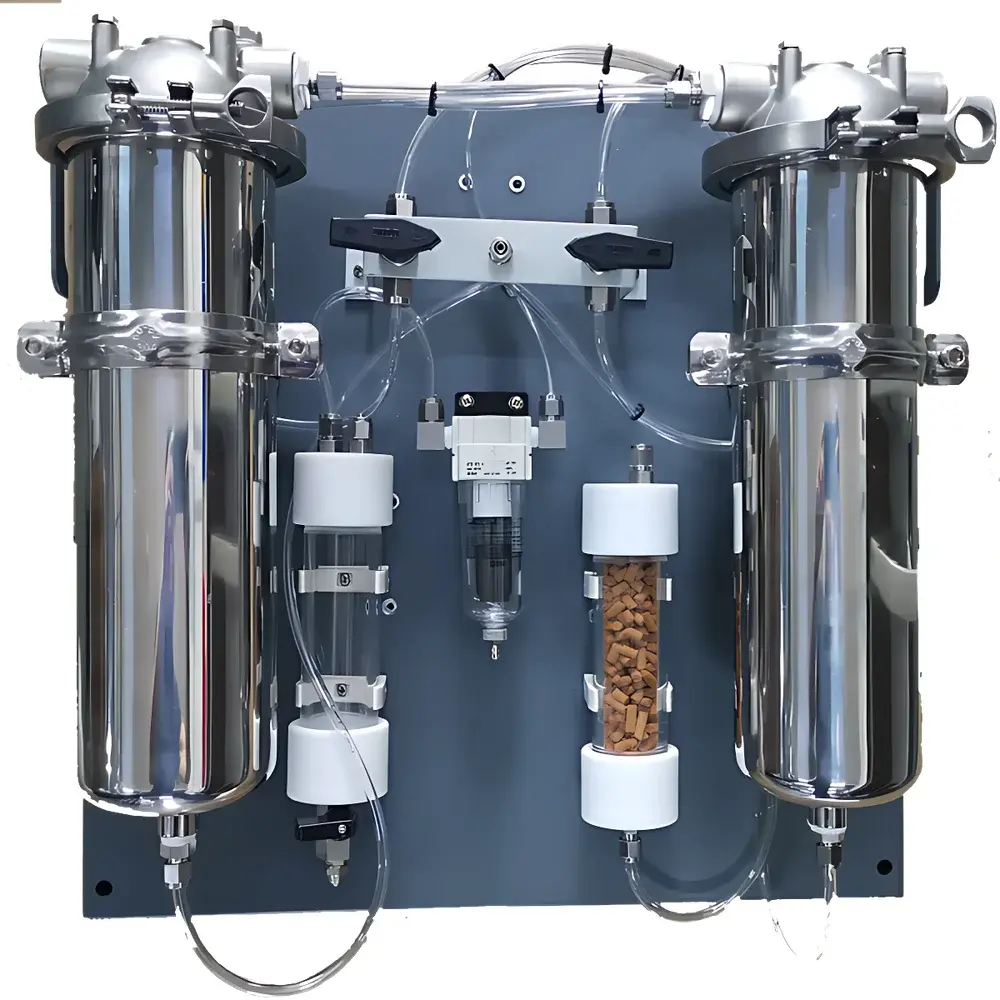
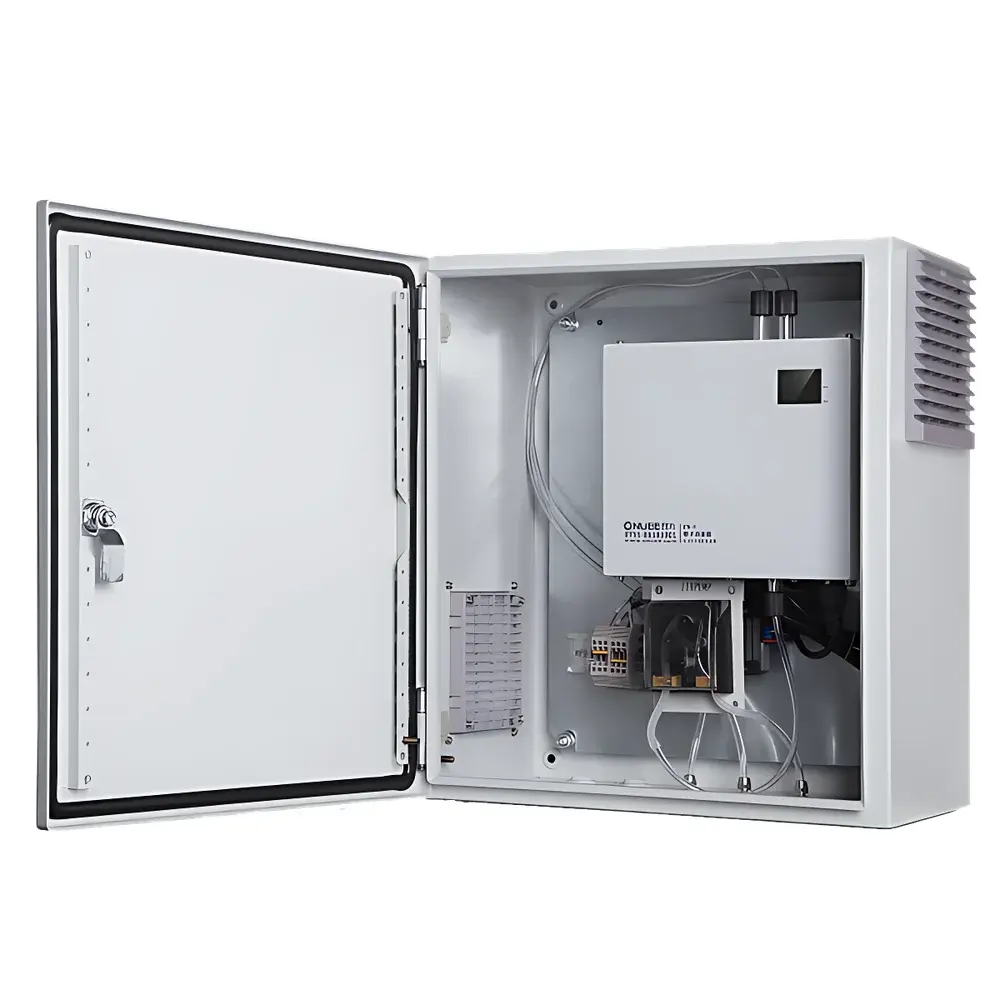
ONUEE CS31/CS-1/UE30 Gas Sampling, Filtration & Preconditioning System
| Brand | ONUEE |
|---|---|
| Origin | Guangdong, China |
| Manufacturer Type | Authorized Distributor |
| Country of Origin | China |
| Models | CS31, CS-1, UE30 |
| Pricing | Available Upon Request |
Overview
The ONUEE CS31/CS-1/UE30 Gas Sampling, Filtration & Preconditioning System is an engineered solution designed to deliver clean, representative, and thermally stable sample gas streams to continuous emission monitoring systems (CEMS), process analyzers, and laboratory-grade gas chromatographs or optical sensors. Operating on the principles of controlled condensation, particulate separation, and heated transport, this system ensures analytical integrity by mitigating common sampling artifacts—including moisture dropout, acid gas adsorption, hydrocarbon condensation, and particulate-induced fouling. It is deployed upstream of critical analyzers in regulated industrial environments such as power generation, cement kilns, waste incineration, chemical manufacturing, and municipal wastewater treatment plants—where compliance with EPA Method 1–4, EN 15267, and ISO 16911 hinges on sample representativeness and conditioning stability.
Key Features
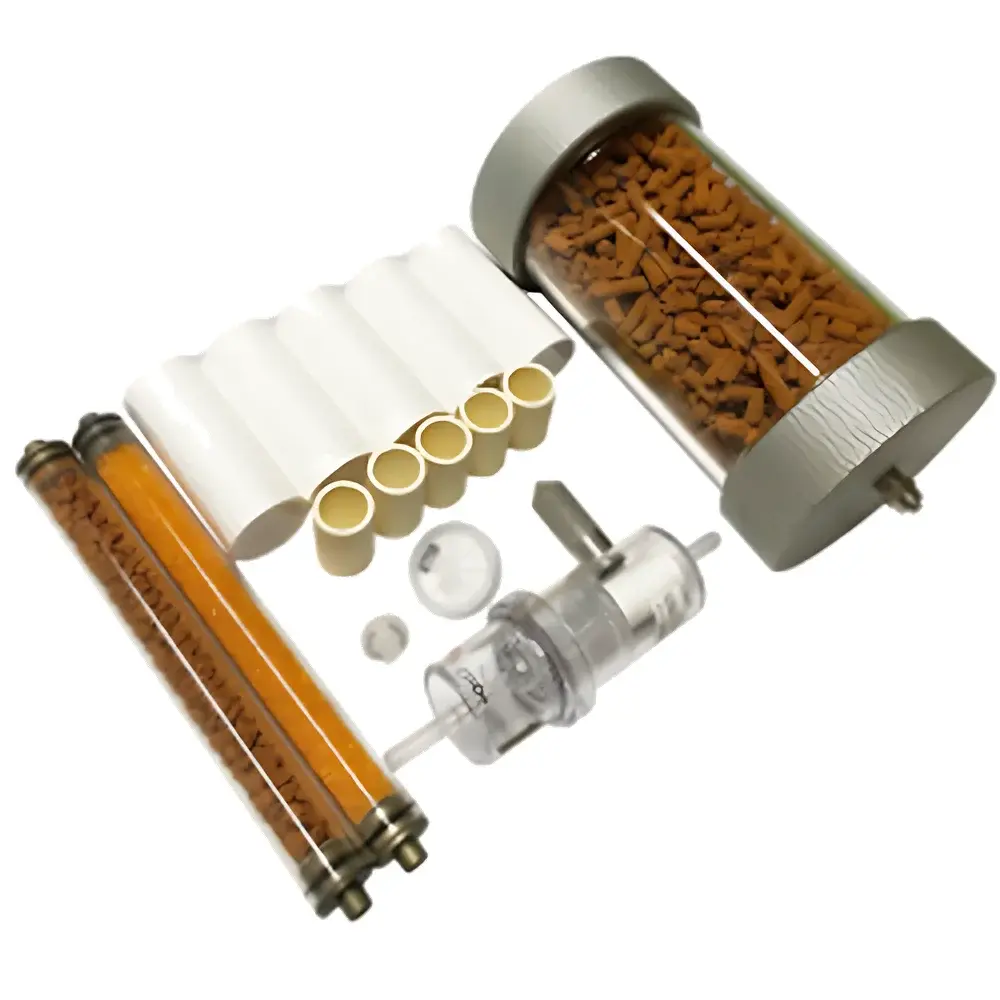
- Multi-stage filtration architecture integrating PTFE membrane filters (0.1–1.0 µm pore size), sintered stainless steel or ceramic depth filters, and chemically resistant coalescing elements for removal of aerosols, submicron particulates, oil mist, and entrained water droplets.
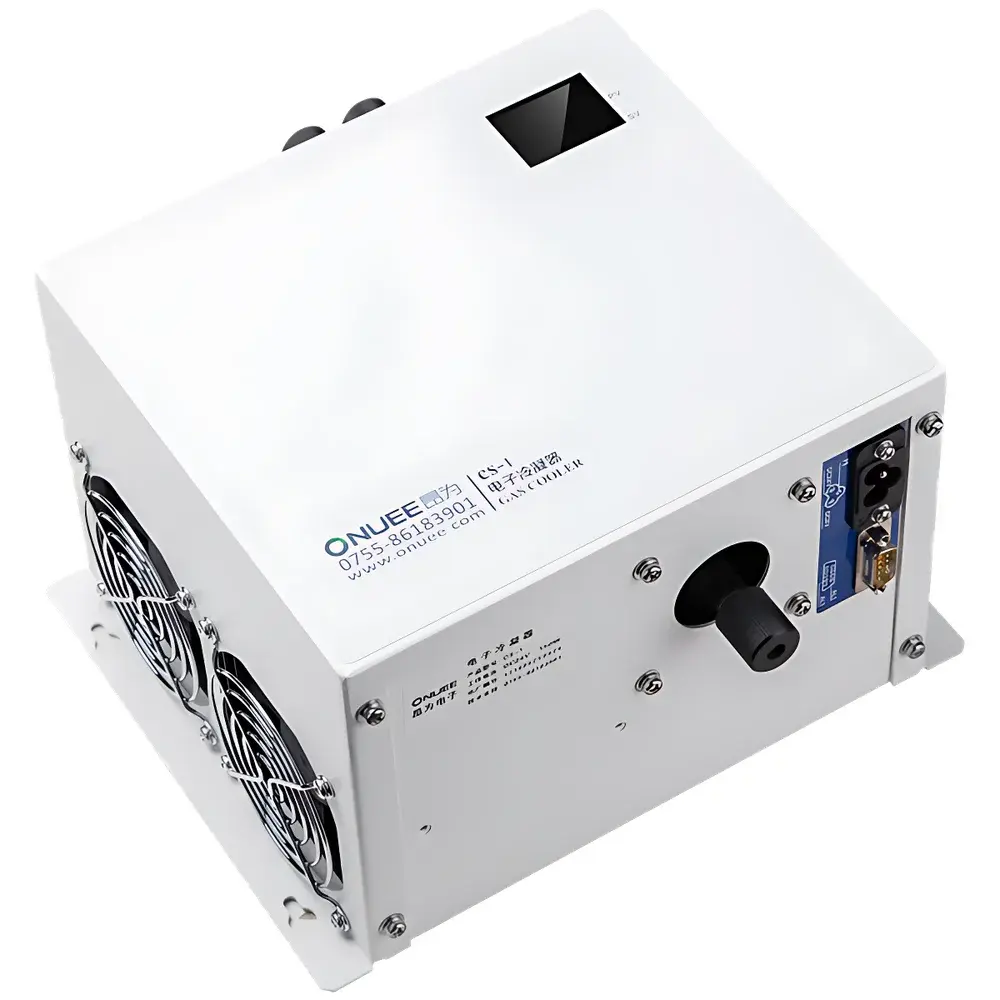
- CS31 Condensation-Based Preconditioner: Features a precisely temperature-controlled Peltier-cooled condenser (adjustable from +2 °C to +10 °C) with automatic condensate drainage and level monitoring; maintains dew point suppression without freezing risk.
- CS-1 Heated Sample Conditioning Unit: Equipped with integrated PID-controlled heating (up to 180 °C) for hot-wet sampling applications; includes dual-stage filtration and pressure regulation to preserve sample composition during high-humidity or corrosive gas exposure.
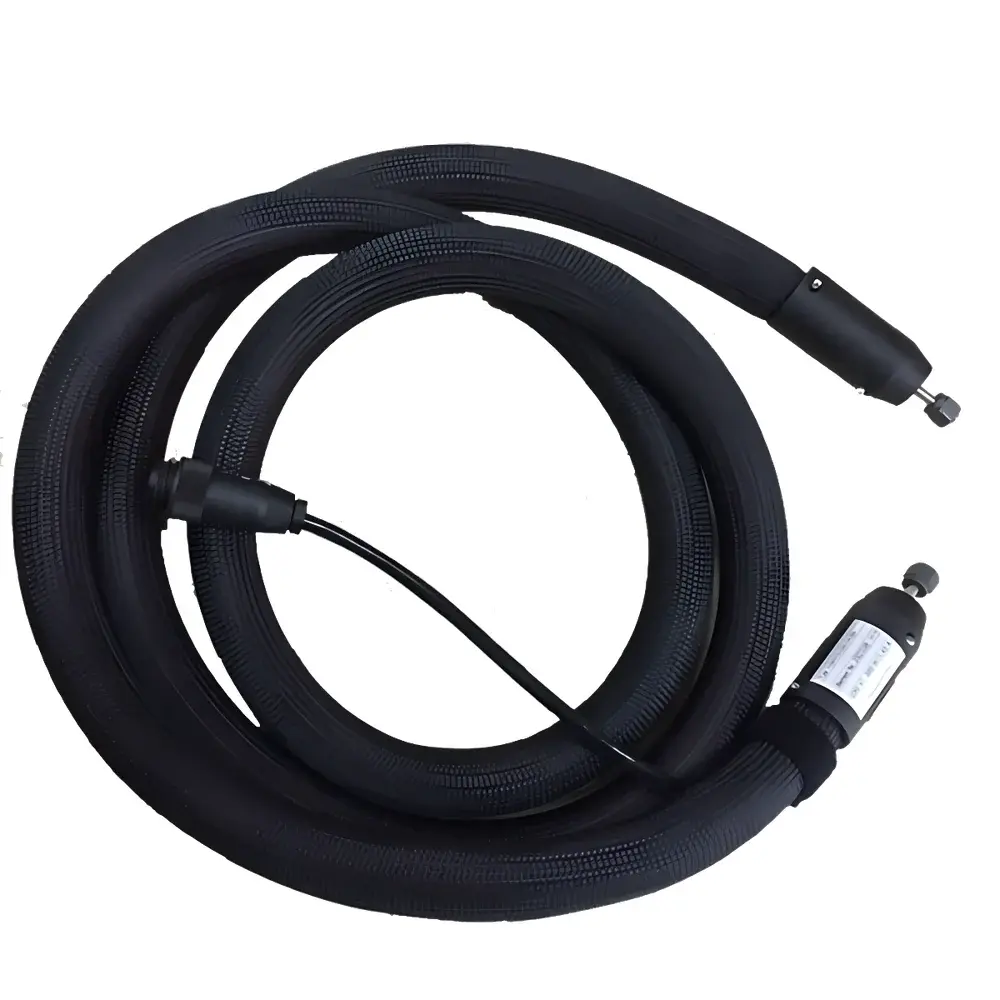
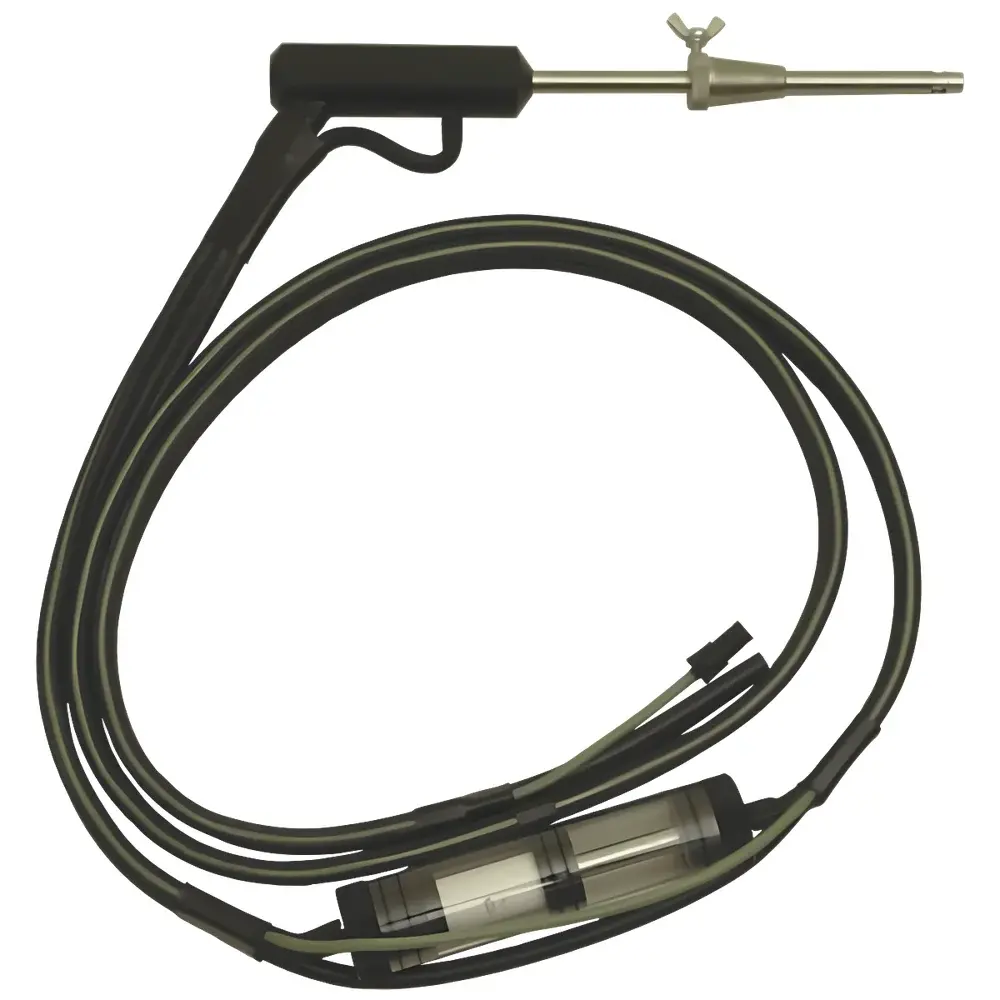
- UE30 Heated Sampling Probe & Line Assembly: Comprises an Inconel 600 or 316L stainless steel probe with zone-heated sampling tip (120–200 °C), insulated heated tubing (120 °C nominal), and integrated thermal management to prevent condensation throughout the entire transport path.
- MP-Series Diaphragm Analysis Pumps: Chemically inert, oil-free, pulse-dampened vacuum pumps rated for continuous duty at flow rates of 0.5–5 L/min, compatible with aggressive gases including HCl, SO₂, NOₓ, NH₃, and Cl₂.
- Modular, field-serviceable design with standardized 1/4″ Swagelok® or VCR® fittings; all wetted materials comply with ASTM A269/A270 for corrosion resistance and USP Class VI biocompatibility where applicable.
Sample Compatibility & Compliance
The system accommodates a broad spectrum of stack and process gases—including flue gas, syngas, biogas, landfill gas, and semiconductor process exhaust—with total particulate loadings up to 100 mg/m³ and moisture content ranging from saturated (100% RH) to dry (<10 ppmv H₂O). All filtration and conditioning components are validated per ISO 10156 for material compatibility with reactive gases and conform to EN 14181 requirements for QA/QC traceability in CEMS installations. The CS31 and CS-1 units support optional audit trails and calibration log storage compliant with EU Directive 2010/75/EU (IED) and U.S. EPA 40 CFR Part 60, Subpart FFFF. Full documentation packages—including material certifications, pressure test reports, and filter efficiency validation data—are provided for GLP/GMP and ISO/IEC 17025 laboratory accreditation purposes.
Software & Data Management
While the core hardware operates autonomously, optional digital interfaces include 4–20 mA analog outputs for condensate level, heater status, and inlet/outlet temperature; Modbus RTU over RS-485 enables integration into DCS or SCADA platforms. Firmware supports configurable alarm thresholds (e.g., high condensate level, heater fault, low flow) with latching event logging. For regulatory reporting, the system supports timestamped maintenance records and filter replacement logs aligned with FDA 21 CFR Part 11 electronic record requirements when paired with ONUEE’s certified data acquisition module (sold separately). Remote diagnostics via Ethernet-enabled gateway units allow predictive maintenance planning based on operational hour counters and thermal cycling history.
Applications
- Continuous Emission Monitoring Systems (CEMS) for SO₂, NOₓ, CO, O₂, and VOCs in coal-fired and biomass boilers.
- Process gas analysis in ethylene crackers, ammonia synthesis loops, and chlorine production cells.
- Biogas quality control (CH₄, CO₂, H₂S, siloxanes) prior to upgrading or combustion.
- Calibration gas delivery systems requiring ultra-low particulate and moisture content (e.g., for FTIR or CRDS analyzers).
- Environmental research campaigns involving ambient air speciation, fugitive emission detection, and odorant quantification (e.g., mercaptans, THMs).
FAQ
What is the maximum operating temperature for the UE30 heated probe?
The UE30 probe tip is rated for continuous operation up to 200 °C, with standard configurations maintaining 180 °C at the tip and 120 °C along the heated line.
Can the CS31 be used for acidic gas sampling (e.g., HCl, HF)?
Yes—the CS31 housing and internal components are constructed from 316L stainless steel and fluoropolymer seals; optional Hastelloy C-276 wetted parts are available for severe acid service.
Is third-party certification available for explosion-proof installation?
The CS-1 and UE30 assemblies can be supplied with ATEX II 2G Ex d IIB T4 Gb or IECEx certification upon request; CSA Class I, Div 1 approval is also supported.
How often should the PTFE membrane filters be replaced?
Filter replacement intervals depend on particulate loading but typically range from 3–6 months in moderate-duty applications; real-time differential pressure monitoring is recommended to trigger preventive maintenance.
Does the system support zero/span calibration gas introduction?
All models feature dedicated 1/8″ NPT calibration ports upstream of the final filter stage, enabling automated or manual calibration without system isolation.







