
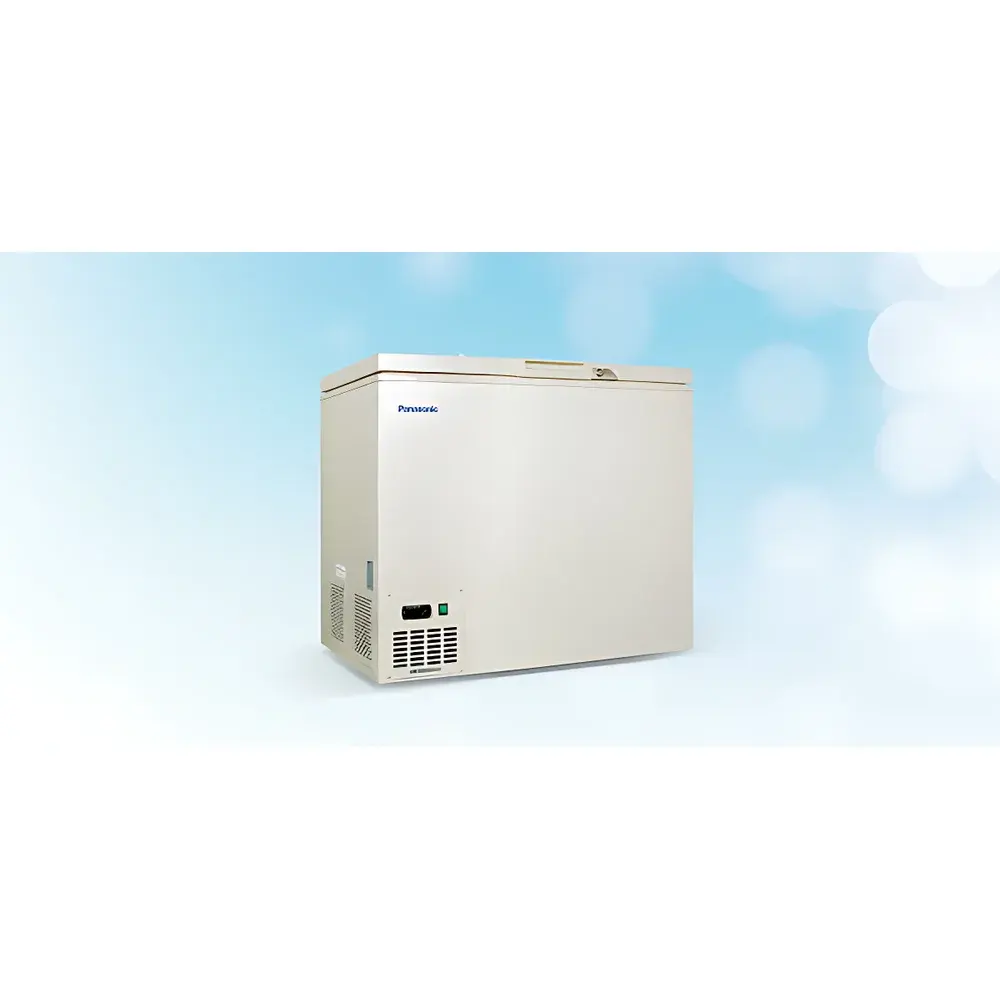
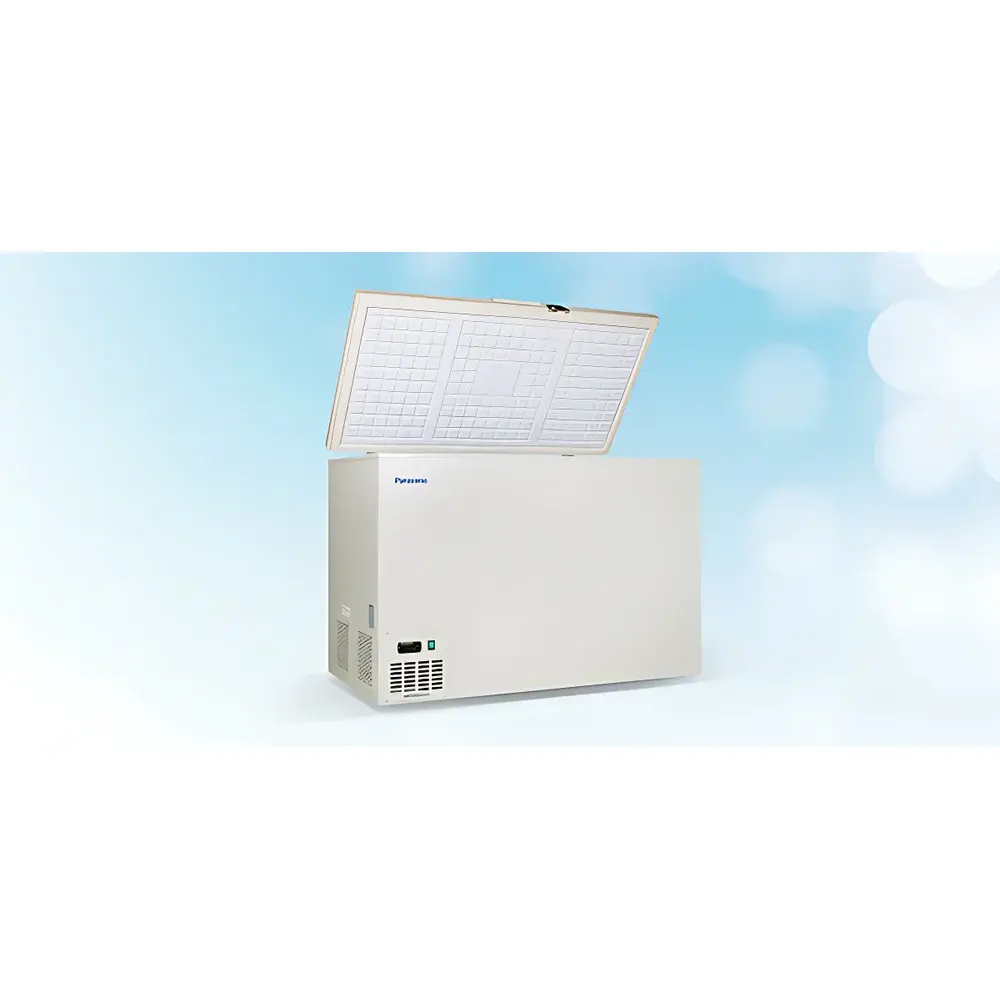
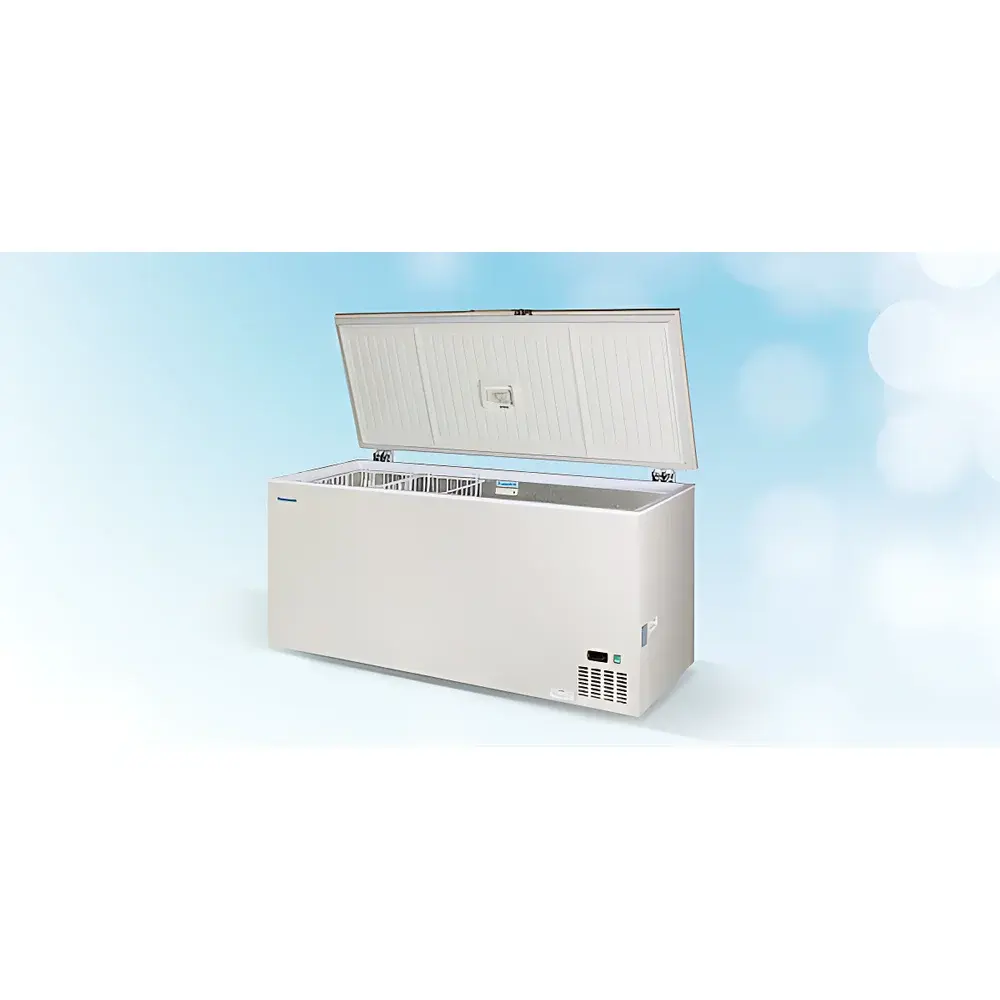
Panasonic SDF-C230/C430/C630 Medical-Grade Low-Temperature Upright Freezers
| Brand | Panasonic |
|---|---|
| Model Series | SDF-C230, SDF-C430, SDF-C630 |
| Temperature Range | −20 °C to −35 °C (SDF-C230/C430) |
| Effective Volume | 280 L / 425 L / 635 L |
| Internal Dimensions (W×D×H) | 780×550×733 mm / 1140×550×733 mm / 1674×620×663 mm |
| External Dimensions (W×D×H) | 924×694×931 mm / 1284×694×931 mm / 1800×800×848 mm |
| Power Supply | 220 V, 50 Hz |
| Rated Input Power | 210 W / 240 W / 365 W |
| Refrigerant | R404A |
| Compressor | Hermetic Sealed |
| Door Type | Top-opening Single Door |
| Locking Mechanism | Mechanical Door Lock |
| Safety Alarms | Adjustable High/Low Temperature Alarm, Condenser Temperature Anomaly Alarm |
| Insulation | High-Density Polyurethane Foam |
| Exterior Material | Electro-Galvanized Steel with Polyester Powder Coating |
| Interior Material | Electro-Galvanized Steel (C230/C430) / Embossed Aluminum (C630) |
| Net Weight | 85 kg / 95 kg / 105 kg |
Overview
The Panasonic SDF-C230, SDF-C430, and SDF-C630 series are medical-grade upright low-temperature freezers engineered for reliable, energy-efficient storage of temperature-sensitive biological samples, reagents, vaccines, and pharmaceuticals. Designed and manufactured in China under Panasonic’s global quality assurance framework, these units operate within a stable temperature range of −20 °C to −35 °C (C230 and C430) or −20 °C to −30 °C (C630), maintaining ±2 °C uniformity across the chamber under ambient conditions of 5–30 °C. Their thermodynamic architecture employs a hermetically sealed compressor and environmentally compliant R404A refrigerant, optimized for consistent thermal performance and long-term operational stability in clinical laboratories, biobanks, and GMP-compliant QC environments.
Key Features
- Enhanced Thermal Integrity: High-density polyurethane foam insulation (up to 100 mm thick in critical zones) minimizes heat ingress and ensures rapid temperature recovery after door openings—critical for sample integrity during frequent access.
- Optimized Heat Dissipation: Patented condenser layout with passive airflow management eliminates reliance on service-prone filters; reduces surface frosting and extends maintenance intervals without compromising cooling capacity.
- Operational Security: Mechanical door lock prevents unauthorized access—a prerequisite for ISO 15189-accredited clinical labs and institutions adhering to CLIA or CAP requirements for specimen chain-of-custody control.
- Intuitive Safety Monitoring: Dual-stage alarm system includes user-adjustable high/low temperature thresholds and independent condenser temperature anomaly detection, with visual and audible alerts compliant with IEC 61000-4 EMC standards.
- User-Centric Design: Top-opening single-door configuration supports ergonomic loading/unloading; interior lighting (standard on SDF-C630, optional on others) enhances visibility during nighttime or low-light operations.
- Energy-Efficient Operation: Optimized compressor cycling logic and low-power standby mode reduce annual energy consumption by up to 18% compared to legacy models—supporting LEED-certified lab infrastructure goals.
Sample Compatibility & Compliance
These freezers accommodate standard cryovial racks (2 mL, 5 mL), PCR tube boxes, serum bottles, and pre-filled syringes. The electrogalvanized steel interior (SDF-C230/C430) offers corrosion resistance for routine disinfection with 70% ethanol or quaternary ammonium solutions, while the embossed aluminum liner (SDF-C630) provides enhanced durability against repeated mechanical abrasion from large-volume container handling. Units conform to IEC 61010-1:2010 for laboratory equipment safety and meet electromagnetic compatibility requirements per EN 61326-1. Though not UL-listed for North America, they comply with CE marking directives and support GLP/GMP documentation workflows through configurable alarm logging and manual audit trail generation.
Software & Data Management
The SDF-C series operates as a standalone, microprocessor-controlled platform with no embedded network interface or cloud connectivity. Temperature setpoints, alarm thresholds, and runtime diagnostics are managed via a front-panel digital display with tactile keypad navigation. All models retain non-volatile memory for last-set parameters during power interruption. While native data export is not supported, optional external temperature monitoring systems (e.g., Vaisala viewLinc or DicksonOne) can be integrated via analog voltage output (0–5 V) or dry-contact relay signals—enabling compliance with FDA 21 CFR Part 11 when paired with validated third-party software platforms that provide electronic signatures, audit trails, and role-based access control.
Applications
- Long-term storage of human tissue specimens, PBMCs, and primary cell lines at −20 °C to −35 °C in hospital pathology departments.
- Stabilization of diagnostic reagents—including ELISA kits, monoclonal antibodies, and lyophilized enzymes—requiring strict thermal history adherence per manufacturer specifications.
- Backup cold chain preservation for vaccine distribution hubs operating under WHO PQS guidelines for controlled temperature logistics.
- QC sample archiving in pharmaceutical manufacturing facilities where batch retention mandates documented storage conditions per ICH Q5C.
- Field-deployable cold storage for mobile clinical trials requiring portable, lockable, and power-resilient refrigeration infrastructure.
FAQ
What is the recommended ambient operating environment?
Units are rated for continuous operation in rooms maintained between 5 °C and 30 °C with ≤70% relative humidity and adequate ventilation clearance (≥100 mm rear/side, ≥300 mm top).
Can these freezers be used for storing flammable materials?
No. These are not explosion-proof units and do not comply with UL 350 or ATEX directives; storage of organic solvents or volatile compounds is strictly prohibited.
Is remote monitoring possible without third-party hardware?
No native Ethernet, Wi-Fi, or RS-485 interface is included; integration requires external data loggers connected to the analog output or relay terminals.
What maintenance schedule is advised?
Condenser coil inspection every 6 months; door gasket cleaning with isopropyl alcohol quarterly; verification of alarm functionality prior to each shift in clinical settings.
Are spare parts and service manuals available internationally?
Yes—Panasonic’s global service network provides certified technical documentation, compressor replacement kits, and door seal assemblies under part numbers traceable via the Panasonic Healthcare Support Portal.





