Panlab LE5001 NIBP System for Small Animal Non-Invasive Blood Pressure Monitoring
| Origin | Shenzhen, China |
|---|---|
| Manufacturer Type | Authorized Distributor |
| Regional Origin | Domestic (China) |
| Model | LE5001 |
| Pricing | Available Upon Request |
Overview
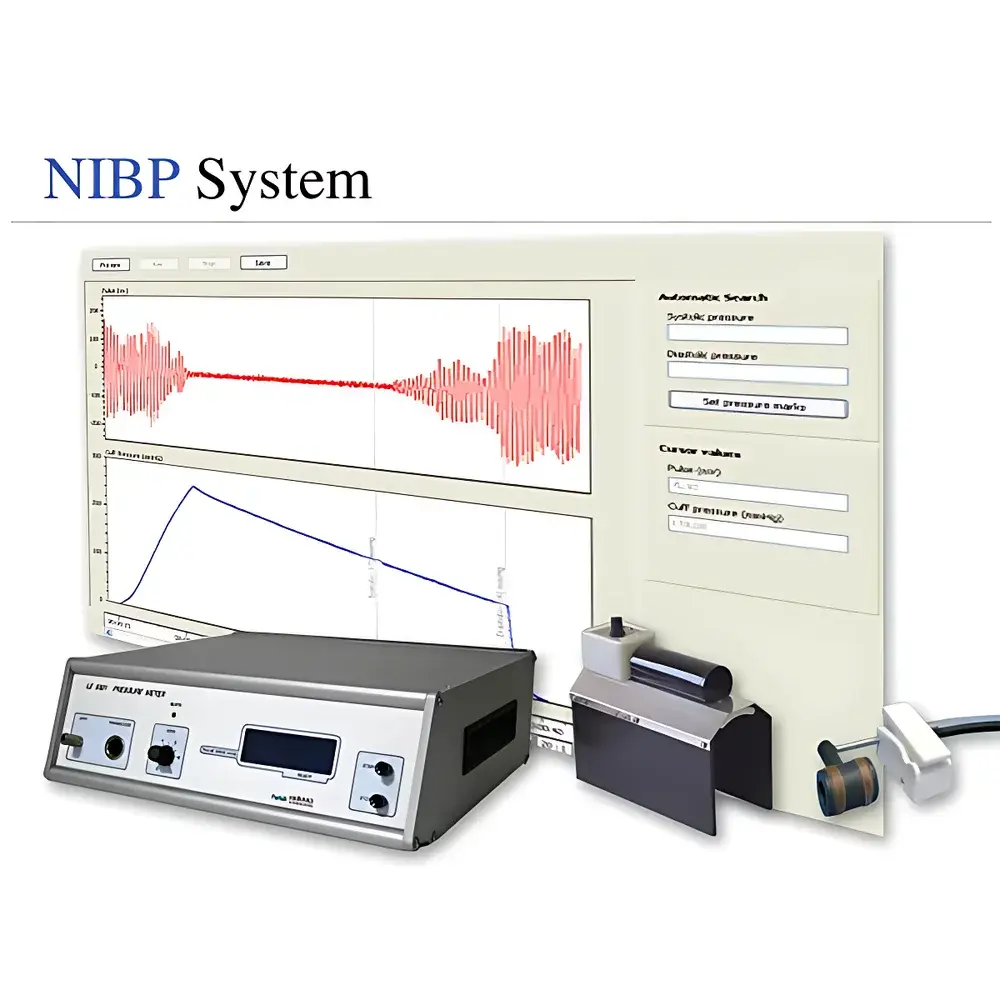
The Panlab LE5001 NIBP System is a rigorously engineered, non-invasive blood pressure monitoring platform designed specifically for longitudinal cardiovascular phenotyping in conscious or anesthetized small laboratory animals. Unlike optical, piezoelectric, or volume-clamp-based methods that rely on indirect signal modeling and linear regression to estimate systolic pressure—introducing inter-laboratory variability and poor reproducibility—the LE5001 implements a validated strain-gauge-based occlusion detection principle. This approach directly measures cuff pressure transients during controlled inflation/deflation cycles, capturing true arterial pulsation waveforms without algorithmic interpolation. The system adheres to the fundamental hemodynamic principles underlying oscillometric sphygmomanometry while optimizing sensor geometry, pneumatic response time, and thermal stabilization for rodents. Its architecture supports both single-animal and multi-animal experimental paradigms, with hardware-level artifact rejection and real-time vascular resistance feedback enabling reliable measurements under minimal restraint stress—critical for GLP-compliant pharmacological screening and chronic disease modeling.
Key Features
- Strain-gauge transduction technology delivering direct, unprocessed pressure waveform acquisition—no linear regression or empirical calibration required
- Dual-button operational workflow: “Gain Setting” and “Start” enable rapid, operator-independent measurement initiation
- Integrated artifact filter with motion-sensing capability automatically modulates cuff inflation profile to minimize restraint-induced hemodynamic perturbation
- Real-time vascular resistance monitoring triggers dynamic cuff pressure relaxation to prevent tissue ischemia during prolonged sessions
- Modular cuff-sensor assemblies (LE5160M, LE5160MM, LE5160R, LE5015/LE5012) validated for mice (20–50 g), rats (150–500 g), and dogs
- Multi-animal scalability via LE5007 control unit supporting scheduled sequential acquisition across up to 12 subjects with independent parameter control per channel
- RS232 communication interface standard on all host units; optional USB adapters (CONRS232USB) ensure compatibility with modern data acquisition infrastructure
- Digital front-panel display showing real-time systolic, diastolic, mean arterial pressure (MAP), and heart rate—no post-processing delay
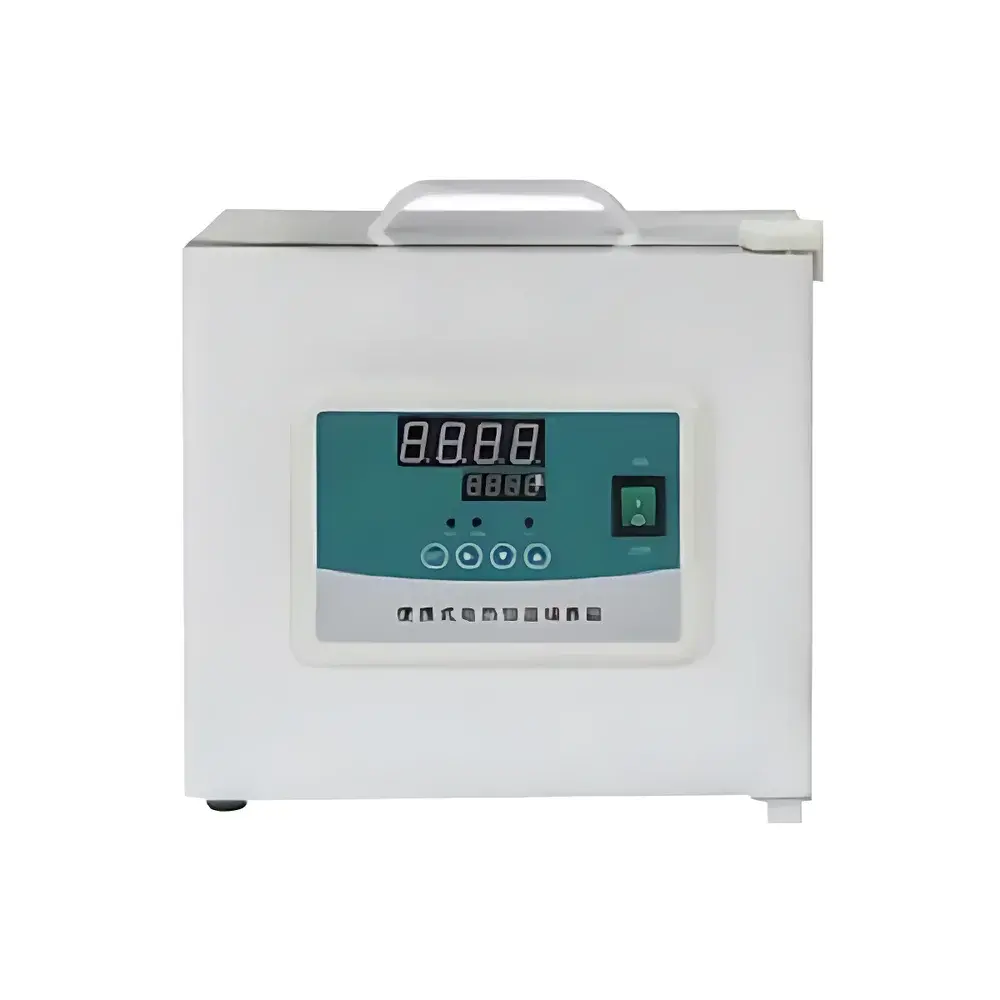
- Heating modules (LE5610, LE56506) maintain physiological tail temperature (34–37 °C), essential for consistent peripheral perfusion and signal fidelity
- Animal-specific restraint holders (LE5016–LE5025) engineered to standardize positioning and reduce inter-session variability in longitudinal studies
Sample Compatibility & Compliance
The LE5001 platform supports non-invasive blood pressure assessment in conscious, lightly sedated, or anesthetized rodents and canines. Validated use cases include Sprague-Dawley and Wistar rats, C57BL/6 and BALB/c mice, and beagle dogs. All cuff-sensor configurations comply with ISO 81060-2:2018 requirements for oscillometric device validation methodology. Data acquisition workflows are compatible with 21 CFR Part 11–compliant environments when paired with SEDACOM V2.0 or NIBPCHART V1.1 software configured for audit-trail logging, electronic signatures, and secure data export. The system meets institutional animal care and use committee (IACUC) criteria for minimally stressful physiological monitoring and supports adherence to ARRIVE 2.0 reporting guidelines.
Software & Data Management
- SEDACOM V2.0: Real-time acquisition software with configurable sampling rates (up to 1 kHz), timestamped event markers, and export to CSV, MATLAB (.mat), and HDF5 formats
- NIBPCHART V1.1: Dedicated waveform analysis suite providing beat-to-beat BP parameter extraction, pulse transit time (PTT) calculation, and automated arrhythmia flagging
- Integrated calibration verification protocol with electronic rat simulator (LE5090) for daily system performance checks
- Raw analog outputs (cuff pressure + pulse signal) enable integration with third-party DAQ systems (e.g., PowerLab, Spike2, LabChart)
- Metadata tagging support for experimental conditions (drug dose, timepoint, animal ID) ensures traceability across large-scale phenotyping cohorts
Applications
The LE5001 NIBP System is deployed in preclinical research domains requiring high-fidelity, repeatable hemodynamic endpoints. Key application areas include: hypertension and hypotension pharmacodynamics; metabolic syndrome and obesity-related cardiovascular remodeling; renal disease progression models; Addison’s disease and adrenal insufficiency characterization; sepsis-induced vasoplegia assessment; toxicology screening for cardiovascular liabilities; and genetic or diet-induced phenotypic profiling. Its ability to acquire baseline and intervention-triggered BP responses in unrestrained or minimally restrained animals makes it particularly suited for circadian rhythm studies, chronic telemetry-free longitudinal monitoring, and high-throughput drug candidate triage where statistical power depends on intra-animal consistency rather than inter-animal averaging.
FAQ
Does the LE5001 require anesthesia for accurate measurements in mice?
No—measurements are optimized for conscious, warmed animals. Anesthesia is optional and supported, but not required for valid data acquisition.
How does the system handle motion artifacts during measurement?
The built-in artifact filter uses real-time acceleration sensing to detect movement and dynamically adjusts inflation/deflation profiles to suppress noise without compromising waveform integrity.
Can I integrate the LE5001 with my existing data acquisition platform?
Yes—via analog outputs (0–10 V) and RS232 serial interface. USB conversion kits (CONRS232USB) are available for legacy system compatibility.
Is software validation documentation available for regulated environments?
Yes—IQ/OQ protocols and 21 CFR Part 11 configuration guides are provided upon request for GxP-aligned deployments.
What is the minimum animal weight supported by the smallest cuff configuration?
The LE5160MM cuff-sensor assembly is validated for mice as low as 20 g, with optimal performance above 22 g.