
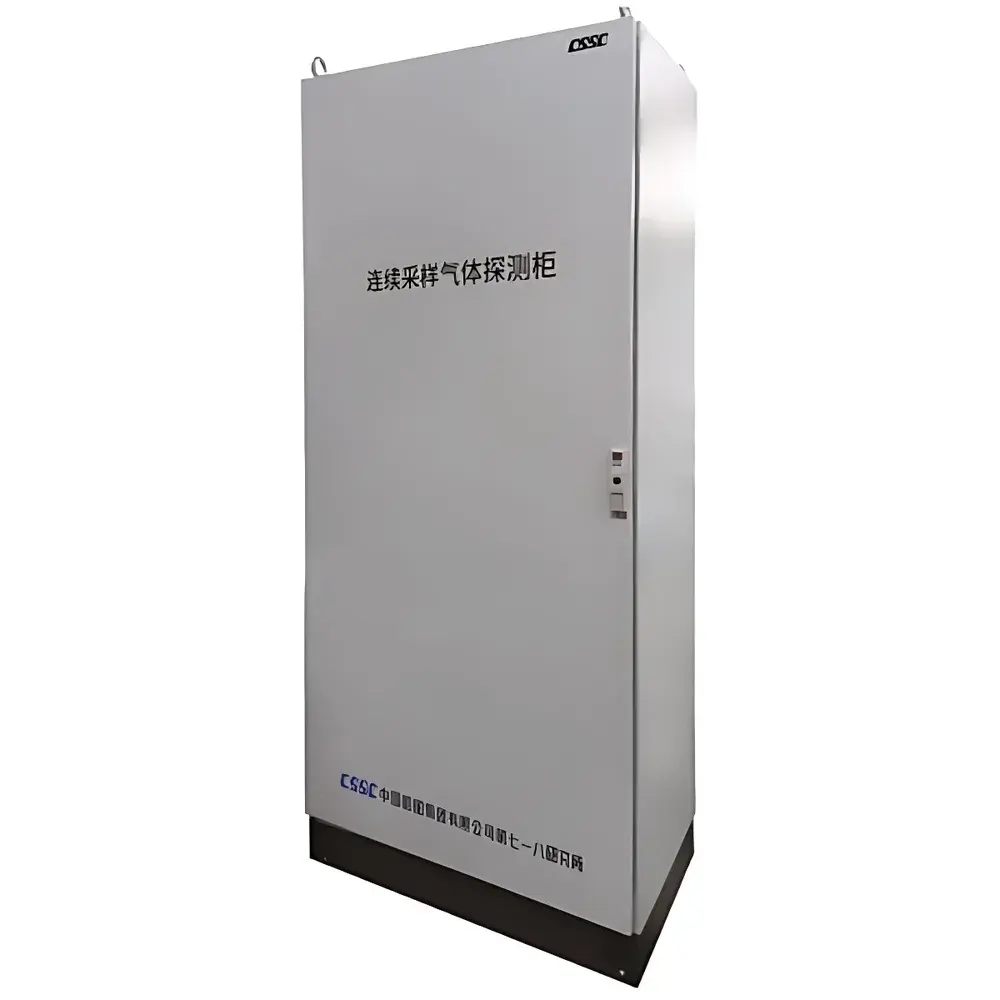
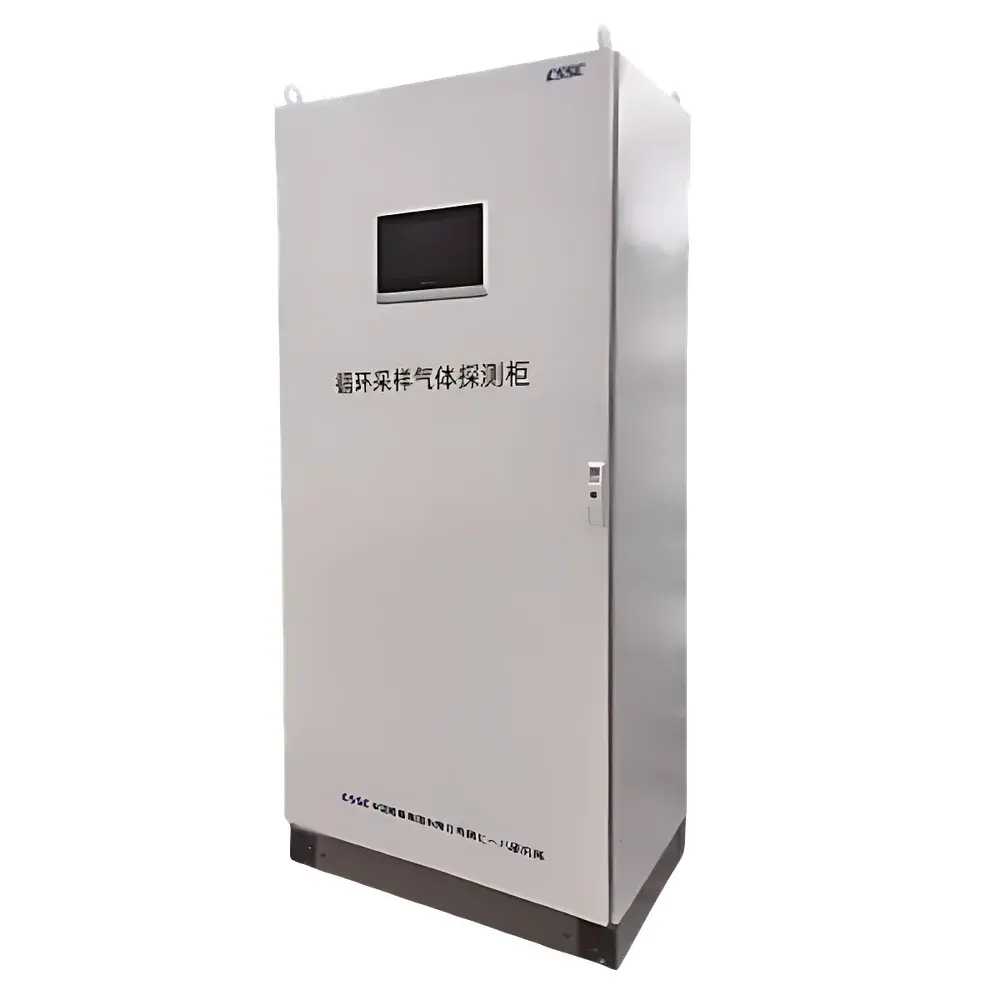
PERIC PR-GDS-100 Hazardous Gas Detection System for Marine Applications
| Brand | PERIC |
|---|---|
| Origin | Hebei, China |
| Manufacturer Type | OEM Manufacturer |
| Origin Category | Domestic (China) |
| Model | PR-GDS-100 |
| Pricing | Upon Request |
Overview
The PERIC PR-GDS-100 Hazardous Gas Detection System is an engineered marine-grade safety solution designed to meet the stringent operational and regulatory requirements of modern commercial and LNG-fueled vessels. Built upon a distributed architecture grounded in IEC 61508 functional safety principles, the system implements multi-modal gas sensing—combining catalytic bead, electrochemical, infrared (NDIR), and tunable diode laser absorption spectroscopy (TDLAS)—to detect combustible gases (e.g., CH₄, H₂), toxic species (e.g., H₂S, NH₃, CO), asphyxiants (O₂ deficiency/enrichment), and greenhouse-relevant gases (CO₂) across diverse shipboard zones. Unlike generic industrial gas monitors, the PR-GDS-100 is purpose-built for maritime environments: its hardware complies with IMO MSC.334(90), SOLAS Chapter II-2, and EN 50104/EN 50103 for hazardous area instrumentation; its signal processing incorporates marine-specific interference mitigation—including vibration damping, salt fog resilience, and electromagnetic compatibility per IEC 60533 and EN 60945. The system delivers continuous, real-time concentration data with ≤5 s response latency to the central alarm control panel, enabling timely activation of ventilation interlocks, emergency shutdown sequences, and crew evacuation protocols.
Key Features
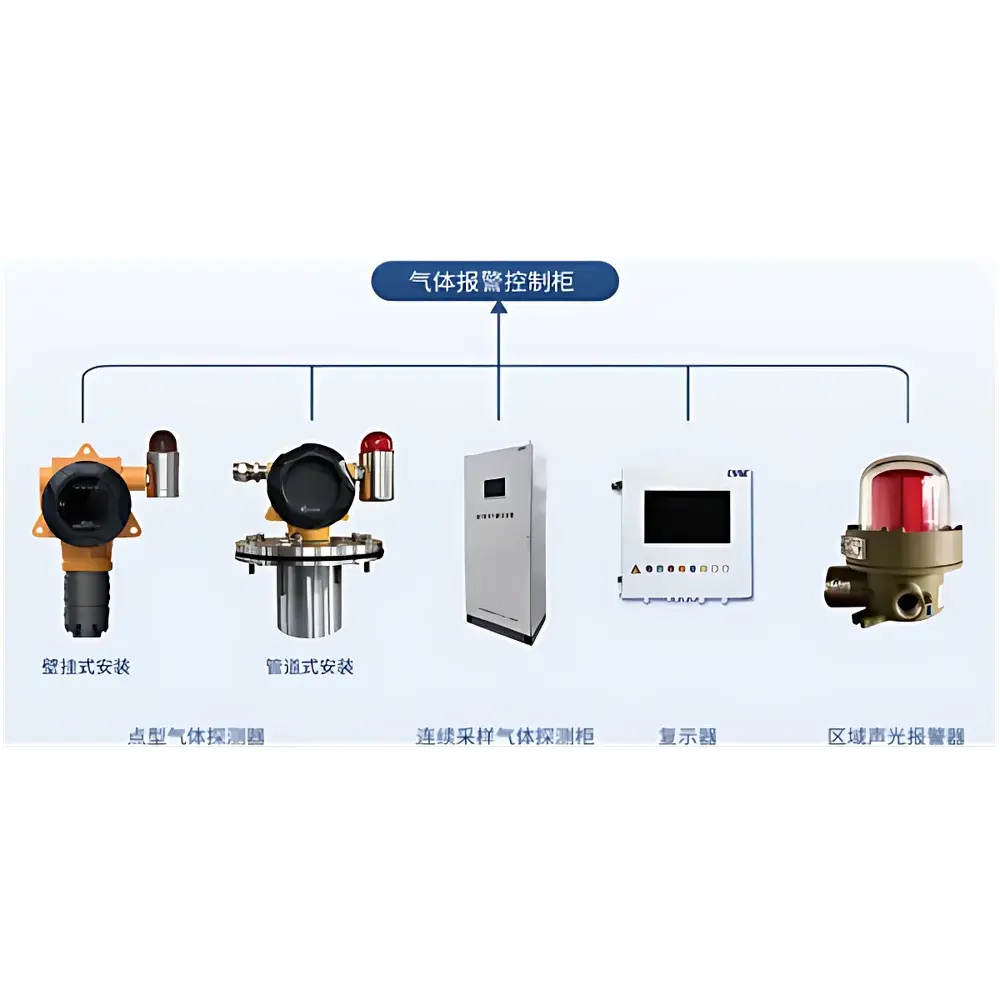
- Distributed detection architecture supporting up to 112 analog input channels (4–20 mA, three-wire) from point-type detectors and sampling cabinets
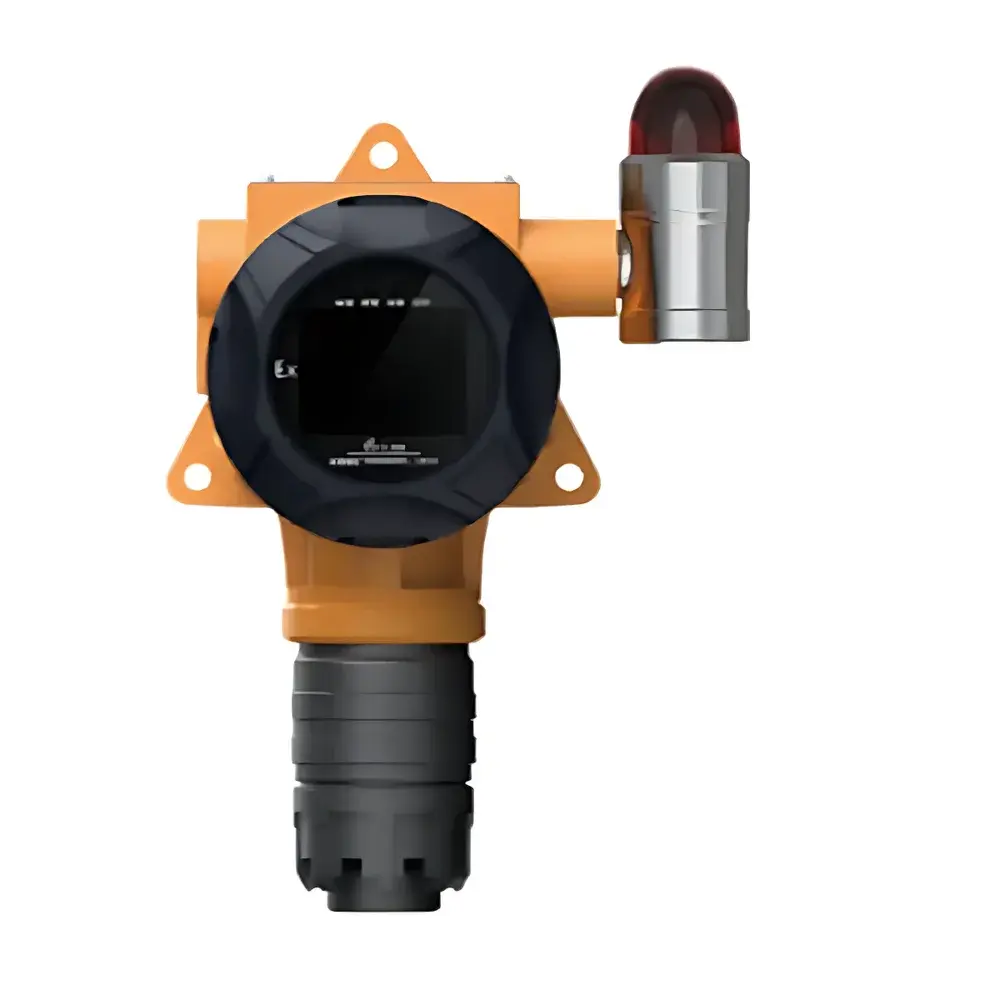
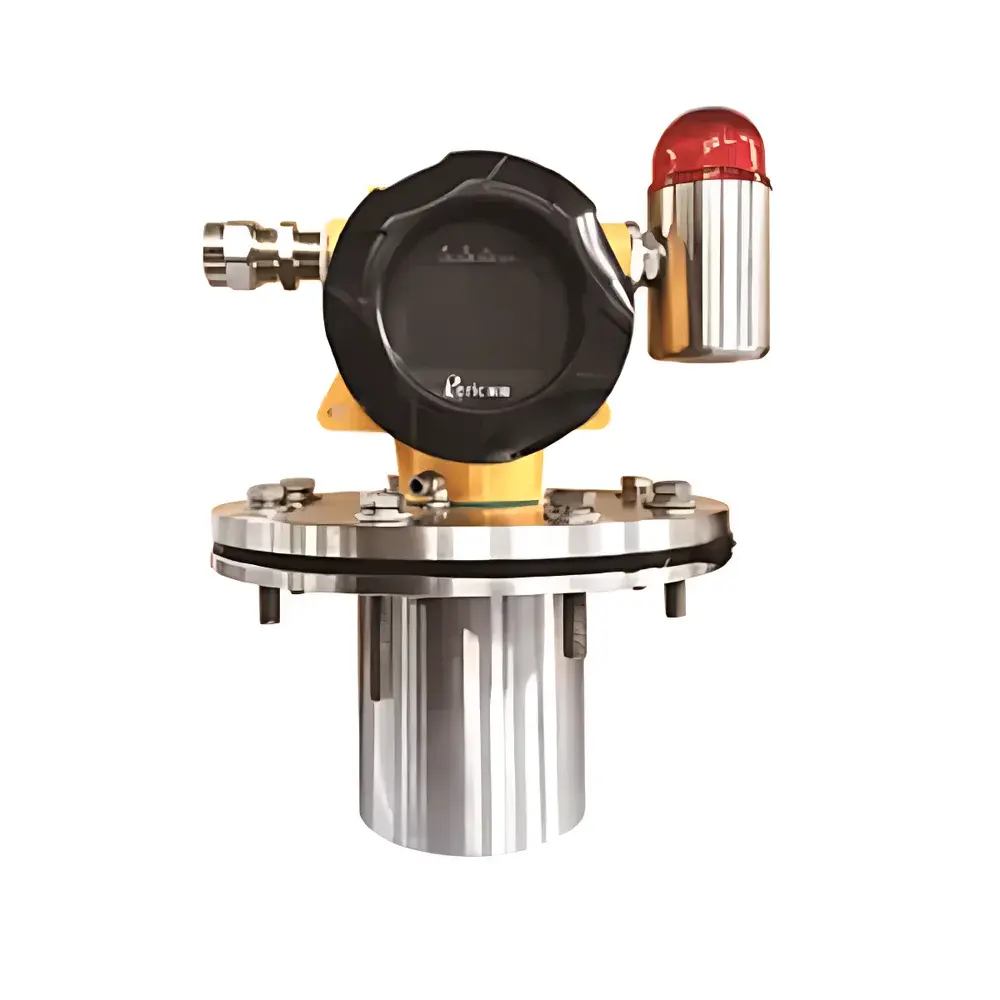
- Modular sensor deployment: wall-mounted or pipe-integrated point detectors for localized high-risk zones (e.g., fuel manifold joints, double-wall vent ducts); pump-suction sampling cabinets for confined, high-hazard spaces (LNG cargo tanks, fuel bunkering stations)
- Redundant power design: dual AC 220 V (50–60 Hz) inputs with automatic switchover; uninterruptible operation under fluctuating marine grid conditions
- Explosion-proof certification: point detectors rated Ex db IIC T6 / Ex db ia IIC T4 per EN ISO 80079-36 & EN 60079-0; IP66 ingress protection for deck-mounted units
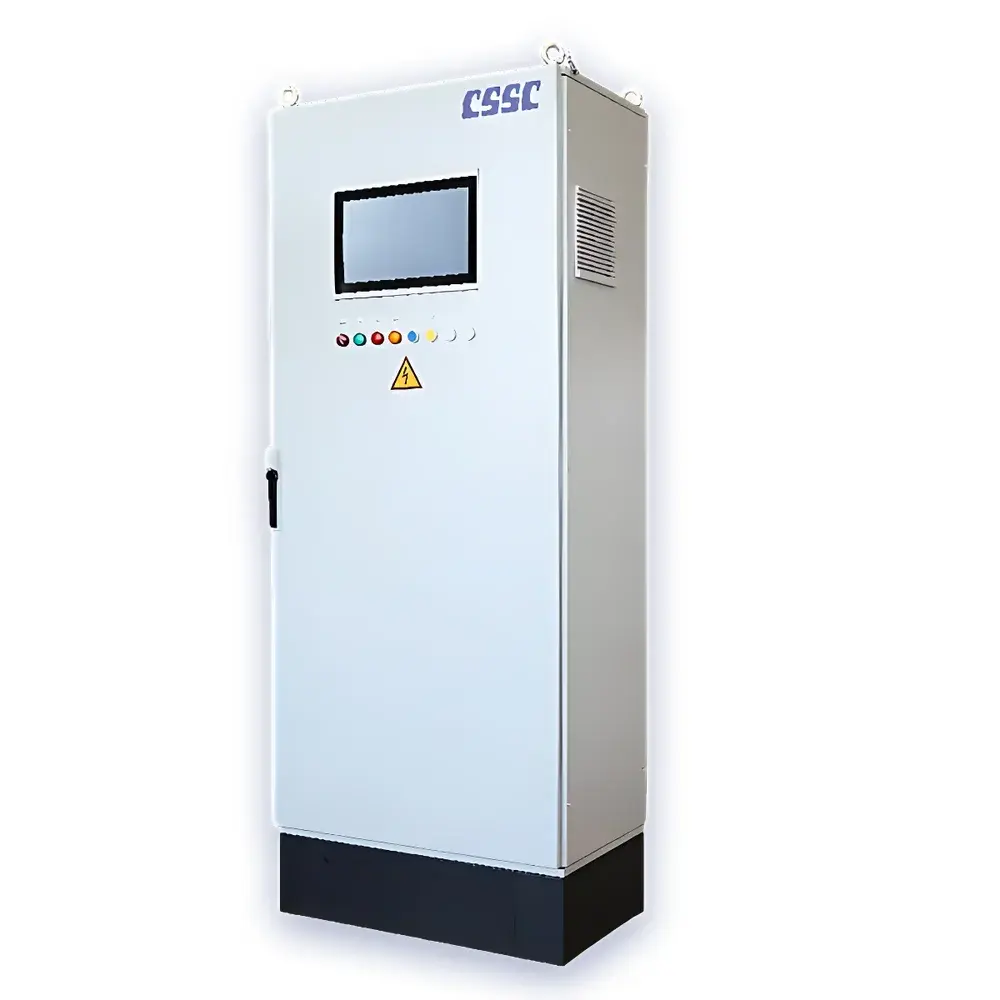
- Integrated cabinet-level safety: flame arrestors on inlet/outlet lines; internal leak detection with automatic solenoid cutoff and purge initiation via external air source
- Real-time diagnostics: embedded self-test routines, sensor drift compensation, and fault soft-detection algorithms compliant with SIL 2 capability per IEC 61511
Sample Compatibility & Compliance
The PR-GDS-100 accommodates all gases relevant to IMO Tier III, MARPOL Annex VI, and IGFC (International Gas Fuel Code) compliance: methane (0–100% LEL), hydrogen sulfide (0–100 ppm), ammonia (0–100 ppm), carbon dioxide (0–5% vol), oxygen (0–25%), and carbon monoxide (0–100 ppm). Sensor selection follows gas-specific detection physics—catalytic combustion for hydrocarbons, electrochemical cells for H₂S/NH₃/O₂, NDIR for CO₂, and TDLAS for high-selectivity CH₄ quantification in humid, particulate-laden exhaust streams. All components conform to classification society requirements including DNV GL TYPE APPROVAL, ABS Gas Detection System Certification, and LR Marine Equipment Directive (MED) conformity. The system supports audit-ready logging aligned with ISM Code Section 10 and meets data integrity prerequisites for future integration into Class-approved digital twin platforms.
Software & Data Management
The alarm control cabinet features a 10.1″ industrial-grade LCD with full Chinese GUI (English firmware optional), supporting configuration, calibration, event history review, and alarm acknowledgment via touch interface. Firmware adheres to IEC 62443-3-3 SL2 cybersecurity guidelines, with secure boot, encrypted parameter storage, and role-based access control. Event logs—including gas alarms, sensor faults, power transitions, and relay activations—are time-stamped with UTC sync and stored locally for ≥30 days. Data export options include RS-485 Modbus RTU, Ethernet TCP/IP (Modbus TCP), and dry-contact outputs compatible with legacy PLCs (Siemens S7, Allen-Bradley ControlLogix) and DCS systems (Yokogawa CENTUM VP, Honeywell Experion). Audit trails comply with GLP/GMP traceability expectations where applicable; no FDA 21 CFR Part 11 functionality is claimed, as the system operates outside pharmaceutical manufacturing contexts.
Applications
- LNG-fueled vessel fuel supply systems: continuous monitoring of bunkering manifolds, vapor return lines, and containment spaces
- Enclosed machinery spaces: detection of crankcase leakage, cooling system failures, or battery room hydrogen accumulation
- Cargo hold atmospheres: O₂ depletion and hydrocarbon buildup in Ro-Ro vehicle decks or container stowage areas
- Waste treatment compartments: H₂S and NH₃ monitoring in sewage holding tanks and greywater processing units
- Engine room bilges and pump rooms: early warning of fuel oil or lubricant vapor release prior to ignition thresholds
FAQ
Does the PR-GDS-100 support remote monitoring via cloud or vessel management systems?
Yes—via optional Ethernet gateway module, it transmits Modbus TCP frames to onboard VMS (Vessel Management Systems) or shore-side SCADA platforms using standard OPC UA wrappers.
Can the system be integrated with existing fire detection or ventilation control logic?
Yes—the 16-channel relay output bank provides configurable NO/NC contacts for hardwired interlocks with explosion-proof fans, damper actuators, and fire suppression initiators.
What maintenance intervals are recommended for sensor calibration and verification?
Point detectors require bump testing before each watch cycle and full span calibration every 3 months; sampling cabinets require quarterly filter replacement and annual flow verification per ISO 14644-3.
Is third-party type approval documentation available for class society submission?
Yes—DNV GL, ABS, and LR type approval reports, test certificates, and installation manuals are provided under NDA upon request.
How does the system handle condensation and salt-laden air common in marine environments?
All sampling lines incorporate coalescing filters and heated sample conditioning modules; detector housings use corrosion-resistant 316 stainless steel fasteners and silicone-sealed AMOLED displays rated to 95% RH non-condensing.






