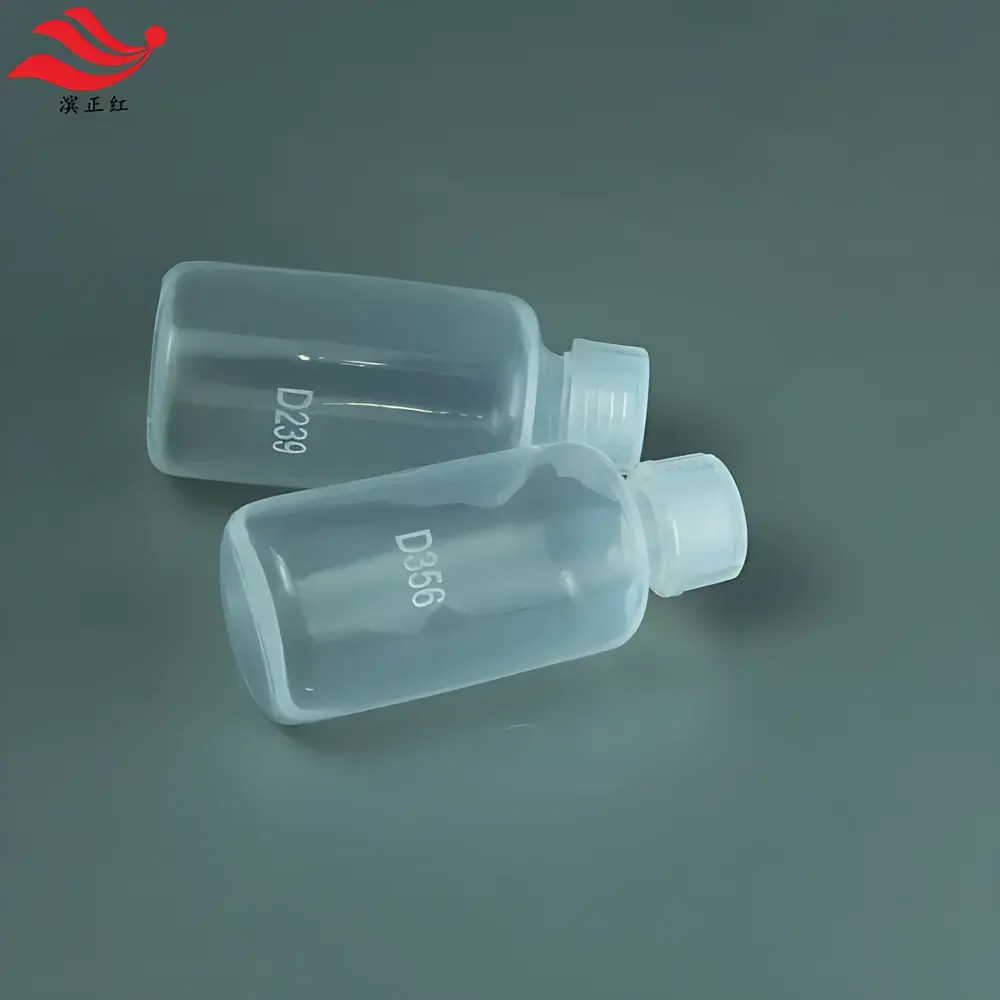
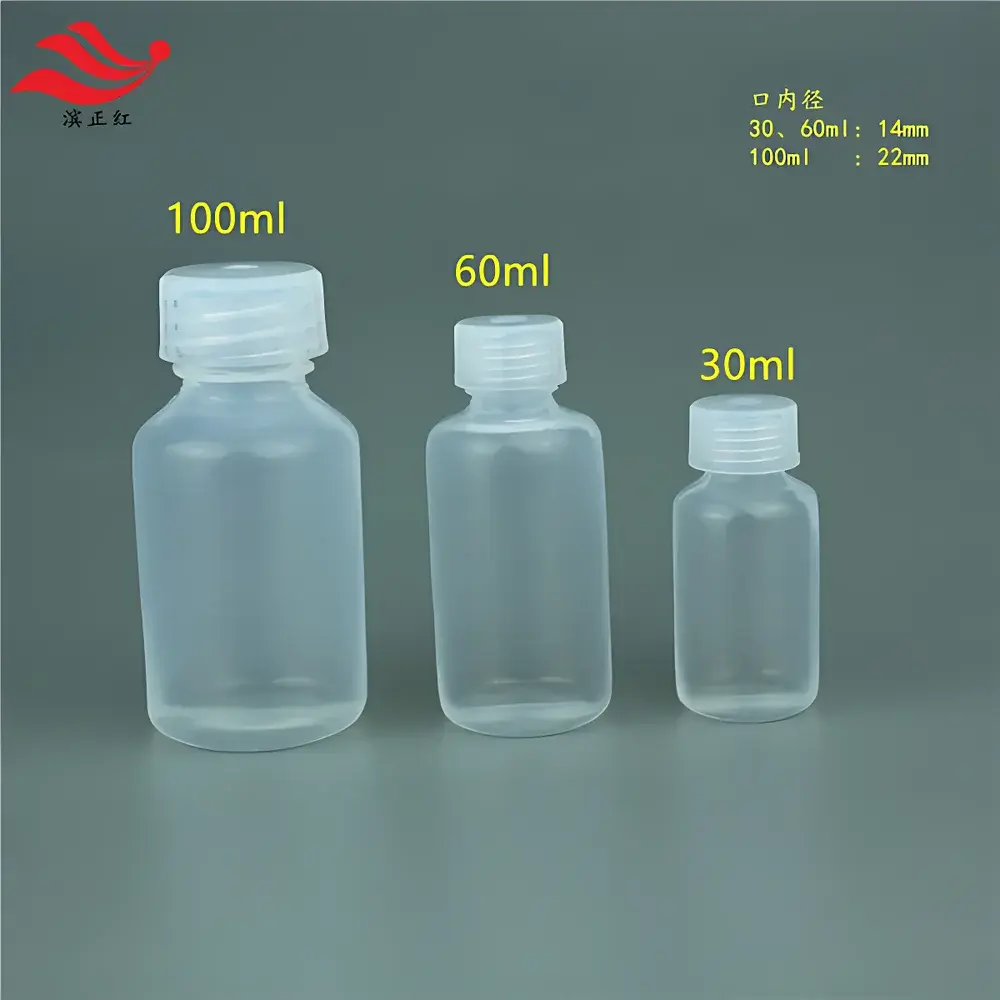
PFA Reagent Vials for Semiconductor Laboratory Applications – Chlorosilane Sampling & Standard Reference Material Storage
| Brand | Binzhenghong |
|---|---|
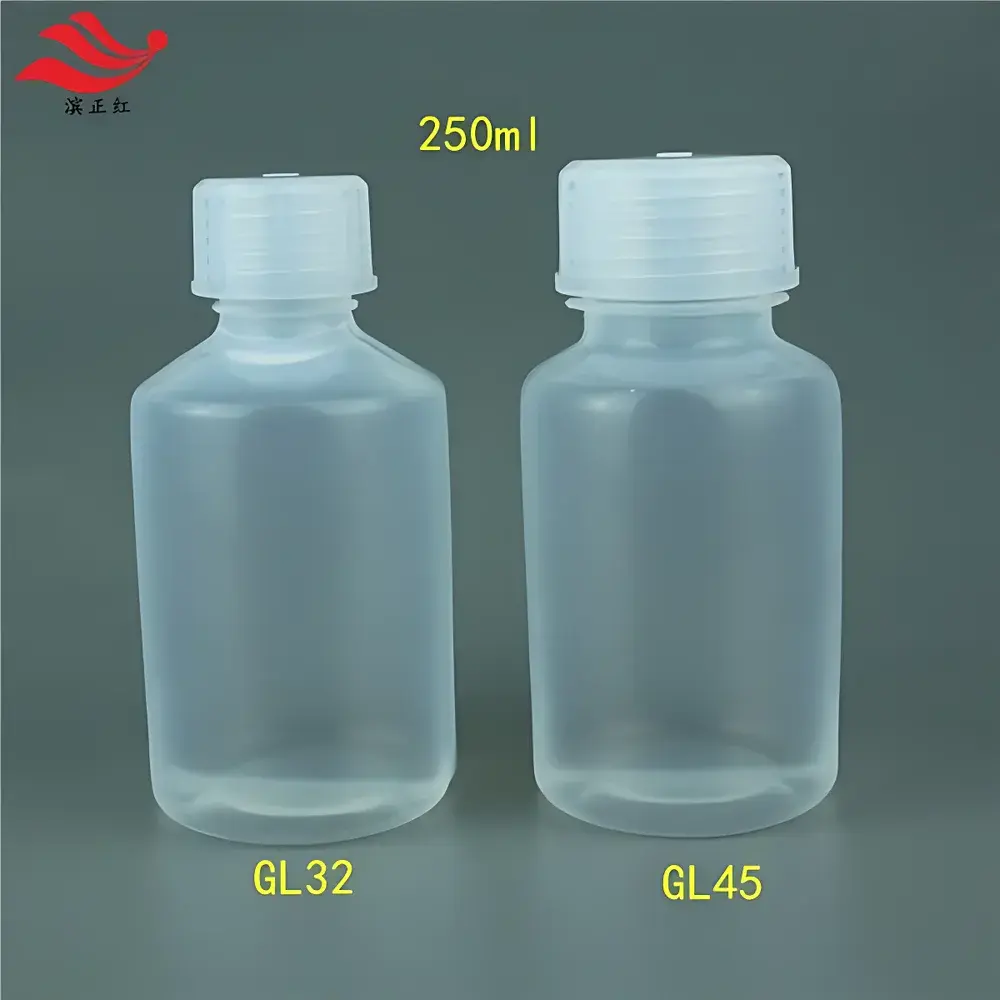
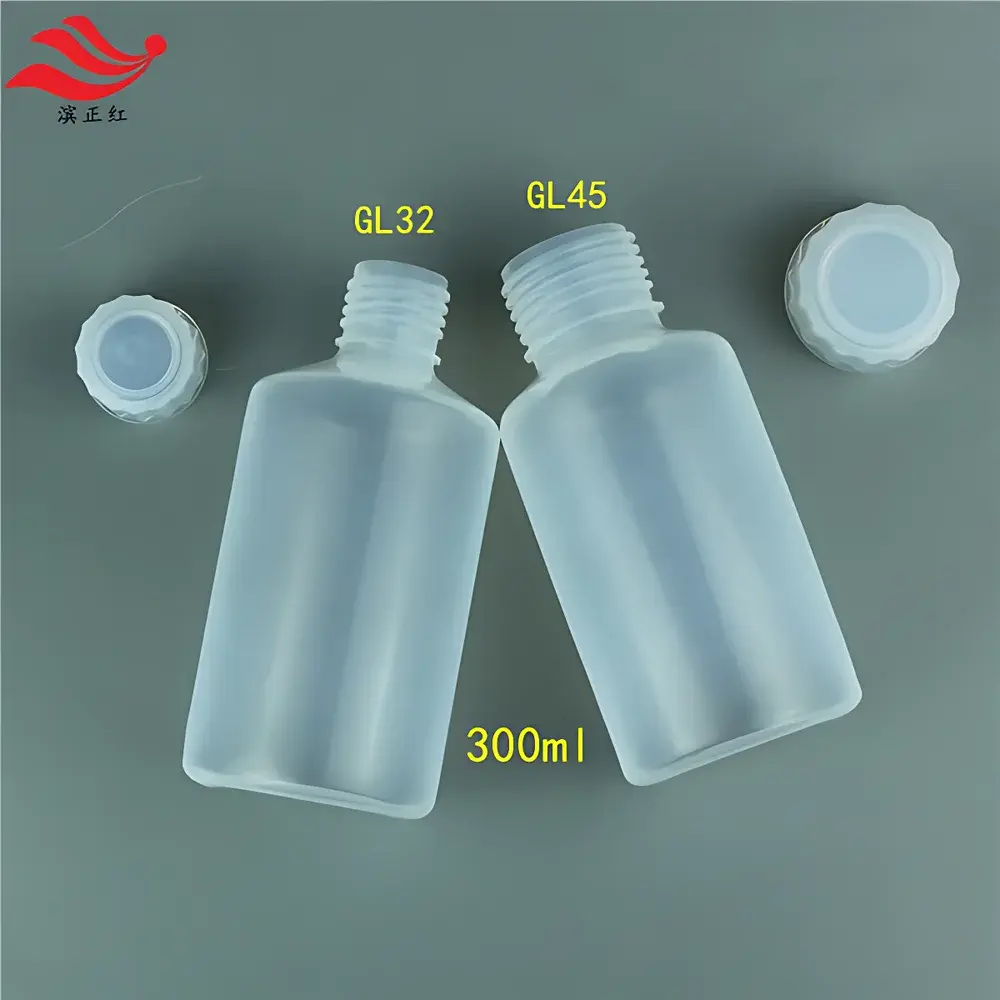
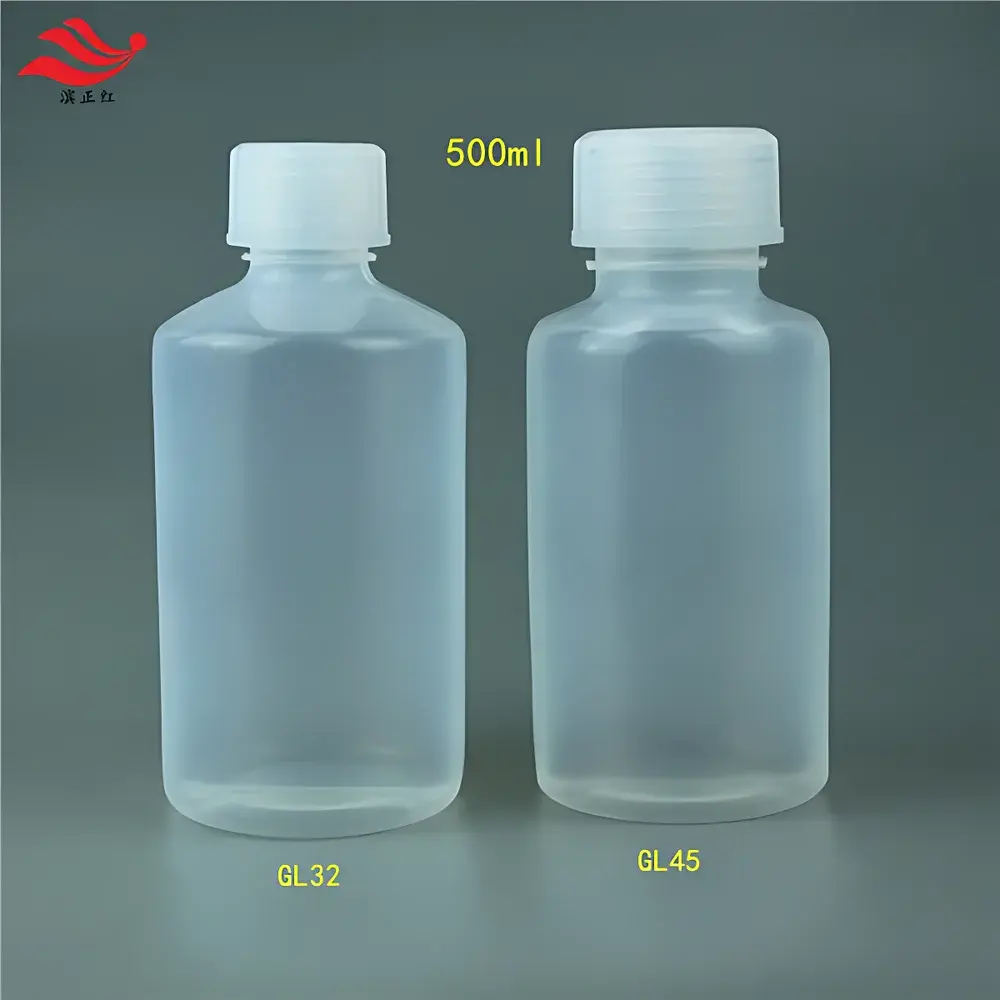
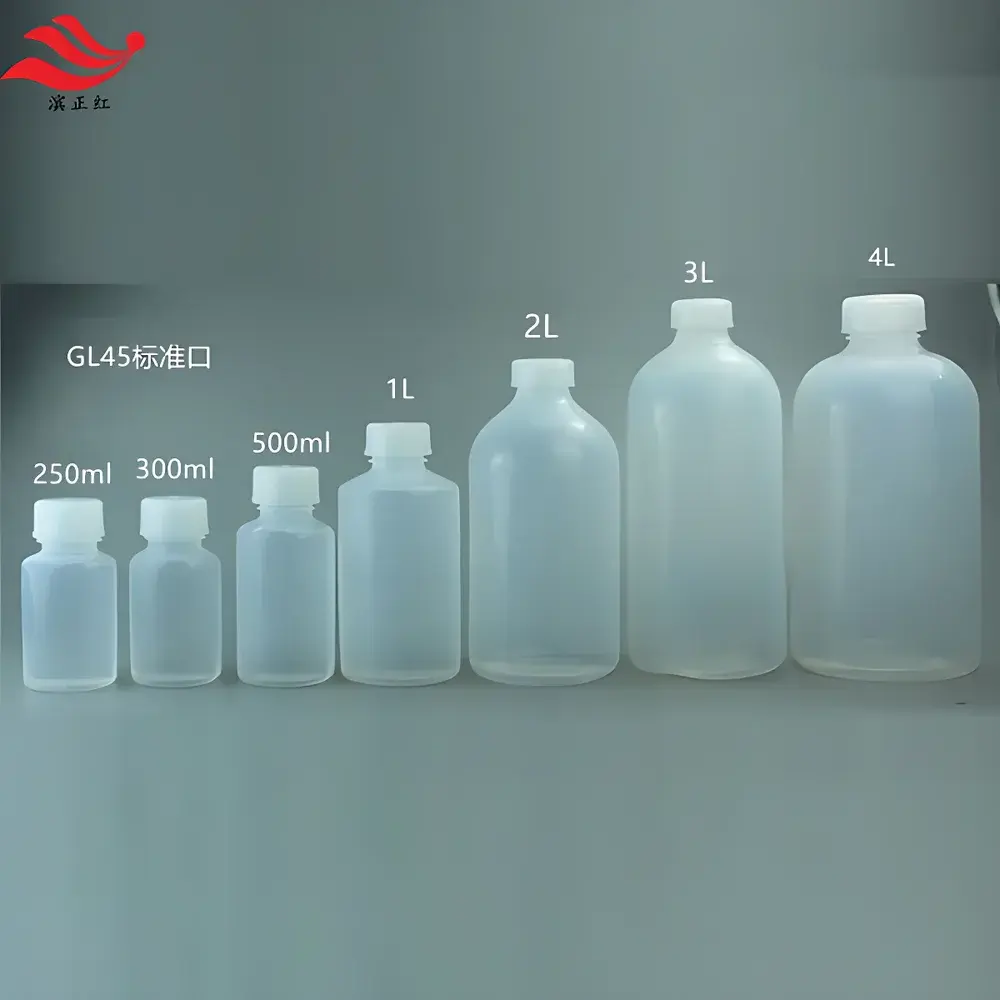
| Volume Options | 60 mL, 100 mL, 250 mL |
| Material | Perfluoroalkoxy (PFA) Resin |
| Origin | Jiangsu Province, China |
| Manufacturer | Nanjing Binzhenghong Instrument Co., Ltd. |
| Compliance | ASTM D4327, ISO 17025-Compatible Handling Protocols |
| Cap Type | PFA Screw Cap with Integrated PTFE-Faced Silicone Septum |
| Temperature Range | –200 °C to +260 °C |
| Chemical Resistance | Full Compatibility with Anhydrous Chlorosilanes (e.g., SiHCl₃, SiCl₄), HF, Fuming HNO₃, Aqua Regia, and Ultra-High-Purity Solvents |
Overview
PFA reagent vials engineered by Nanjing Binzhenghong Instrument Co., Ltd. are precision-manufactured containers designed explicitly for the safe handling, long-term storage, and trace-level transfer of ultra-pure, highly reactive, and corrosive substances in semiconductor process development, reference material certification, and high-accuracy analytical chemistry workflows. Constructed entirely from virgin perfluoroalkoxy (PFA) resin—free of fillers, plasticizers, or leachable additives—these vials exhibit exceptional inertness, thermal stability (–200 °C to +260 °C), and near-zero extractables profile. Their design adheres to the stringent material compatibility requirements defined in ASTM D4327 for ion chromatography sample containment and aligns with ISO/IEC 17025 laboratory practices for certified reference material (CRM) integrity preservation. Unlike standard HDPE or glass containers, PFA vials eliminate metal ion contamination, silanol surface interactions, and hydrolytic degradation—critical for maintaining the stoichiometric fidelity of chlorosilane precursors (e.g., trichlorosilane, tetrachlorosilane) and mercury-based calibration standards used in ICP-MS, GC-MS, and trace elemental analysis.
Key Features
- Monolithic PFA construction with seamless body-to-cap geometry, eliminating crevices where volatile residues may accumulate
- Chemically inert screw caps fitted with dual-layer closures: PFA outer shell + PTFE-faced silicone septum (USP Class VI compliant) for repeated needle penetration without particle shedding
- Controlled dimensional tolerances (±0.15 mm diameter, ±0.2 mm height) ensuring repeatable fitment in autosampler trays (Agilent 7693/7697, Thermo Scientific TriPlus RSH, Shimadzu AOC-30i)
- Autoclavable and compatible with cleanroom Class 100 (ISO 5) assembly protocols; supplied in double-bagged, nitrogen-purged packaging with certificate of conformance
- Trace-metal tested per ICP-MS: total metallic impurities <10 ppt for Al, Fe, Cr, Ni, Cu, Zn, Na, K, Ca, Mg
Sample Compatibility & Compliance
These vials are validated for direct contact with anhydrous chlorosilanes (SiHCl₃, SiCl₄, HSiCl₃), hydrogen fluoride (HF), bromine trifluoride (BrF₃), fuming nitric acid, and aqua regia—substances routinely encountered in semiconductor etch chemistry, dopant synthesis, and ultra-trace environmental metrology. They meet the physical and chemical stability criteria referenced in NIST SP 260 series for CRM storage and support GLP-compliant chain-of-custody documentation when used with serialized lot labeling. For high-pressure applications (e.g., static headspace sampling), the cap must be placed loosely on top—not torqued—prior to heating, per ASTM E2075 guidance on pressure-relief protocols for fluoropolymer vessels.
Software & Data Management
While inherently hardware-only components, Binzhenghong PFA vials integrate transparently into LIMS and ELN ecosystems through standardized barcode labeling (Code 128, ISO/IEC 15416 verified). Each production lot undergoes full traceability mapping—from raw PFA resin batch number and extrusion date to final cleaning validation (via TOC and IC analysis)—with digital certificates available via secure customer portal. Audit logs comply with FDA 21 CFR Part 11 requirements for electronic records when paired with validated instrument control software (e.g., Agilent OpenLab CDS, Thermo Fisher Chromeleon).
Applications
- Storage and transport of NIST-traceable mercury standard solutions for EPA Method 1631E compliance testing
- Inert containment of chlorosilane feedstocks during atomic layer deposition (ALD) precursor qualification
- Long-term archival of seawater CRMs (e.g., GEOTRACES reference materials) under nitrogen blanket
- Calibration standard preparation for ICP-OES/ICP-MS analysis in semiconductor fab cleanroom QC labs
- Field-deployable sampling for Antarctic ice core meltwater analysis (as utilized by University of Science and Technology field teams)
FAQ
Can these vials be used for hot acid digestion prior to ICP-MS analysis?
Yes—PFA’s continuous-use temperature rating of +260 °C supports closed-vessel microwave digestion with HNO₃/HF mixtures, provided pressure venting protocols are followed.
Are they compatible with automated liquid handlers?
Yes—dimensional consistency across 60 mL, 100 mL, and 250 mL variants ensures reliable gripper engagement and tray alignment in Hamilton STAR, Tecan Freedom EVO, and PerkinElmer JANUS platforms.
Do you provide lot-specific extractables test reports?
Yes—certificates include TOC, anion IC (F⁻, Cl⁻, NO₃⁻, SO₄²⁻), and cation ICP-MS data for each shipped batch.
What is the recommended cleaning protocol before first use?
Rinse thrice with ≥99.999% purity methanol, followed by ultrapure water (18.2 MΩ·cm), then dry under class-100 laminar flow; no baking required due to low outgassing profile.
Is custom labeling or volume configuration available?
Yes—custom volumes (e.g., 15 mL, 500 mL), graduated markings (Class A volumetric tolerance), and laser-etched QR codes are available under OEM agreement.