
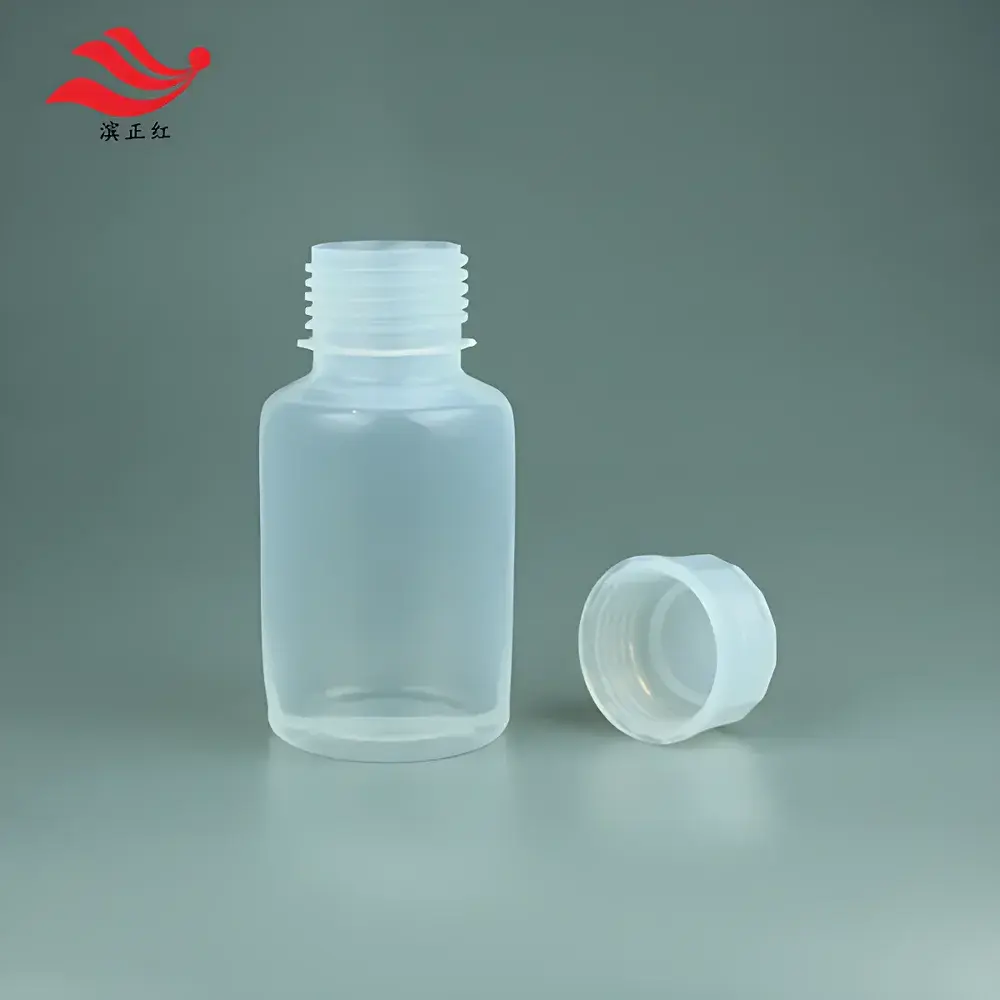
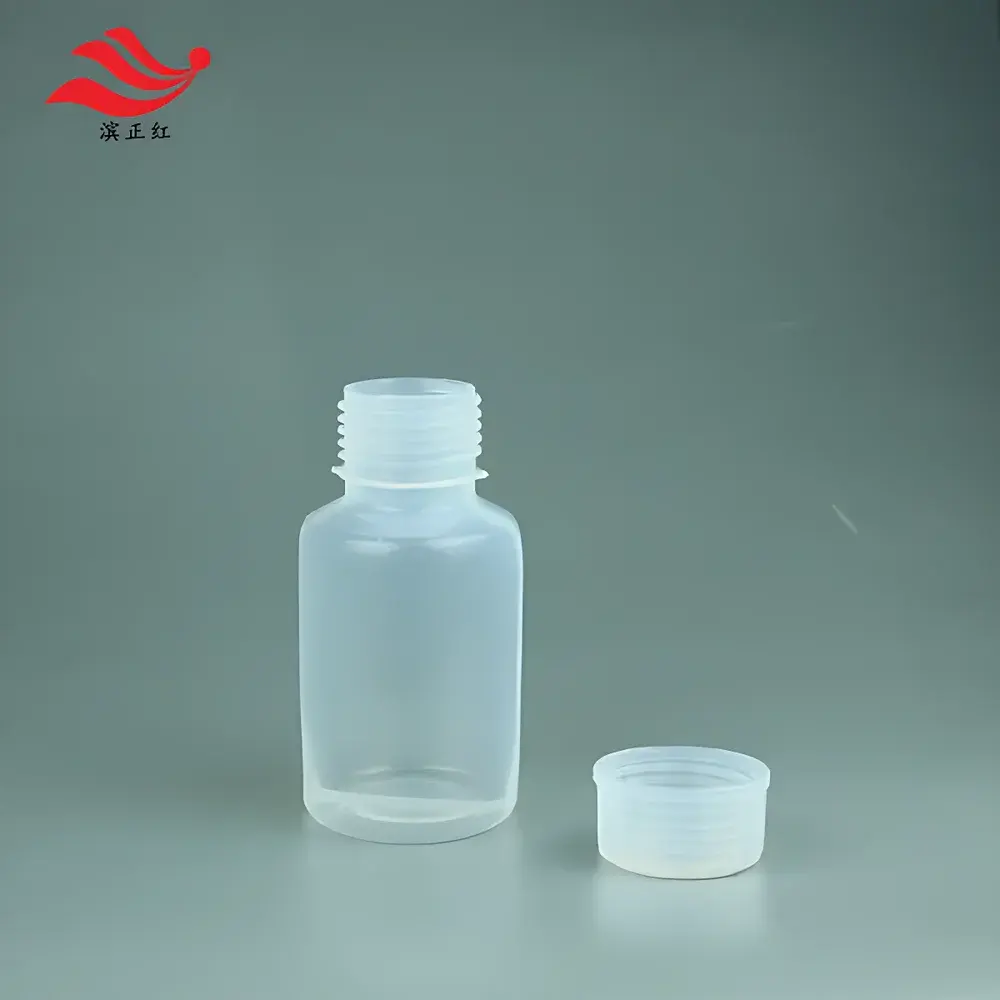
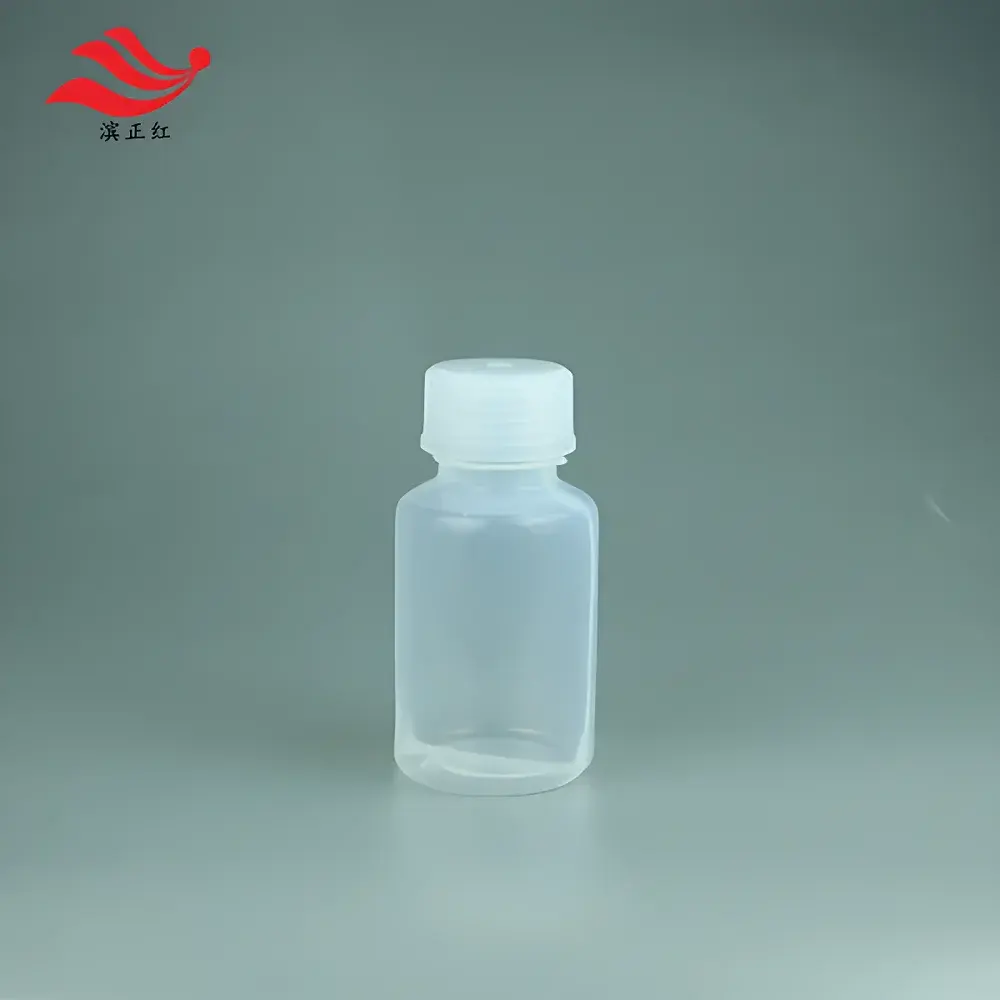
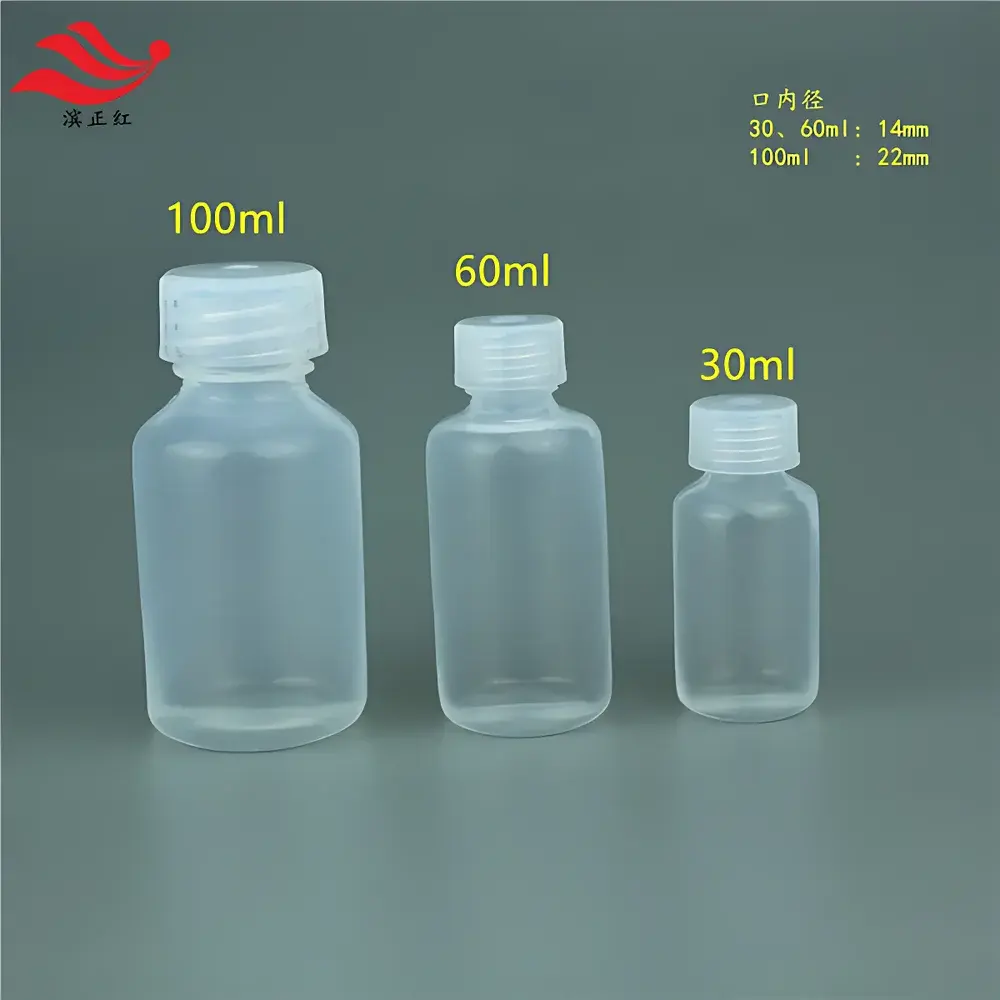
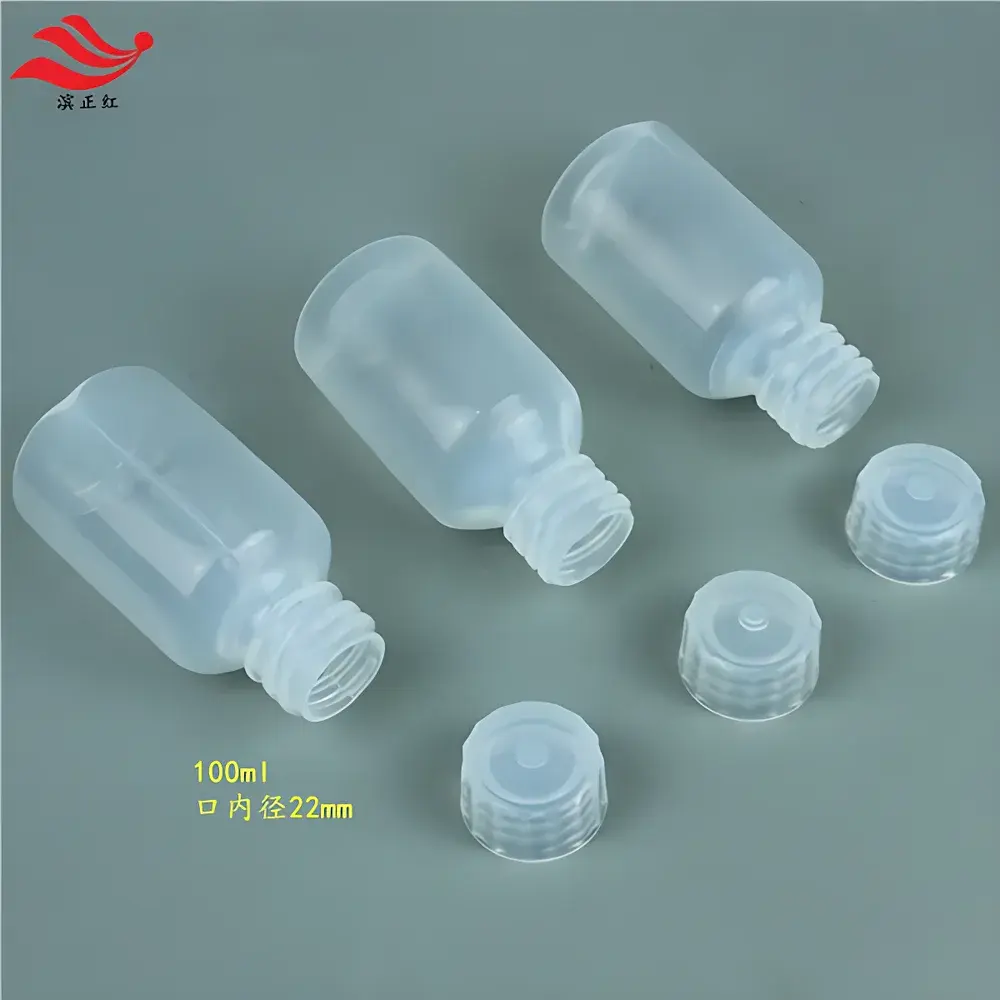
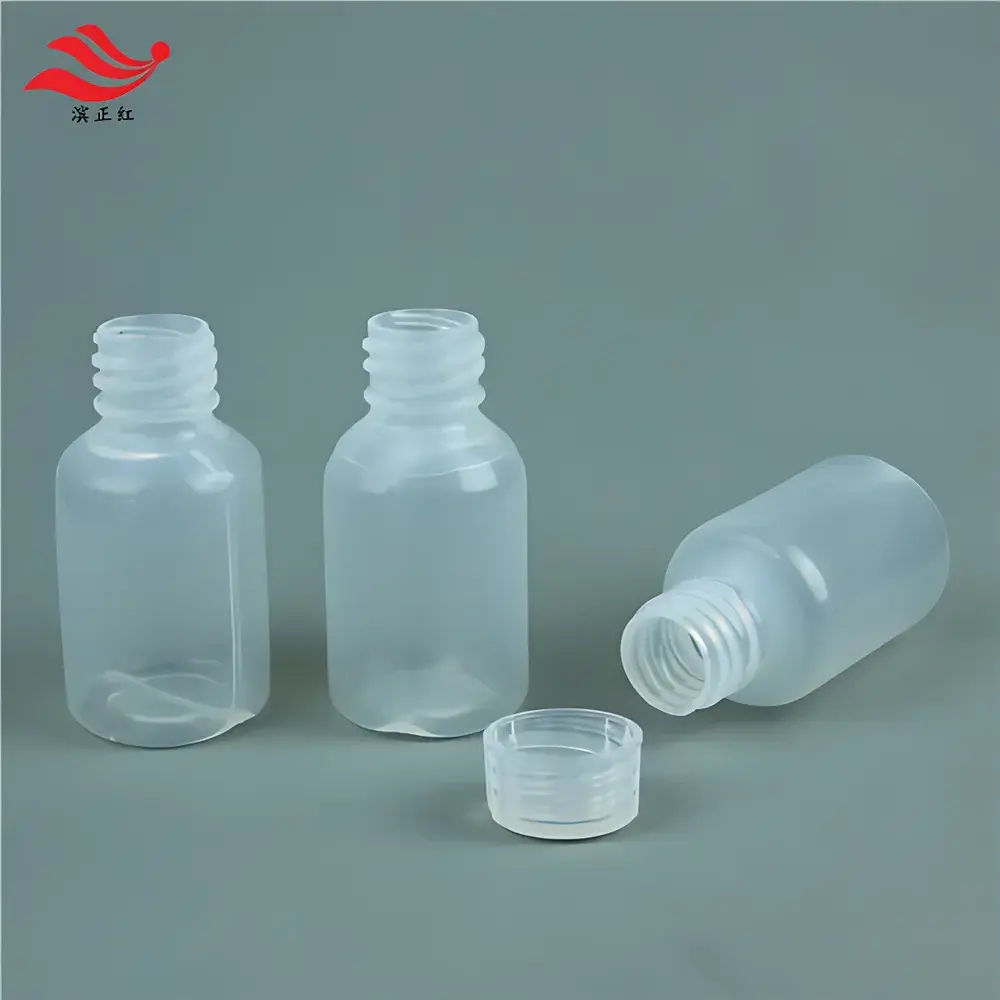
PFA Sample Vial for Multi-Crystalline Silicon Analysis – 100 mL, High-Purity Fluoropolymer Vial for Energy Industry Applications
| Brand | Binzhenghong |
|---|---|
| Origin | Jiangsu, China |
| Manufacturer Type | Direct Producer |
| Country of Origin | China |
| Volume | 100 mL |
| Pricing | Available Upon Request |
Overview
The Binzhenghong PFA Sample Vial (100 mL) is a high-purity, chemically inert container engineered for trace-level analysis of multi-crystalline silicon (mc-Si) and other advanced energy materials. Constructed from perfluoroalkoxy alkane (PFA), this vial exhibits exceptional resistance to thermal stress, aggressive solvents, hydrofluoric acid (HF), and high-temperature digestion protocols—critical requirements in photovoltaic feedstock purity assessment, semiconductor-grade silicon impurity profiling, and battery cathode precursor characterization. Unlike standard polypropylene or HDPE vials, PFA offers near-zero extractables, ultra-low metal leachability (<10 pg/mL for Na, K, Fe, Cr, Ni, Cu, Zn), and dimensional stability across a wide thermal range (–200 °C to +260 °C). Its optical clarity enables visual inspection of sample homogeneity and phase separation without compromising analytical integrity—making it suitable for ICP-MS, ICP-OES, GF-AAS, and hydride generation applications where background contamination must be minimized.
Key Features
- Ultra-high purity PFA resin certified to ASTM D4894 and ISO 10993-5 standards for extractable residue and cytotoxicity
- Optically transparent walls with <0.1% haze, facilitating real-time monitoring of dissolution, precipitation, or gas evolution during hot-block or microwave-assisted digestion
- Threaded closure design compatible with standard 18 mm or 20 mm crimp-cap systems; cap placement protocol validated per EPA Method 3052 and ASTM D5687 for closed-vessel digestion
- Autoclavable and reusable after rigorous cleaning (e.g., 10% HNO₃ soak, Class 100 cleanroom rinsing); verified for ≥50 cycles without measurable fluorine loss or surface pitting
- Dimensionally stable under pressure up to 10 bar at 200 °C; no deformation observed during routine use with Agilent, Shimadzu, PerkinElmer, and Thermo Fisher digestion systems
Sample Compatibility & Compliance
This vial is routinely deployed in laboratories performing elemental impurity screening per ICH Q3D guidelines and USP /. It maintains compatibility with hydrochloric, nitric, sulfuric, and hydrofluoric acid mixtures used in mc-Si dissolution—particularly critical for boron, phosphorus, and transition metal quantification. The vial meets GLP-compliant documentation requirements when paired with lot-specific CoA (Certificate of Analysis) reporting total fluorine content, residual catalyst levels, and heavy metal impurities. All production batches undergo batch-to-batch reproducibility testing per ISO/IEC 17025-accredited internal protocols.
Software & Data Management
While the vial itself is a passive consumable, its integration into automated sample preparation workflows is supported through compatibility with LIMS (Laboratory Information Management Systems) barcode labeling schemes (e.g., GS1-128). Each vial lot is assigned a unique traceability code linked to raw material certification, molding parameters, and post-production cleanliness validation data—ensuring full audit readiness for FDA 21 CFR Part 11–governed environments. Digital CoAs are available in PDF and CSV formats for direct import into electronic lab notebooks (ELNs) such as LabArchives or Benchling.
Applications
- Multi-crystalline silicon feedstock analysis for solar wafer manufacturing
- High-purity quartz and ceramic crucible leach testing in Czochralski growth processes
- Electrolyte additive stability studies in next-generation Li-ion and solid-state batteries
- Trace metal speciation in hydrogen production catalyst slurries (e.g., Ni-Mo/Al₂O₃)
- Reference material storage for NIST-traceable calibration standards (e.g., SRM 3100 series)
FAQ
Can this vial be used for microwave-assisted acid digestion of mc-Si? Why is cap placement specified before heating?
Yes—provided the cap is placed loosely on top (not tightened) prior to pressurization. This prevents hazardous over-pressurization during volatile HF/HNO₃ reactions while allowing controlled venting. Tightening the cap may cause catastrophic failure due to rapid gas expansion.
Is the vial suitable for long-term storage of HF-containing solutions?
Yes, but only at ambient temperature and under inert atmosphere (N₂ or Ar). Prolonged exposure to >48% HF above 50 °C accelerates fluoropolymer chain scission; storage duration should be limited to ≤72 hours at room temperature.
Does the vial meet USP Class VI biocompatibility requirements?
No—it is not intended for medical device contact. However, it complies with USP for pharmaceutical packaging component testing, including extractables profiling and infrared spectral identity verification.
How does PFA compare to FEP or ETFE for silicon analysis?
PFA offers superior melt-processability, lower extractables, and higher thermal stability than FEP; unlike ETFE, it contains no ethylene units that may introduce carbon-based interferences in TOC or combustion IC analyses.
Are custom volumes or closures available?
Yes—Binzhenghong supports OEM volume variants (5–500 mL), custom thread specifications (e.g., ISO 8536-4), and sterile gamma-irradiated packaging upon request, subject to minimum order quantities and extended lead times.



