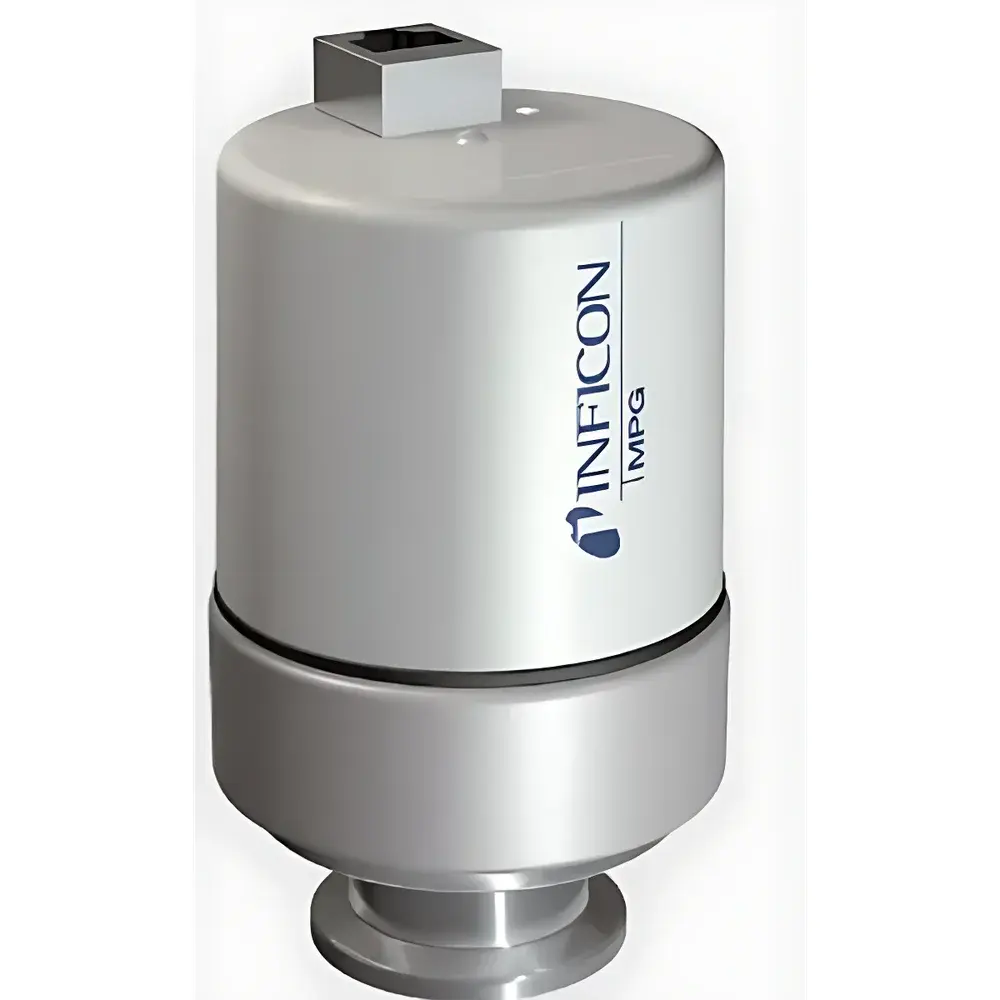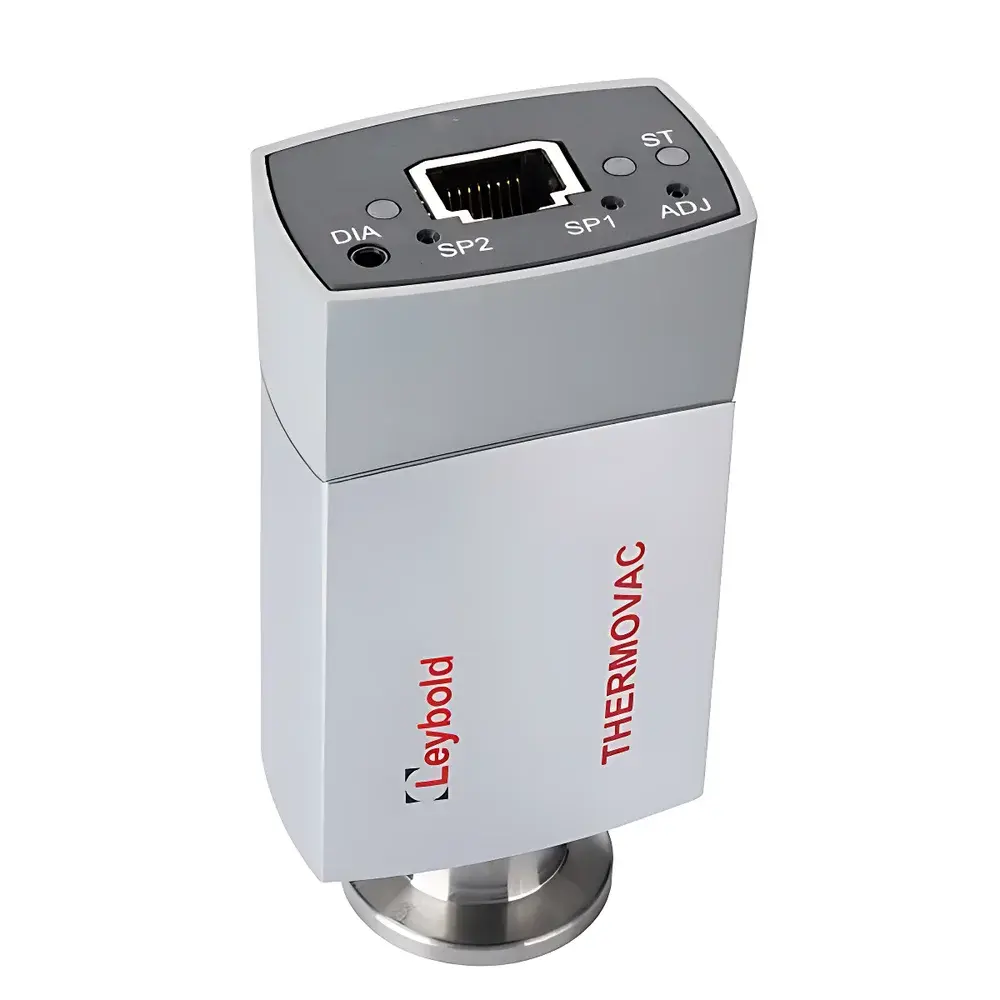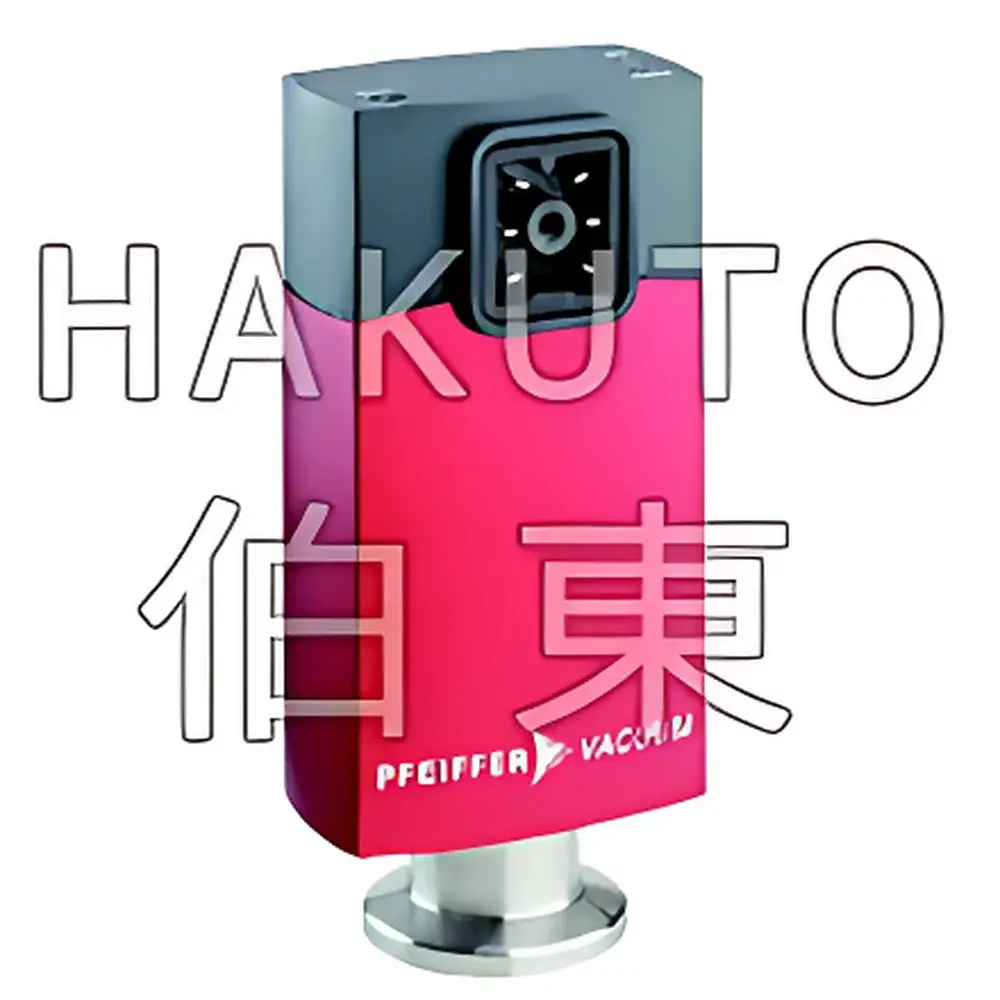
Pfeiffer Vacuum PCR 280 Capacitance Manometer
| Brand | Pfeiffer Vacuum |
|---|---|
| Origin | Germany |
| Model | PCR 280 |
| Measurement Principle | Capacitance manometry with integrated Pirani sensor |
| Range | 5 × 10⁻⁵ to 1500 hPa |
| Vacuum Port Options | DN 16 ISO-KF, DN 16 CF-F, or custom flange |
| Operating Voltage | 15–30 V DC |
| Output Signal | 1.2–8.68 V analog |
| Bakeout Temperature | 80 °C |
| Accuracy | ±50% (5 × 10⁻⁴–1 × 10⁻³ hPa), ±15% (1 × 10⁻³–100 hPa), ±5% (100–950 hPa), ±2.5% (950–1100 hPa) |
| Ultimate Pressure | 5000 hPa (overpressure limit) |
| Weight | 120 g |
Overview
The Pfeiffer Vacuum PCR 280 is a dual-sensor hybrid vacuum gauge engineered for high-reliability pressure measurement across an exceptionally wide dynamic range—from ultra-high vacuum (UHV) conditions down to rough vacuum and atmospheric overpressure. Its core architecture integrates two complementary sensing technologies: a temperature-compensated Pirani sensor for thermal conductivity-based measurement in the low-to-mid vacuum range (10⁻³ to 10² hPa), and a highly stable capacitance manometer (capacitive diaphragm sensor) for absolute, gas-independent pressure determination from 5 × 10⁻⁵ hPa up to 1500 hPa. Unlike thermocouple or ionization gauges, the PCR 280 delivers traceable, repeatable readings independent of gas composition—critical for process consistency in multi-gas environments such as sputtering, CVD, vacuum metallurgy, and leak testing. The device operates on a standardized 15–30 V DC supply and outputs a linear 1.2–8.68 V analog signal proportional to logarithmic pressure, enabling seamless integration with industrial PLCs, data acquisition systems, or dedicated vacuum controllers.
Key Features
- Dual-sensor architecture combining Pirani and capacitance manometer technologies for continuous, gap-free coverage from 5 × 10⁻⁵ to 1500 hPa
- Gas-independent measurement capability—no correction factors required for N₂, Ar, O₂, H₂, He, or reactive process gases
- Robust stainless-steel sensor head with ceramic diaphragm and hermetically sealed reference cavity for long-term zero stability
- Rated for bakeout at up to 80 °C—compatible with UHV chamber conditioning protocols without sensor degradation
- Three standardized vacuum interface options: DN 16 ISO-KF (quick-release), DN 16 CF-F (conflat flange), and customizable flange configurations per application requirements
- Compact form factor (120 g) and low power consumption support integration into space-constrained vacuum subsystems
- Compliant with CE marking requirements and designed to meet electromagnetic compatibility (EMC) standards per EN 61326-1
Sample Compatibility & Compliance
The PCR 280 is suitable for direct mounting onto vacuum chambers, foreline pipes, and vacuum pumps operating under clean, dry, non-corrosive gas environments. It is not rated for exposure to condensable vapors, aggressive halogenated compounds, or particulate-laden streams without upstream filtration or cold traps. The sensor’s stainless-steel wetted parts (AISI 316L) ensure chemical resistance compatible with common semiconductor and coating process gases. From a regulatory standpoint, the instrument supports GLP and GMP-aligned validation workflows: its analog output enables full audit trail recording when paired with compliant data loggers, and its calibration traceability aligns with ISO/IEC 17025-accredited laboratories. While the PCR 280 itself does not implement digital security features, its analog interface allows integration into FDA 21 CFR Part 11-compliant control systems via external hardware-enforced electronic signatures and access controls.
Software & Data Management
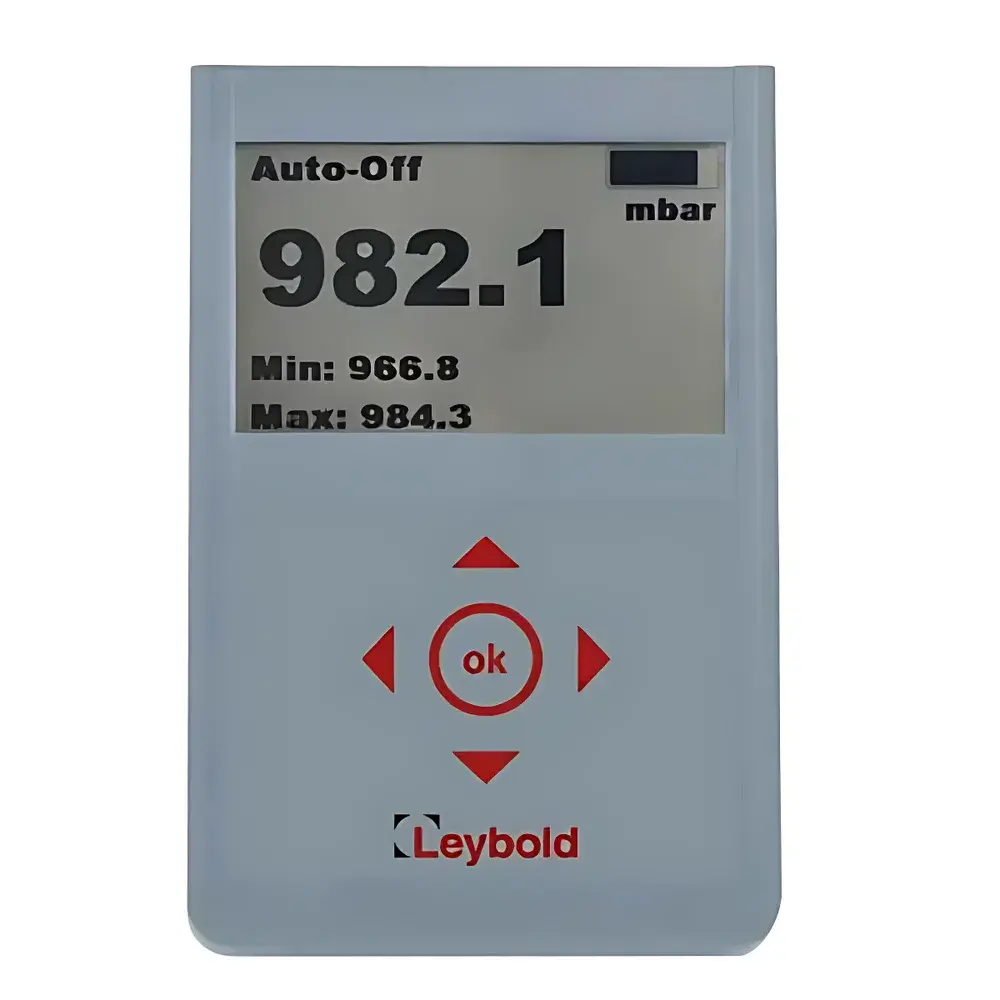
As a standalone analog transducer, the PCR 280 does not include embedded firmware or onboard software. Instead, it is designed for interoperability with third-party vacuum monitoring platforms—including Pfeiffer’s own TPG300 series controllers, LabVIEW-based DAQ systems, and SCADA architectures using standard 0–10 V or 4–20 mA signal conditioning modules. When connected to a calibrated display unit (e.g., TPG261 or VACUUUBUS-compatible interfaces), users gain access to real-time pressure logging, min/max tracking, relay-triggered alarms, and configurable scaling. All raw voltage outputs are linearly mapped to pressure decades, facilitating straightforward conversion using manufacturer-provided transfer functions. Calibration certificates—including as-delivered sensitivity, zero offset, and temperature coefficient data—are supplied with each unit and remain valid for 12 months under normal operating conditions.
Applications
- Process monitoring and endpoint detection in physical vapor deposition (PVD) and plasma-enhanced chemical vapor deposition (PECVD) tools
- Roughing and backing line pressure control in turbomolecular pump systems
- Leak rate verification and helium mass spectrometer system diagnostics
- Research-grade vacuum characterization in surface science, atomic physics, and cryogenic experiments
- Quality assurance during vacuum packaging of medical devices and electronics
- Environmental simulation chambers requiring stable, cross-gas pressure referencing
FAQ
Is the PCR 280 suitable for corrosive gas applications?
No—the sensor’s diaphragm and internal components are not chemically resistant to halogens, ammonia, or sulfur-containing compounds. Use only in clean, dry, inert, or mildly reactive gas environments.
Can the PCR 280 be calibrated in-house?
Field calibration requires traceable reference standards and environmental control; Pfeiffer recommends periodic recalibration by an ISO/IEC 17025-accredited service center every 12 months.
What is the maximum allowable overpressure before damage occurs?
The sensor is rated for short-term overpressure up to 5000 hPa (≈5 bar absolute); sustained exposure above 1500 hPa may cause irreversible diaphragm deformation.
Does the PCR 280 support digital communication protocols such as RS-485 or Modbus?
No—it provides only analog voltage output. Digital integration requires external analog-to-digital conversion or use of a compatible controller (e.g., TPG300) with protocol translation capabilities.
How does temperature affect measurement accuracy?
The built-in temperature compensation circuit maintains specified accuracy across ambient operating temperatures from 0 to 50 °C; performance outside this range requires user-defined correction or active thermal stabilization.