
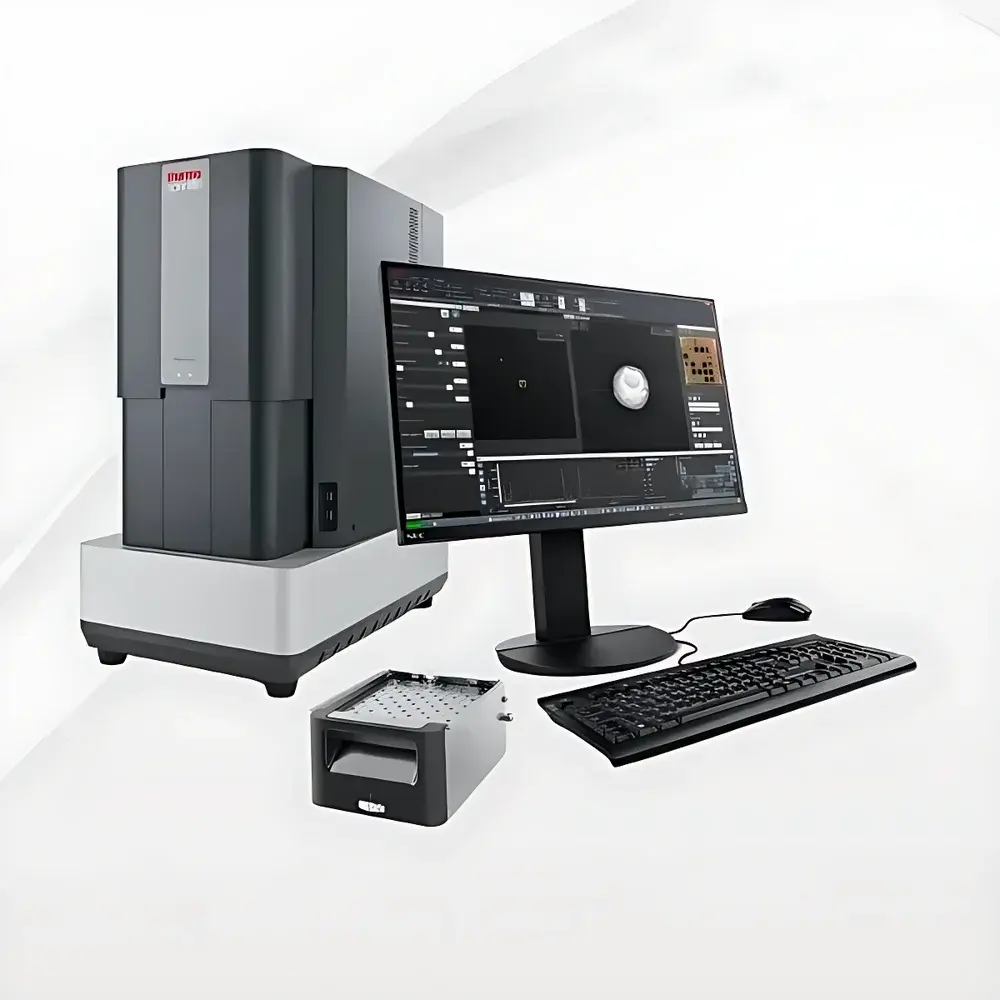
Phenom ParticleX Automated Particle Analysis System
| Brand | Phenom |
|---|---|
| Origin | Netherlands |
| Manufacturer | Phenom-World B.V. |
| Product Type | Desktop Scanning Electron Microscope (SEM) |
| Model | ParticleX |
| Electron Source | Cerium Hexaboride (CeB6) |
| Maximum Magnification | 200,000× |
| Accelerating Voltage | Standard Modes: 2 kV, 5 kV, 10 kV, 15 kV, 20 kV |
| Advanced Mode | Continuously Adjustable from 4.8 kV to 20.5 kV |
| Backscattered Electron (BSE) Image Resolution | ≤ 8 nm |
| Standard Detectors | High-Sensitivity Quad-BSE Detector, Energy-Dispersive X-ray Spectrometer (EDS) |
| Optional Detector | Secondary Electron (SE) Detector |
| Vacuum Pumping Time | < 30 s |
| Lamp Lifetime | ~3,000 h |
| Operating Environment | Standard Lab or Office (Active Vibration Isolation Integrated) |
Overview
The Phenom ParticleX Automated Particle Analysis System is a fully integrated desktop scanning electron microscope (SEM) engineered for high-throughput, quantitative particle characterization in industrial quality control and R&D environments. Built upon a field-emission–optimized CeB6 electron source and a robust vacuum architecture, the system delivers stable, high-resolution imaging (≤ 8 nm BSE resolution) combined with simultaneous energy-dispersive X-ray spectroscopy (EDS) for elemental composition analysis. Unlike conventional SEMs requiring manual stage navigation and operator intervention, the ParticleX employs an automated stage, intelligent image acquisition algorithms, and a proprietary particle recognition engine to scan, detect, segment, classify, and chemically fingerprint thousands of individual particles per session—without user supervision. Its design adheres to principles of metrological traceability and analytical reproducibility, making it suitable for regulated workflows aligned with ISO 16232 (road vehicle cleanliness), ASTM E2757 (metallic inclusion analysis), and IEC 62621 (battery material impurity assessment).
Key Features
- Automated end-to-end particle workflow: From vacuum pump-down (<30 s) to report generation—including image acquisition, particle detection, morphological parameterization (size, aspect ratio, circularity, convexity), and EDS-based elemental classification.
- CeB6 thermionic electron source with >3,000 h operational lifetime and superior brightness stability over tungsten filaments—enabling consistent signal-to-noise ratios across long-duration mapping sessions.
- Quad-segmented backscattered electron (BSE) detector providing atomic-number contrast imaging with enhanced topographic sensitivity and compositional differentiation at low kV (2–5 kV).
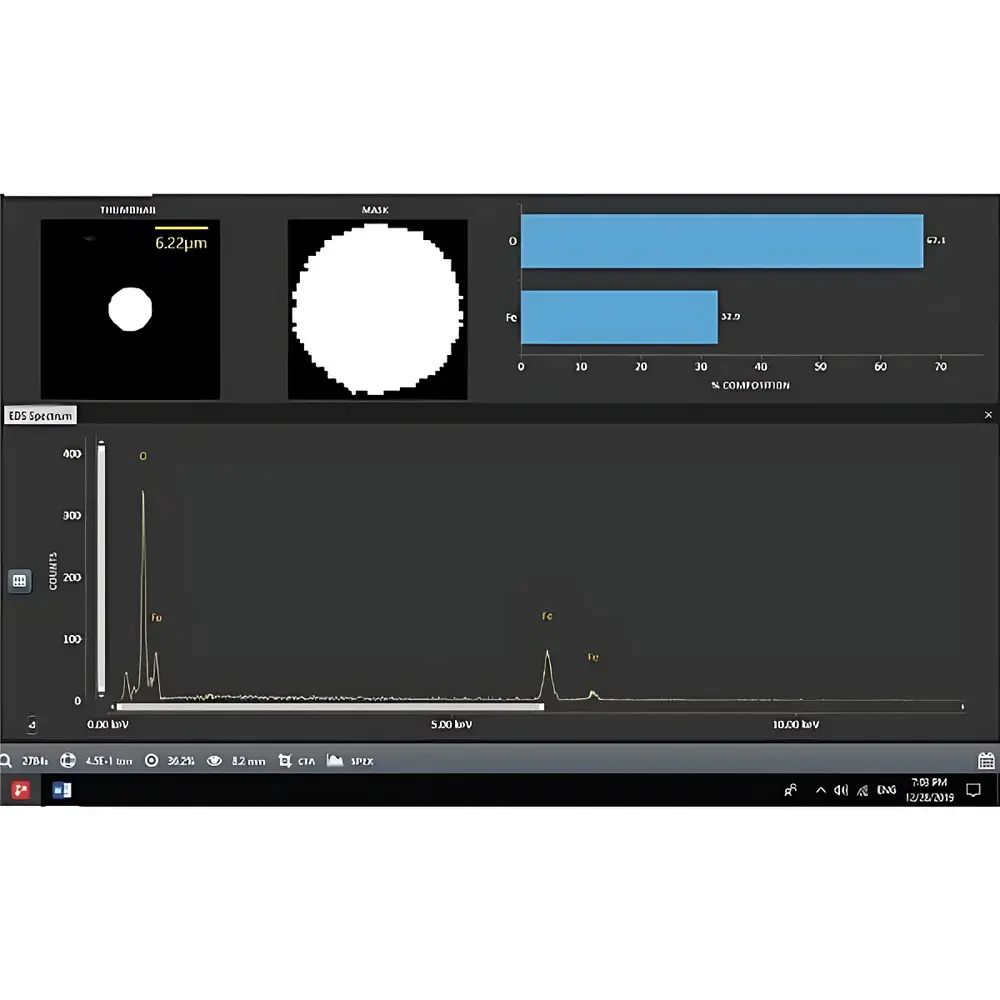
- Integrated EDS detector with real-time spectrum acquisition and automated peak deconvolution for rapid identification of metallic, oxide, and ceramic contaminants (Fe, Cu, Al, Si, O, Ca, etc.).
- Motorized precision stage with sub-micron repeatability and programmable multi-field stitching for large-area particle surveys (up to 100 mm² per sample).
- Vibration-isolated optical bench and compact footprint (0.5 m² floor space) enabling deployment in non-dedicated lab spaces—including production floors and cleanrooms (ISO Class 7 compatible).
Sample Compatibility & Compliance
The ParticleX accepts standard 12.5 mm–32 mm diameter filter membranes (e.g., polycarbonate, mixed cellulose ester), metallographic cross-sections, electrode coatings, powder dispersions on carbon tape, and bulk metal coupons. Sample charging is mitigated via low-kV imaging (2–5 kV), beam deceleration, and optional conductive coating (Au/Pd sputtering). The system supports compliance-critical documentation: audit trails for instrument settings, user actions, and analysis parameters; timestamped raw data archiving; and export-ready reports conforming to GLP/GMP documentation standards. All EDS quantification routines are calibrated using NIST-traceable reference materials (e.g., Cu/Ni/Fe multilayer standards), and particle classification logic is configurable to meet internal SOPs or external standards including USP , ISO 14644-1, and VDA 19.1.
Software & Data Management
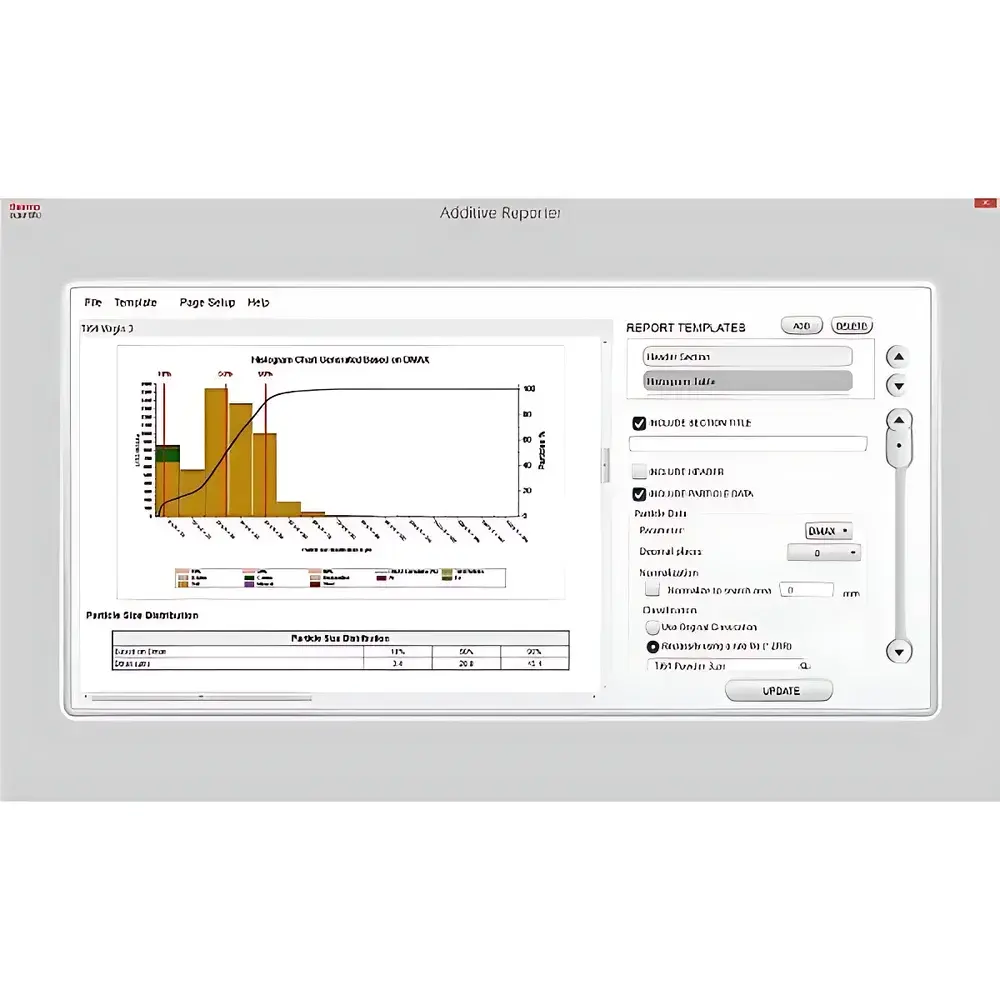
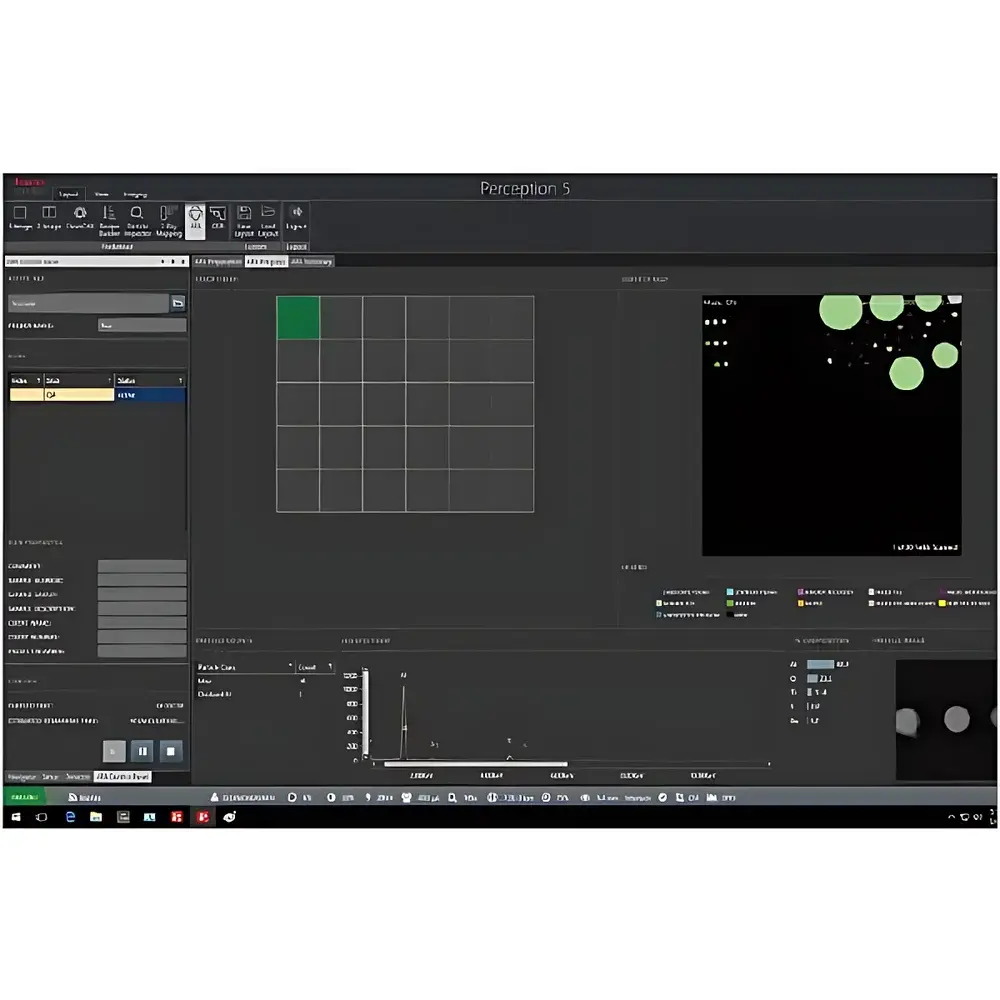
ParticleX operates on Phenom’s proprietary ProSuite software platform, which integrates acquisition, processing, and reporting into a single GUI. The software includes a relational database schema supporting metadata tagging (sample ID, operator, date/time, process step), hierarchical particle grouping (by morphology + chemistry), and statistical export (CSV, PDF, XML) compatible with LIMS and MES integration. Advanced features include batch-mode analysis scheduling, remote monitoring via secure HTTPS interface, and 21 CFR Part 11–compliant user access controls (role-based permissions, electronic signatures, immutable audit logs). Raw image stacks and spectrum libraries are stored in vendor-neutral formats (TIFF, .spc) to ensure long-term data portability and third-party spectral library interoperability (e.g., Oxford AZtec, Thermo Pathfinder).
Applications
- Automotive Cleanliness Control: Quantitative analysis of particulate contamination on fuel injectors, brake calipers, and transmission components per ISO 16232-C and VDA 19.1—enabling root-cause attribution of wear debris (e.g., Fe-rich vs. Al-rich particles) to specific subsystems.
- Lithium-Ion Battery Material Screening: Automated detection and classification of ferromagnetic impurities (Fe, Ni, Cr) in cathode/anode slurries and separator films, supporting QC release criteria per IEC 62621 Annex D.
- Steel Inclusion Characterization: Morphology-guided classification (Type A–D per ASTM E45) with automated area fraction, aspect ratio, and chemical identity assignment—replacing subjective manual评级 with objective, repeatable metrics.
- AM Powder Qualification: Statistical evaluation of particle size distribution (PSD), sphericity, satellite count, and surface oxide content in Ti-6Al-4V, Inconel 718, and AlSi10Mg powders—correlating microstructural descriptors with LPBF process outcomes (porosity, crack density, tensile strength).
FAQ
What sample preparation protocols are recommended for ParticleX analysis?
Standard protocols include vacuum filtration onto polycarbonate membranes (0.2–0.4 µm pore size), critical-point drying (for hydrated samples), and optional sputter-coating for non-conductive materials. No sectioning or embedding is required for most industrial particulates.
Can ParticleX distinguish between morphologically similar particles with different compositions?
Yes—via simultaneous BSE imaging and EDS point analysis. For example, alumina (Al₂O₃) and silica (SiO₂) particles of identical size and shape are differentiated by their characteristic X-ray emission lines (Al-Kα vs. Si-Kα) and atomic number contrast in BSE mode.
Is the system compliant with FDA 21 CFR Part 11 requirements?
ProSuite v5.2+ supports full 21 CFR Part 11 functionality—including electronic signatures, audit trail review, and role-based access control—when deployed on validated Windows Server environments with domain authentication.
How does ParticleX handle overlapping or agglomerated particles?
The software applies watershed segmentation algorithms combined with EDS spectral unmixing to resolve partial overlaps. Users may manually validate or refine segmentation masks, and all edits are logged in the audit trail.
What maintenance intervals are specified for the CeB6 source and vacuum system?
The CeB6 cartridge is rated for ≥3,000 h under typical operating conditions (average 5 kV, 1 nA beam current). The turbomolecular pump requires annual bearing inspection; the roughing pump oil should be replaced every 6 months or after 2,000 hours of operation.




