
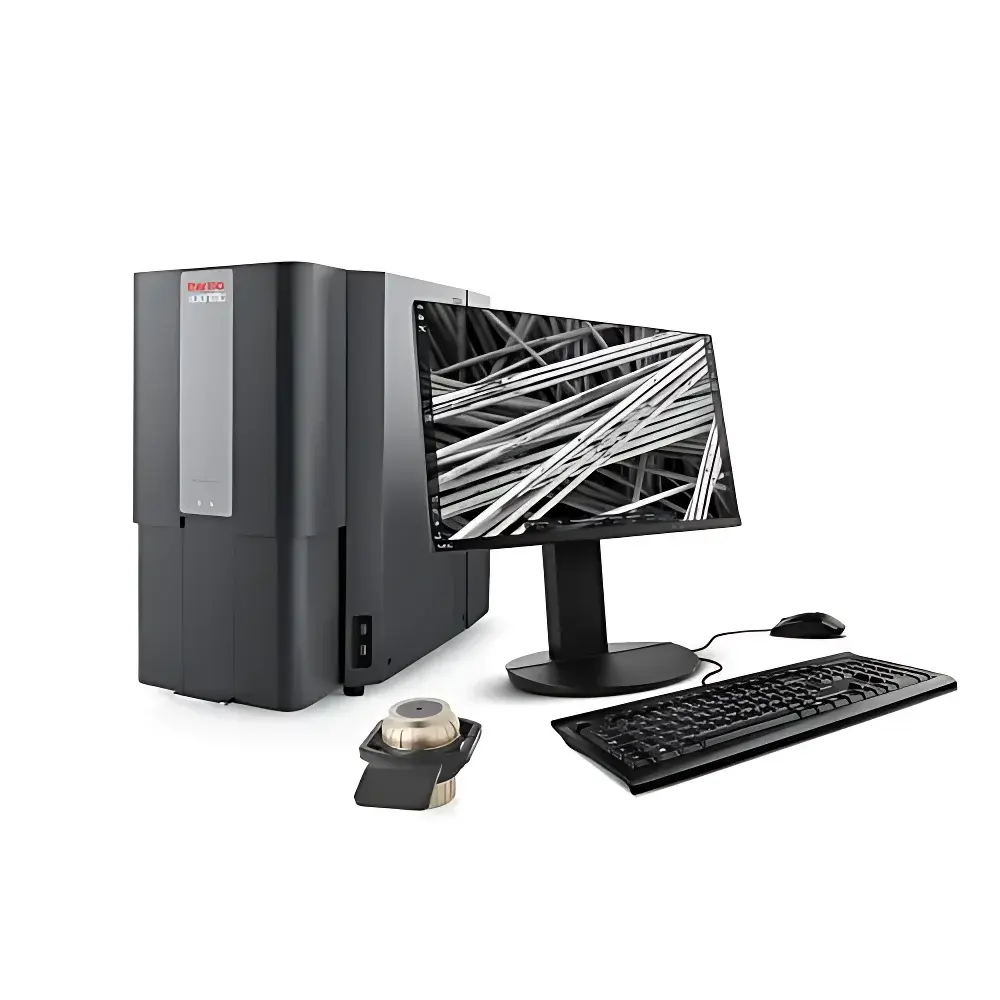
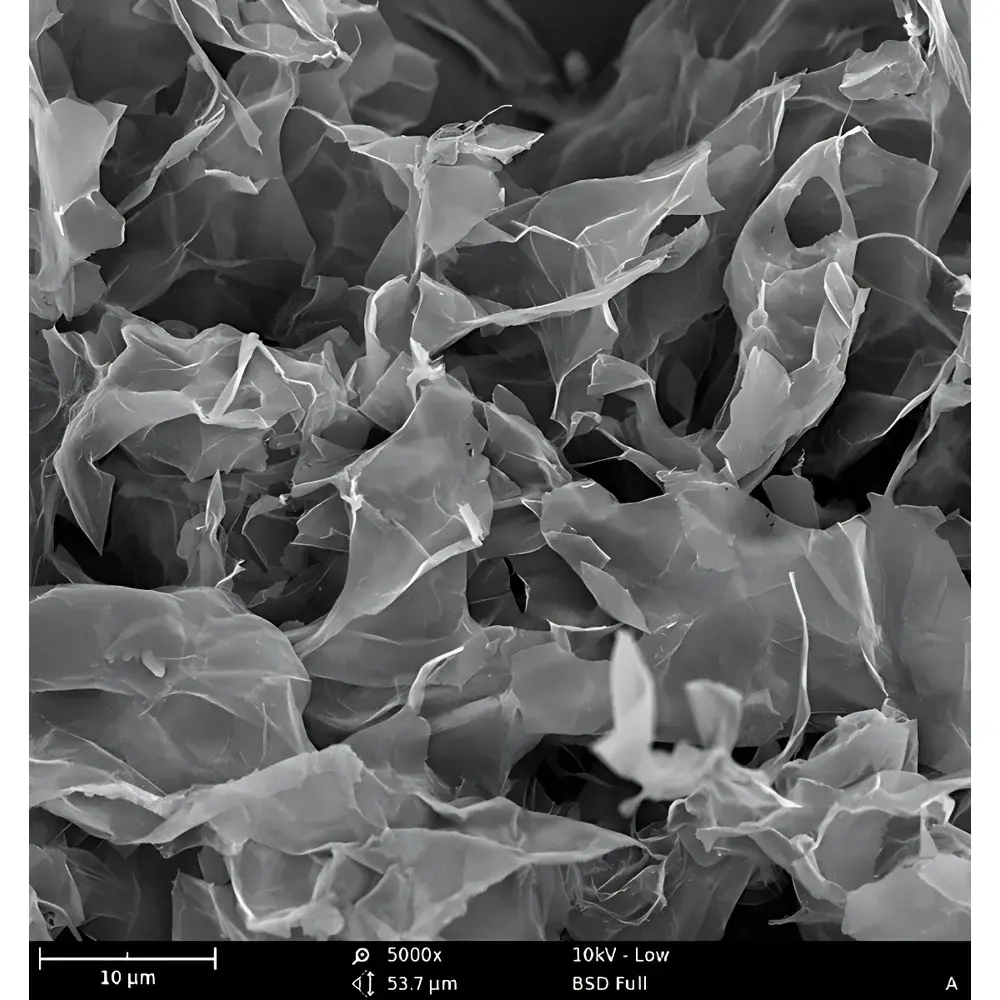
Phenom Pro Desktop Scanning Electron Microscope – High-Resolution Professional Edition
| Brand | Phenom (Thermo Fisher Scientific) |
|---|---|
| Origin | Netherlands |
| Instrument Type | Benchtop SEM |
| Electron Source | Cerium Hexaboride (CeB₆) |
| Secondary Electron Resolution | ≤6 nm |
| Maximum Magnification | 350,000× |
| Accelerating Voltage | 4.8–20.5 kV (continuously adjustable) |
| Backscattered Electron Resolution | ≤6 nm |
| Vacuum System | Integrated turbomolecular pump (15 s pump-down to operational vacuum) |
| Sample Chamber Dimensions | Ø32 mm × H100 mm |
| Optical Navigation Camera | Integrated full-color CCD |
Overview
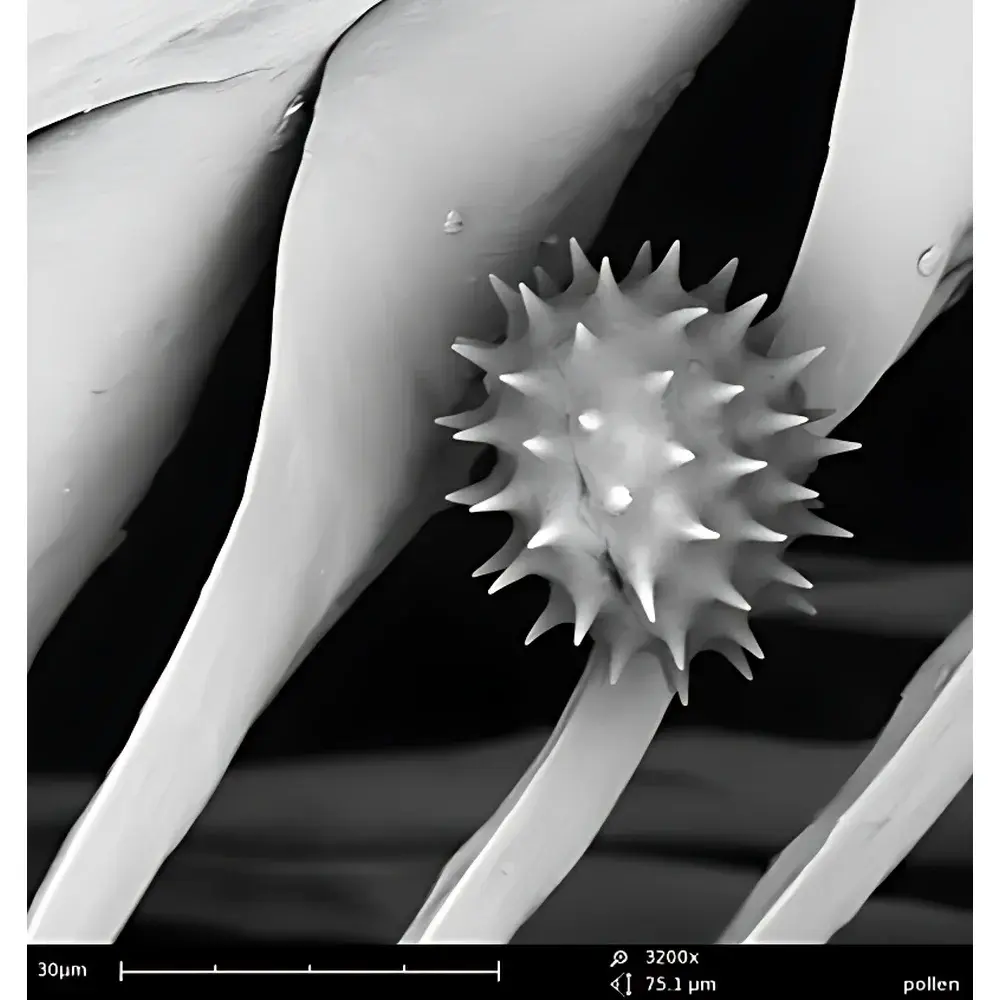
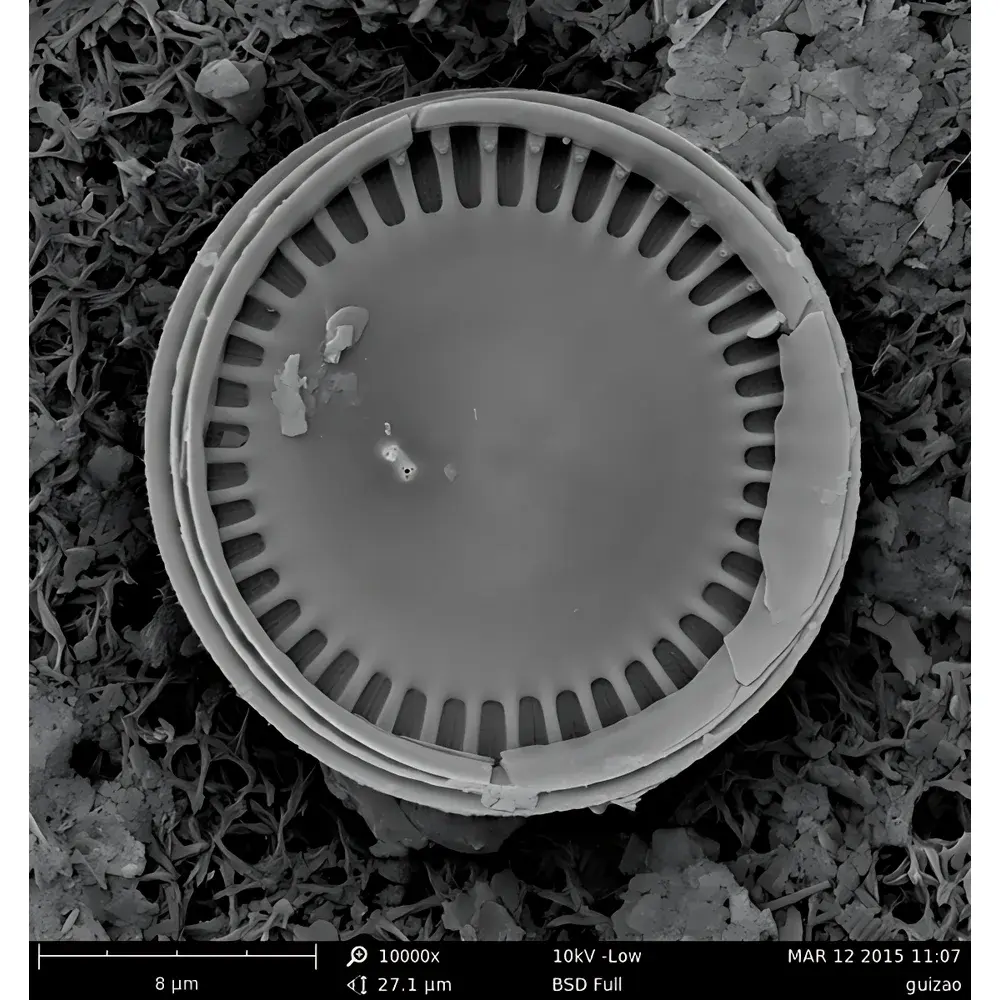
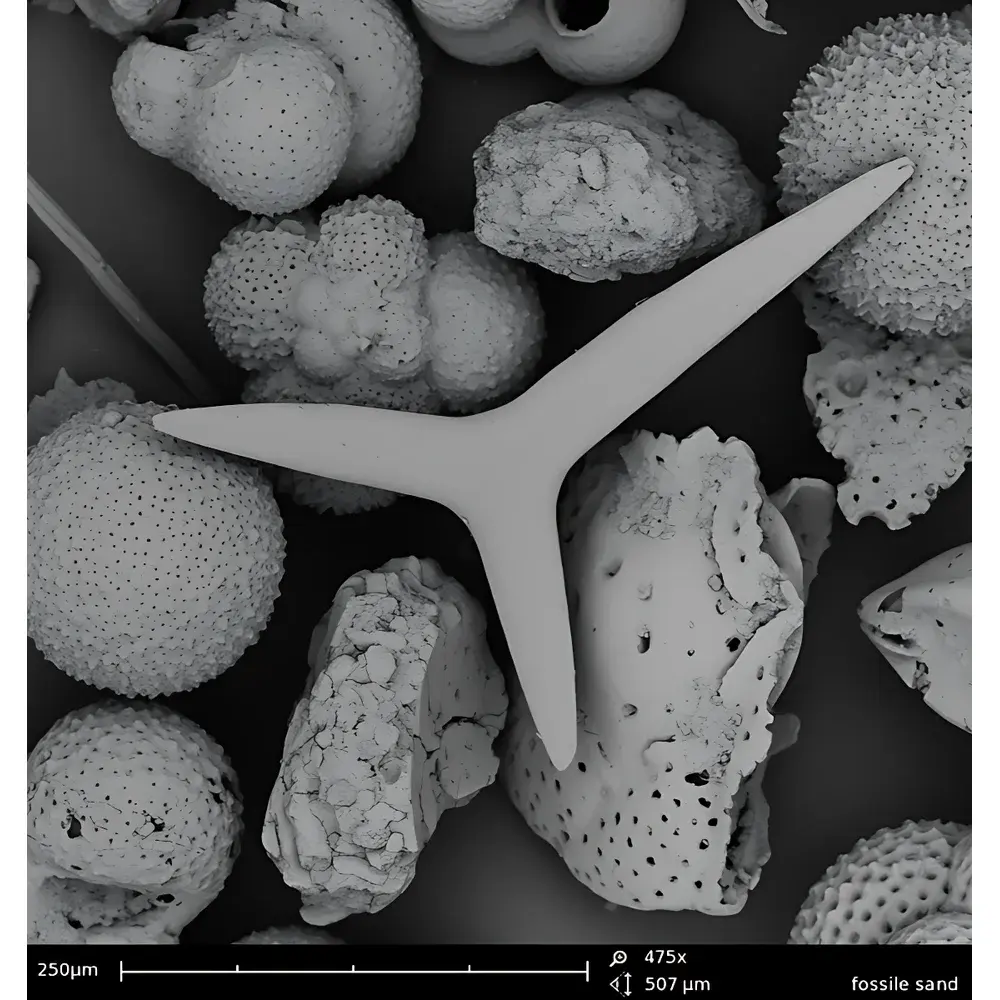
The Phenom Pro Desktop Scanning Electron Microscope – High-Resolution Professional Edition is a fully integrated, benchtop-scale SEM engineered for high spatial resolution imaging and quantitative microstructural analysis in routine laboratory environments. Utilizing a thermally assisted field-emission–like CeB₆ electron source, the system delivers stable beam current and exceptional signal-to-noise ratio at low accelerating voltages—enabling high-fidelity secondary electron (SE) and backscattered electron (BSE) imaging with ≤6 nm resolution. Unlike conventional floor-standing SEMs requiring dedicated rooms and complex infrastructure, the Phenom Pro operates within standard lab spaces, achieving operational vacuum in under 15 seconds via an integrated turbomolecular pumping system. Its compact architecture eliminates the need for external vibration isolation tables while maintaining mechanical stability sufficient for sub-10 nm topographic characterization. Designed for materials science, quality control, failure analysis, and academic research, the instrument supports non-conductive sample observation without mandatory sputter coating—leveraging low-kV imaging and charge compensation modes compliant with ISO 16700 and ASTM E1558 guidelines for surface morphology assessment.
Key Features
- ≤6 nm SE and BSE resolution at 10 kV—validated per ISO 16700 Annex A using certified gold-on-carbon resolution standards
- Continuous accelerating voltage range from 4.8 kV to 20.5 kV, enabling optimized contrast and penetration depth across insulating, metallic, and composite specimens
- Integrated color optical navigation camera for rapid region-of-interest localization and precise stage positioning
- Automated vacuum sequence completing in ≤15 seconds—reducing turnaround time between samples without compromising chamber integrity
- CeB₆ electron source with typical service life exceeding 24 months under standard operating conditions (per Thermo Fisher technical documentation)
- Robust mechanical design incorporating passive damping elements to mitigate ambient floor vibrations—no external anti-vibration table required
- Intuitive one-button operation workflow: load sample → select mode → acquire image → export data
Sample Compatibility & Compliance
The Phenom Pro accommodates samples up to 32 mm in diameter and 100 mm in height, supporting diverse geometries via interchangeable sample holders—including stubs, pin-type mounts, and specialized cups for fibers, powders, biological tissues, and elongated specimens. Its low-voltage imaging capability (down to 4.8 kV) minimizes charging on polymers, ceramics, and biological specimens, satisfying requirements for charge-free imaging outlined in USP and GLP-compliant documentation workflows. The system complies with IEC 61000-6-3 (EMC emissions) and IEC 61000-6-2 (immunity), and its software architecture supports audit trails, electronic signatures, and user access controls aligned with FDA 21 CFR Part 11 readiness when deployed in regulated environments.
Software & Data Management
Equipped with Phenom Desktop Software v5.x, the system provides automated acquisition protocols, real-time image enhancement, and embedded metrology tools. Optional modules—including ParticleMetric, FiberMetric, PoreMetric, and 3D Roughness Reconstruction—execute ISO/ASTM-compliant particle sizing (ISO 9276-2), fiber diameter distribution analysis (ASTM D3377), pore network quantification (ASTM D4405), and surface topography reconstruction from stereo BSE pairs. All measurement data are stored in vendor-neutral TIFF and CSV formats; metadata (accelerating voltage, dwell time, magnification, detector type) is embedded per EXIF standard. Remote operation is supported via secure TLS-encrypted VNC connection, enabling off-site collaboration and instrument monitoring without compromising local data sovereignty.
Applications
The Phenom Pro serves as a primary characterization tool in polymer morphology studies, semiconductor package inspection, catalyst particle sizing, filtration media evaluation, forensic fiber comparison, and battery electrode microstructure validation. Its ability to resolve features below 10 nm—combined with rapid vacuum cycling and minimal sample preparation—makes it particularly suitable for high-throughput QC labs performing incoming material verification per ISO/IEC 17025 accreditation requirements. In academic settings, it supports undergraduate teaching of electron-specimen interactions, diffraction contrast mechanisms, and compositional mapping principles—without requiring dedicated cleanroom facilities or cryogenic infrastructure.
FAQ
What is the minimum detectable feature size under optimal conditions?
The system achieves ≤6 nm resolution per ISO 16700 test methodology using certified reference standards at 10 kV and optimal working distance.
Can non-conductive samples be imaged without sputter coating?
Yes—low-kV imaging (4.8–8 kV) combined with charge compensation mode enables high-fidelity SE imaging of uncoated polymers, ceramics, and biological specimens.
How frequently must the CeB₆ source be replaced?
Under typical usage (≤4 h/day, 5 days/week), the CeB₆ filament maintains stable emission for ≥24 months before replacement.
Is the software compatible with LIMS integration?
Raw image files and measurement exports (CSV, TIFF) support direct ingestion into common LIMS platforms via configurable file watchers or API-based middleware.
Does the system meet regulatory requirements for pharmaceutical or medical device labs?
When configured with audit trail logging, role-based access control, and electronic signature modules, the platform supports compliance with FDA 21 CFR Part 11, EU Annex 11, and ISO 13485 documentation standards.





