
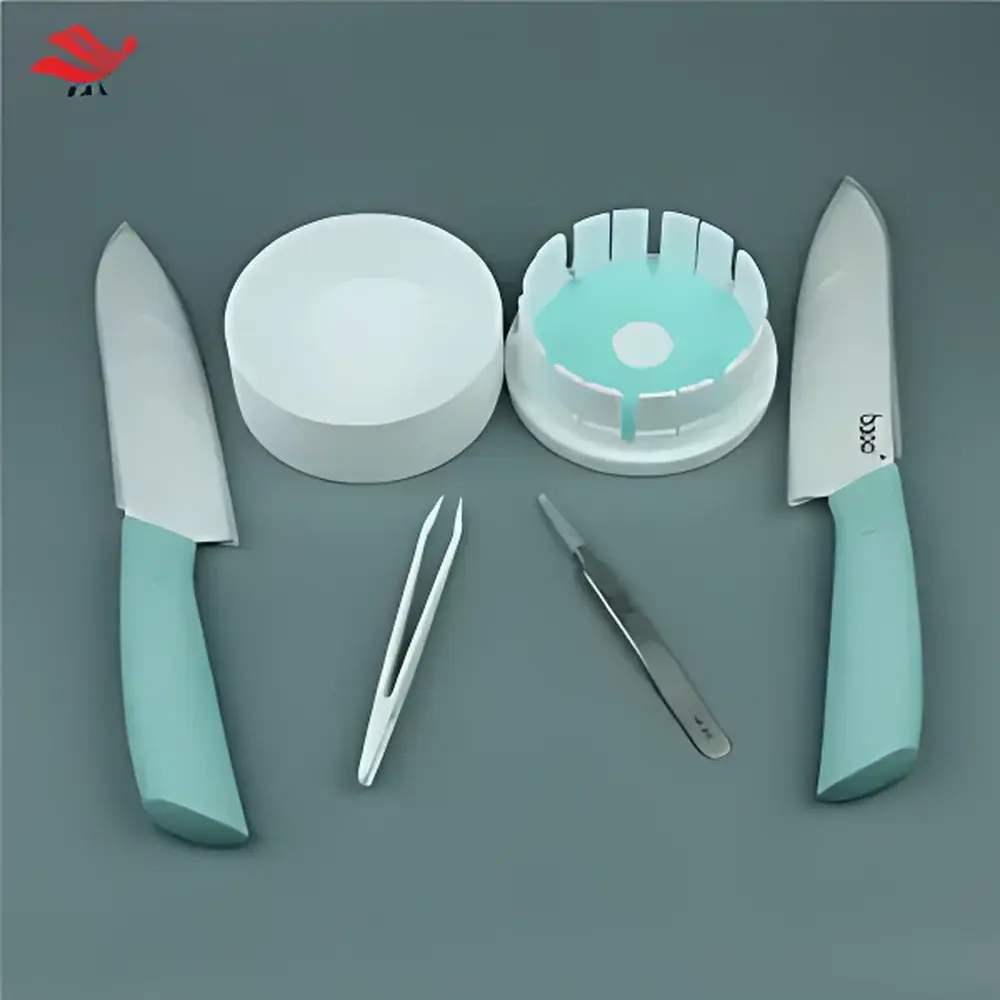
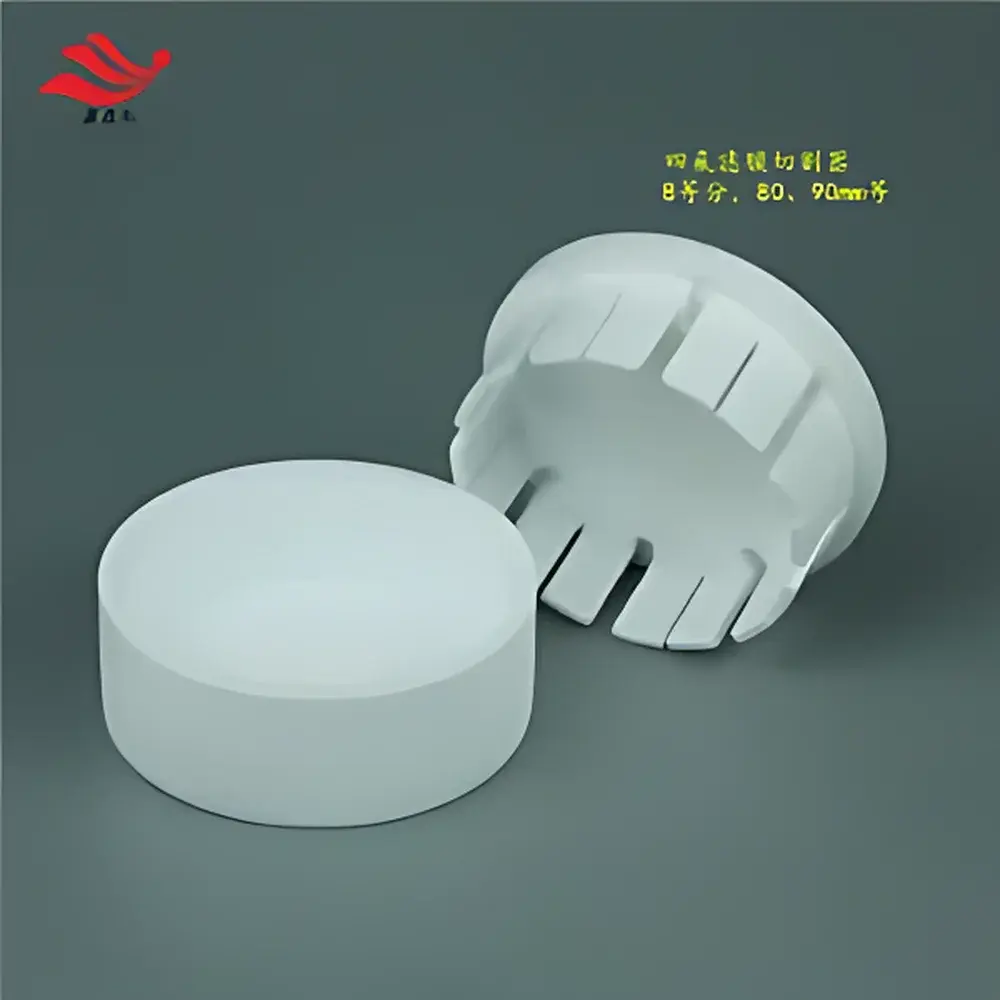
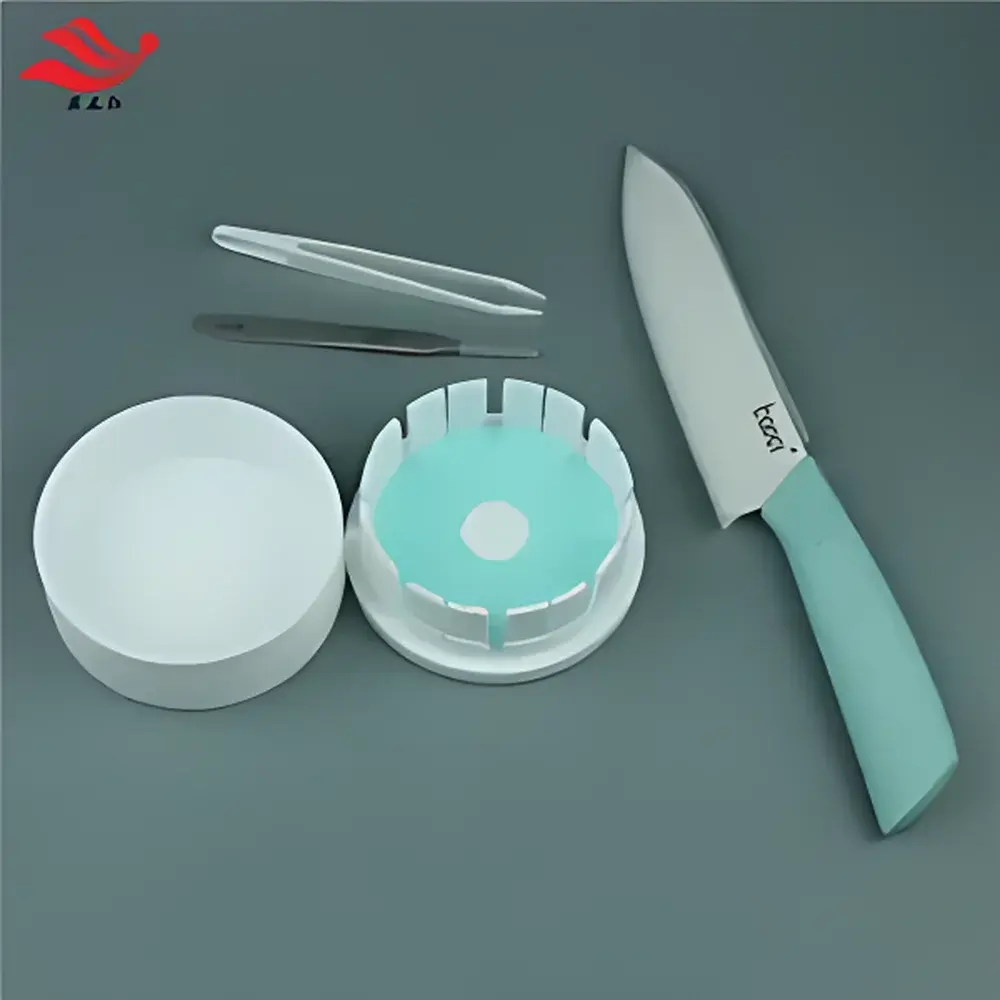
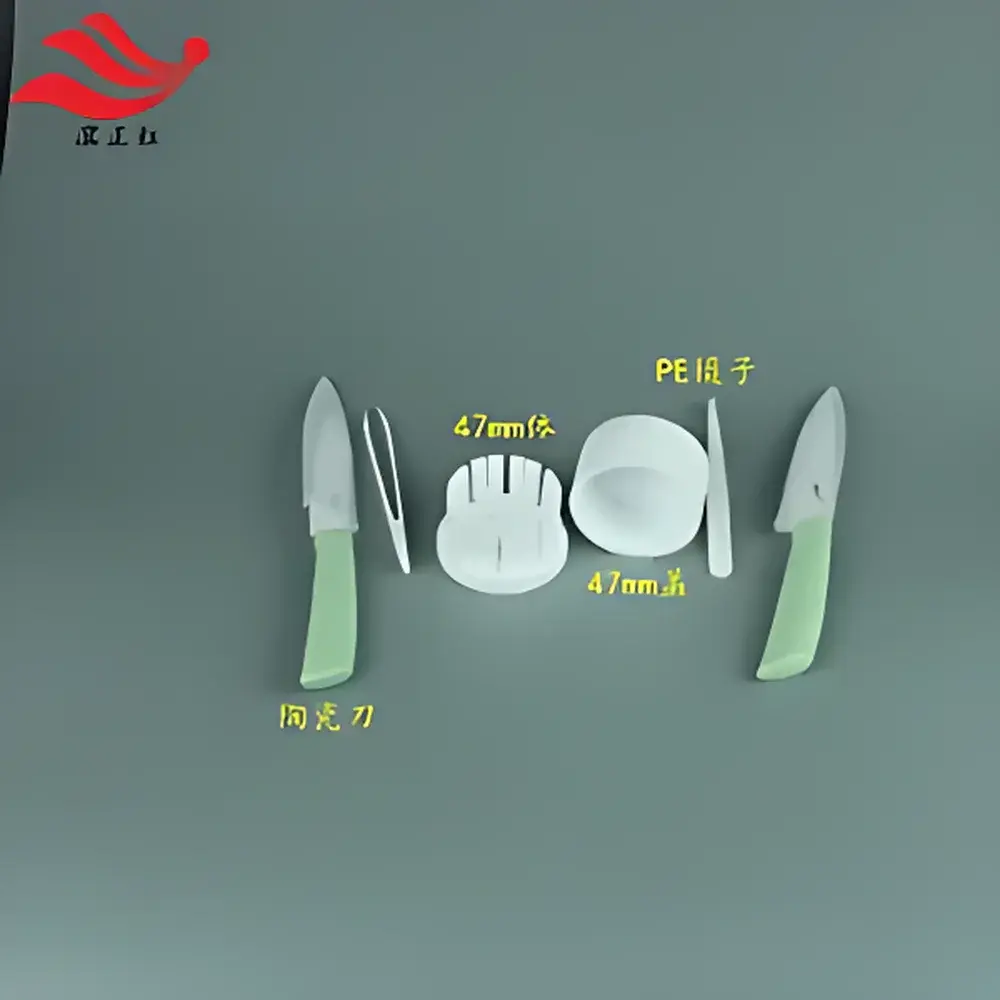
PTFE Circular Filter Membrane Divider (80 mm & 90 mm Diameter)
| Brand | Binzhenghong |
|---|---|
| Origin | Jiangsu, China |
| Manufacturer Type | Direct Producer |
| Model | 80 mm / 90 mm (Adjustable Diameters) |
| Material | PTFE (Polytetrafluoroethylene) |
| Cutting Blade | Ceramic |
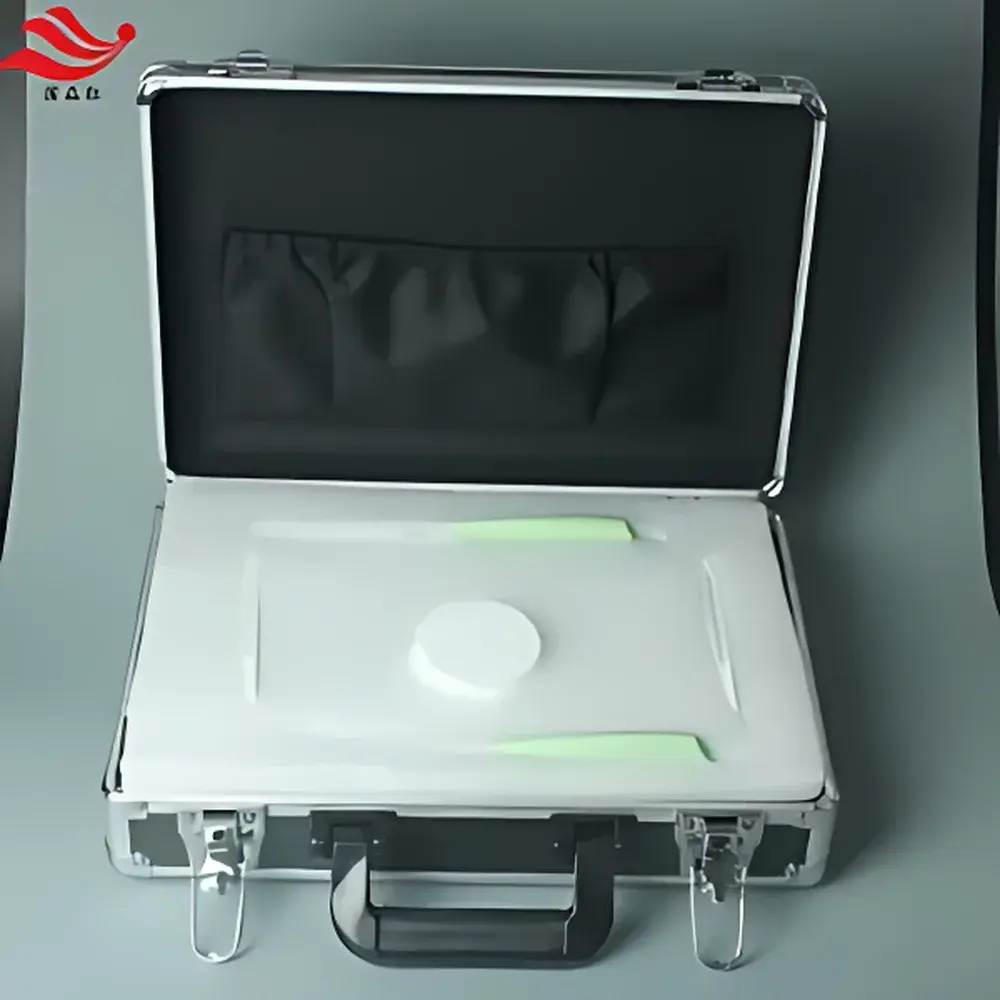
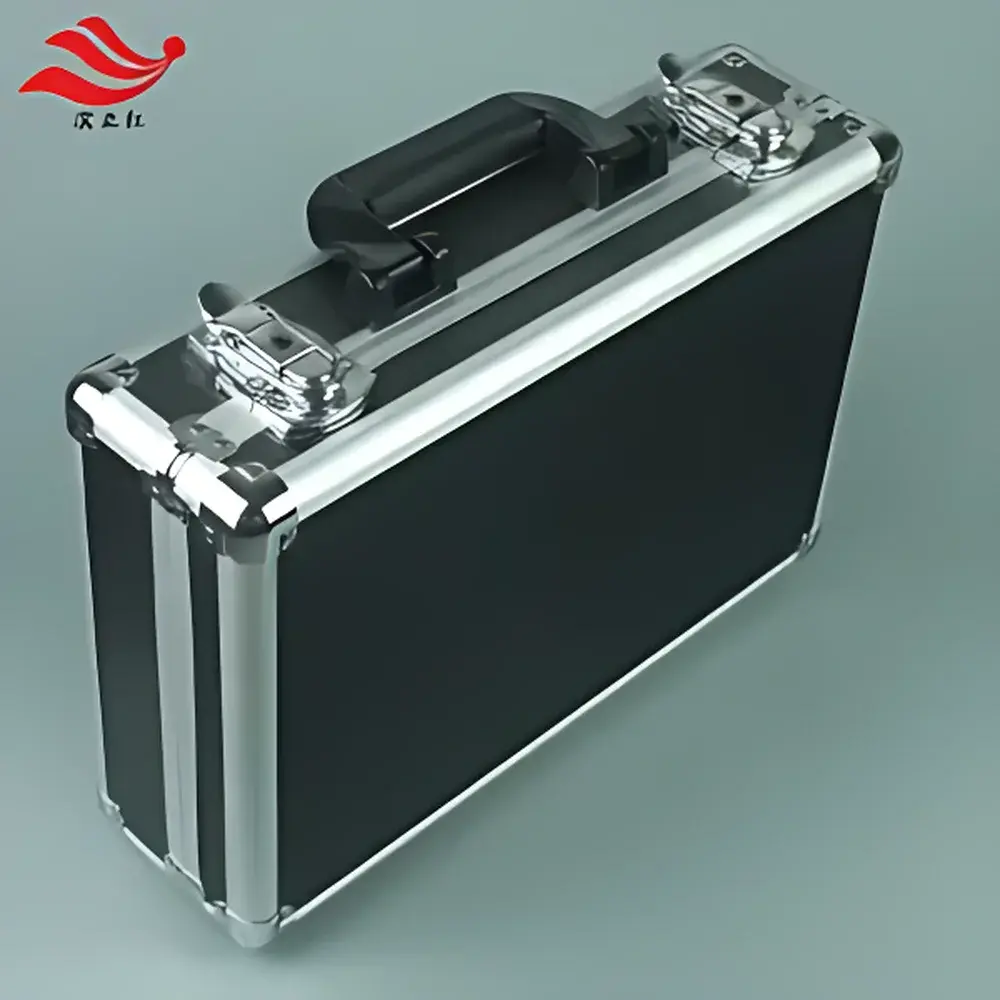
| Accessories | Stainless Steel Tweezers, Filter Holder with Lid, Protective Carrying Case |
| Compliance | Designed for ISO 7709 and ASTM D2974-compliant membrane subsampling |
Overview
The Binzhenghong PTFE Circular Filter Membrane Divider is a precision mechanical tool engineered for the reproducible radial segmentation of circular filter membranes—commonly used in environmental air sampling, particulate matter (PM2.5/PM10) analysis, gravimetric mass determination, and regulatory compliance testing. Unlike manual cutting methods prone to angular deviation and edge deformation, this divider employs a fixed-axis rotational geometry with calibrated indexing stops to ensure geometrically accurate division into 4, 8, or 16 equal sectors. Its core principle relies on mechanical symmetry and tactile repeatability—not electronic actuation—making it ideal for cleanroom environments, field laboratories, and GLP-regulated workflows where electromagnetic interference, power dependency, or software validation are constraints. The device operates exclusively on physical alignment: the membrane is clamped between PTFE-coated stainless steel plates, and a ceramic blade—mounted on a hardened steel carrier—is lowered manually along a guided vertical path to score the membrane surface without perforation or fiber displacement.
Key Features
- Chemically inert PTFE construction ensures zero leaching, non-stick surface retention, and compatibility with aggressive solvents (e.g., acetone, chloroform, concentrated acids/bases) commonly used in membrane extraction protocols.
- Ceramic cutting blade maintains edge integrity over >10,000 cycles without measurable wear—eliminating metal contamination risks associated with stainless-steel blades in trace-metal or ICP-MS applications.
- Dual-diameter support (80 mm and 90 mm) accommodates standard filter formats used in EPA Method IO-3.2, EN 12341, and ISO/CD 7935 gravimetric filter weighing procedures.
- Integrated indexing mechanism guarantees angular tolerance ≤ ±0.5° per segment—critical for achieving statistically valid subsampling variance below 1.2% RSD (per NIST SP 800-111 guidelines).
- Modular assembly includes a corrosion-resistant filter holder with silicone O-ring sealing, a precision-machined PTFE lid with centering pin, and calibrated tweezers with anti-static coating to prevent electrostatic adhesion during membrane handling.
- Compact, portable design (185 × 120 × 65 mm) and protective carrying case enable transport between field sites and accredited laboratories without recalibration.
Sample Compatibility & Compliance
The divider is validated for use with mixed cellulose ester (MCE), polyvinylidene fluoride (PVDF), polycarbonate (PC), quartz fiber, and glass fiber filters ranging from 0.2 µm to 10 µm pore size. It supports both dry and solvent-wetted membranes, provided residual moisture content remains below 5% w/w to prevent slippage during indexing. The PTFE body meets USP Class VI biocompatibility requirements, and all metallic components comply with ASTM F899 stainless steel specifications. Device operation aligns with ISO/IEC 17025:2017 Clause 6.4.10 (equipment suitability verification) and supports audit-ready documentation for FDA 21 CFR Part 11–governed laboratories when paired with controlled logbooks.
Software & Data Management
This is a purely mechanical instrument with no embedded electronics, firmware, or digital interface. Consequently, it requires no software installation, cybersecurity validation, or electronic record archiving. All operational parameters—including date of use, operator ID, membrane lot number, division factor (4/8/16), and visual inspection notes—are recorded manually in laboratory notebooks or LIMS-integrated paper forms. This architecture eliminates validation overhead for computerized system qualification (CSV) and simplifies requalification after maintenance per ISO/IEC 17025 Annex A.2.3.
Applications
- Subsampling of loaded air filters for parallel analysis by XRF, ICP-OES, and ion chromatography—ensuring representative mass distribution across segments.
- Preparation of replicate sections for SEM-EDS elemental mapping and cross-sectional porosity analysis.
- Gravimetric homogeneity testing of filter media prior to certification under ISO 9001 quality management systems.
- Standardized membrane division in EPA Region IV QA/QC audits for ambient PM monitoring networks.
- Teaching labs requiring hands-on demonstration of geometric partitioning principles without reliance on consumable blades or calibration certificates.
FAQ
Is calibration required before first use?
No—mechanical indexing is factory-set and does not drift; however, users must verify angular accuracy annually using a calibrated optical protractor per ISO 17025 Section 6.5.2.
Can the device be sterilized for microbiological applications?
Yes—autoclavable at 121°C, 15 psi for 20 minutes; PTFE and ceramic retain dimensional stability, though repeated autoclaving may reduce O-ring lifespan.
Does it accommodate non-standard diameters (e.g., 75 mm or 100 mm)?
No—only 80 mm and 90 mm configurations are supported; custom diameter kits require OEM engineering consultation and separate validation.
What maintenance is recommended?
Wipe PTFE surfaces with IPA after each use; inspect ceramic blade for micro-chipping under 10× magnification quarterly; replace O-rings every 12 months or after 500 cycles.
Is training documentation available?
Yes—PDF user manual (EN/DE/FR), SOP templates aligned with ISO/IEC 17025, and video-guided setup protocols are provided upon purchase.



