
PW-D100 Standard Contact Angle Goniometer by YueLian (PW)
| Brand | YueLian (PW) |
|---|---|
| Origin | Guangdong, China |
| Manufacturer Type | Authorized Distributor |
| Regional Classification | Domestic (China) |
| Model | PW-D100 |
| Pricing | Upon Request |
Overview
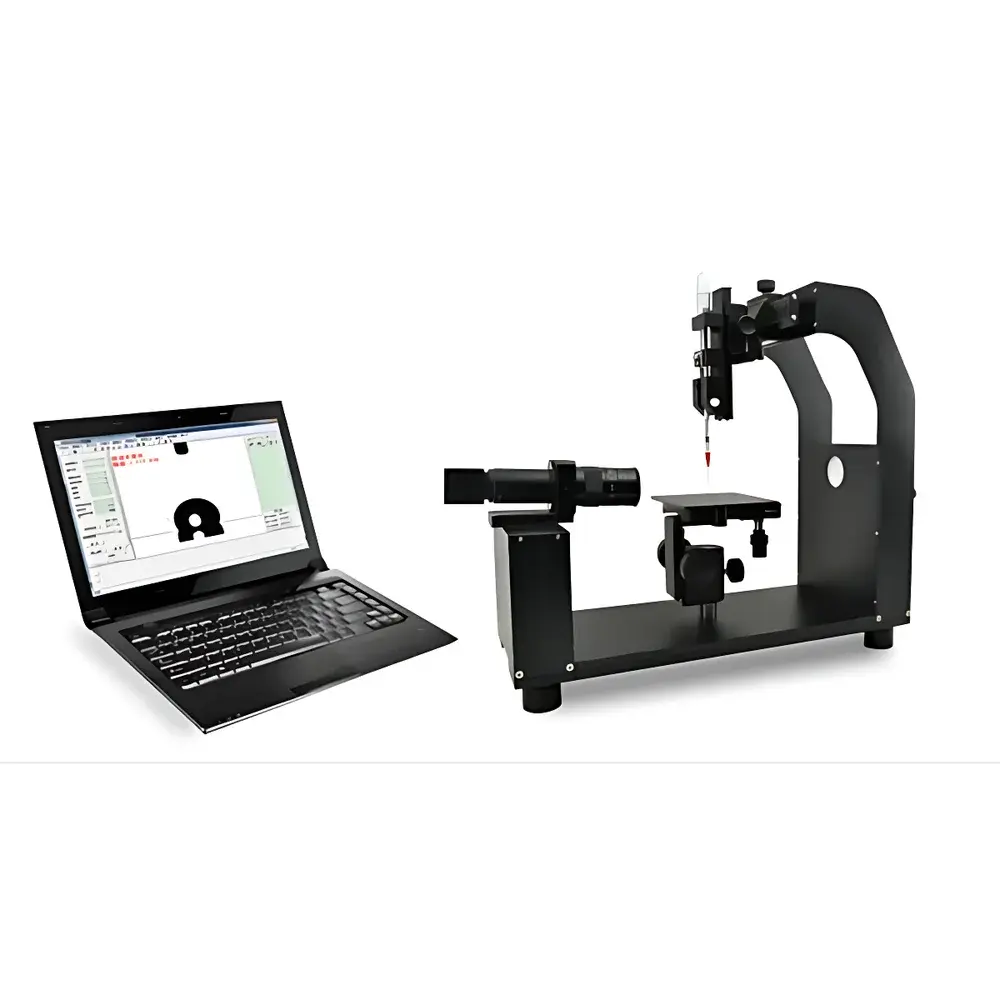
The PW-D100 Standard Contact Angle Goniometer is an optical-based surface characterization instrument engineered for precise, repeatable measurement of contact angle, surface free energy, interfacial tension, and wettability behavior at solid–liquid–vapor interfaces. It operates on the principle of high-resolution digital image capture and advanced contour analysis of sessile or pendant liquid drops deposited on material surfaces. By applying rigorous geometric and physical models—including Young–Laplace equation fitting—to the acquired drop profile, the system quantifies the equilibrium contact angle θ with sub-degree resolution. Designed for routine laboratory use in academic research, quality control, and R&D environments, the PW-D100 delivers metrological reliability aligned with internationally recognized surface science practices—without requiring specialized operator training or vacuum infrastructure.
Key Features
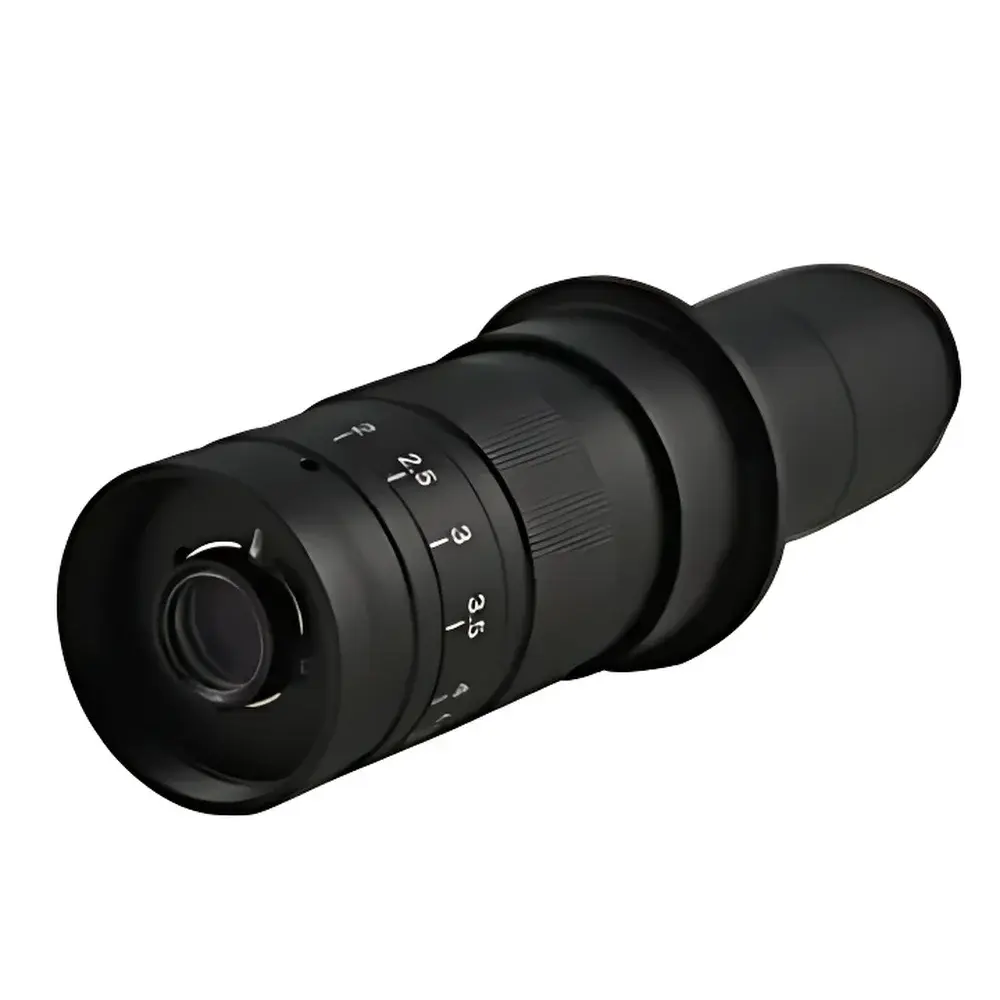
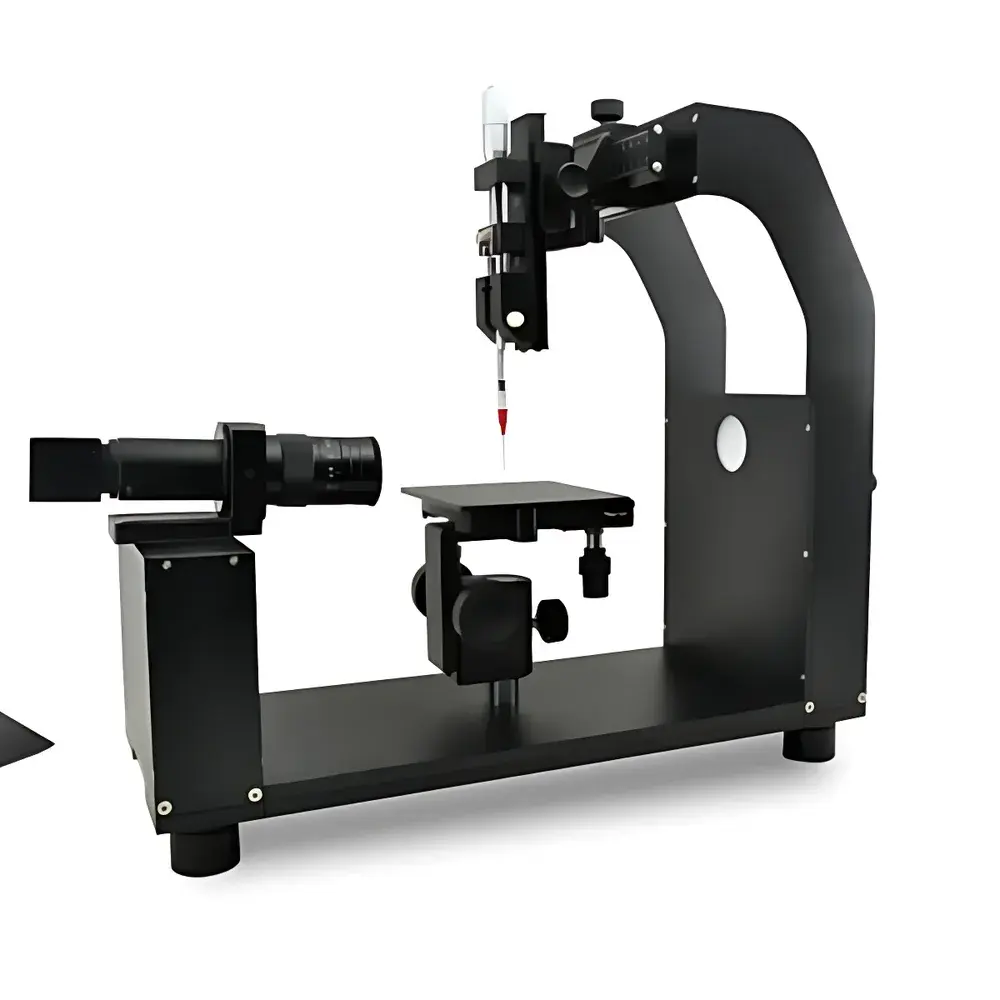
- High-stability optical imaging platform featuring a German-sourced 0.7–4.5× continuous zoom industrial microscope objective, ensuring distortion-free magnification across variable working distances.
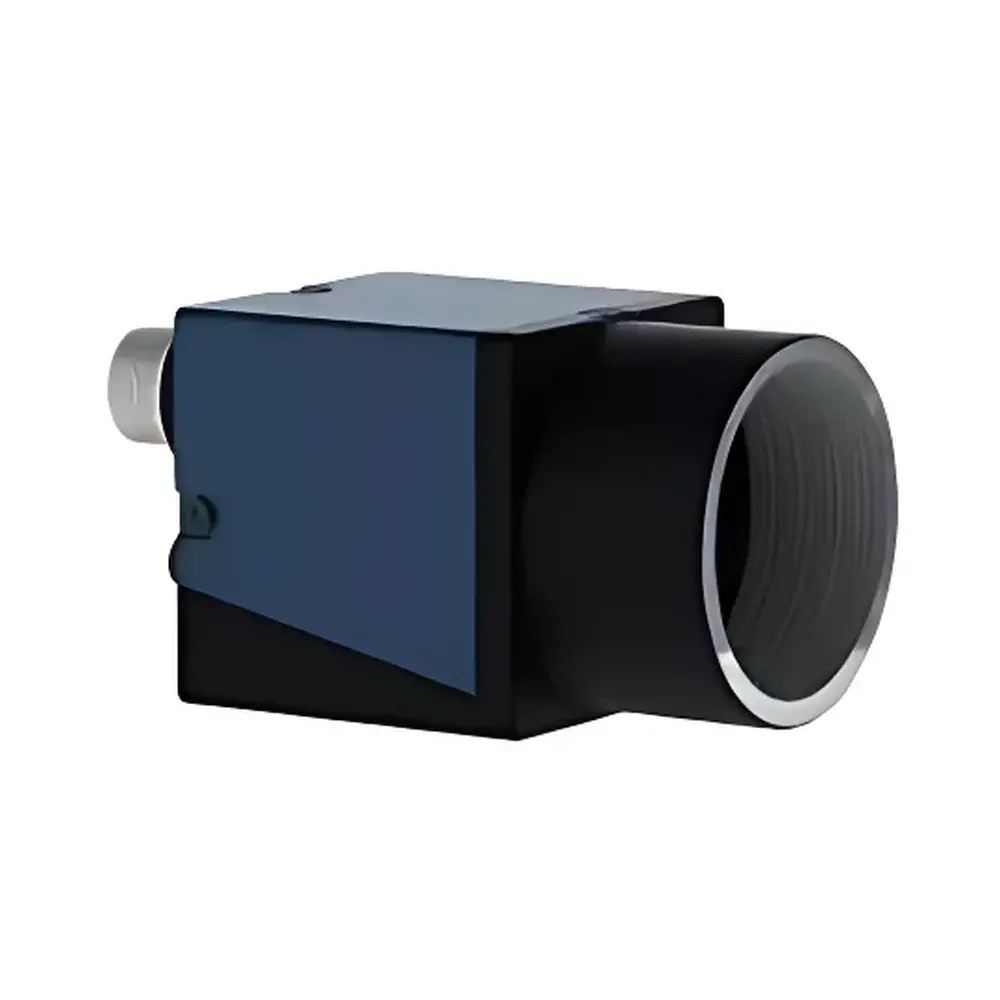
- Imported Sony CCD sensor (130 W pixels, 25 fps) with synchronized LED cold-light illumination (adjustable blue-tinted spectrum), optimized for high-contrast drop edge detection and long-term thermal stability (>25,000 h rated lifetime).
- Precision manual dispensing unit with 500 µL syringe and micrometer-driven rotation mechanism, enabling controlled droplet deposition with ≤0.1 µL volumetric resolution.
- Three-axis manually adjustable sample stage (X/Y/Z: 35 mm / 60 mm / 80 mm travel; 0.1 mm vernier resolution), compatible with substrates up to 150 mm × 120 mm and standard 6-inch wafers.
- Comprehensive analytical software suite supporting multiple fitting algorithms: Circle, Ellipse/Oblique Ellipse, Young–Laplace, Differential Circle/Ellipse—each selectable per experimental condition to minimize systematic deviation.
Sample Compatibility & Compliance
The PW-D100 accommodates rigid and flexible planar samples—including glass slides, silicon wafers, polymer films, metal foils, textiles, and biomaterial membranes—without modification. Its open-stage architecture allows direct integration with environmental chambers (optional) for humidity- or temperature-controlled measurements. The system complies with major national and international standards governing surface wettability assessment, including GB/T 24368–2009 (hydrophobic contaminant detection on glass), SY/T 5153–2007 (reservoir rock wettability), ASTM D724–99(2003) (paper surface wettability), ASTM D5946–2004 (contact angle of plastic films vs. water), and ISO 15989 (corona-treated film evaluation). All measurement protocols support traceable documentation for GLP-compliant reporting.
Software & Data Management
The embedded analysis software provides full audit trail functionality—including timestamped parameter logs, user ID tagging, and version-controlled method templates—supporting basic 21 CFR Part 11 readiness for regulated laboratories. It enables batch processing of sequential images, real-time dynamic contact angle tracking during evaporation or absorption, and automated video-based fitting over time-series datasets. Surface energy calculation modules implement Zisman, OWRK, Wu (single/dual), Fowkes, Antonow, Berthelot, and EOS models, while interfacial tension analysis employs the pendant drop method with automatic curvature extraction and Laplacian solver convergence. Export formats include CSV, PNG, TIFF, and PDF reports with embedded metadata.
Applications
The PW-D100 serves as a foundational tool in interdisciplinary surface science workflows. In microelectronics, it verifies hydrophobicity of photoresist coatings and plasma-treated substrates prior to lithography. In pharmaceutical development, it assesses tablet coating uniformity and excipient wettability for dissolution modeling. In materials science, it characterizes functionalized nanocomposites, self-cleaning surfaces, and stimuli-responsive hydrogels. Additional application domains include automotive paint adhesion validation, textile moisture management testing, biomedical device surface modification verification (e.g., PTFE grafting), and inkjet print head nozzle wetting diagnostics. Its versatility makes it suitable for both teaching labs and industrial QC labs performing ASTM/ISO-mandated surface qualification.
FAQ
What types of liquids can be measured with the PW-D100?
Water, glycerol, ethylene glycol, diiodomethane, formamide, and other Newtonian liquids with known surface tension values are routinely used. Non-Newtonian or volatile solvents require careful environmental control.
Does the system support dynamic contact angle measurement?
Yes—via sequential image acquisition and real-time fitting of advancing/receding angles during automated droplet volume modulation or substrate tilting (requires optional tilt stage).
Is calibration required before each measurement?
No routine recalibration is needed; however, lens distortion correction and pixel-to-length scaling are performed once during initial setup using certified calibration standards.
Can the software export raw image data for third-party analysis?
Yes—full-resolution TIFF and PNG sequences, along with coordinate-based edge point files (.csv), are exportable for external modeling or machine learning preprocessing.
What maintenance is recommended for long-term operational stability?
Annual inspection of LED intensity uniformity, syringe seal integrity, and mechanical stage backlash is advised; no consumables beyond standard syringe needles and cleaning solvents are required.




