
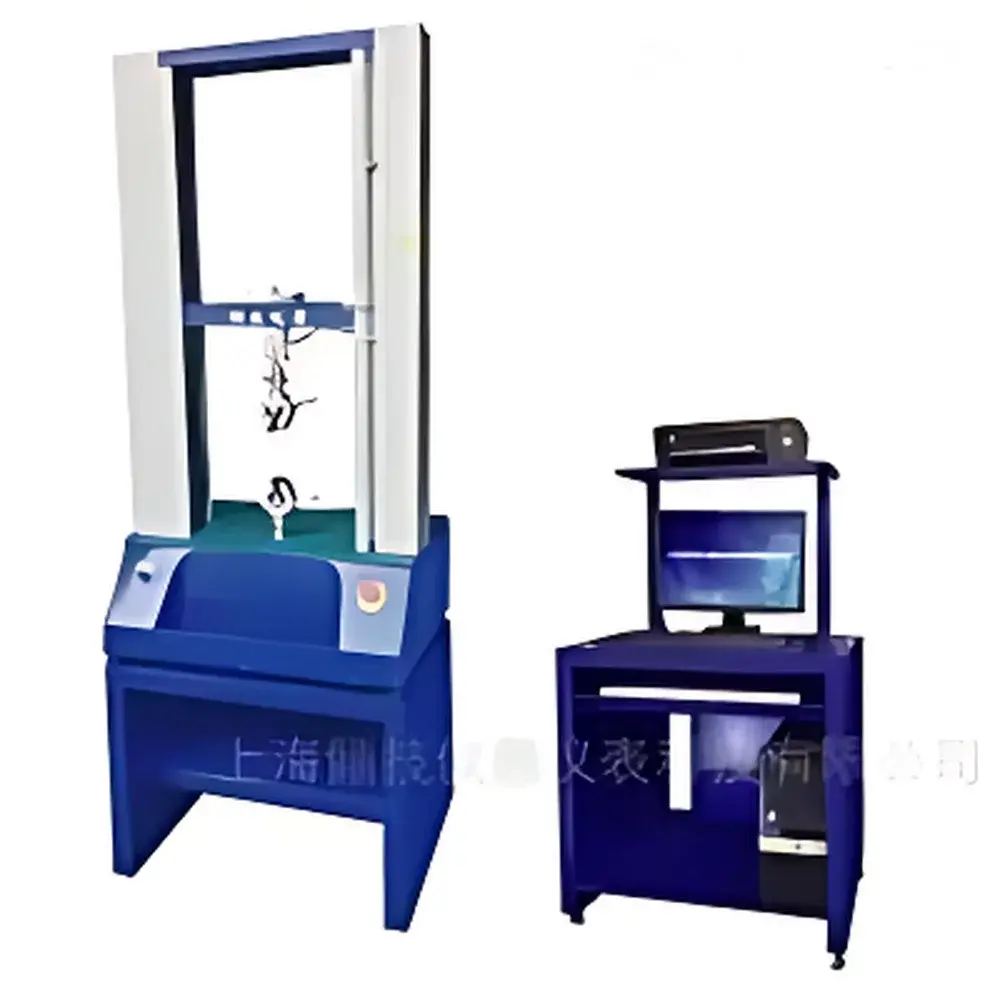
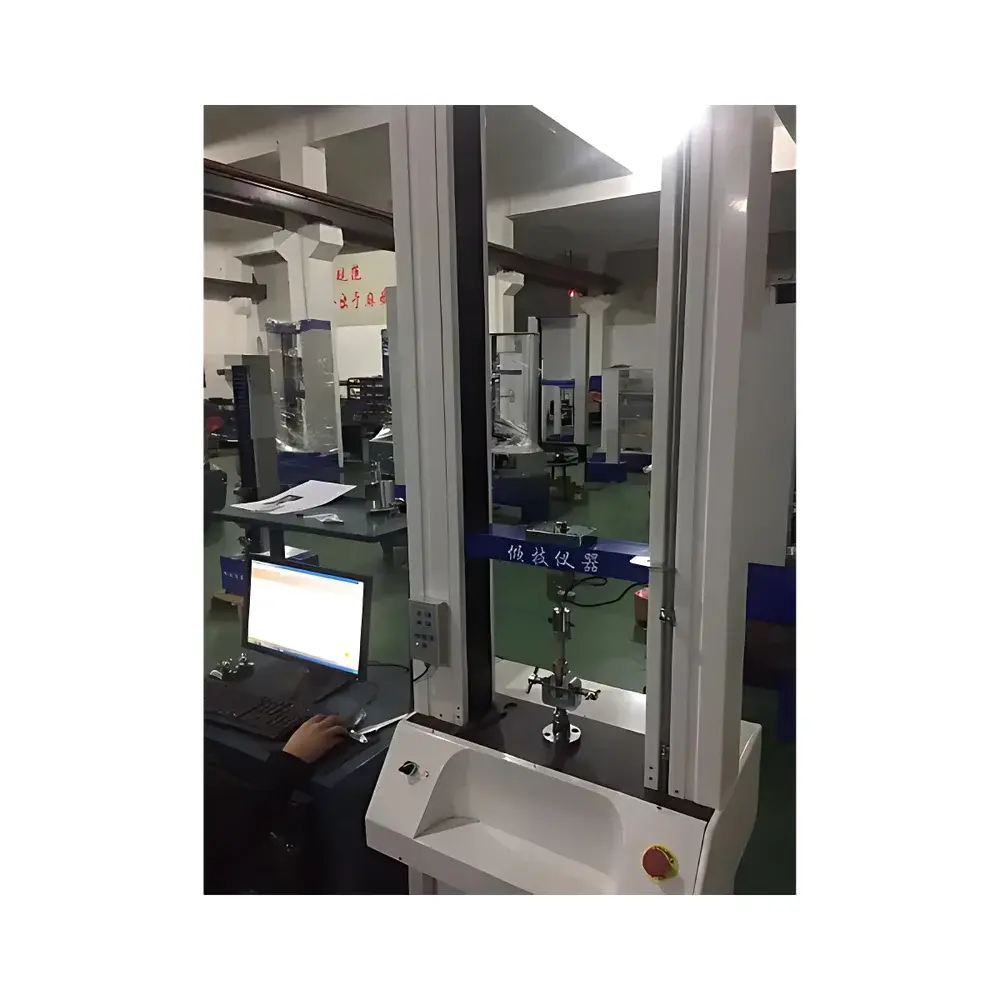
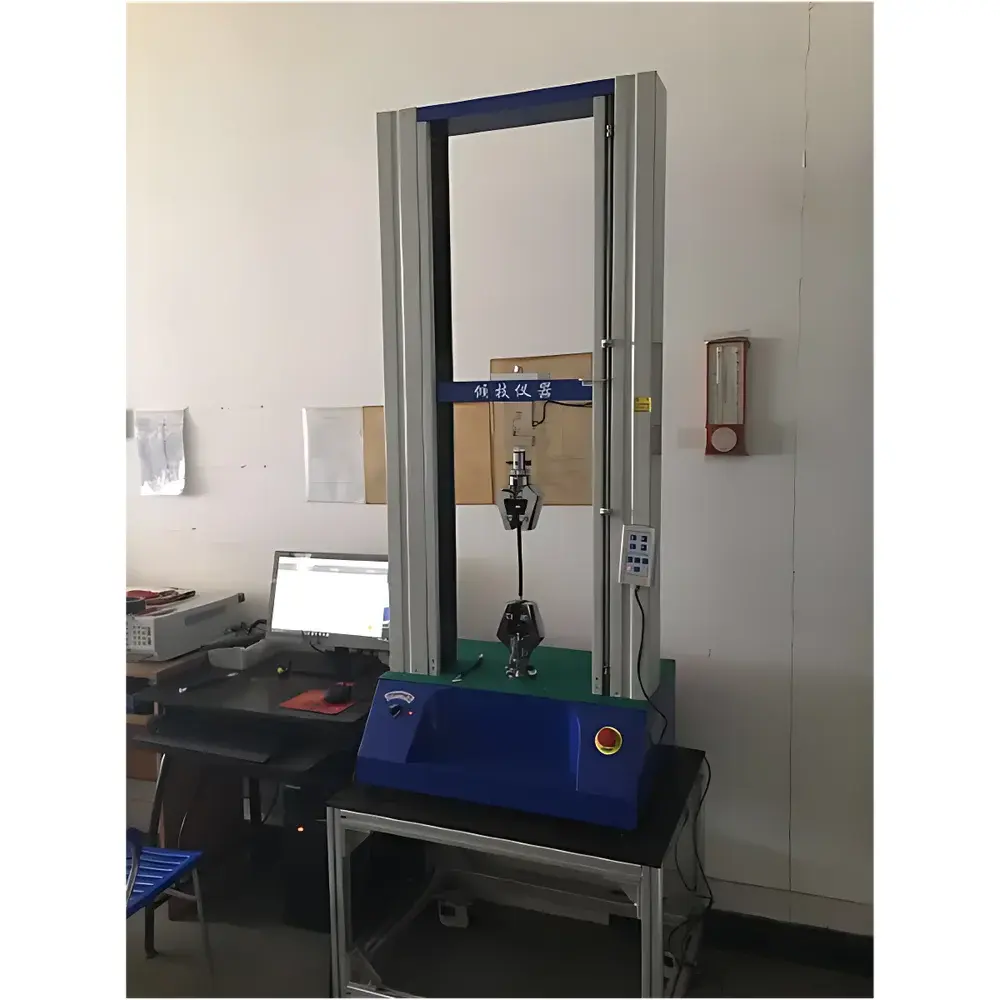
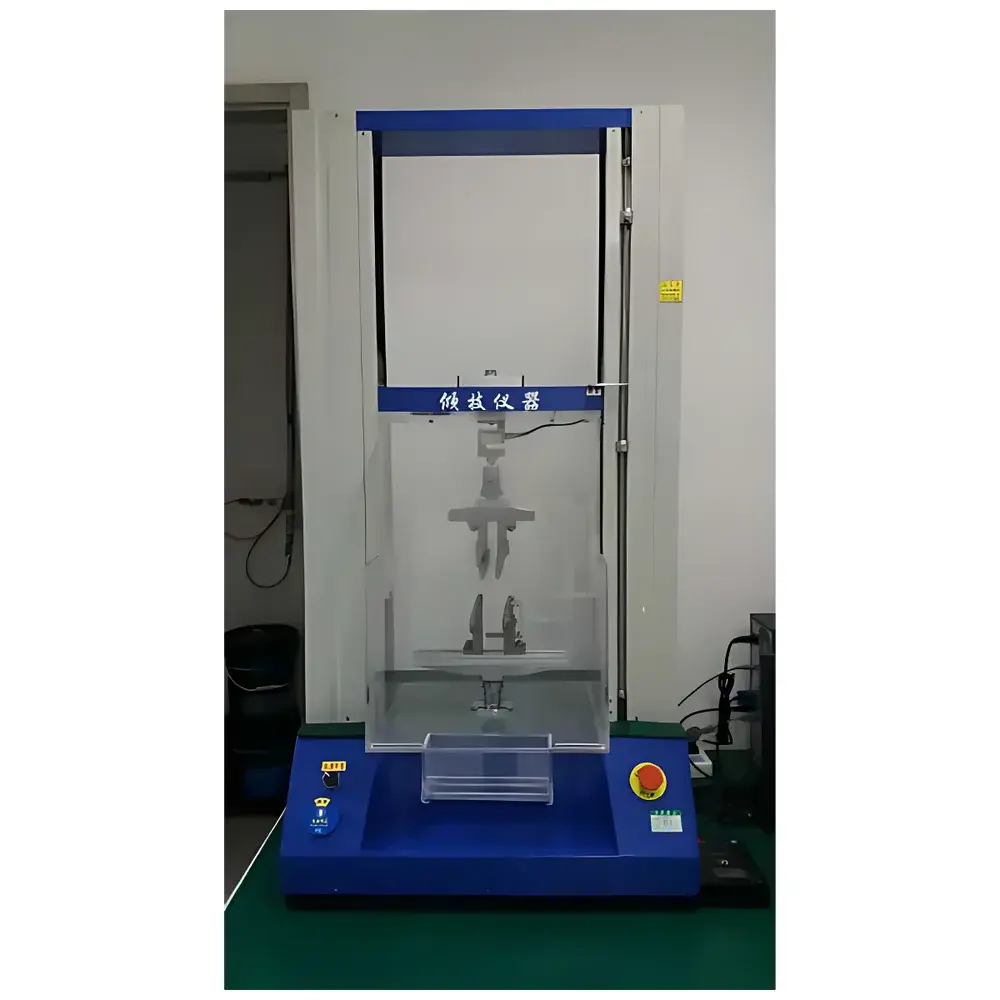
Qinsun QJ211S 30 kN Computer-Controlled Electromechanical Universal Testing Machine
| Brand | Qinsun |
|---|---|
| Origin | Shanghai, China |
| Model | QJ211S / 30 kN |
| Maximum Test Load | 30 kN |
| Load Range | 0–30 kN (fully adjustable) |
| Load Accuracy Class | Class 1 (per ISO 7500-1 / ASTM E4) |
| Effective Travel | 800 mm |
| Displacement Resolution | ±0.5% of reading |
| Load Cell Accuracy | 0.01% of full scale |
| Force Measurement Uncertainty | < ±0.5% of reading |
| Crosshead Speed Range | 0.001–500 mm/min |
| Speed Accuracy | ±0.5% of set value |
| Displacement Measurement Accuracy | ±0.5% of reading |
| Strain/Deformation Measurement Accuracy | ±0.5% of reading |
| Effective Test Width | ~420 mm |
| Safety Features | Electronic end-limit protection, emergency stop button |
| Machine Weight | ~140 kg |
Overview
The Qinsun QJ211S is a computer-controlled electromechanical universal testing machine engineered for precision mechanical property characterization of solid materials under uniaxial tensile, compressive, and flexural loading conditions. Based on servo-motor-driven actuation and high-fidelity load cell feedback, it implements closed-loop control in accordance with ISO 6892-1 (metallic materials – tensile testing), ISO 527-1 (plastics – determination of tensile properties), and ASTM D638/D3039/D7264 standards. Its modular frame architecture supports interchangeable fixtures—tensile grips, compression platens, three-point bend assemblies—and accommodates specimens ranging from fine polymer filaments to structural metal bars. The system delivers traceable force measurement calibrated per ISO 7500-1 Class 1 requirements and integrates seamlessly into laboratory environments requiring GLP-compliant data integrity.
Key Features
- High-resolution servo-controlled actuation system enabling precise displacement control across a wide speed range (0.001–500 mm/min), with speed accuracy maintained within ±0.5% of setpoint.
- Class 1-certified 30 kN load cell offering full-scale resolution down to 0.01% FS and force measurement uncertainty < ±0.5% across the entire operational range (0–30 kN).
- Dual-channel digital signal acquisition supporting synchronized measurement of load, displacement, and optional extensometer-derived strain signals.
- Robust dual-column steel frame with 420 mm effective test width and 800 mm vertical travel, optimized for stability during high-force static and quasi-static tests.
- Integrated safety subsystem including programmable electronic end-limit switches, hardware-based emergency stop circuitry, and real-time overload monitoring.
- Windows-native control software with customizable test method templates, automated parameter calculation (e.g., Young’s modulus, yield strength, elongation at break), and export-ready reporting compliant with internal QA protocols.
Sample Compatibility & Compliance
The QJ211S accommodates a broad spectrum of material forms—including elastomeric sheets, thermoplastic rods, woven textiles, coated fabrics, metallic foils, composite laminates, and wire ropes—via standardized grip geometries (pneumatic, wedge, vise, or pin-type). It meets mechanical testing requirements specified in ISO 179 (impact-modified plastics), ISO 2285 (rubber tension sets), ASTM D882 (thin plastic sheeting), and GB/T 228.1 (Chinese national standard for metallic tensile testing). All calibration procedures follow ISO/IEC 17025 principles, and raw data files retain full audit trail metadata (operator ID, timestamp, environmental conditions, calibration certificate references) to support FDA 21 CFR Part 11–aligned validation workflows.
Software & Data Management
The embedded Windows-based control interface provides intuitive test configuration, real-time curve visualization (load vs. displacement, stress vs. strain), and post-test analysis tools including slope-based modulus extraction, offset-yield determination, and fracture energy integration. Data is stored in encrypted binary format with SHA-256 checksums; CSV and PDF exports include embedded calibration status flags and instrument identification tags. Audit logs record all user actions—including method edits, result overrides, and calibration events—with immutable timestamps. Optional add-ons enable direct LIMS integration via ASTM E1384-compliant HL7 messaging or SQL database synchronization for centralized QC repository management.
Applications
- Tensile characterization of elastomers and thermoset adhesives per ISO 37 and ASTM D412.
- Compression testing of foam cores, honeycomb structures, and biomedical hydrogels per ISO 844 and ASTM D1621.
- Three-point bending evaluation of printed circuit board substrates and fiber-reinforced composites per ISO 178 and ASTM D790.
- Peel and shear strength assessment of pressure-sensitive tapes and laminated packaging films per PSTC-101 and ASTM D903.
- Quality assurance of metal fasteners, spring wires, and cold-drawn rods per ISO 6892-2 and ASTM A370.
- Educational use in materials science laboratories for hands-on instruction in mechanical behavior fundamentals.
FAQ
What international standards does the QJ211S comply with for force calibration?
It conforms to ISO 7500-1:2018 Class 1 accuracy requirements, with traceable calibration certificates issued by CNAS-accredited laboratories.
Can the system be validated for GMP-regulated environments?
Yes—when equipped with optional 21 CFR Part 11-compliant software modules, it supports electronic signatures, audit trails, and role-based access control required for pharmaceutical and medical device manufacturing QC labs.
Is third-party verification of test results possible?
All raw data files contain embedded calibration metadata and are exportable in vendor-neutral formats (CSV, XML) for independent reprocessing using external analysis platforms.
What maintenance intervals are recommended for long-term accuracy retention?
Annual recalibration of the load cell and displacement encoder is advised; routine verification using certified reference standards should occur before each shift in regulated settings.
Does the machine support extensometer integration?
Yes—it features analog and digital inputs compatible with contact and non-contact extensometers meeting ISO 9513 Class 1 specifications for strain measurement.



