RKD ELITE ETCH Automated Dual-Acid Chip Decapsulation System
| Brand | RKD |
|---|---|
| Origin | USA |
| Manufacturer Type | Authorized Distributor |
| Product Category | Imported Semiconductor Equipment |
| Model | RKD ELITE ETCH |
| Pricing | Available Upon Request |
Overview
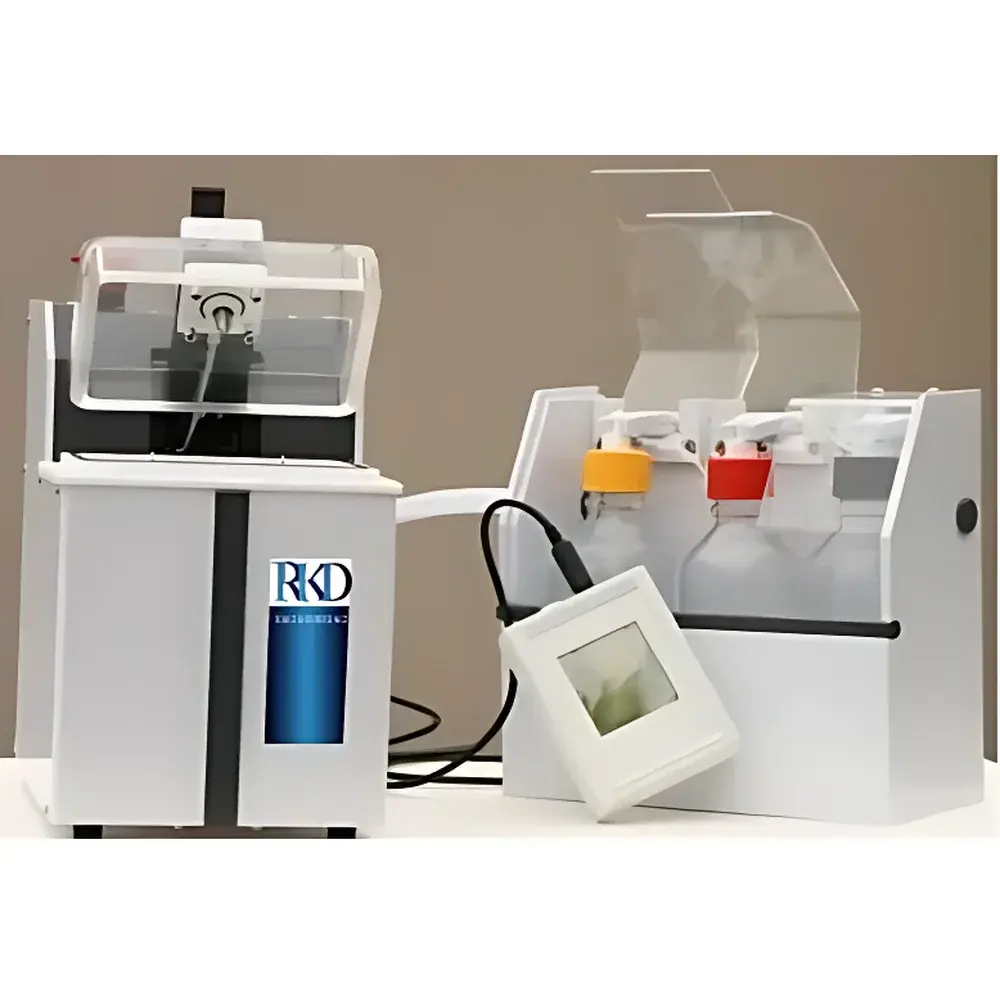
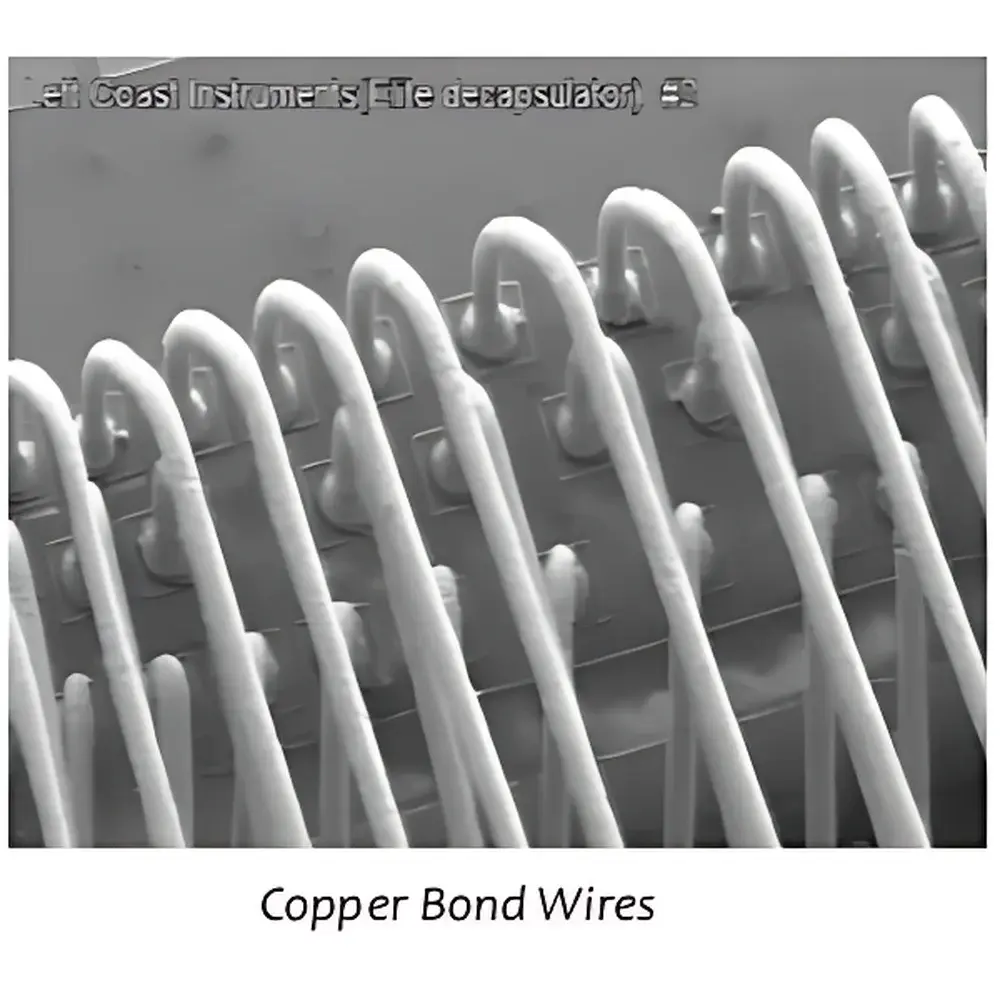
The RKD ELITE ETCH is an automated, precision-engineered dual-acid chip decapsulation system designed for controlled, repeatable removal of epoxy, silicone, and other polymer-based encapsulants from semiconductor packages. It operates on the principle of selective chemical etching using dynamically mixed fuming nitric acid (HNO₃), fuming sulfuric acid (H₂SO₄), or their precisely metered blends—enabling high-fidelity exposure of die, bond wires, and interconnect structures without thermal or mechanical damage. Unlike manual or semi-automated etch stations, the ELITE ETCH integrates closed-loop fluid dynamics, real-time environmental monitoring, and fail-safe mechanical interlocks to meet stringent requirements for failure analysis (FA), reliability testing, and reverse engineering in ISO/IEC 17025-accredited labs and semiconductor manufacturing support environments.
Key Features
- Integrated SiC monolithic etch head assembly—resistant to aggressive fuming acids and thermally stable up to 250 °C, reducing thermal lag and improving temperature ramp reproducibility.
- Automated dual-acid delivery with dynamic in-line mixing ratios (9:1 to 1:1 HNO₃:H₂SO₄) controlled via calibrated peristaltic pumps; all acid paths constructed from PTFE-sealed fluoropolymer tubing.
- Active nitrogen purge and post-etch N₂ wash cycle—minimizes residual fuming and suppresses NOₓ/SOₓ vapor generation at the etch interface.
- Motorized, safety-interlocked device compression mechanism: plunger extends only when the hinged safety lid is fully closed and latched, ensuring zero lateral movement during etch exposure.
- Dual-stage containment architecture: primary etch chamber + secondary vapor-trap enclosure with integrated heat exchanger—reduces waste acid temperature to <90 °C, enabling single-bottle waste collection and compact footprint (190 × 318 × 305 mm).
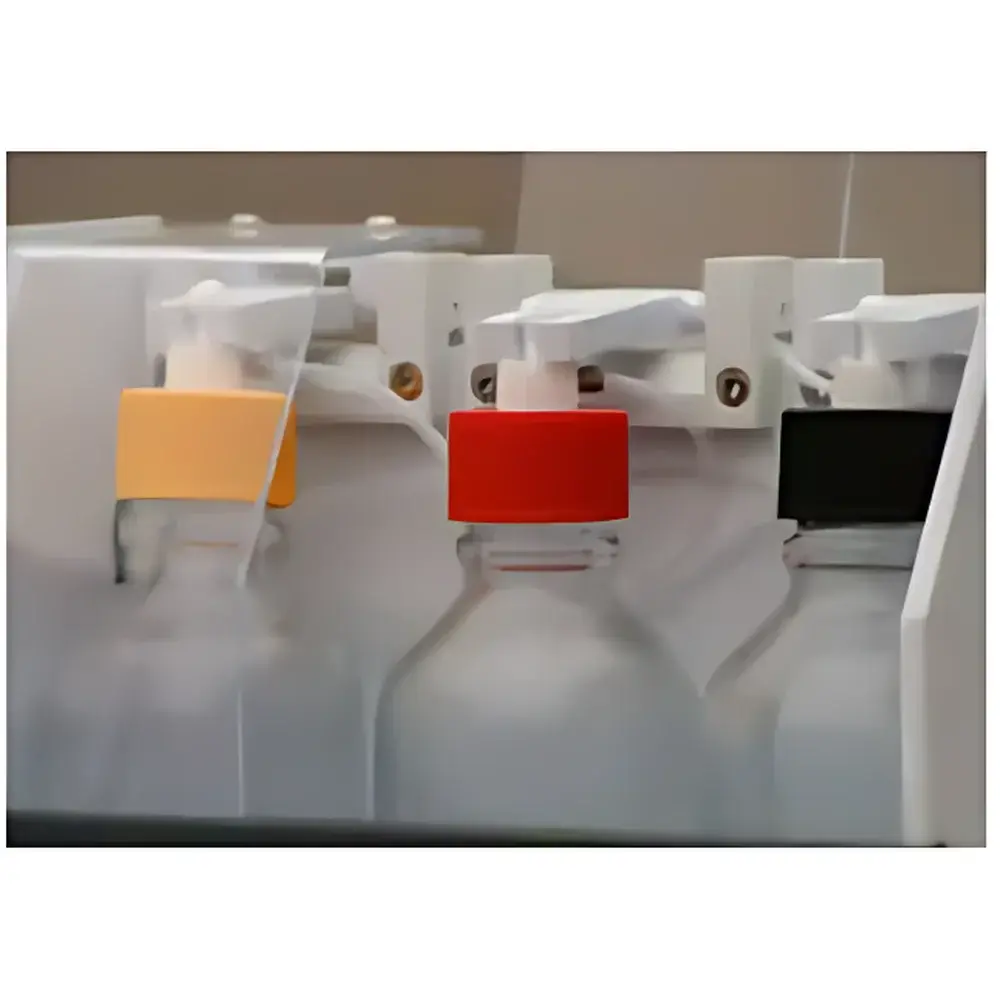
- Modular bottle carrier with universal rotary hinge and pressure-balanced venting—supports both US-standard (500 mL) and JIS-compliant acid bottles; leak-detection sensors trigger audible/visual alerts upon container breach.
- Embedded handheld controller with intuitive UI—requires minimal operator training; performs self-diagnostic checks prior to run initiation and enforces procedural guardrails (e.g., acid selection validation, temperature ramp limits, lid status verification).
Sample Compatibility & Compliance
The ELITE ETCH accommodates QFP, BGA, SOIC, DIP, and stacked-die packages up to 22 × 22 mm active area. Its etch cavity geometry and low-vibration compression system ensure compatibility with fragile wire-bonded and flip-chip assemblies. The system conforms to OSHA 1910.1200 (Hazard Communication), IEC 61000-6-2/4 (EMC immunity/emissions), and supports GLP/GMP-aligned documentation workflows. Acid handling protocols align with ASTM E2923-22 (Standard Guide for Chemical Etching of Microelectronic Packages) and JEDEC J-STD-033 (Moisture/Reflow Sensitivity Classification). Optional audit trail logging meets FDA 21 CFR Part 11 requirements when paired with validated PC-based software.
Software & Data Management
The embedded firmware supports storage of up to 100 user-defined etch protocols in non-volatile memory, each configurable for acid type, concentration ratio, pulse duration, dwell time (1–1800 s), rinse sequence, and temperature setpoint (±0.1 °C resolution). Real-time parameter logging—including acid flow rate (1–6 mL/min), chamber temperature, N₂ pressure (55–70 psi), and lid position—is timestamped and exportable via USB or RS-232. Firmware updates are performed offline without external dependencies. All operational states (idle, heating, etching, rinsing, purging) are visually indicated via LED status matrix and logged with event-driven timestamps for traceability.
Applications
- Failure analysis of delamination, voiding, and corrosion-induced defects in automotive, aerospace, and medical-grade ICs.
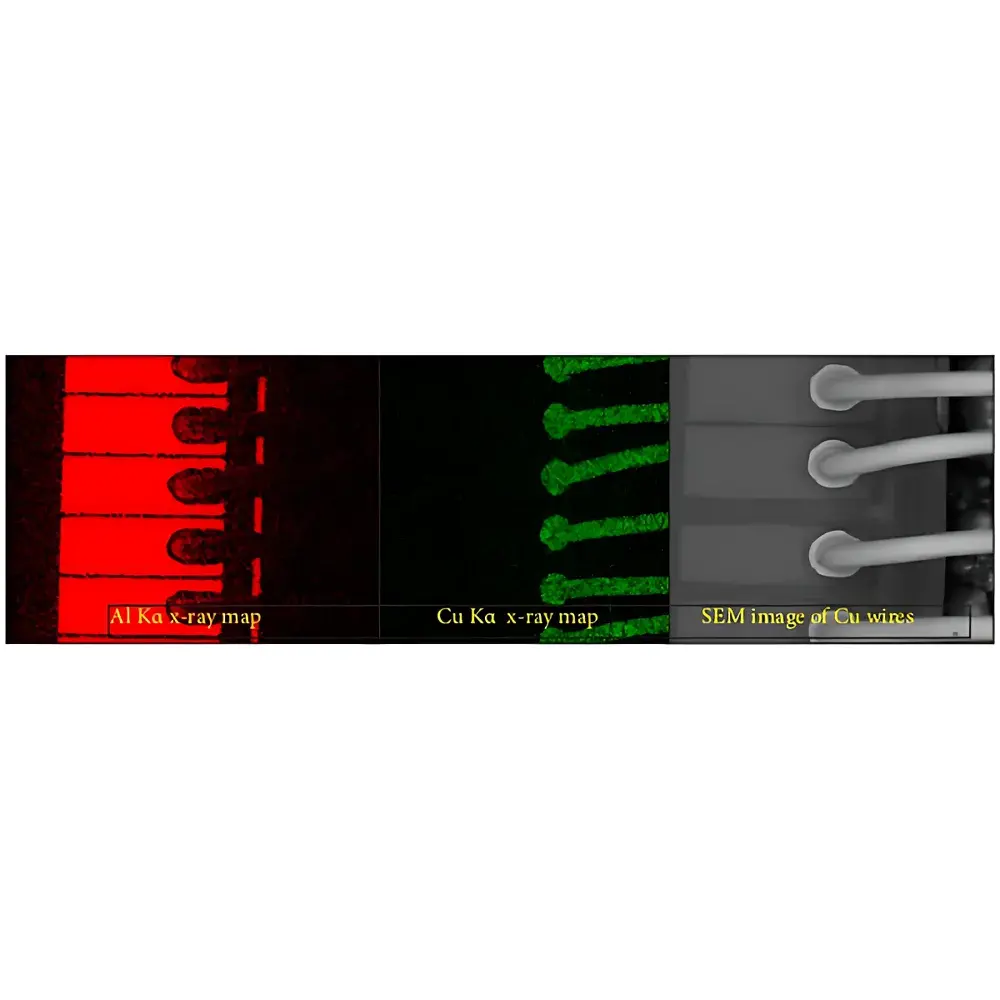
- Pre-decap inspection preparation for X-ray CT, SEM cross-sectioning, and focused ion beam (FIB) milling.
- Qualification of new mold compounds and underfill materials under accelerated chemical stress conditions.
- Counterfeit detection through package material composition analysis and die surface morphology verification.
- Process development for wafer-level packaging (WLP) and fan-out wafer-level packaging (FOWLP) technologies.
FAQ
What acid types and mixing ratios does the ELITE ETCH support?
It supports fuming nitric acid (HNO₃), fuming sulfuric acid (H₂SO₄), and dynamically mixed blends at ratios of 9:1, 5:1, 4:1, 3:1, 2:1, and 1:1 (HNO₃:H₂SO₄) — all prepared internally without manual pre-mixing.
Is the system compatible with both US and Japanese acid bottle standards?
Yes — the modular bottle carrier accepts standard 500 mL US bottles and JIS-compliant containers via a universal rotary hinge interface.
How is operator safety ensured during acid bottle replacement?
The universal rotary hinge enables one-handed, spill-resistant bottle exchange; integrated vapor-blocking ventilation prevents acid fumes from entering the bottle enclosure.
Does the system require external pressure regulation for nitrogen supply?
No — it connects directly to plant-supplied N₂ or CDA (55–70 psi); no high- or low-pressure regulators are needed.
What maintenance routines are automated?
Temperature sensor calibration, optical alignment verification, valve actuation cycling, plunger motion profiling, and N₂ supply/drain function validation — all initiated from the handheld controller’s maintenance menu.