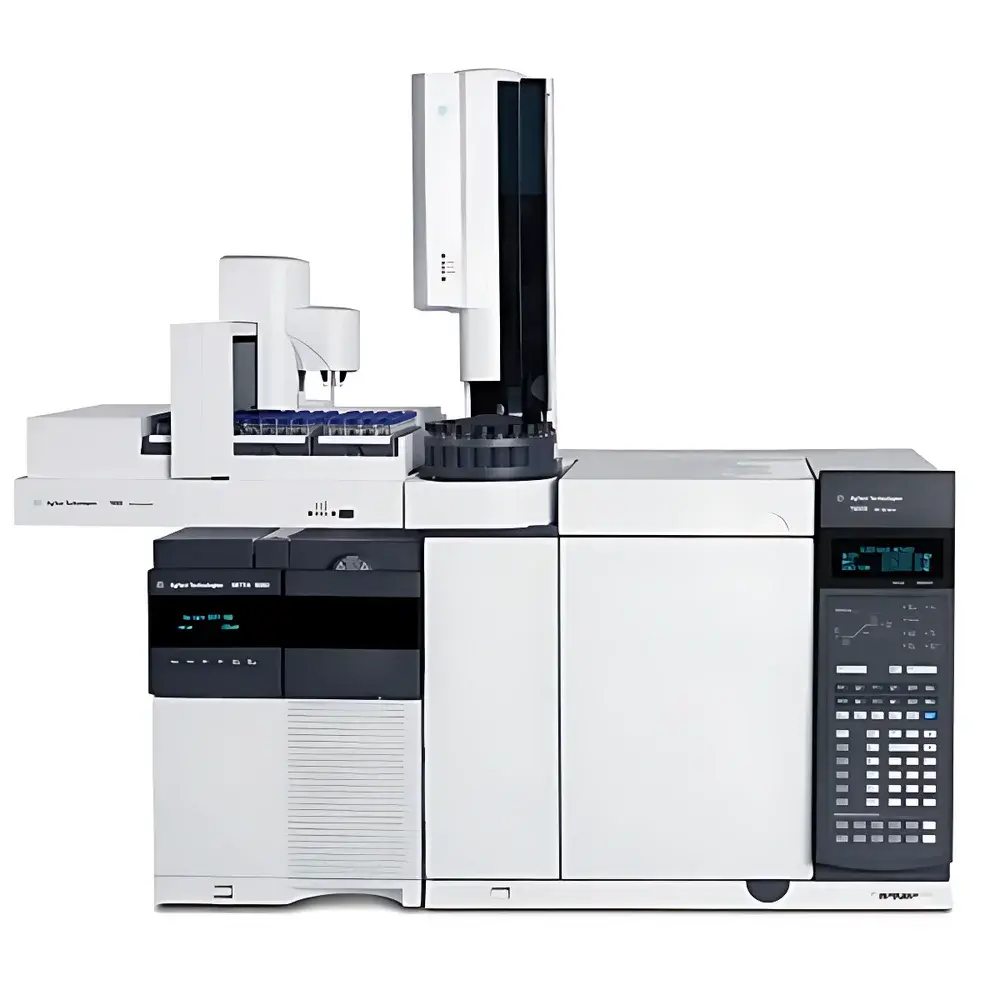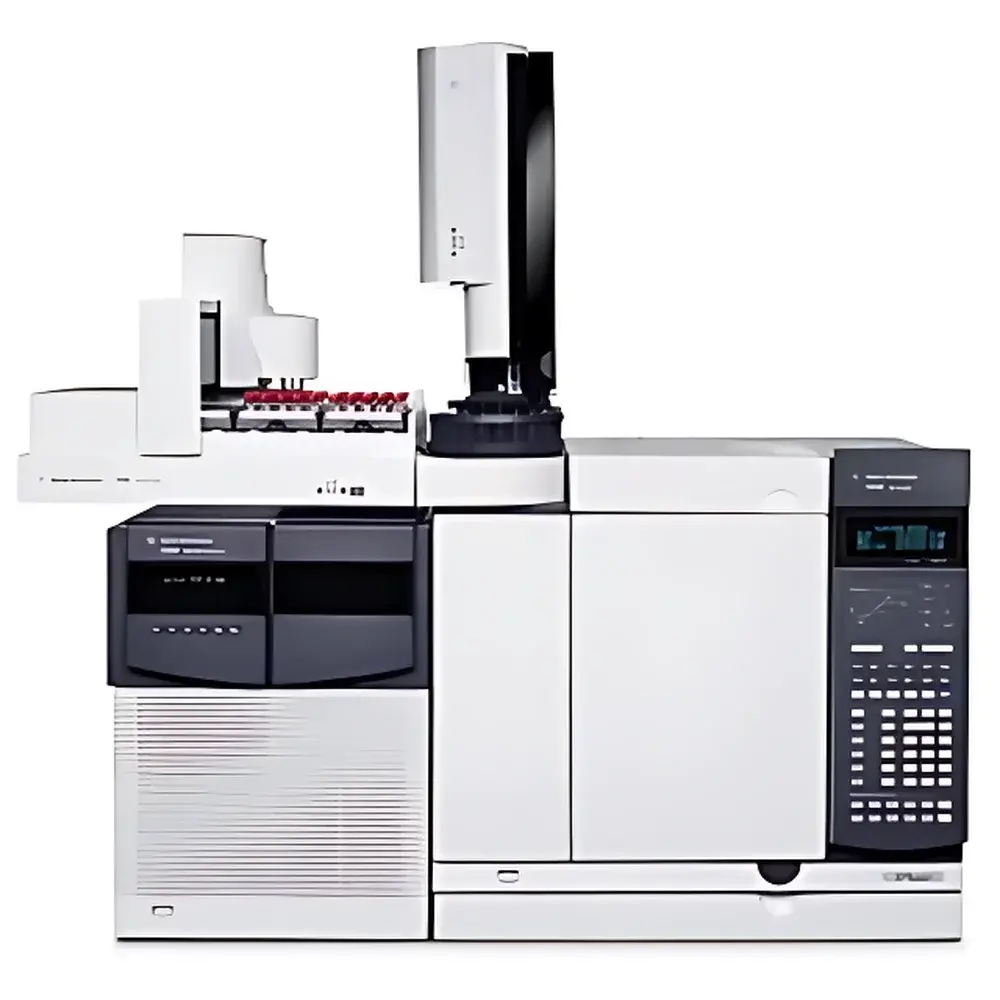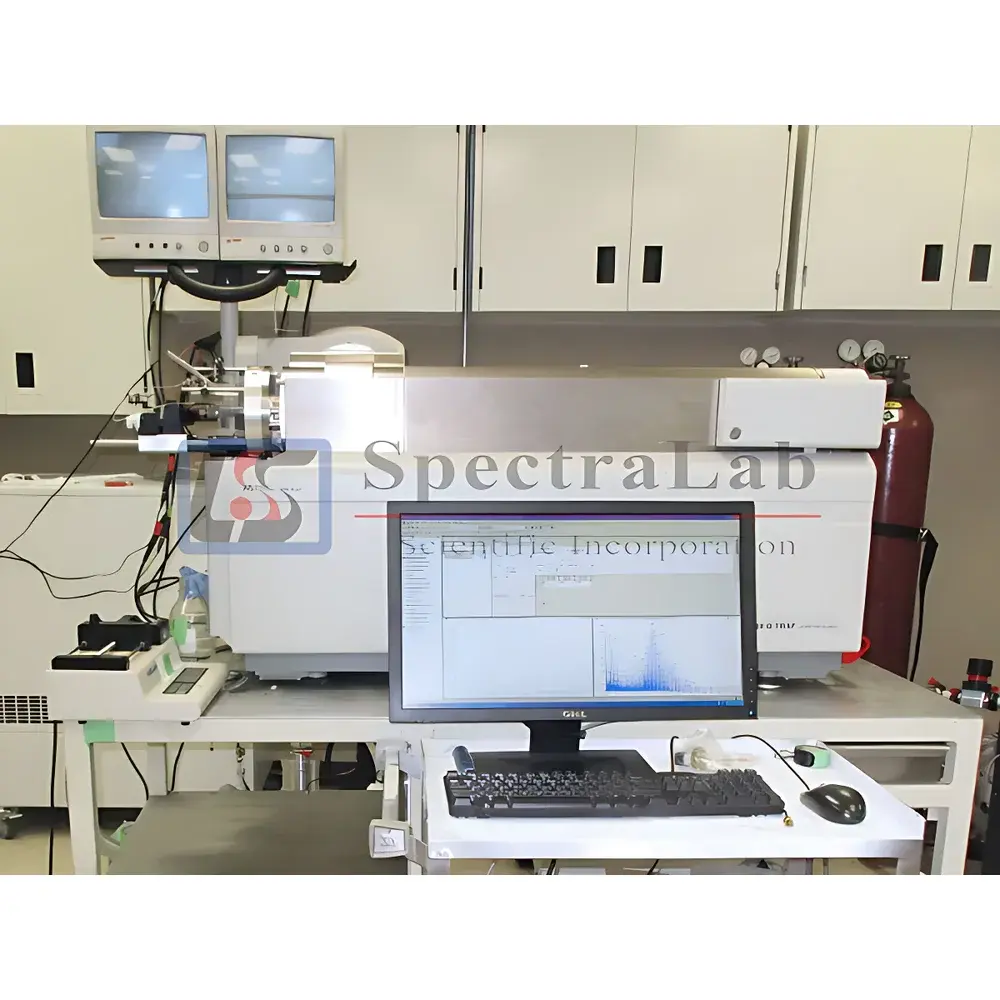
SCIEX API 4000 Triple Quadrupole Liquid Chromatography-Tandem Mass Spectrometer (Used, Refurbished)
| Brand | SCIEX |
|---|---|
| Origin | USA |
| Instrument Type | Triple Quadrupole LC-MS/MS |
| Model | API 4000 |
| Application Domain | Pharmaceutical Development, Clinical Research, Environmental & Food Safety Analysis |
| Operational Age | 4–5 years |
| Warranty | 6 months |
| Compliance | FDA 21 CFR Part 11 (via Analyst® software), GLP/GMP-ready |
| Detection Modes | ESI and APCI |
| Maximum LC Flow Rate | 3 mL/min |
| Collision Cell Technology | LINAC® High-Pressure Collision Cell |
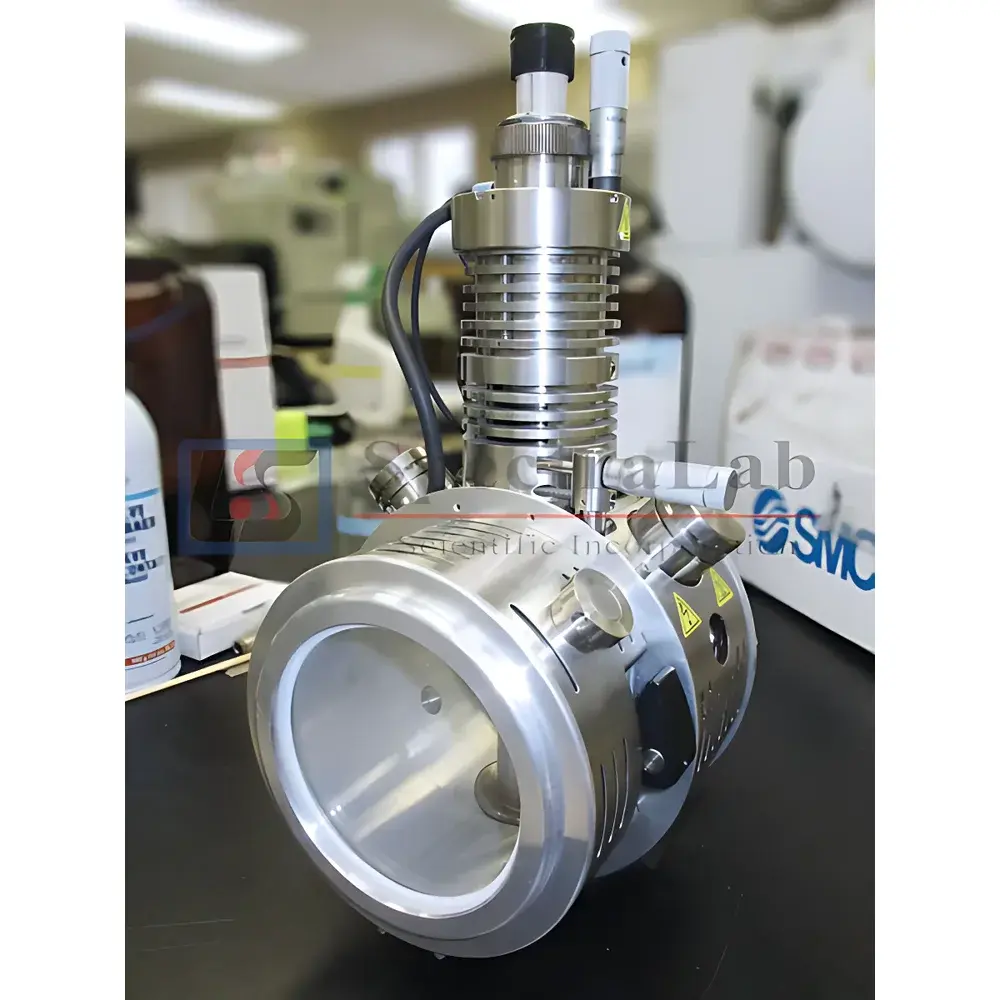
| Ion Source | Turbo V™ Dual-Gas Heated Electrospray and Atmospheric Pressure Chemical Ionization Source |
Overview
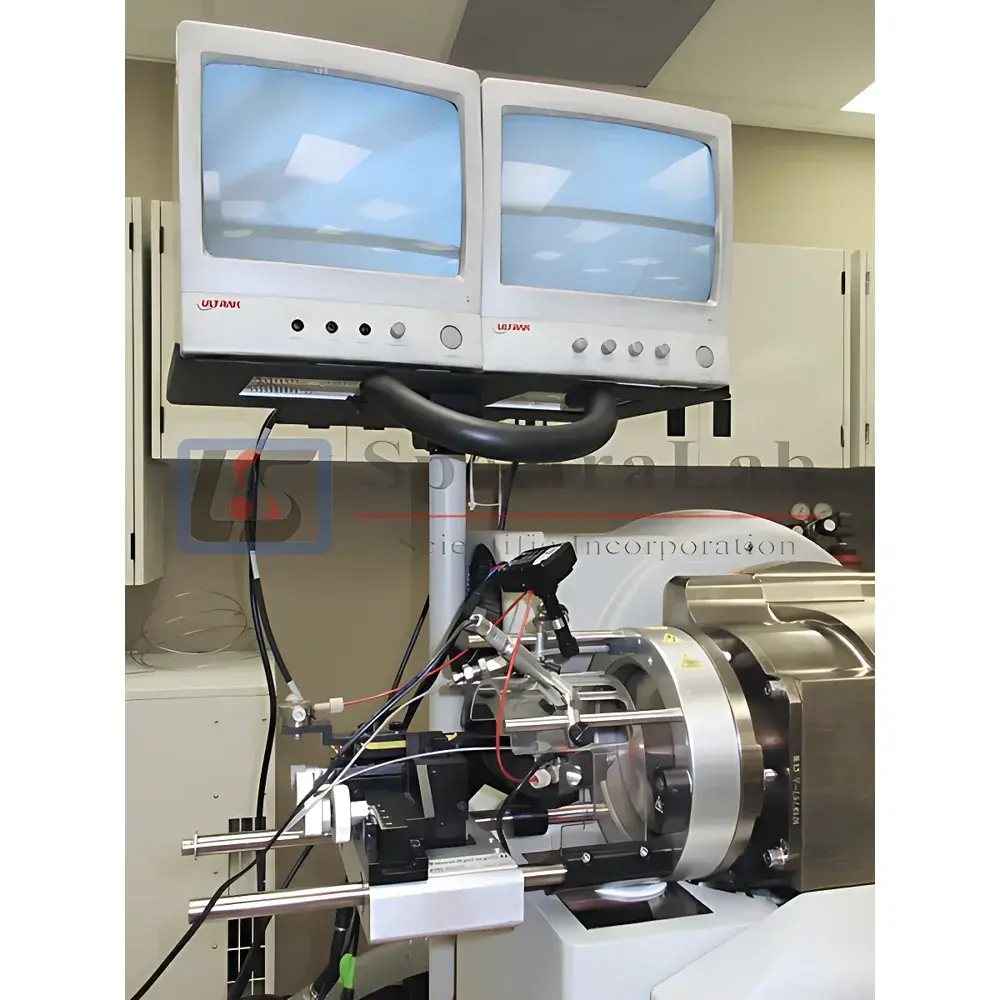
The SCIEX API 4000 is a high-performance triple quadrupole liquid chromatography-tandem mass spectrometer engineered for robust, reproducible quantitative and qualitative analysis in regulated and research-intensive environments. Based on proven collision-induced dissociation (CID) principles within a three-stage quadrupole architecture—Q1 (mass selection), Q2 (collision cell), and Q3 (mass analysis)—the system delivers exceptional sensitivity, specificity, and dynamic range for trace-level analyte detection. Its design centers on operational reliability across demanding workflows, including pharmacokinetic (PK) studies, bioanalysis, residue testing in food and environmental matrices, forensic toxicology, and clinical assay development. The instrument’s mature platform architecture, refined through extensive deployment in global pharmaceutical laboratories since its commercial release, ensures compatibility with established regulatory expectations and method transfer requirements.
Key Features
- Turbo V™ Ion Source: Dual-gas, ceramic-heated electrospray (ESI) and atmospheric pressure chemical ionization (APCI) source with integrated gas dynamics optimization. Enables stable ionization across flow rates from 5 µL/min to 3 mL/min and minimizes chemical noise via enhanced desolvation and reduced adduct formation.
- LINAC® Collision Cell: Patented linear accelerator-based high-pressure collision cell that maintains high ion transmission efficiency during all MS/MS scan modes—including MRM, precursor ion scan, product ion scan, and neutral loss scan—without compromising dwell time or sensitivity.
- Robust Interface Design: Ceramic-based curtain gas interface with optimized gas flow geometry significantly reduces source contamination, extends maintenance intervals, and improves uptime in high-throughput labs processing complex biological or environmental extracts.
- Digital Pulse Detection System: High-gain, low-noise detector delivering wide linear dynamic range (up to 5–6 orders of magnitude) and consistent intra- and inter-day quantitative reproducibility, even for challenging low-abundance analytes.
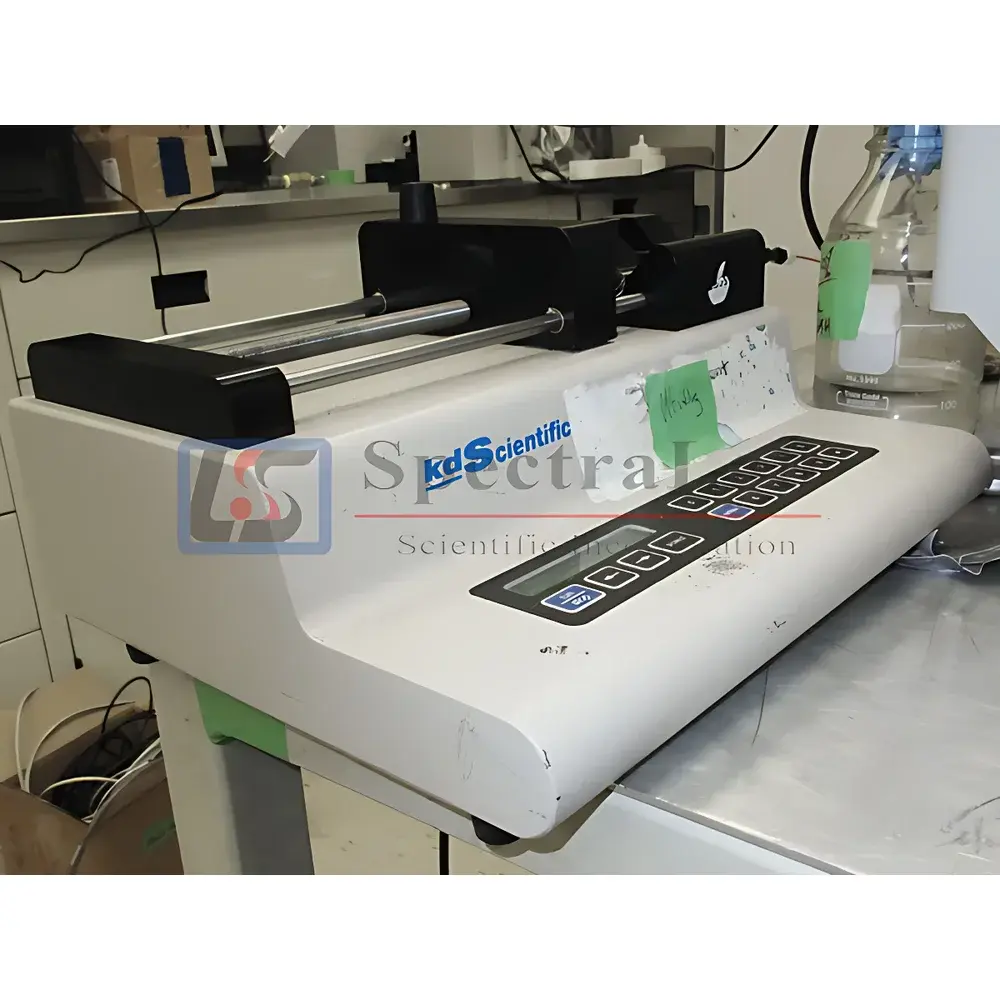
- Modular LC Compatibility: Designed for seamless integration with major UHPLC/HPLC platforms—including Shimadzu Prominence UFLC, Waters ACQUITY, and Agilent 1200/1290 systems—via standard analog/digital I/O and remote control protocols.
Sample Compatibility & Compliance
The API 4000 supports diverse sample types ranging from plasma, serum, and tissue homogenates to water, soil extracts, food digests, and forensic specimens. Its dual-ionization capability (ESI/APCI) accommodates both polar and thermally labile compounds as well as small-molecule pharmaceuticals, metabolites, pesticides, veterinary drugs, and toxins. From a compliance standpoint, the system—when operated with Analyst® software—fully satisfies FDA 21 CFR Part 11 requirements for electronic records and signatures, including role-based access control, audit trail generation, electronic signature validation, and secure data archiving. It is routinely deployed in GLP-compliant contract research organizations (CROs) and GMP-aligned quality control laboratories for validated bioanalytical method execution.
Software & Data Management
Analyst® Software v1.6.3 (or later) serves as the native acquisition, processing, and reporting platform. It provides comprehensive tools for method development, automated MRM optimization, peak integration using parameter-free intelligent algorithms, and customizable report generation. The software architecture supports networked data acquisition, centralized user management, and LIMS interoperability via ODBC and ASCII export. Audit trails are immutable, timestamped, and searchable by user, event type, or date range—ensuring full traceability for regulatory inspections. Data integrity is reinforced through file encryption, version-controlled method storage, and automatic backup configuration.
Applications
- Quantitative bioanalysis of small-molecule drugs and metabolites in biological matrices (e.g., PK/PD studies)
- Residue screening in food and agricultural products per EU SANTE/2023/12487 and USDA FSIS guidelines
- Environmental monitoring of emerging contaminants (e.g., PFAS, pharmaceuticals in wastewater)
- Forensic toxicology workflows requiring high-specificity identification and confirmation per SWGTOX standards
- Clinical research applications including therapeutic drug monitoring (TDM) and biomarker validation
- Method development and transfer across R&D, QA/QC, and regulatory submission phases
FAQ
Is this a fully refurbished unit with performance verification?
Yes. Each API 4000 undergoes full functional testing, calibration verification against NIST-traceable standards, and system suitability assessment prior to shipment. A detailed test report documenting sensitivity (e.g., S/N ≥ 100:1 for reserpine at 10 fg on-column), mass accuracy, and retention time stability is provided.
What warranty and technical support are included?
A 6-month limited hardware warranty is included, covering parts and labor for defects in materials or workmanship. Remote troubleshooting and application support are available during business hours via qualified field application scientists.
Can the system be configured for 21 CFR Part 11 compliance?
Yes—when paired with Analyst® software and implemented with appropriate administrative controls (e.g., password policies, role assignment, audit trail review procedures), the system meets all technical and procedural requirements outlined in FDA 21 CFR Part 11.
Are original consumables and documentation included?
Standard accessories—including source probes, replacement orifices, calibration solutions, and printed operator manuals—are included. Electronic copies of service manuals and software installation media are also supplied.
Is LC system integration supported out-of-the-box?
The API 4000 features native analog/digital I/O interfaces and RS-232/USB connectivity compatible with most major HPLC/UHPLC vendors. Shimadzu Prominence UFLC integration is pre-validated; other configurations may require minor protocol alignment.