SciLogix SJ-500 Handheld Gene Gun
| Brand | SciLogix (Ningbo Scientz Biotechnology Co., Ltd.) |
|---|---|
| Model | SJ-500 |
| Origin | Zhejiang, China |
| Manufacturer Type | OEM Manufacturer |
| Country of Origin | China |
| Pricing | Upon Request |
Overview
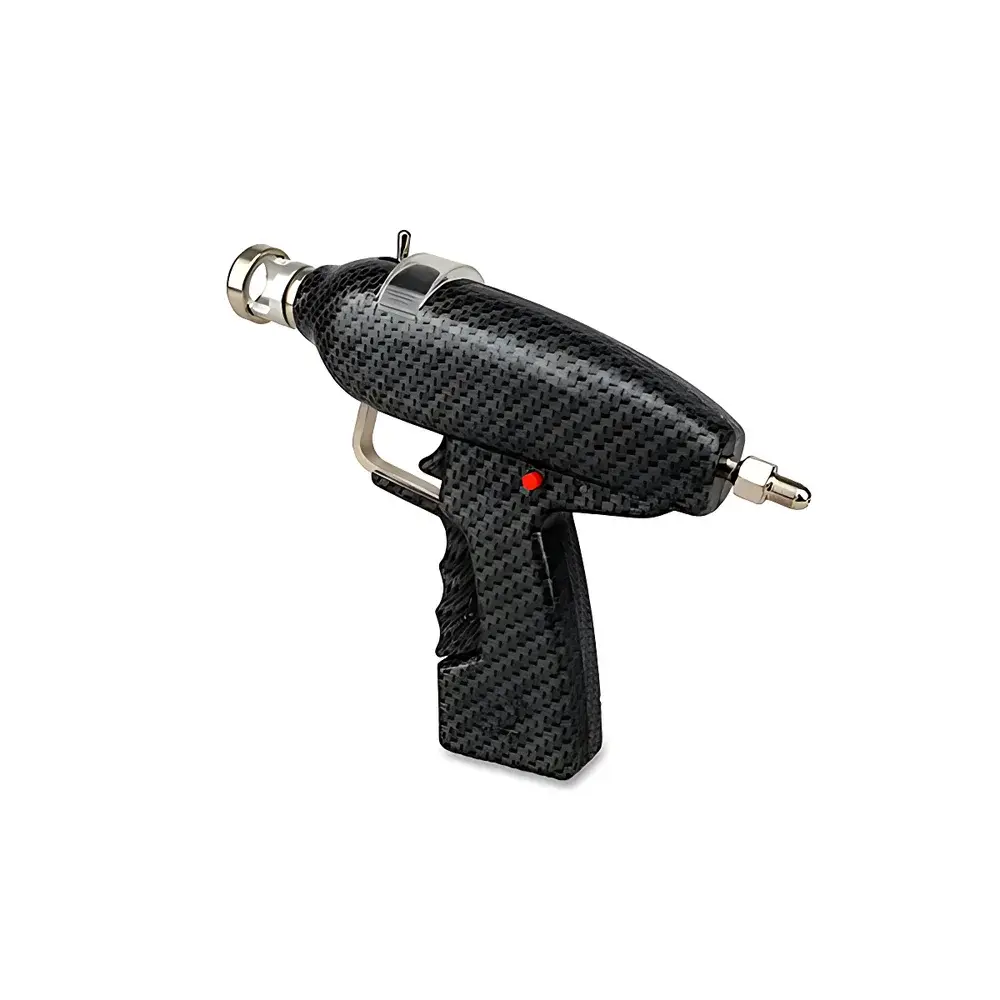
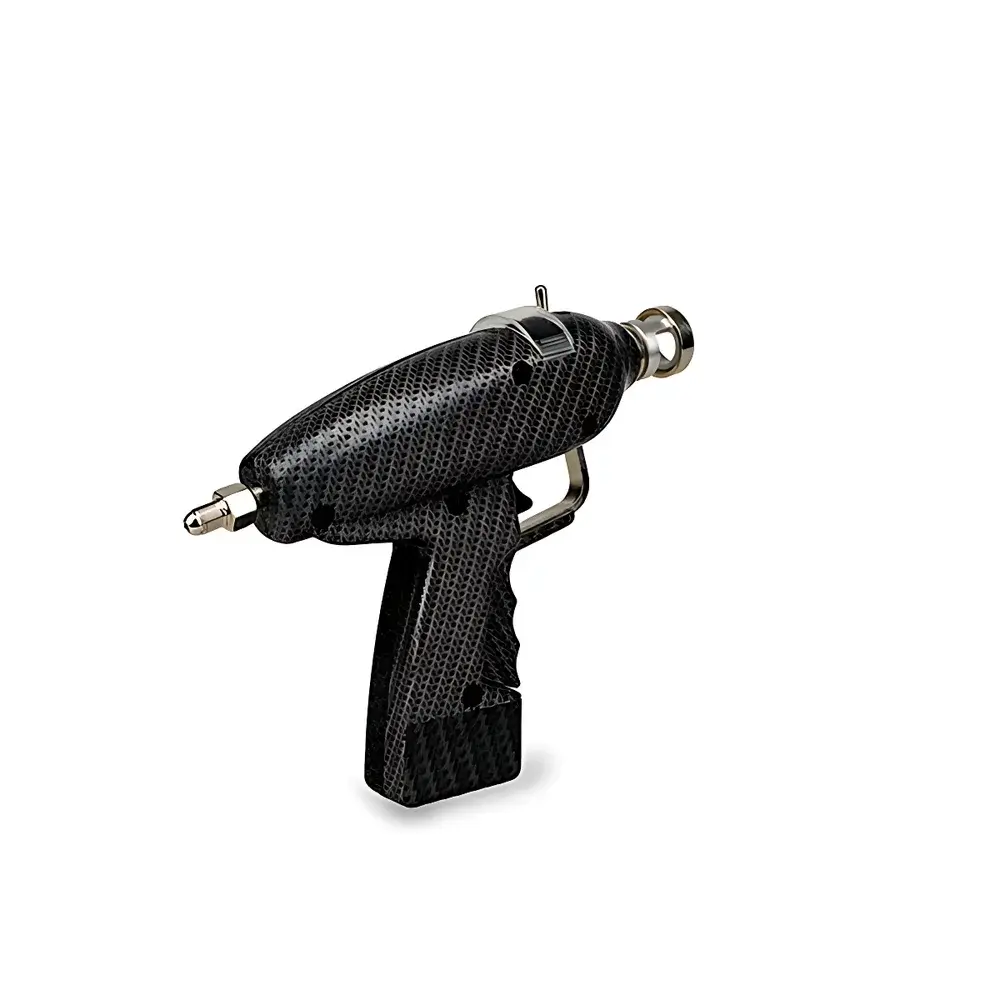
The SciLogix SJ-500 Handheld Gene Gun is a portable, helium-driven biolistic delivery system engineered for rapid, site-specific intracellular nucleic acid introduction into intact tissues and cultured cells. Based on the principle of high-velocity microprojectile bombardment—where DNA-coated metal particles (typically 1.6 µm gold or tungsten) are accelerated through a narrow bore under controlled gas pressure—the SJ-500 enables direct physical transfection without viral vectors or electroporation-mediated membrane disruption. Its compact architecture integrates a precision-regulated gas valve, disposable launch chamber, and ergonomic handheld frame, allowing operation in field settings, biosafety cabinets, or animal procedure rooms with minimal infrastructure. Unlike benchtop gene guns requiring fixed mounting and compressed gas manifolds, the SJ-500 operates with single-use helium cartridges (99.999% purity), eliminating external gas lines and reducing contamination risk. The device delivers reproducible kinetic energy profiles across target depths—optimized for epidermal, hepatic, muscular, and embryonic tissue layers—making it particularly suited for transient expression assays, CRISPR-Cas9 RNP delivery, and in vivo DNA vaccine administration.
Key Features
- Portable biolistic platform: Weighing under 1.2 kg with integrated helium cartridge housing, enabling field-deployable transfection in greenhouse, barn, or mobile lab environments.
- Optimized particle distribution: Proprietary nozzle geometry and pressure modulation ensure uniform microprojectile dispersion over ≤1 cm² surface area—critical for consistent transfection density in heterogeneous tissues.
- Minimal sample requirement: Compatible with as little as 0.5–2 µg plasmid DNA per shot; no requirement for bacterial backbone or viral packaging elements.
- Cell-type agnostic delivery: Effective for hard-to-transfect primary cells (e.g., hepatocytes, neurons, keratinocytes), suspension cultures, and intact plant meristems without enzymatic digestion or passaging.
- Helium-specific actuation: Uses ultra-high-purity helium (≥99.999%) to prevent oxidative damage to nucleic acids and minimize thermal stress on biological targets during acceleration.
Sample Compatibility & Compliance
The SJ-500 supports broad biological matrix compatibility—including murine and rat abdominal/organ surfaces (liver, kidney), plant leaves and callus tissue, insect pupal cuticles, and ex vivo human skin explants. Pressure settings are calibrated per tissue elasticity and cell layer thickness: 2.54 MPa for murine liver, 1.0–1.5 MPa for rat renal cortex, and 0.8–1.2 MPa for Arabidopsis thaliana cotyledons. All consumables—including sterile launch chambers, gold/tungsten microcarriers (1.6 µm nominal diameter), and DNA-coating reagents—comply with ISO 13485:2016 for medical device component manufacturing. Device operation adheres to ICH-GCP and GLP guidelines for preclinical gene transfer studies; raw transfection parameters (pressure, distance, particle batch ID) are loggable for audit trails required under FDA 21 CFR Part 11 when used in IND-enabling studies.
Software & Data Management
While the SJ-500 operates as a standalone mechanical system without embedded firmware, its experimental protocol integration follows SciLogix’s validated SOP suite (v3.2), which includes digital record templates compliant with ALCOA+ principles (Attributable, Legible, Contemporaneous, Original, Accurate, Complete, Consistent, Enduring, Available). Users may document shot parameters via SciLogix LabTrack™ (cloud-synced LIMS module), linking each transfection event to sample IDs, operator credentials, helium lot numbers, and post-transfection imaging metadata (e.g., confocal Z-stack acquisition timestamps). Audit logs retain full traceability for regulatory submissions involving DNA vaccine development or gene therapy vector optimization.
Applications
- Transient functional genomics: Rapid screening of promoter activity, siRNA knockdown kinetics, or optogenetic construct expression within 24 h post-bombardment.
- In vivo DNA vaccination: Delivery of antigen-encoding plasmids to epidermal Langerhans cells or muscle fibers for immunogenicity assessment.
- Plant genetic engineering: Stable transformation of monocot and dicot species without tissue culture dependency—particularly valuable for recalcitrant crops.
- Cancer biology models: Localized delivery of oncogene constructs or CRISPR libraries into orthotopic tumor xenografts for spatially resolved mutagenesis studies.
- Neuroscience research: Targeted transfection of superficial cortical layers in awake, head-fixed rodents using stereotactic-guided positioning.
- Comparative immunology: Cross-species evaluation of vaccine vector immunogenicity using identical DNA payloads across murine, porcine, and non-human primate models.
FAQ
What helium purity is required for optimal performance?
Ultra-high-purity helium (≥99.999%) is mandatory to prevent nucleic acid oxidation and ensure consistent particle velocity; commercial welding-grade helium (99.99%) is not recommended.
Can tungsten particles be substituted for gold in all applications?
Tungsten is suitable for plant cell wall penetration but may induce higher cytotoxicity in mammalian systems; gold remains preferred for in vivo vertebrate applications.
Is the SJ-500 compatible with GMP-compliant manufacturing workflows?
Yes—when operated within validated cleanroom environments (ISO Class 7 or better) and paired with endotoxin-tested consumables, the SJ-500 supports Phase I clinical trial material production under cGMP Annex 1 guidelines.
How is calibration verified between uses?
Each helium cartridge batch undergoes independent pressure decay testing; users perform quarterly nozzle flow-rate validation using NIST-traceable anemometry per SciLogix Technical Bulletin TB-SJ500-07.
Does the device support multiplexed payload delivery?
Coating of gold particles with dual plasmids (e.g., GFP + Cas9) or protein-DNA complexes is feasible, though stoichiometric control requires pre-optimization via qPCR and Western blot quantification of delivered payloads.