
SDL AQMS-1100 OU Odor Monitoring System
| Brand | SDL |
|---|---|
| Origin | Beijing, China |
| Manufacturer Type | Direct Manufacturer |
| Regional Classification | Domestic (China) |
| Model | AQMS-1100 OU |
| Instrument Type | Online Continuous Monitoring System |
| Detection Principle | Multi-sensor Array (Electrochemical, Metal Oxide Semiconductor, Photoionization Detector) |
| Detection Limit | Sub-ppb to ppb Range |
| Measurement Parameters | Customizable Odorant Species (e.g., H₂S, NH₃, VOCs, mercaptans) |
| Response Time | < 60 s (typical) |
| Operating Temperature | −20 °C to +50 °C |
| Operating Humidity | 10–95% RH (non-condensing) |
| Compliance | Designed for alignment with GB 14554–1993 and GB/T 14675–1993 |
| Data Output | Modbus TCP/RTU, RS485, 4–20 mA, Optional 4G/LTE telemetry |
Overview
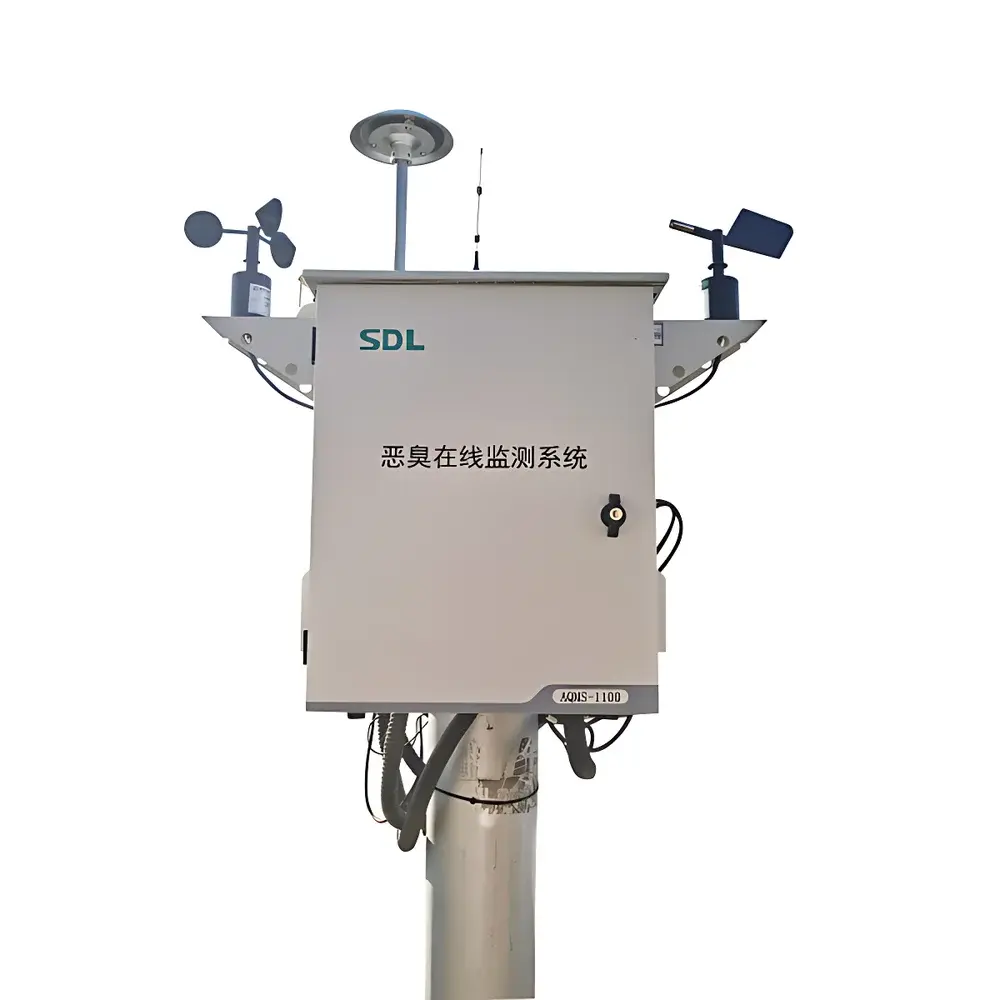
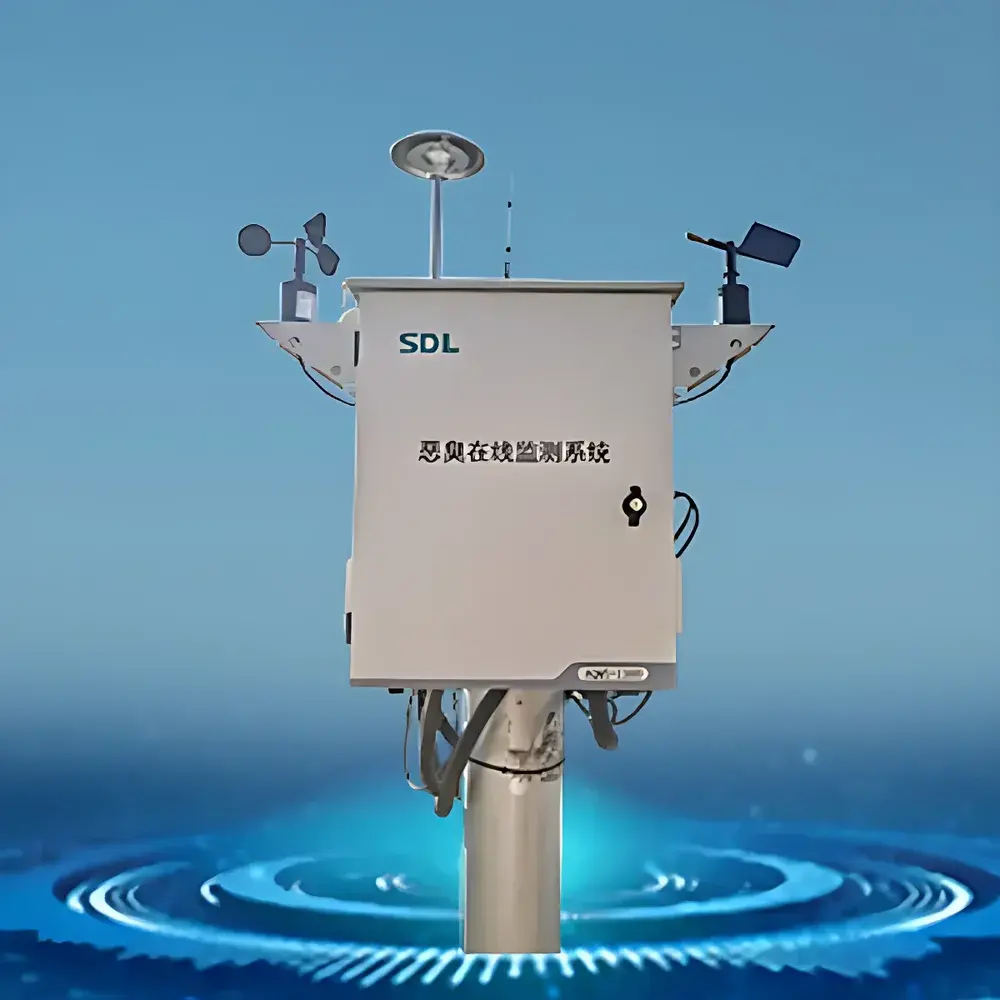
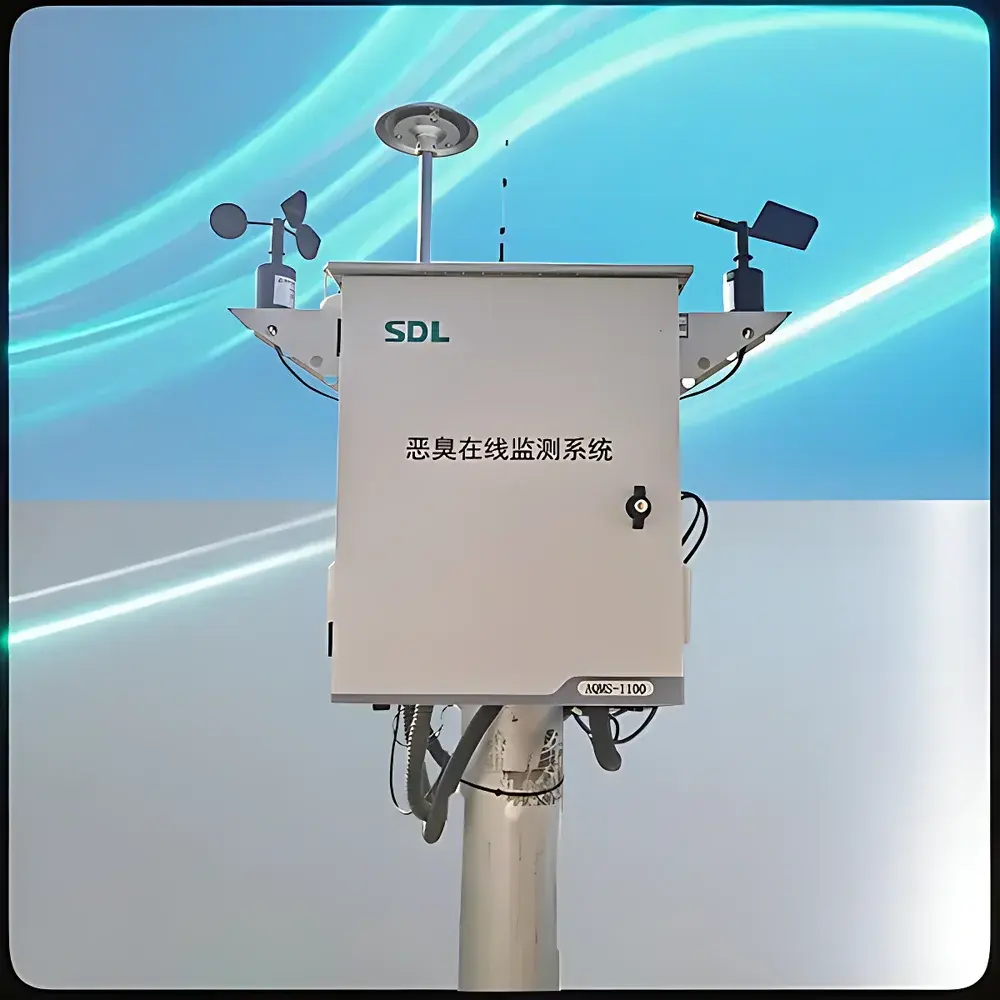
The SDL AQMS-1100 OU Odor Monitoring System is an online, real-time atmospheric odor surveillance platform engineered for continuous, unattended operation in complex industrial emission environments. It employs a multi-modal sensor array—integrating electrochemical (EC), metal oxide semiconductor (MOS), and photoionization detector (PID) technologies—to quantify odor-active compounds across dynamic concentration ranges. Unlike olfactometric methods reliant on human panel testing, the AQMS-1100 OU correlates sensor response patterns with standardized odor intensity scales defined in GB/T 14675–1993 (Three-Point Comparative Olfactometry) and regulatory odor concentration thresholds in GB 14554–1993 (Emission Standard of Odorous Pollutants). This correlation is established through factory calibration against certified reference gas mixtures and validated via periodic field comparison with accredited olfactometry laboratories. The system operates as a fixed-site ambient air monitoring station, delivering time-synchronized odor concentration data (expressed in odor units—OU/m³) alongside co-located meteorological parameters critical for dispersion modeling.
Key Features
- Multi-sensor fusion architecture enabling simultaneous detection of key odorants—including hydrogen sulfide (H₂S), ammonia (NH₃), volatile organic compounds (VOCs), sulfur-containing organics (e.g., methyl mercaptan), and aldehydes—with cross-sensitivity compensation algorithms.
- Automated sensor regeneration cycle utilizing pulsed thermal cleaning and zero-air purging, extending operational stability and reducing drift over extended deployment periods (>6 months between maintenance intervals).
- Integrated environmental module measuring temperature, relative humidity, wind speed, and wind direction—synchronized at 1 Hz resolution—to support Gaussian plume modeling and backward trajectory analysis.
- Ruggedized NEMA-4X enclosure rated for outdoor installation, featuring IP65 ingress protection, internal temperature stabilization, and condensation-resistant sampling path design.
- Onboard data logger with 16 GB non-volatile memory, supporting local storage of 12+ months of 1-minute averaged data (odor units, sensor voltages, meteorological values, diagnostic flags).
Sample Compatibility & Compliance
The AQMS-1100 OU is designed for ambient air sampling from stack emissions, fence-line locations, and community monitoring points adjacent to wastewater treatment plants, landfill sites, composting facilities, chemical manufacturing zones, and food processing units. Its sensor configuration supports trace-level quantification of odorants relevant to regulatory reporting under China’s Ministry of Ecology and Environment (MEE) guidelines. While not a direct replacement for laboratory olfactometry per ISO 13736 or EN 13725, the system meets functional equivalence requirements for continuous screening, trend analysis, and early-warning applications—as referenced in MEE Technical Guidelines for Odor Pollution Monitoring (HJ 905–2017). All firmware and calibration records comply with basic audit-trail requirements for GLP-aligned environmental data management.
Software & Data Management
The system interfaces with SDL’s proprietary OdorView™ software suite (v3.2+), which provides web-based visualization, configurable alarm logic (e.g., 50 OU/m³ threshold + sustained >10 min), automated report generation (daily/weekly compliance summaries), and GIS-integrated mapping of odor plume projections. Data export supports CSV, XML, and JSON formats; API endpoints enable integration into enterprise SCADA systems or municipal environmental information platforms. Firmware updates are delivered via secure HTTPS, with digital signature verification. Audit logs record all configuration changes, calibration events, and user logins—supporting internal quality assurance protocols and external inspection readiness.
Applications
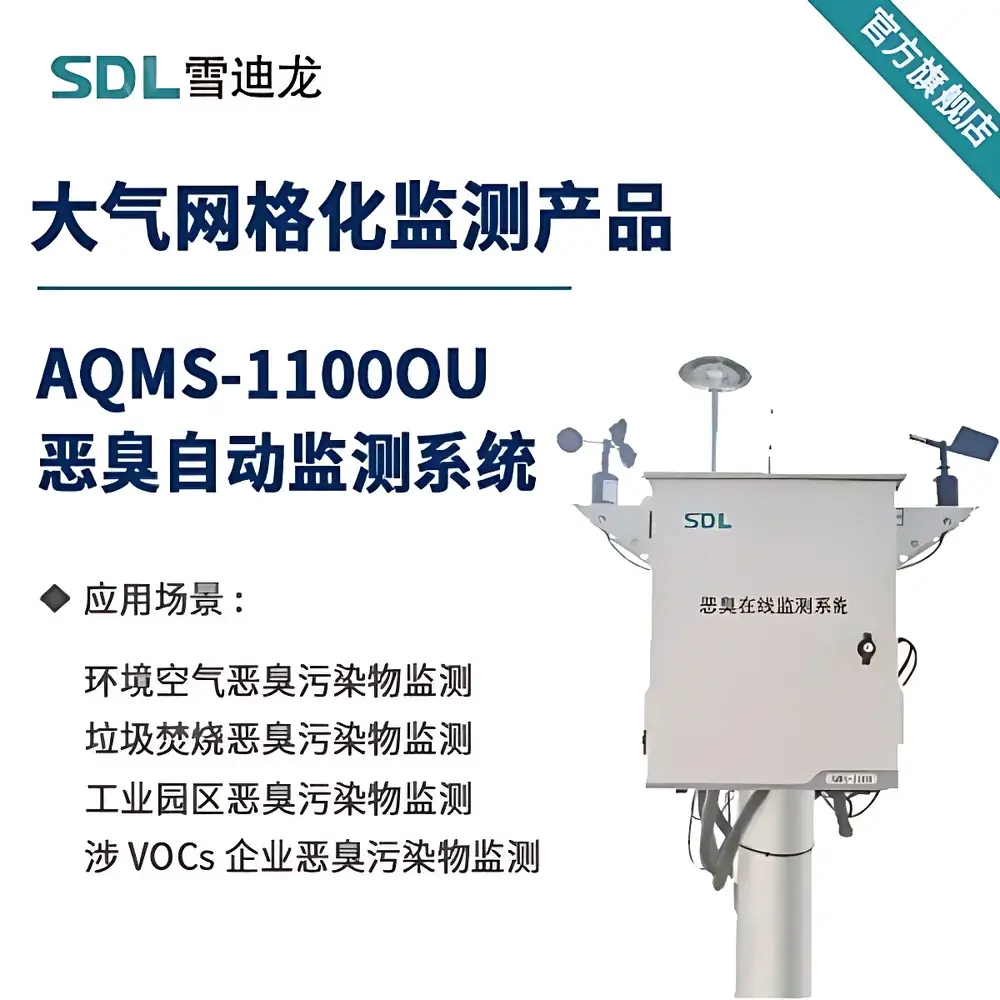
- Real-time fence-line monitoring at municipal wastewater treatment plants to verify compliance with odor emission limits during sludge dewatering and anaerobic digestion operations.
- Stack emission profiling for petrochemical and pharmaceutical facilities where sulfur- and nitrogen-containing VOCs dominate odor impact assessments.
- Long-term baseline characterization prior to and following odor abatement system installation (e.g., biofilters, activated carbon beds, thermal oxidizers).
- Community complaint investigation support—correlating temporal odor unit spikes with wind vector data to identify probable source sectors.
- Integration into smart city environmental dashboards for public transparency and regulatory reporting to provincial ecological environment bureaus.
FAQ
Does the AQMS-1100 OU meet ISO or EN odor measurement standards?
No—it is not certified to ISO 13736 or EN 13725, which mandate dynamic olfactometry. However, it fulfills technical specifications for continuous odor surveillance under Chinese national standards GB 14554–1993 and GB/T 14675–1993.
Can the system be calibrated against certified odor standards?
Yes—factory calibration uses NIST-traceable H₂S, NH₃, and toluene standards; field recalibration kits and certified gas cylinders (0.5–50 ppb range) are available for routine verification.
Is remote diagnostics supported?
Yes—embedded cellular (4G/LTE) or Ethernet connectivity enables remote firmware updates, sensor health monitoring, and diagnostic log retrieval without site visits.
What is the recommended maintenance interval?
Sensor modules require annual replacement; filter elements and inlet tubing should be inspected quarterly; full system verification is advised every six months.
How is odor concentration (OU/m³) calculated from raw sensor outputs?
A multivariate regression model—trained on paired sensor responses and reference olfactometry results—is applied in real time; coefficients are adjustable per site-specific odor profile and undergo annual revalidation.







