
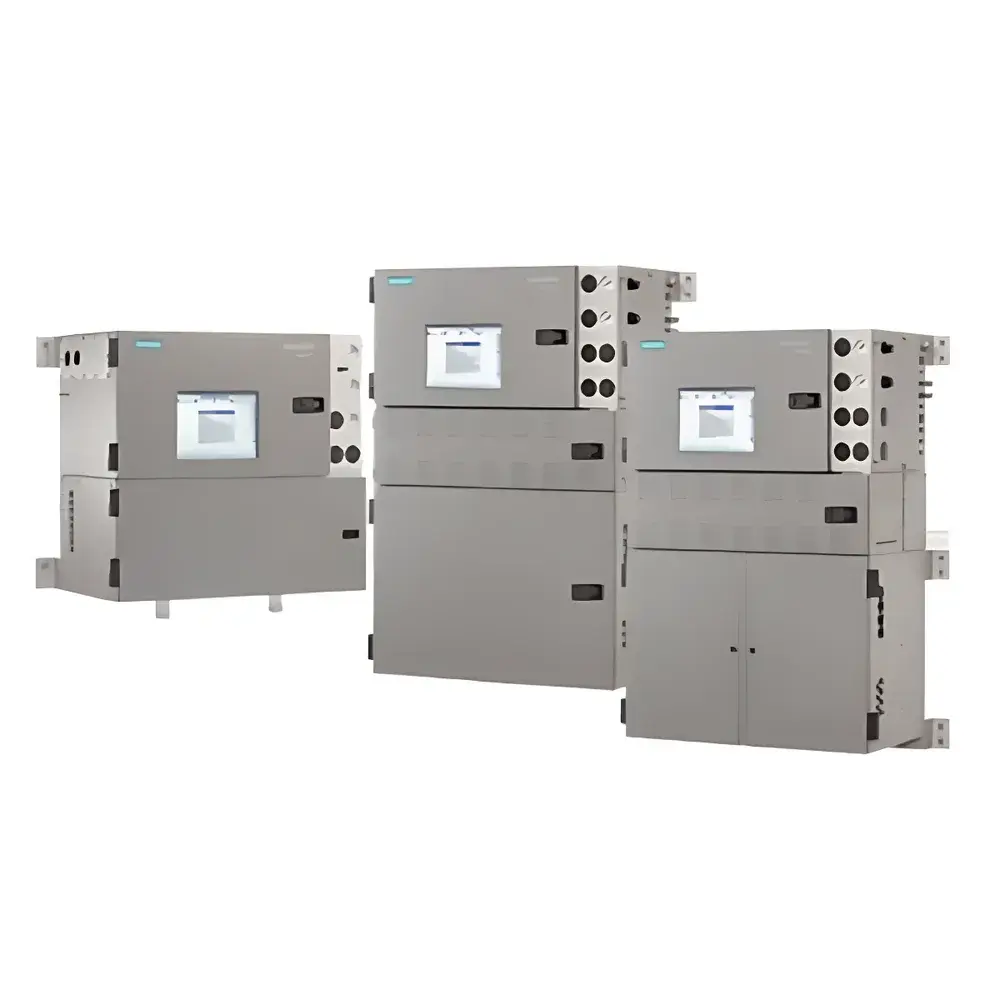
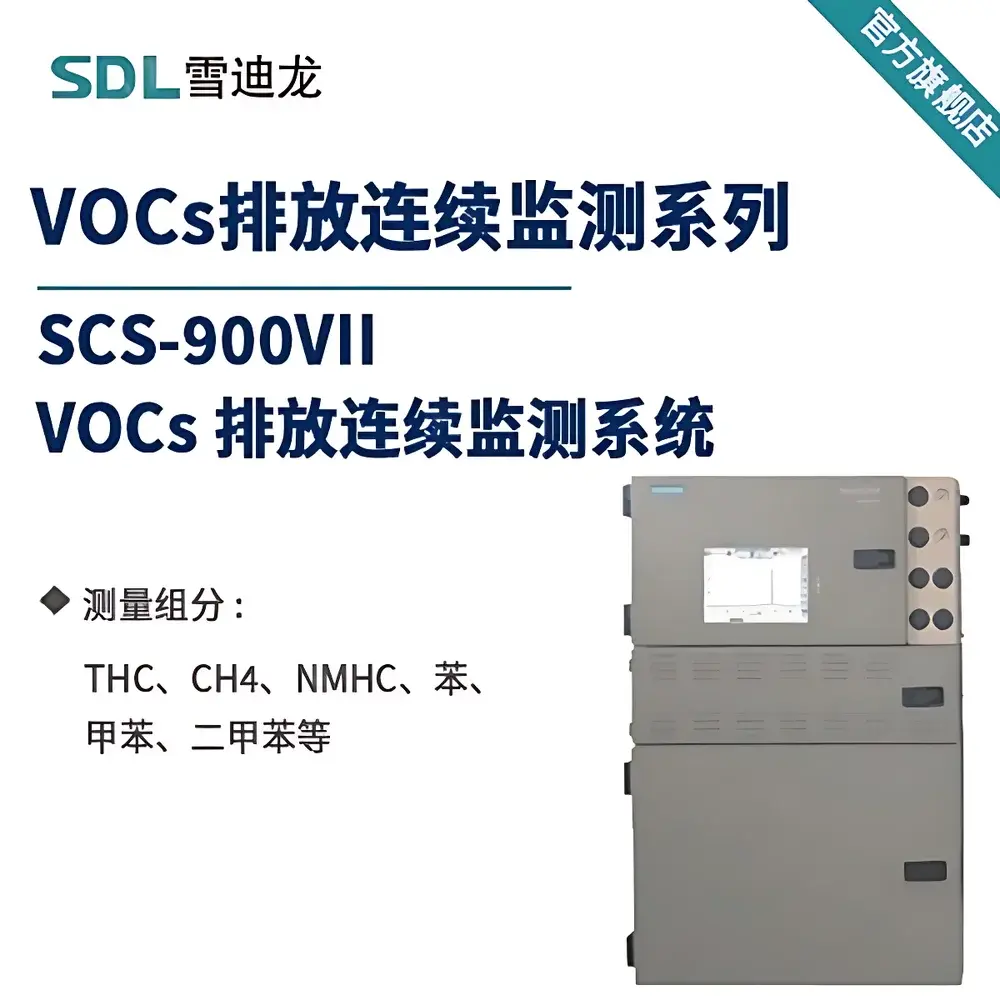
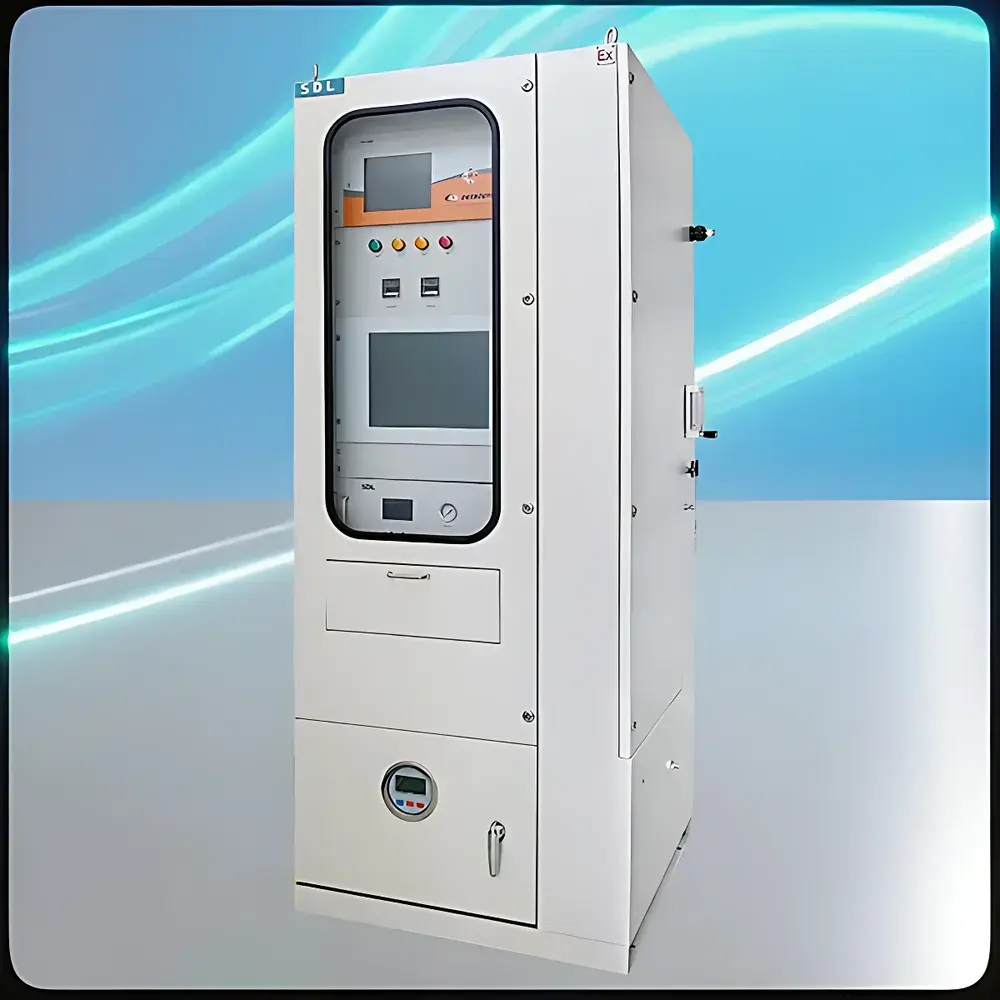
SDL SCS-900VII Intrinsically Safe Continuous Emission Monitoring System (CEMS) for VOCs in Flue Gas
| Brand | SDL |
|---|---|
| Origin | Beijing, China |
| Manufacturer | SDL (Producer) |
| Type | Online Gas Chromatographic Analyzer |
| Configuration | Cabinet or Explosion-Proof Shelter Mounting |
| Sampling Method | Probe-Based Extraction |
| Detection Principle | Gas Chromatography (GC) with Flame Ionization Detection (FID) |
| Compliance | ATEX/IECEx Zone 1 Certified Components |
| Key Components | Siemens MAXUM II Ex-d Certified GC Analyzer, Explosion-Protected Flow Measurement Subsystem |
| Regulatory Alignment | Designed to support compliance with China’s HJ 1013–2018, EU Directive 2010/75/EU (IED), and US EPA Method 25A/TO-17 |
Overview
The SDL SCS-900VII is an intrinsically safe, continuous emission monitoring system engineered for real-time quantification of volatile organic compounds (VOCs) in flue gas streams under hazardous area conditions. Built upon a certified industrial gas chromatography platform—the Siemens MAXUM II Ex-d series—the system complies with international explosion protection standards (ATEX Directive 2014/34/EU, IEC 60079-0/-1/-11) for Zone 1 classified environments. It operates on the fundamental principle of separation-based detection: sample gas is extracted via heated probe, conditioned through particle filtration and moisture removal, introduced into the GC column set, separated by retention time, and detected using flame ionization detection (FID), delivering compound-specific concentration data at sub-ppm levels. The system supports both mass concentration (mg/m³) and total emission rate (kg/h) calculation when integrated with volumetric flow measurement—enabling regulatory-grade reporting for stack emissions and fence-line monitoring.
Key Features
- Intrinsically safe architecture incorporating ATEX/IECEx-certified components—including the Siemens MAXUM II GC analyzer, explosion-proof sampling probe, and pressurized cabinet or shelter housing—ensuring operational integrity in Class I, Division 1 / Zone 1 locations.
- Air-bath heated column oven with uniform thermal distribution; configurable as either isothermal or programmable temperature ramp mode to optimize resolution across C2–C12 hydrocarbon ranges and oxygenated VOCs (e.g., acetone, methanol, ethyl acetate).
- Multi-detector compatibility: FID (primary for total hydrocarbons and speciated aliphatics/aromatics), TCD (for permanent gases and chlorinated VOCs), and FPD (for sulfur-containing species)—all selectable based on site-specific regulatory requirements.
- Eight-channel electronic pressure control (EPC) module enabling precise, software-driven carrier gas and detector gas regulation—eliminating manual flowmeter adjustments during routine maintenance or method changes.
- High-reliability fluidic path utilizing diaphragm multi-port valves rated for ≥10⁷ switching cycles, minimizing downtime and calibration drift over extended unattended operation (>30 days).
- Integrated flow measurement subsystem featuring heated, explosion-rated thermal mass flow meters or differential pressure transmitters—traceable to ISO 5167 and calibrated per ISO/IEC 17025 procedures.
Sample Compatibility & Compliance
The SCS-900VII accommodates hot, humid, particulate-laden flue gas streams from combustion processes, catalytic crackers, distillation units, and storage tank vents. Sample conditioning includes heated stainless-steel probe (≥180 °C), PTFE membrane filtration (0.3 µm), and Nafion™-based permeation dryers to maintain dew point <−10 °C prior to GC injection. The system meets technical specifications outlined in China’s HJ 1013–2018 (“Technical Specification for Online Monitoring of VOCs in Fixed Pollution Sources”), aligns with EU Industrial Emissions Directive (2010/75/EU) Annex VI monitoring requirements, and supports method validation per US EPA Methods 25A (total gaseous non-methane organics) and TO-17 (speciated VOCs). All firmware and data handling protocols are structured to facilitate GLP-compliant audit trails and optional 21 CFR Part 11 electronic signature readiness.
Software & Data Management
The embedded SCADA-level control software provides automated sequence control, method scheduling, alarm management (with configurable thresholds for zero/span drift, flow loss, detector fault), and real-time chromatogram visualization. Raw GC data—including retention times, peak areas, and integration parameters—is stored locally in SQLite databases with SHA-256 hashing for integrity verification. Export formats include CSV, XML, and OPC UA-compliant tags for integration into enterprise DCS/EMS platforms. Historical data archives support trend analysis, QA/QC flagging (e.g., duplicate injections, calibration failure alerts), and automated report generation aligned with local environmental authority templates (e.g., China’s MEP Form 102, UK EA ERTS).
Applications
- Continuous monitoring of benzene, toluene, ethylbenzene, xylenes (BTEX), C3–C8 alkanes, and oxygenated VOCs at refinery flare stacks and FCC unit exhausts.
- Fence-line monitoring in petrochemical complexes to verify compliance with odorant and health-based exposure limits (e.g., OSHA PEL, WHO guidelines).
- Real-time emission rate calculation at loading arms and vapor recovery units in oil terminal facilities, supporting VOC abatement efficiency assessment.
- QA/QC verification of activated carbon or thermal oxidizer performance in fine chemical manufacturing plants subject to REACH SVHC reporting obligations.
FAQ
Is the SCS-900VII certified for use in Zone 1 hazardous areas?
Yes—the entire analytical train, including the MAXUM II GC, sampling probe, and enclosure, carries valid ATEX and IECEx certifications for Group IIA/IIB, T4 temperature class.
Can the system quantify individual VOCs or only total hydrocarbons?
It delivers both: full speciation via GC-FID chromatographic separation (with internal standard calibration), plus simultaneous THM (total hydrocarbon mass) summation per regulatory reporting needs.
What maintenance intervals are recommended for routine operation?
Column reconditioning every 90 days, FID nozzle cleaning every 30 days, and bi-weekly zero/span verification using certified calibration gases traceable to NIST SRMs.
Does the system support remote diagnostics and firmware updates?
Yes—via secure TLS 1.2 encrypted Ethernet connection with role-based access control; all update logs are retained for audit purposes.
How is data integrity ensured during power interruption or network outage?
Local edge storage retains ≥30 days of raw chromatograms and processed results; automatic resynchronization occurs upon network restoration without data loss.
Related Products







