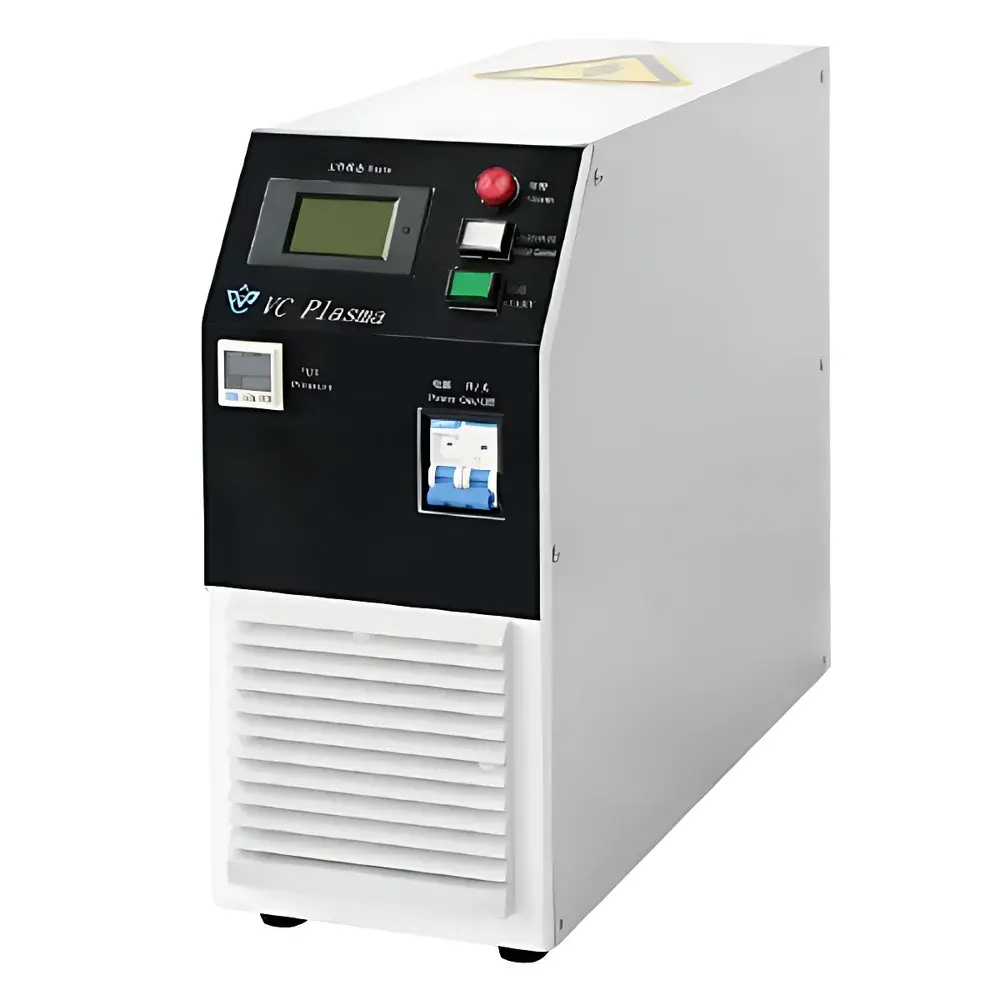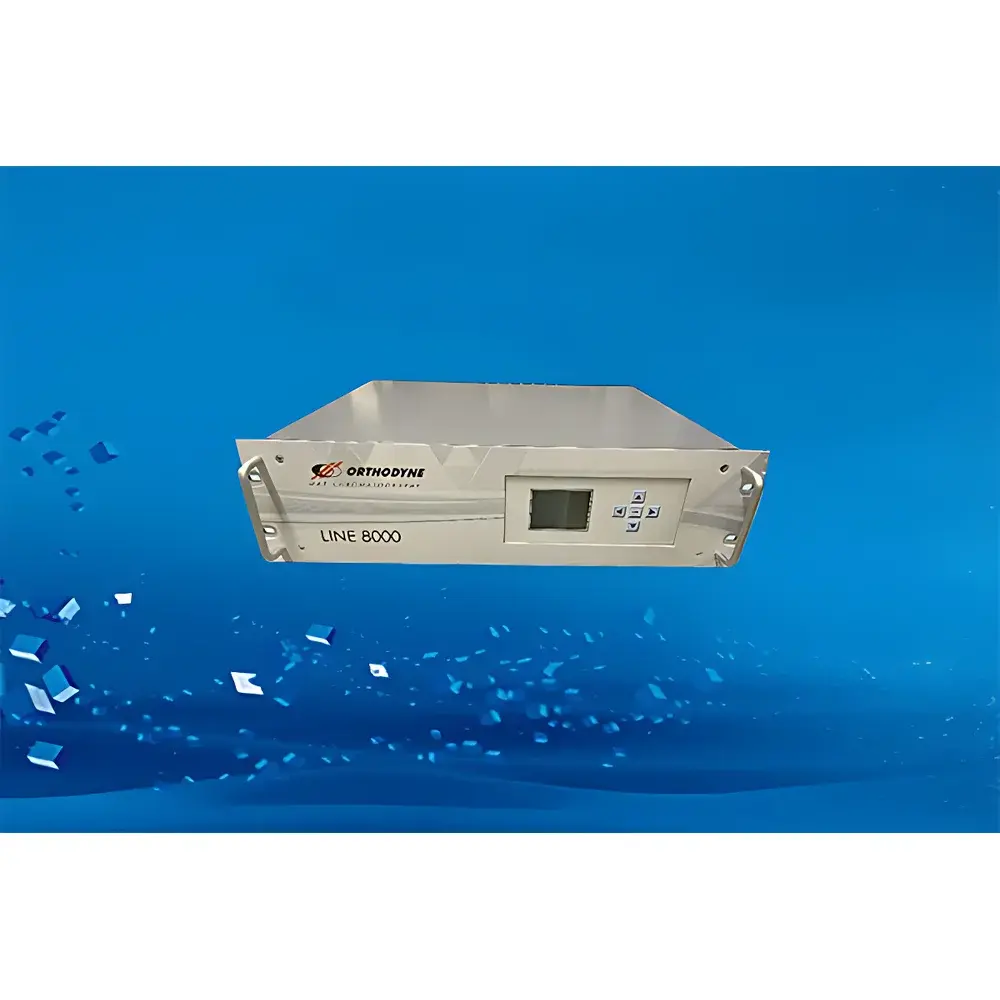
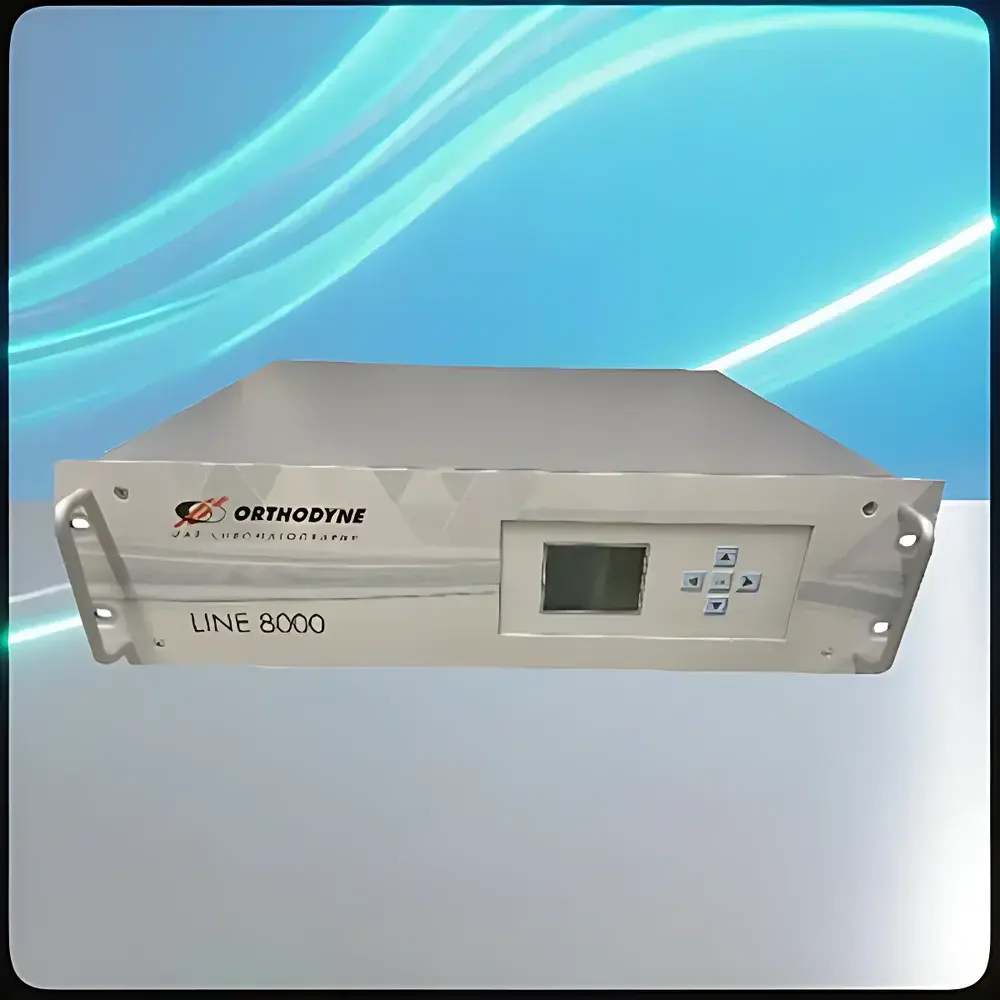
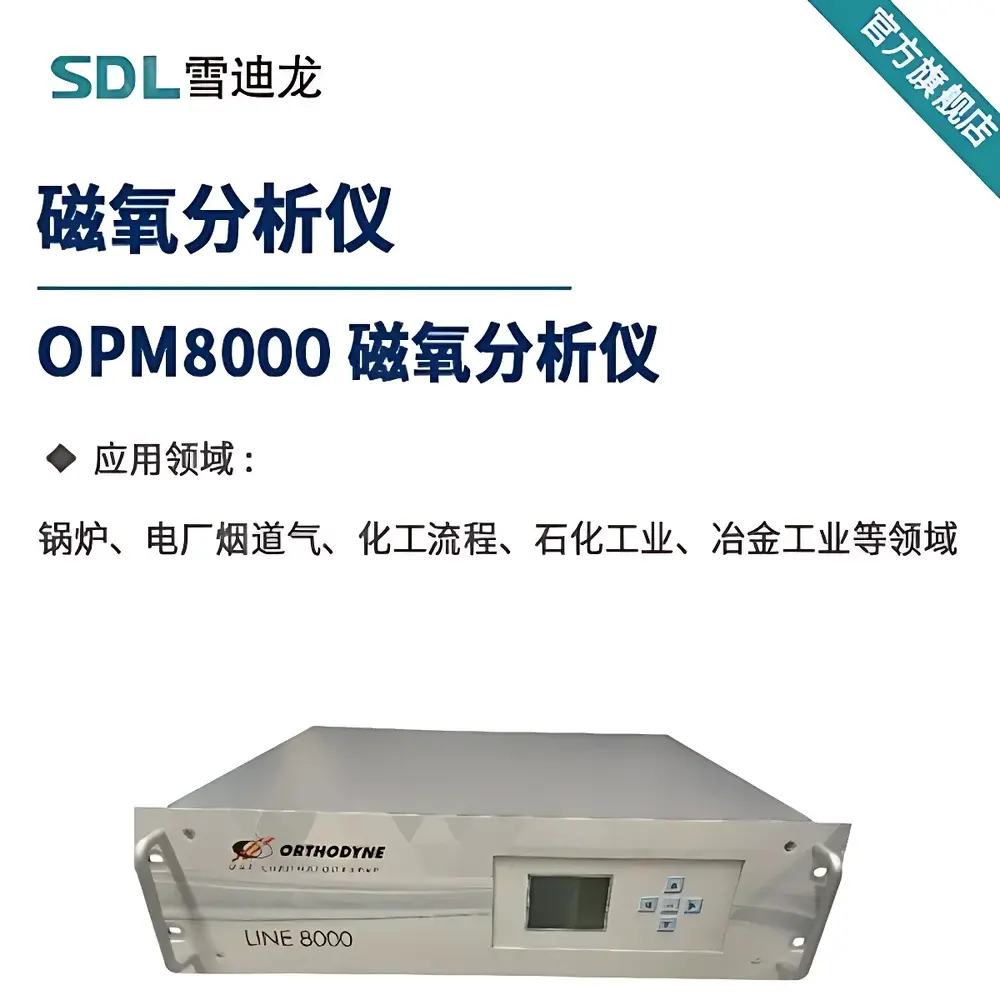
SDL OPM8000 Industrial Online Paramagnetic Oxygen Analyzer
| Brand | SDL (Snowy Dragon) |
|---|---|
| Origin | Belgium |
| Manufacturer | ORTHODYNE S.A. |
| Type | Imported Industrial Analyzer |
| Model | OPM8000 |
| Pricing | Available Upon Request |
Overview
The SDL OPM8000 is an industrial-grade online paramagnetic oxygen analyzer engineered for continuous, high-stability oxygen concentration measurement in demanding chemical process environments. It leverages the fundamental physical property of molecular oxygen—its strong paramagnetism—to deliver highly selective and interference-free detection. Unlike electrochemical or zirconia-based sensors, the OPM8000 employs a precision-balanced dumbbell-type paramagnetic cell, where oxygen molecules are drawn into a magnetic field, inducing measurable torque on a suspended quartz dumbbell assembly. This analog-to-digital transduction mechanism ensures inherent specificity to O₂, eliminating cross-sensitivity to CO₂, CO, hydrocarbons, moisture, or inert gases commonly present in refinery off-gases, reactor purge streams, and synthesis loop monitoring applications. Designed for 24/7 operation under fluctuating temperature, pressure, and flow conditions, the OPM8000 meets the stringent requirements of process safety integrity level (SIL-2 capable when integrated with certified control systems) and supports real-time closed-loop feedback for combustion optimization, inerting control, and catalyst protection protocols.
Key Features
- True paramagnetic sensing principle—no consumables, no drift-prone electrodes, no calibration gas dependency beyond initial setup and periodic verification
- Dual-range measurement architecture: configurable for high-concentration mode (0–100% O₂) or low-concentration mode (0–10 ppm to 0–25% O₂), each optimized for signal linearity and noise rejection
- Robust sensor housing constructed from 316L stainless steel with IP66-rated enclosure; compatible with hazardous area classifications (ATEX II 2G Ex d IIB T4 Ga / IECEx Ex d IIB T4 Ga)
- Digital manufacturing traceability: each unit carries full component-level calibration certificates, including temperature-compensated zero/span verification data at factory ambient and elevated operating temperatures
- Integrated thermal mass flow compensation and pressure normalization algorithms—enabling accurate O₂ reporting across ±10% pressure variation without external transmitters
- Modular electronics design with hot-swappable I/O boards supporting 4–20 mA analog output, Modbus RTU over RS-485, and optional HART 7.5 protocol
Sample Compatibility & Compliance
The OPM8000 is validated for use with dry, non-corrosive process streams typical in petrochemical cracking units, ammonia synthesis loops, chlorine production cells, and ethylene oxide reactors. Sample conditioning is required for wet, particulate-laden, or acidic streams (e.g., HCl, SO₂); standard configurations include heated sample lines (up to 180 °C), sintered metal filters (5 µm), and Nafion™ dryers. The analyzer complies with IEC 61508 (functional safety), EN 61000-6-2/-6-4 (EMC immunity/emission), and meets the mechanical robustness criteria outlined in ISO 9001:2015 certified production. When deployed in regulated environments—including FDA-regulated API manufacturing or ISO 14644 cleanroom support systems—the instrument supports audit-ready documentation packages aligned with 21 CFR Part 11 requirements for electronic records and signatures, provided the host DCS/SCADA system implements appropriate user access controls and electronic audit trails.
Software & Data Management
The embedded firmware includes a web-accessible configuration interface (HTTPS-enabled) for remote parameter adjustment, diagnostic logging, and firmware updates via secure FTPS. All measurement data—including raw sensor voltage, compensated O₂ value, internal temperature/pressure readings, and alarm status—is timestamped with microsecond resolution and stored locally (16 GB internal flash) for up to 90 days at 1-second sampling intervals. Data export follows CSV and OPC UA (Part 100 compliant) standards, enabling seamless integration into OSIsoft PI System, Emerson DeltaV, or Honeywell Experion PKS. Optional cloud gateway modules provide TLS 1.2-encrypted telemetry to AWS IoT Core or Azure IoT Hub, supporting predictive maintenance analytics based on sensor health metrics (e.g., zero stability trend, span drift rate, thermal gradient variance).
Applications
- Continuous monitoring of O₂ in hydrogen chloride synthesis off-gas to prevent explosive H₂/O₂ mixtures
- Inerting control in batch reactors handling pyrophoric catalysts (e.g., Raney nickel, organolithium reagents)
- Oxygen slip detection in Claus tail gas treatment units to ensure sulfur recovery efficiency
- Quality assurance in bulk liquid nitrogen and argon supply lines for semiconductor fab gas cabinets
- Real-time O₂ feedback for air-fuel ratio optimization in thermal oxidizers treating VOC-laden exhaust streams
FAQ
Does the OPM8000 require zero gas or span gas for routine operation?
No—zero and span verification are recommended only at commissioning and annually per ISO 17025-accredited calibration schedules. The paramagnetic cell exhibits negligible baseline drift under stable thermal conditions.
Can the analyzer operate in vacuum or sub-atmospheric pressure processes?
Yes, with optional vacuum-rated sample probe and differential pressure compensation enabled in firmware; minimum operating pressure is 10 kPa abs.
Is the OPM8000 compatible with SIL-2 safety instrumented systems?
Yes—when installed with certified redundant power supplies and connected to a SIL-2 approved logic solver, the device meets PFDavg ≤ 0.01 per IEC 61508 Annex D calculations.
What is the typical response time (T90) for a step change in O₂ concentration?
≤ 15 seconds for 0–100% O₂ step at 1 L/min sample flow, 25 °C, and 101.3 kPa, as verified per ASTM D6257-20 Annex A1.
How is sensor contamination mitigated during long-term deployment?
The paramagnetic cell features a self-cleaning thermal cycle algorithm that periodically heats the measurement chamber to 120 °C for 90 seconds to volatilize adsorbed organics without requiring manual intervention.
Related Products