
SEC 1911 Soil Solution Sampler
| Brand | SEC (USA) |
|---|---|
| Origin | USA |
| Model | 1911 |
| Sampling Depth Range | 15 cm to 3 m |
| Ceramic Tip Material | High-purity alumina (Al₂O₃) |
| Bubble Point Pressure | 100 kPa (1 bar) |
| Tubing Options | 1/4" OD and 1/8" OD nylon tubing |
| Compatible Extraction Kit | SEC 1900K3 (1000 mL) |
| Vacuum Requirement | Continuous vacuum source |
| Compliance | Designed for ASTM D5088, ISO 22030, and US EPA Method 9060A applications |
Overview
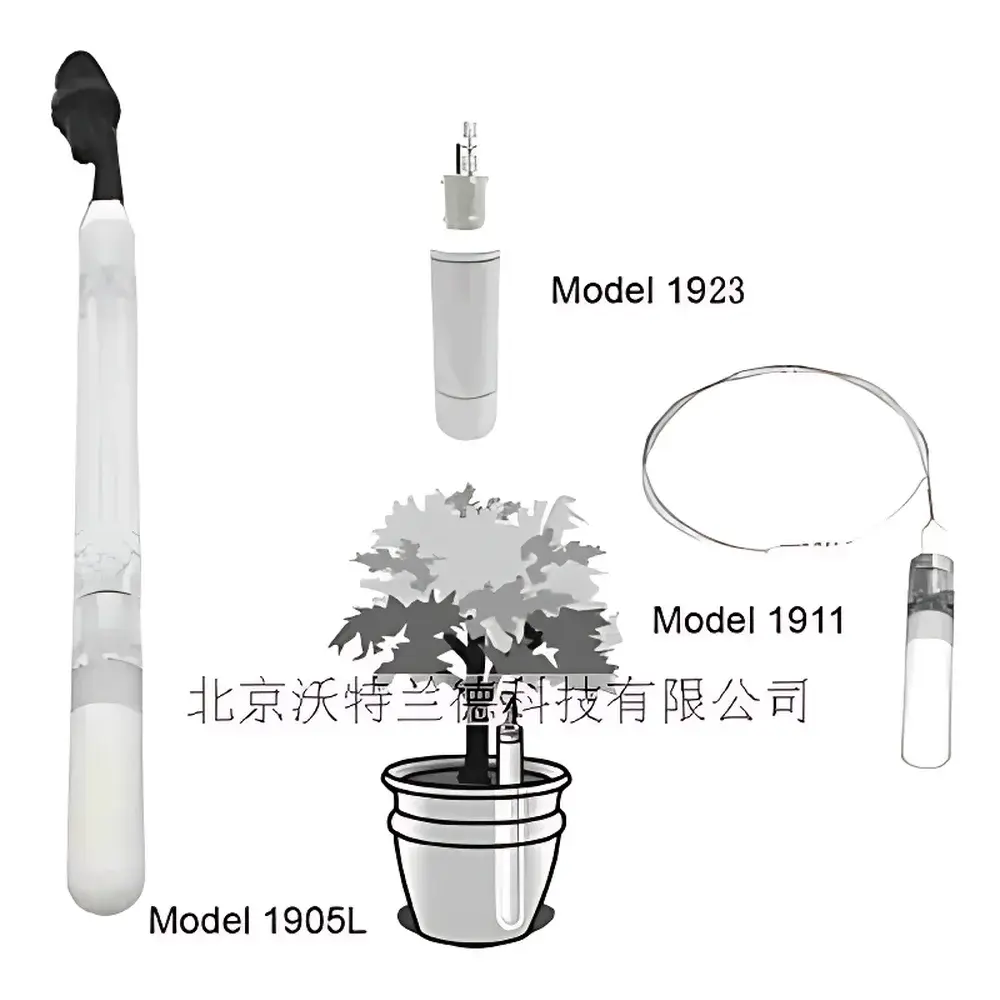
The SEC 1911 Soil Solution Sampler is a precision-engineered passive lysimeter system designed for in situ, low-disturbance collection of soil pore water across a wide vertical profile—from shallow root zones (15 cm) to deep vadose or saturated zone interfaces (up to 3 m). It operates on the principle of equilibrium-based suction sampling: when maintained under controlled negative pressure (typically −5 to −80 kPa), the high-porosity, low-adsorption alumina ceramic tip allows aqueous phase migration through capillary forces while effectively excluding air entry below its defined bubble point pressure (100 kPa). This ensures representative, non-fractionated extraction of mobile solutes—including nitrate, chloride, heavy metals, pesticides, and dissolved organic carbon—without inducing preferential flow paths or mechanical soil disruption. The device is not intended for saturated hydraulic conductivity measurement but rather for time-integrated chemical monitoring in field-scale environmental assessment, remediation tracking, and long-term vadose zone research.
Key Features
- High-purity alumina (≥99.5% Al₂O₃) ceramic tip with uniform pore structure (mean pore size ~0.2–0.4 µm), engineered for minimal ion adsorption and consistent hydraulic response
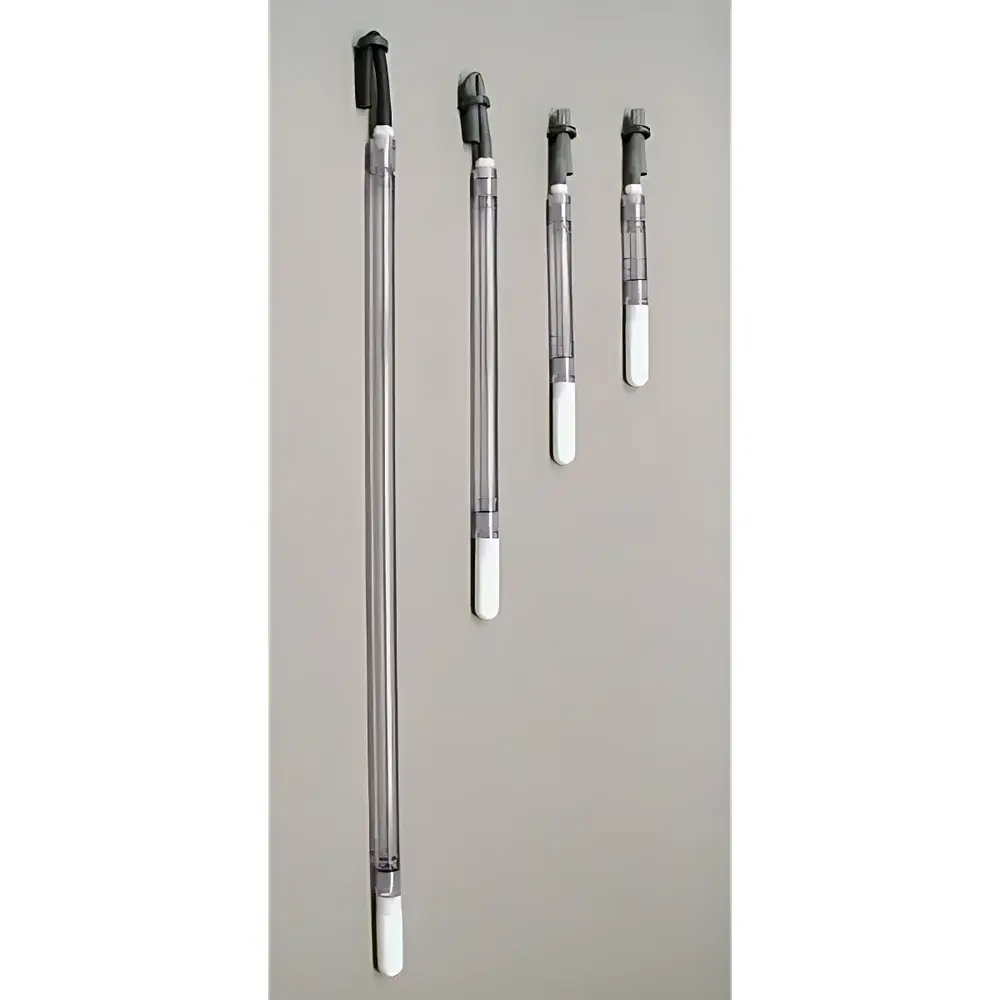
- Two standardized nylon tubing configurations: 1/4″ OD for high-flow applications (e.g., shallow, coarse-textured soils) and 1/8″ OD for low-permeability or fine-textured profiles requiring finer pressure control
- Modular design enables rapid deployment at variable depths using standard auger or direct-push installation methods; no grouting required for most mineral soils
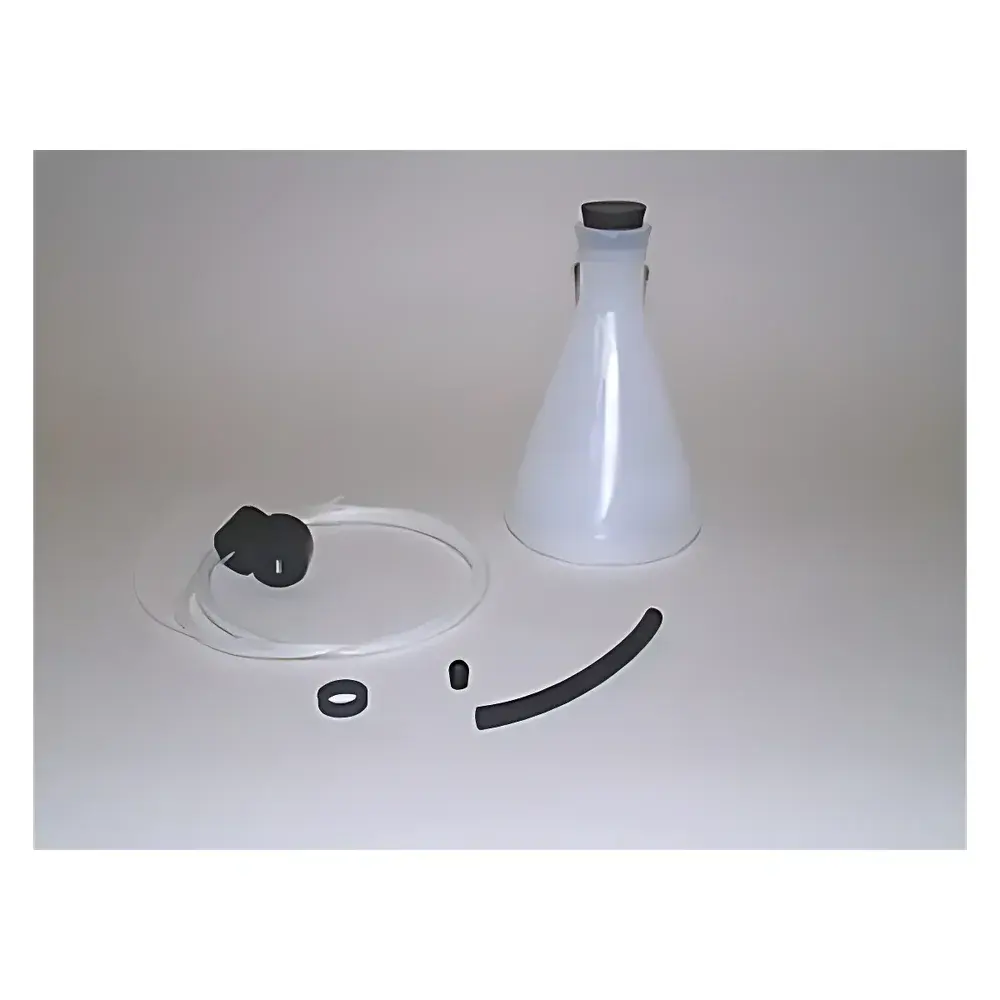
- Compatible with SEC 1900K3 vacuum manifold system (1000 mL capacity), supporting sequential or continuous multi-point sampling over extended periods (days to weeks)
- Robust stainless-steel body and UV-stabilized polypropylene housing ensure field durability under ambient temperature extremes (−20 °C to +60 °C) and prolonged exposure to soil moisture and organic acids
Sample Compatibility & Compliance
The SEC 1911 is validated for use in mineral soils (sand to clay loam), weathered bedrock fractures, and engineered landfill covers. It is unsuitable for highly organic soils (e.g., peat >30% OM) or saturated aquifer zones where positive hydraulic head dominates. All materials contacting pore water comply with US EPA Method 9060A requirements for trace-metal-free sampling hardware. The ceramic composition meets ISO 22030 specifications for inertness in geochemical leaching studies, and system configuration supports full traceability per ASTM D5088–22 (Standard Practice for Installation and Maintenance of Suction Lysimeters). Documentation packages include material certifications, batch-specific bubble point test reports, and installation QA/QC checklists aligned with GLP audit protocols.
Software & Data Management
While the SEC 1911 is a passive, analog sampling device without embedded electronics, it integrates seamlessly into digital environmental monitoring workflows. When paired with SEC’s optional 1900K3 manifold and vacuum controller (e.g., SEC VAC-2000 series), users can log real-time vacuum pressure, cumulative volume, and temperature via RS-485 or 4–20 mA outputs. Data export conforms to CSV and netCDF formats, enabling ingestion into LIMS platforms compliant with FDA 21 CFR Part 11 (audit trail, electronic signature support). Field deployment metadata—including GPS coordinates, depth calibration, and ceramic lot number—is captured via SEC FieldLog mobile app (iOS/Android), ensuring chain-of-custody integrity from installation to lab analysis.
Applications
- Long-term nutrient leaching studies in agricultural watersheds (e.g., NO₃⁻, PO₄³⁻ flux quantification)
- Contaminant plume monitoring at brownfield sites (e.g., Cr(VI), As, TCE, PFAS transport modeling)
- Performance evaluation of reactive barriers and phytoremediation systems
- Vadose zone characterization in landfill cover performance assessments (EPA SW-846, Chapter 9)
- Soil solution chemistry inputs for biogeochemical models (e.g., HYDRUS-1D, PHREEQC coupling)
FAQ
What vacuum pressure range is recommended for optimal operation?
A regulated vacuum between −10 kPa and −50 kPa is typical for most mineral soils; deeper installations (>2 m) or low-permeability clays may require up to −80 kPa. Exceeding −90 kPa risks air entry and sample bias.
Can the 1911 be reused after cleaning?
Yes—ceramic tips may be regenerated by soaking in 10% HNO₃ for 24 h, followed by triple-rinsing with 18.2 MΩ·cm DI water and autoclaving (121 °C, 20 min); nylon tubing must be replaced between deployments.
Is the 1911 compatible with automated vacuum controllers?
Yes—its 1/4″ and 1/8″ OD ports interface directly with standard Swagelok® and Parker Hannifin® vacuum manifolds; SEC provides pinout schematics for OEM integration.
Does SEC provide calibration documentation for each unit?
Each 1911 sampler ships with a Certificate of Conformance including ceramic bubble point verification (±2 kPa), dimensional inspection report, and material traceability to ASTM F136-certified alumina feedstock.
Related Products







