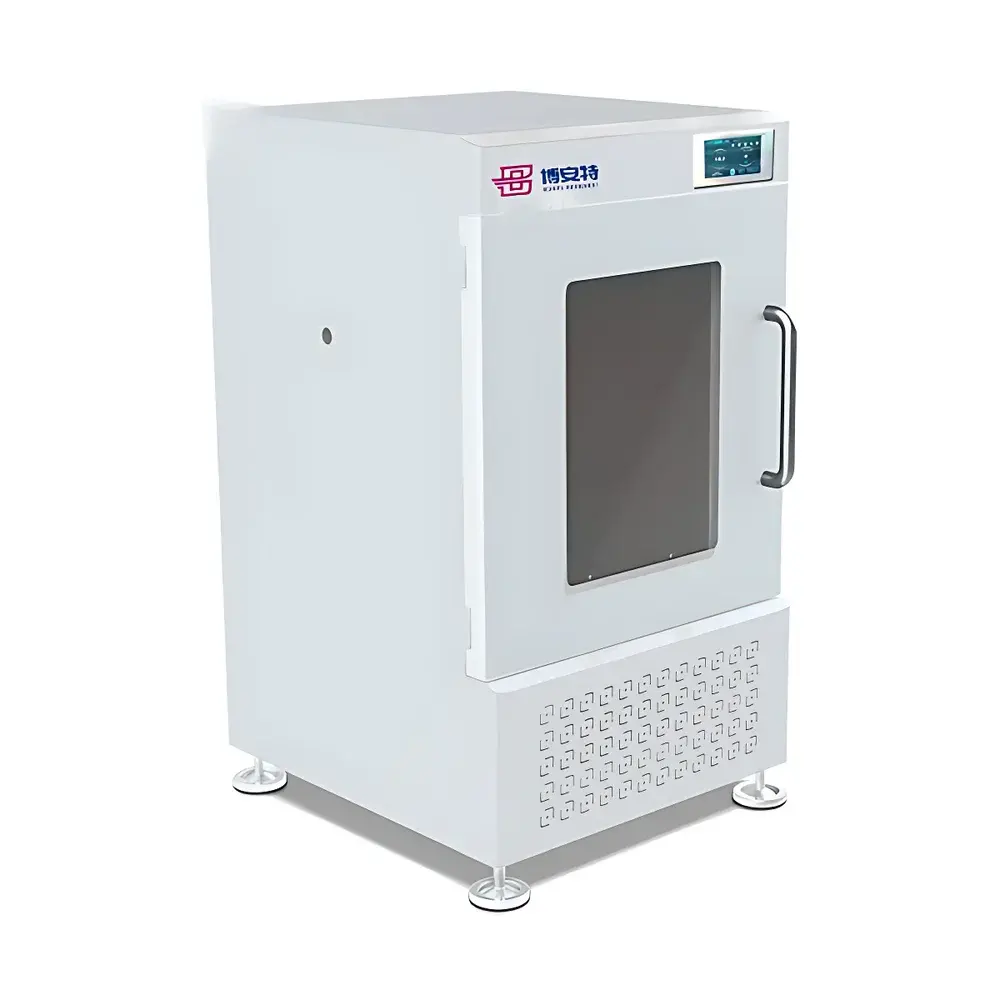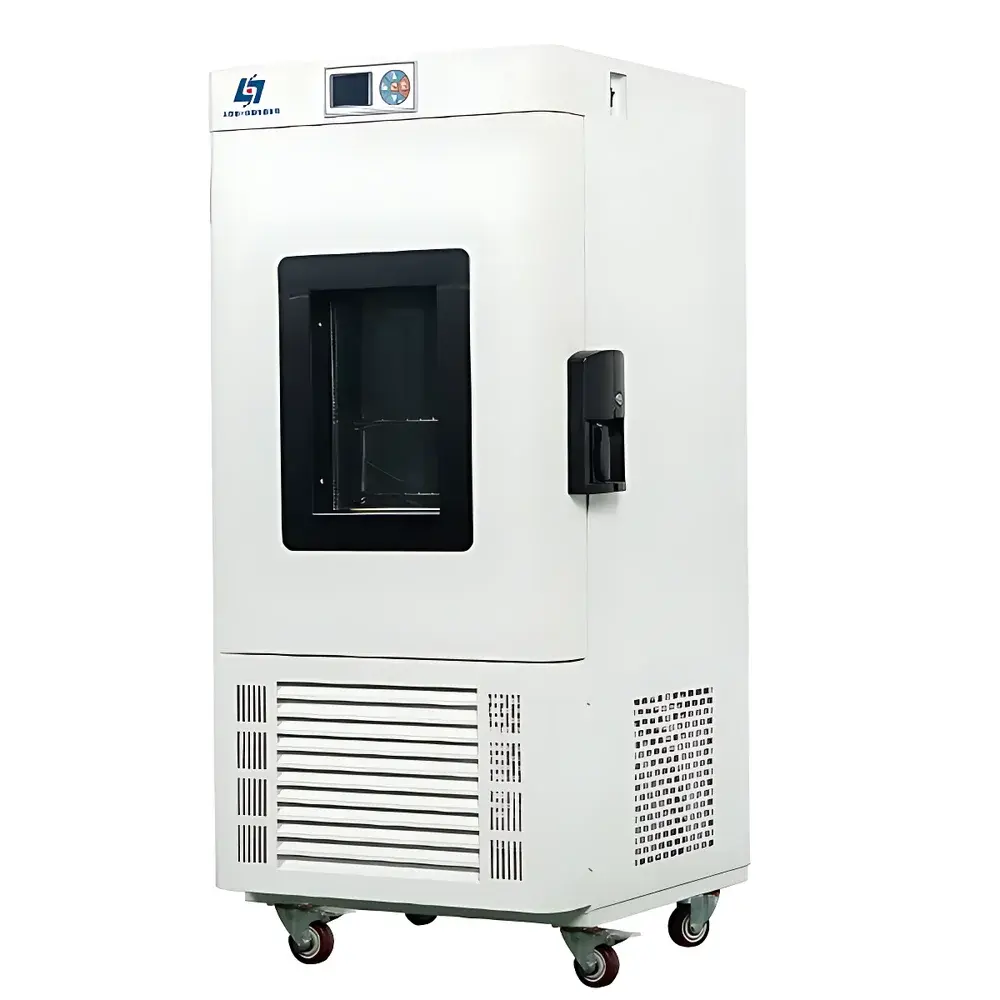
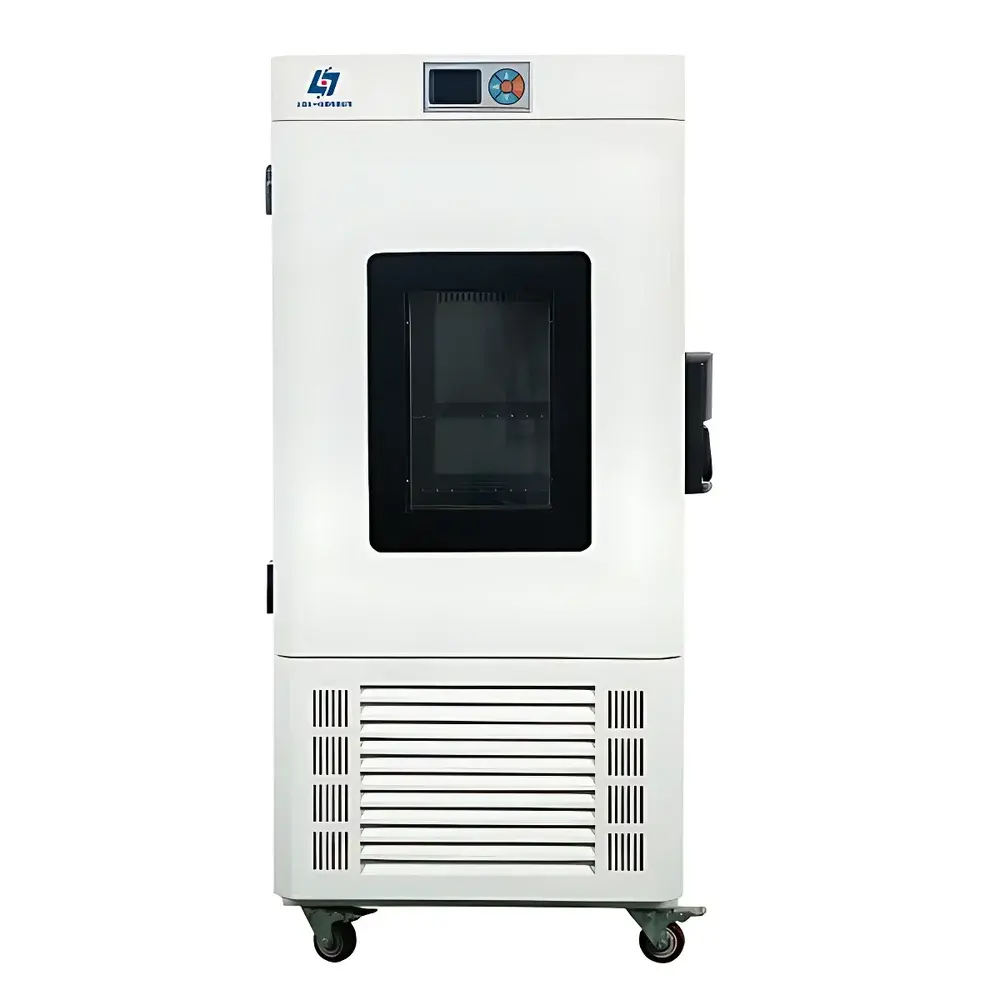
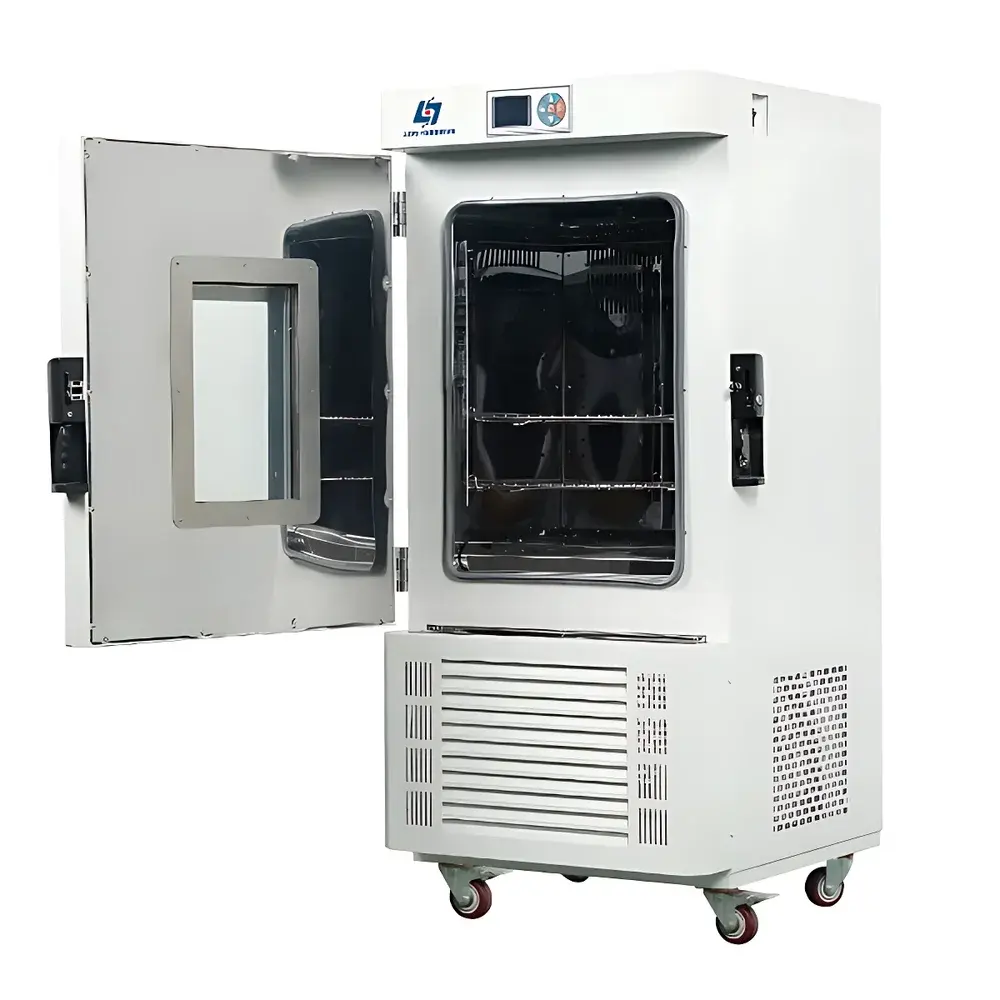
Shanghai RightOne LRH-300AL Low-Temperature Incubator & Storage Cabinet
| Brand | Shanghai RightOne (shyy) |
|---|---|
| Origin | Shanghai, China |
| Manufacturer Type | Direct Manufacturer |
| Country of Origin | China |
| Model | LRH-300AL |
| Cooling Method | Compressor-based Refrigeration |
| Temperature Range | –20 °C to +65 °C |
| Temperature Resolution | 0.1 °C |
| Temperature Uniformity | ±0.5 °C (both at high and low setpoints) |
| Chamber Capacity | 300 L |
| External Dimensions | 850 × 970 × 1910 mm |
Overview
The Shanghai RightOne LRH-300AL is a dual-function low-temperature incubator and controlled-environment storage cabinet engineered for precise thermal management in life science laboratories. It operates on the principle of forced-air convection combined with compressor-based refrigeration—enabling stable, uniform temperature control across its full operational range of –20 °C to +65 °C. Unlike standard ambient or refrigerated cabinets, this unit integrates intelligent PID temperature regulation, real-time monitoring, and robust thermal insulation to support both active biological incubation (e.g., low-temperature microbial culture, enzyme stability studies) and passive long-term sample preservation (e.g., serum, vaccines, cryopreserved reagents, and temperature-sensitive pharmaceuticals). Its design meets fundamental requirements for GLP-compliant environments where traceable, repeatable, and documented thermal conditions are essential—particularly in clinical labs, public health institutions, biobanks, and R&D facilities engaged in regulatory submissions.
Key Features
- High-efficiency hermetic compressor system using environmentally compliant refrigerants R134a and R406a—aligned with international ozone depletion and global warming potential (GWP) reduction initiatives.
- Microprocessor-based temperature controller with 5.7-inch LCD interface supporting multi-parameter display: setpoint, real-time chamber temperature, elapsed time, and remaining hold duration.
- Self-diagnostic startup sequence, automatic PID parameter tuning, and over-temperature alarm with audible/visual alert and cut-off relay output.
- Double-layer insulated glass door with embedded sealing gasket—minimizing thermal leakage while enabling non-intrusive visual monitoring without compromising internal stability.
- Interior constructed from mirror-finish stainless steel (AISI 304 grade), featuring radius-cornered walls and adjustable shelving for optimized airflow distribution and ease of decontamination.
- Four-directional casters with locking mechanism and independent leveling feet—facilitating safe repositioning and vibration-isolated placement on laboratory flooring.
- Power failure recovery function with non-volatile memory retention for all user-defined parameters—including setpoint, timer values, and alarm thresholds.
Sample Compatibility & Compliance
The LRH-300AL accommodates a broad spectrum of sample formats including vials, cryotubes, Petri dishes, flasks, and multiwell plates—supported by up to 23 removable stainless-steel shelves (standard configuration: 3 fixed + 20 optional). Its validated temperature uniformity (±0.5 °C across the entire 300 L working volume under no-load ISO 14644-1 Class 8 cleanroom-equivalent conditions) ensures compliance with critical method requirements outlined in USP , ISO 20387:2018 (biobanking), and CLSI EP22-A (temperature-controlled equipment verification). While not certified to IEC 61010-1 or FDA 21 CFR Part 11 out-of-the-box, the system supports optional RS485/USB data logging interfaces and external software integration for audit-ready electronic records—enabling alignment with GxP documentation standards when deployed with appropriate validation protocols.
Software & Data Management
The base controller includes built-in event logging for temperature excursions, power interruptions, and alarm triggers—with timestamped entries stored in internal flash memory (retention ≥12 months). Optional accessories expand functionality: an RS485/USB communication module enables connection to LabView, MATLAB, or custom LIMS platforms; a dedicated PC software suite provides trend visualization, exportable CSV reports, and configurable alarm escalation rules. An optional embedded thermal printer (25 mm wide paper roll) delivers immediate hard-copy records of chamber status—supporting SOP-driven workflows requiring physical traceability. All firmware updates are performed via secure USB firmware loader, ensuring version control and change management integrity.
Applications
- Long-term storage of heat-labile biologicals: human serum, monoclonal antibodies, viral vectors, and lyophilized vaccines at –20 °C.
- Controlled-temperature microbiological cultivation: psychrophilic bacteria, fungal spore germination, and cold-adapted enzyme activity assays.
- Stability testing per ICH Q1A(R2): intermediate and accelerated condition trials for pharmaceutical intermediates and excipients.
- Environmental simulation for electronics reliability: thermal cycling of PCB assemblies and polymer-based sensors within defined low-temperature boundaries.
- Pre-chilling of reagents and consumables prior to downstream analytical procedures (e.g., HPLC mobile phase conditioning, ELISA plate pre-equilibration).
FAQ
What is the minimum achievable temperature in continuous operation?
The LRH-300AL maintains stable operation down to –20 °C under standard ambient lab conditions (20–25 °C, ≤60% RH); performance may vary slightly under high-humidity or elevated ambient loads.
Is calibration certificate included with shipment?
A factory-assembled NIST-traceable temperature verification report (per ISO/IEC 17025 guidelines) is available upon request—subject to additional lead time and fee.
Can the unit be validated for GMP use?
Yes—the architecture supports IQ/OQ/PQ execution using third-party validation packages; required documentation templates and sensor port locations are provided in the technical manual.
Does it support programmable ramp-soak profiles?
Not natively; however, the optional multi-segment programmable controller (add-on module) enables up to 30-step temperature/time sequences with dwell and transition rate definition.
What maintenance intervals are recommended?
Compressor oil and refrigerant levels require inspection every 24 months; condenser coil cleaning is advised quarterly in dust-prone environments; door gasket integrity should be verified semiannually.
Related Products