Shanghai RightOne LRH-500BL Microprocessor-Controlled Low-Temperature Incubator
| Brand | Shanghai RightOne (shyy) |
|---|---|
| Origin | Shanghai, China |
| Manufacturer Type | Direct Manufacturer |
| Country of Origin | China |
| Model | LRH-500BL |
| Cooling Method | Compressor-Based Refrigeration |
| Temperature Range | −20 °C to +65 °C |
| Temperature Resolution | 0.1 °C |
| Temperature Uniformity | ±0.5 °C (both at high and low setpoints) |
| Chamber Capacity | 500 L |
| External Dimensions | 970 × 1130 × 1980 mm (W × D × H) |
Overview
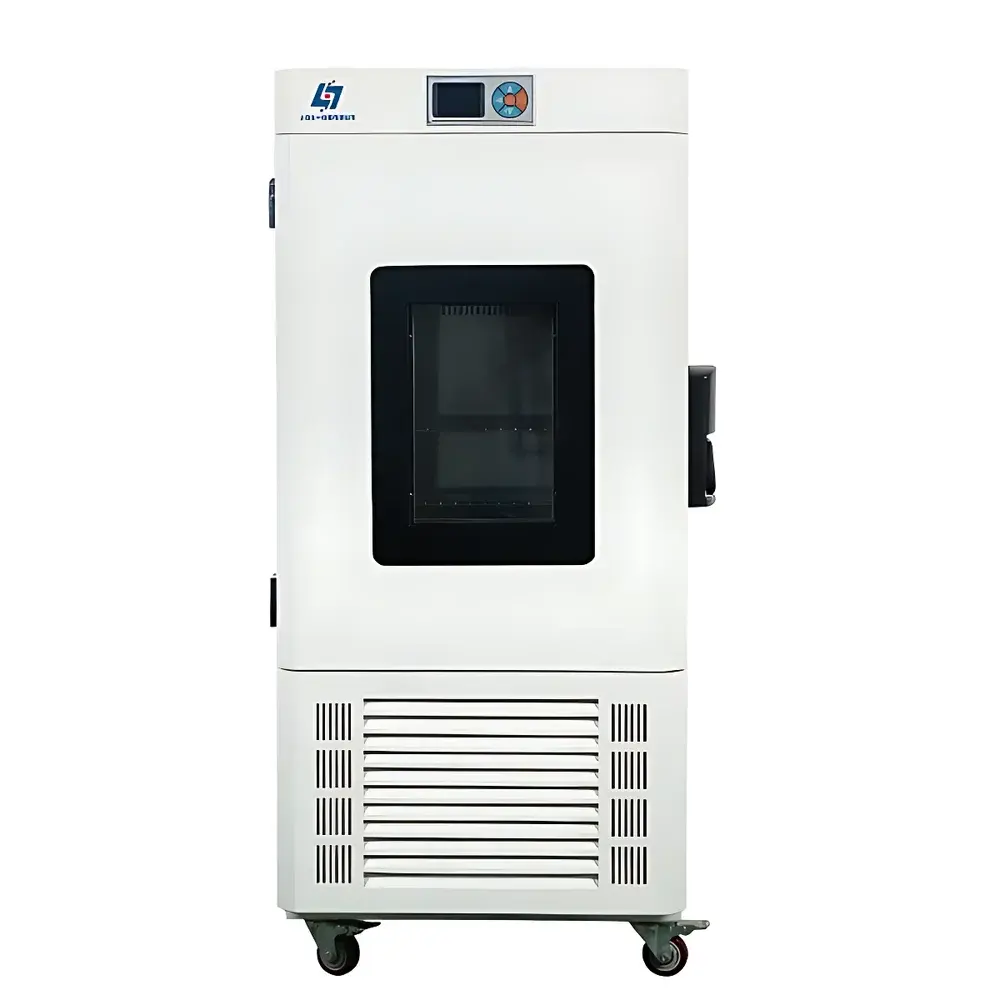
The Shanghai RightOne LRH-500BL is a microprocessor-controlled low-temperature incubator engineered for precise thermal management in life science laboratories requiring stable, reproducible cold-to-moderate temperature environments. Designed around a dual-mode thermoregulatory architecture—combining high-efficiency compressor-based refrigeration with PID-driven heating and cooling modulation—the system maintains setpoint accuracy within ±0.5 °C across its full operating range of −20 °C to +65 °C. Its 500-liter stainless steel chamber accommodates diverse biological and pharmaceutical storage and cultivation workflows, including microbial culture at sub-ambient temperatures, long-term serum and reagent stabilization, vaccine integrity testing, and controlled environmental simulation for material stability studies. The unit complies with core design principles outlined in ISO 13485 for medical device-related laboratory equipment and aligns with general Good Laboratory Practice (GLP) infrastructure requirements for temperature-critical sample handling.
Key Features
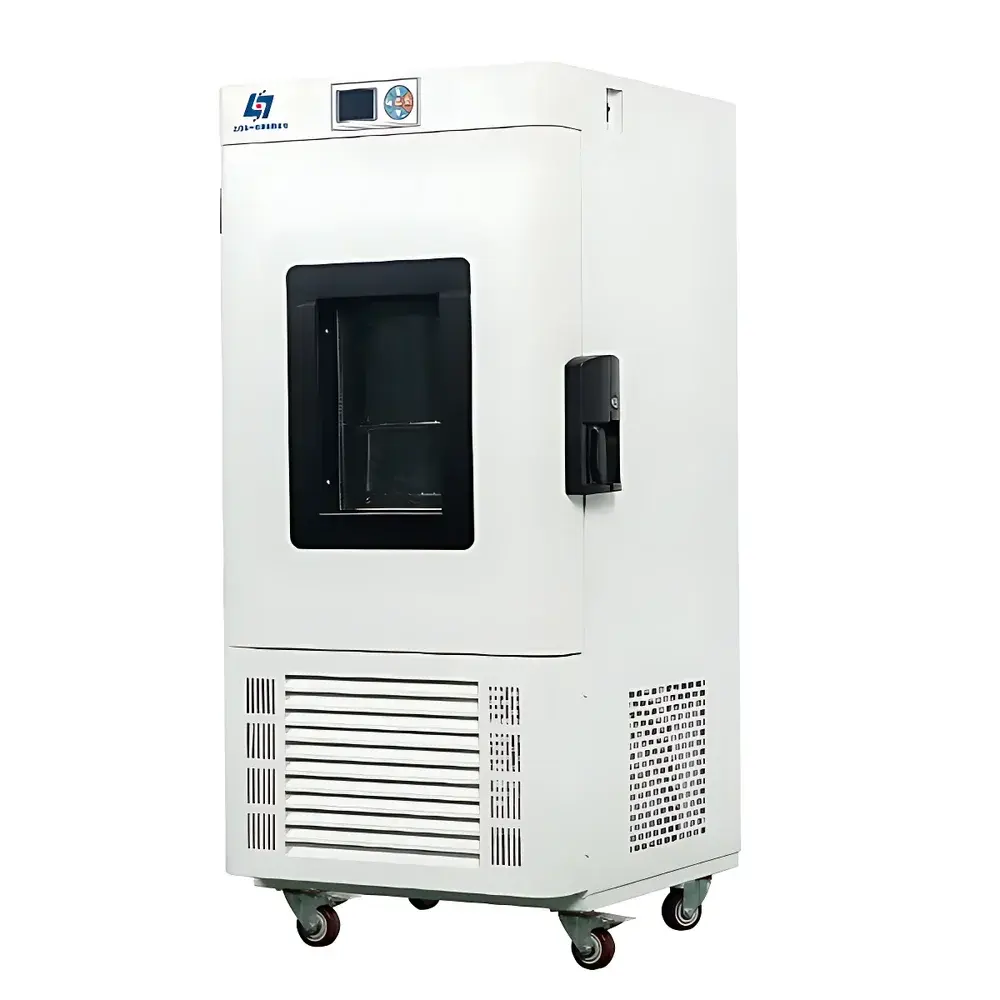
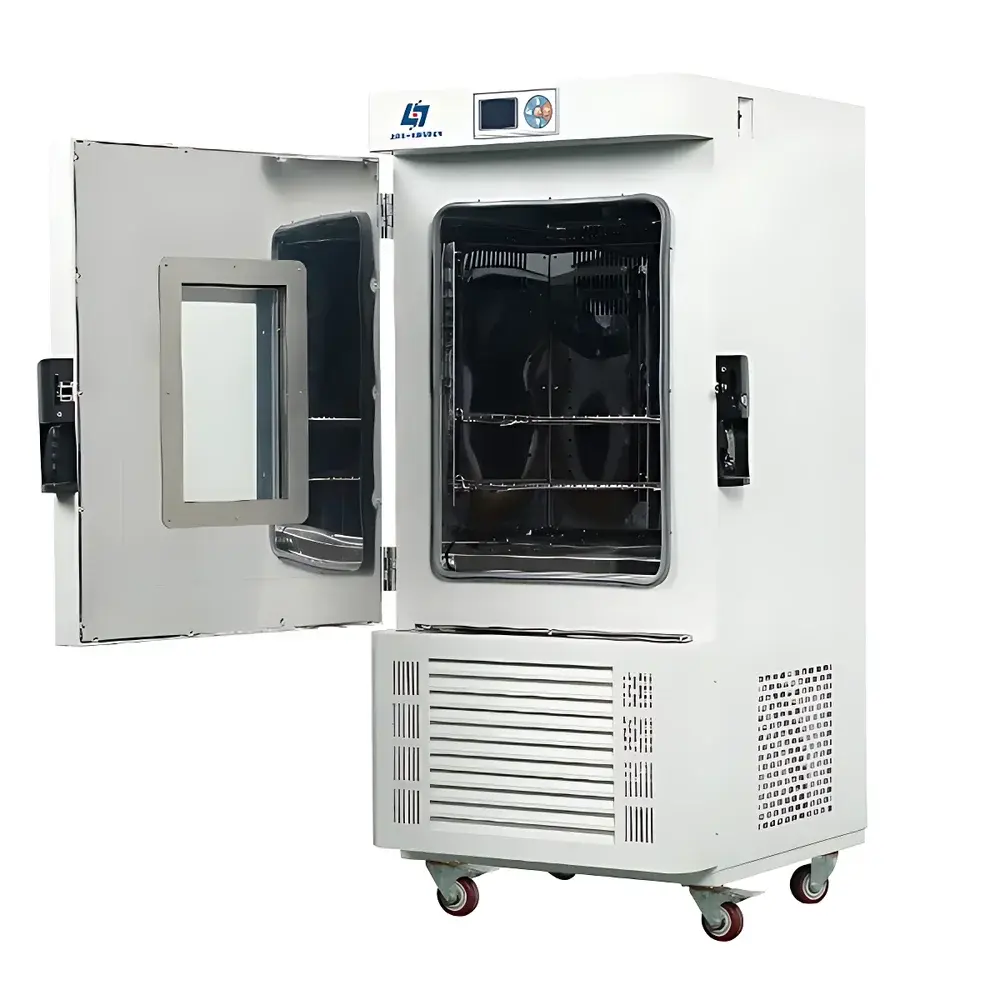
- Robust structural design featuring cold-rolled steel exterior with electrostatic powder coating and mirror-finish 304 stainless steel interior chamber—resistant to corrosion and compatible with common laboratory disinfectants.
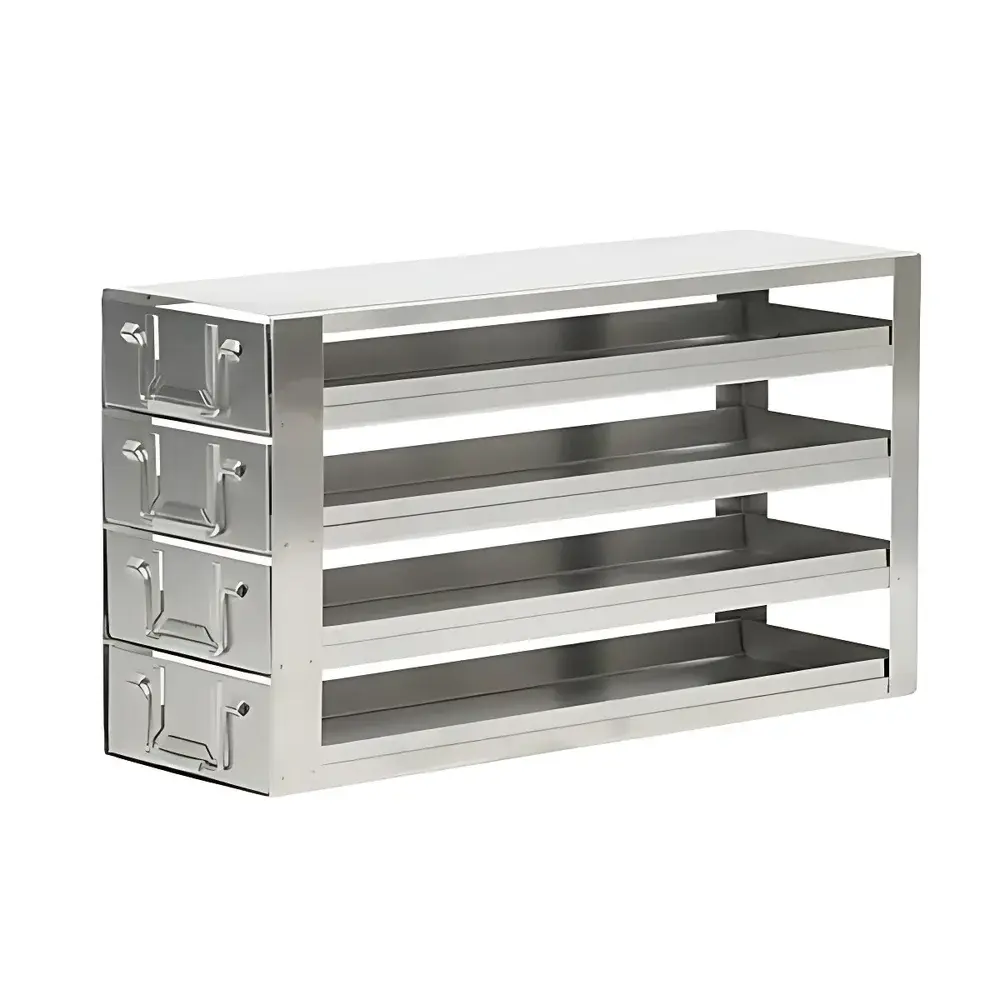
- Four-corner radius interior geometry and adjustable stainless steel shelving (standard configuration: 3 fixed + 25 maximum positions) enable flexible load arrangement and facilitate thorough cleaning and validation.
- Double-glazed, argon-filled observation door with magnetic seal minimizes thermal leakage while permitting continuous visual monitoring without compromising chamber stability.
- Integrated castor system: four swivel casters with independent locking mechanisms support safe relocation and secure leveling on uneven lab flooring.
- Intelligent power recovery logic retains user-defined parameters—including setpoint, timer, alarm thresholds, and calibration offsets—during unexpected power interruption or controller reset.
- 5.7-inch TFT-LCD touchscreen interface with menu-driven navigation displays real-time chamber temperature, setpoint, elapsed time, and remaining hold duration simultaneously; supports multi-language UI firmware (English preloaded).
- Eco-conscious refrigerant selection: R134a and R406A compliant—non-ozone-depleting, low global warming potential (GWP), and validated for continuous operation under IEC 60068-2-1/IEC 60068-2-2 environmental test conditions.
- Optimized air circulation: high-reliability centrifugal blower paired with asymmetric duct geometry ensures uniform airflow distribution, achieving ≤±0.5 °C spatial uniformity (measured per ASTM E2797-22 at nine-point grid in empty chamber).
Sample Compatibility & Compliance
The LRH-500BL supports a broad spectrum of temperature-sensitive materials, including but not limited to: cryopreserved cell suspensions, lyophilized biologics, enzyme solutions, diagnostic reagents, viral transport media, and polymer-based reference standards. Chamber humidity remains uncontrolled (typical ambient range: 30–70% RH), making it suitable for non-hygroscopic applications where moisture management is externally regulated. While not certified as a medical device under FDA 21 CFR Part 820, the unit meets mechanical and electrical safety requirements per IEC 61010-1:2010 and electromagnetic compatibility (EMC) criteria per IEC 61326-1:2020. Optional accessories—including RS485/USB data logging modules, independent overtemperature cut-off units, and calibrated PT100 probe ports—support audit-ready documentation per ISO/IEC 17025 and internal SOP frameworks.
Software & Data Management
The embedded control firmware supports configurable data logging via optional USB or RS485 interfaces (sold separately). When equipped, the system records timestamped temperature values at user-defined intervals (1 s to 60 min), stores up to 30 days of continuous data onboard, and exports CSV-formatted logs compatible with LIMS integration and statistical process control (SPC) platforms. Audit trail functionality—including operator ID tagging, parameter change history, and alarm event timestamps—is available with the optional programmable controller upgrade. All firmware versions undergo traceable revision control and are validated against functional specifications prior to release—ensuring consistency across installations in regulated environments.
Applications
- Low-temperature microbial cultivation (e.g., psychrophilic bacteria, yeast strain maintenance at 4–15 °C)
- Stabilization and short-term storage of heat-labile biologicals (serum, monoclonal antibodies, PCR master mixes)
- Accelerated stability testing of pharmaceutical excipients and final dosage forms per ICH Q1A(R2)
- Environmental stress screening of electronic components and polymer composites
- Controlled-condition incubation for mycological and entomological research protocols
- Backup cold storage for biosafety level 2 (BSL-2) laboratory inventory during freezer downtime
FAQ
What is the recommended calibration interval for the LRH-500BL?
Annual verification using NIST-traceable reference thermometers is advised; more frequent checks may be required depending on usage intensity and internal quality policy.
Can this incubator operate continuously at −20 °C in ambient conditions above 30 °C?
Yes—provided adequate ventilation clearance (≥10 cm on all sides) and ambient relative humidity remains below 80% RH.
Is the chamber interior suitable for autoclaving or hydrogen peroxide vapor (HPV) decontamination?
No—stainless steel surfaces are compatible with liquid disinfectants (e.g., 70% ethanol, 0.5% sodium hypochlorite); HPV exposure is not validated and may degrade gasket materials.
Does the unit include factory-installed temperature mapping qualification data?
No—mapping must be performed on-site per ISO 14644-3 or user-defined protocol; however, the unit’s uniformity performance is verified during final production testing.
Are custom shelving configurations or internal modifications available?
Standard configurations are fixed; OEM engineering support for application-specific adaptations (e.g., probe routing, shelf perforation) is available upon request and subject to mechanical feasibility review.
Related Products