
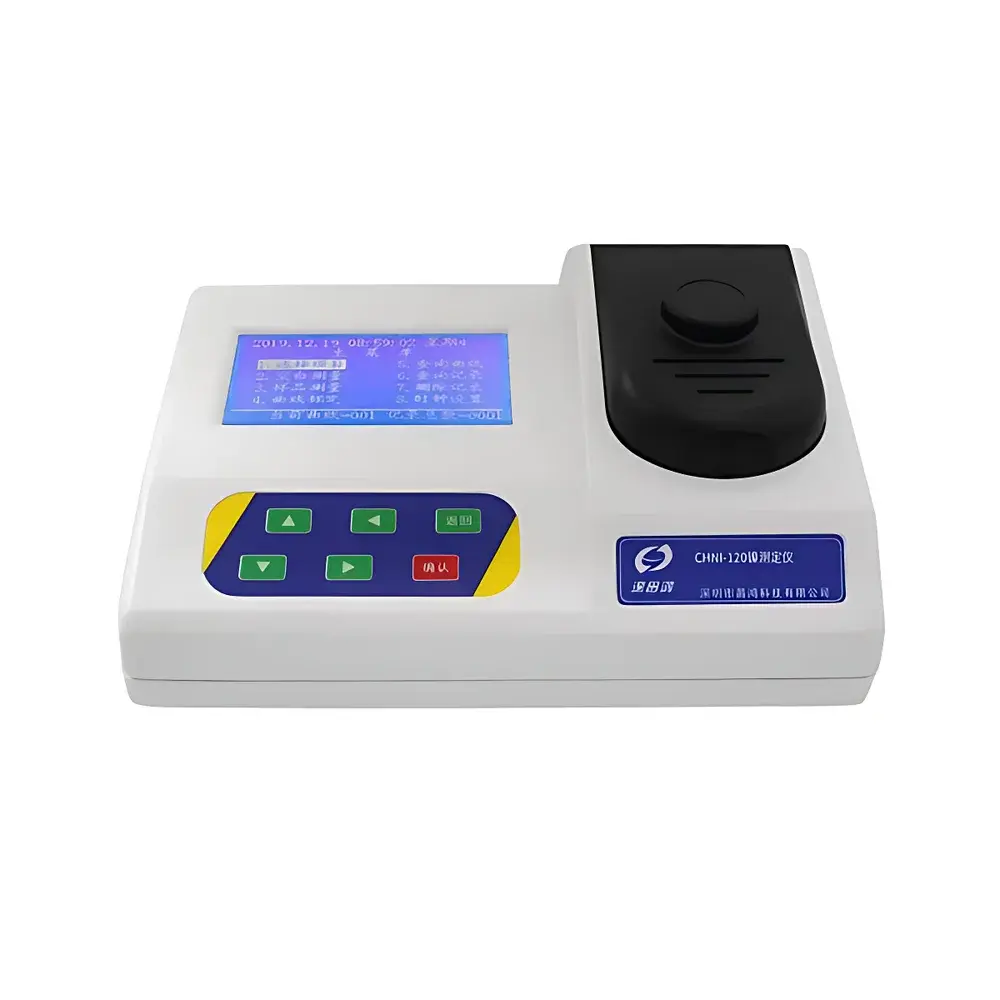
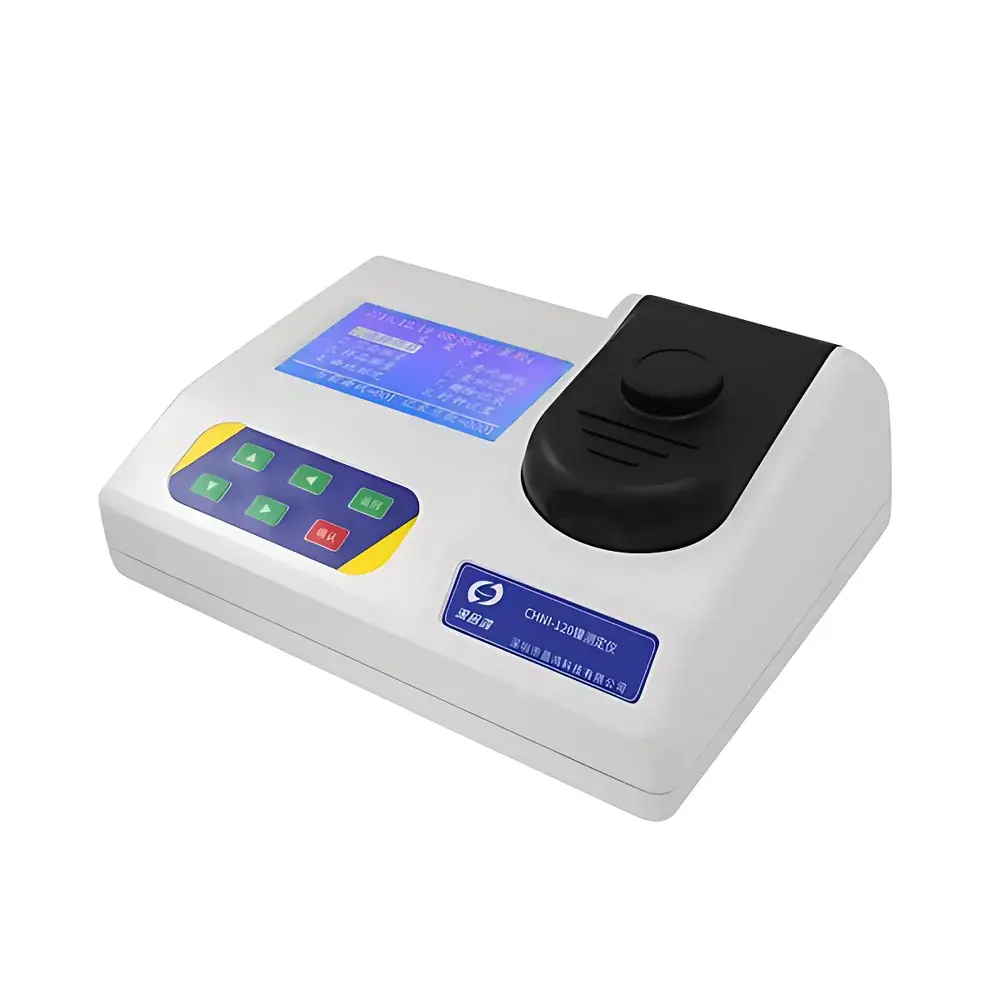
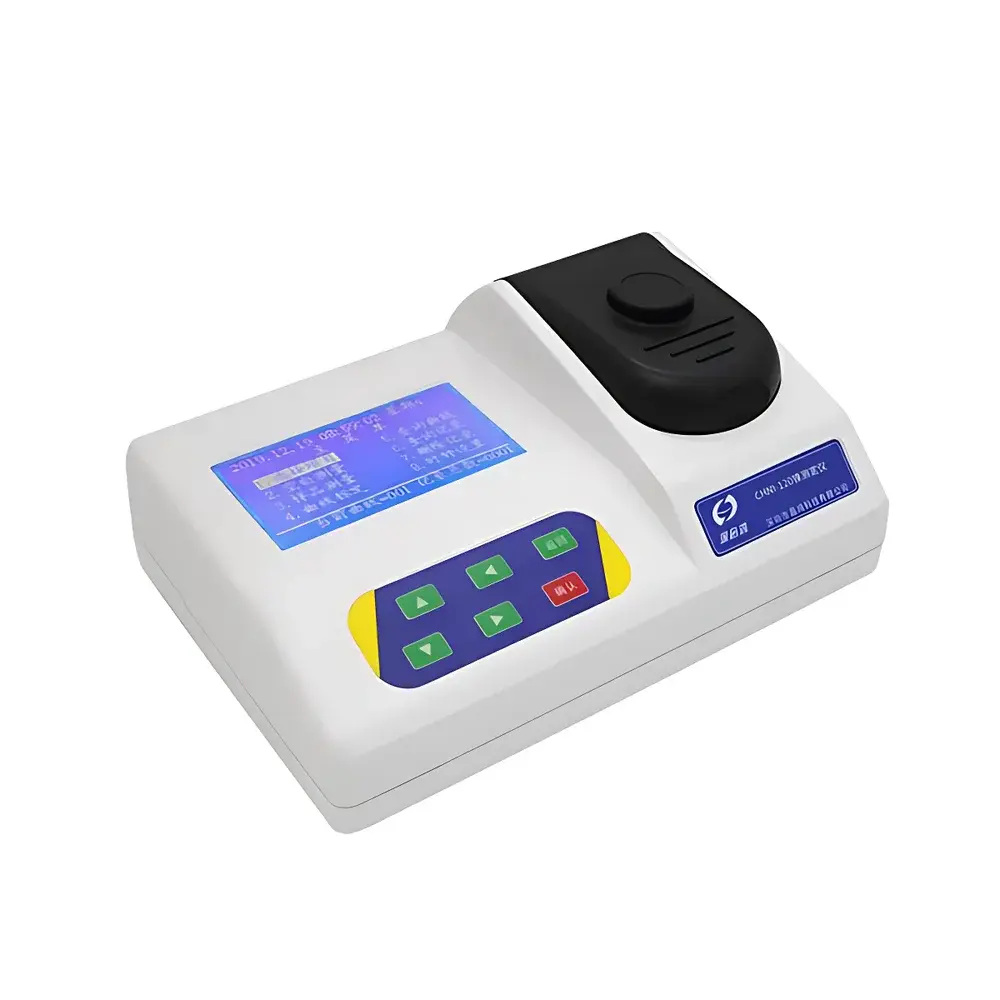
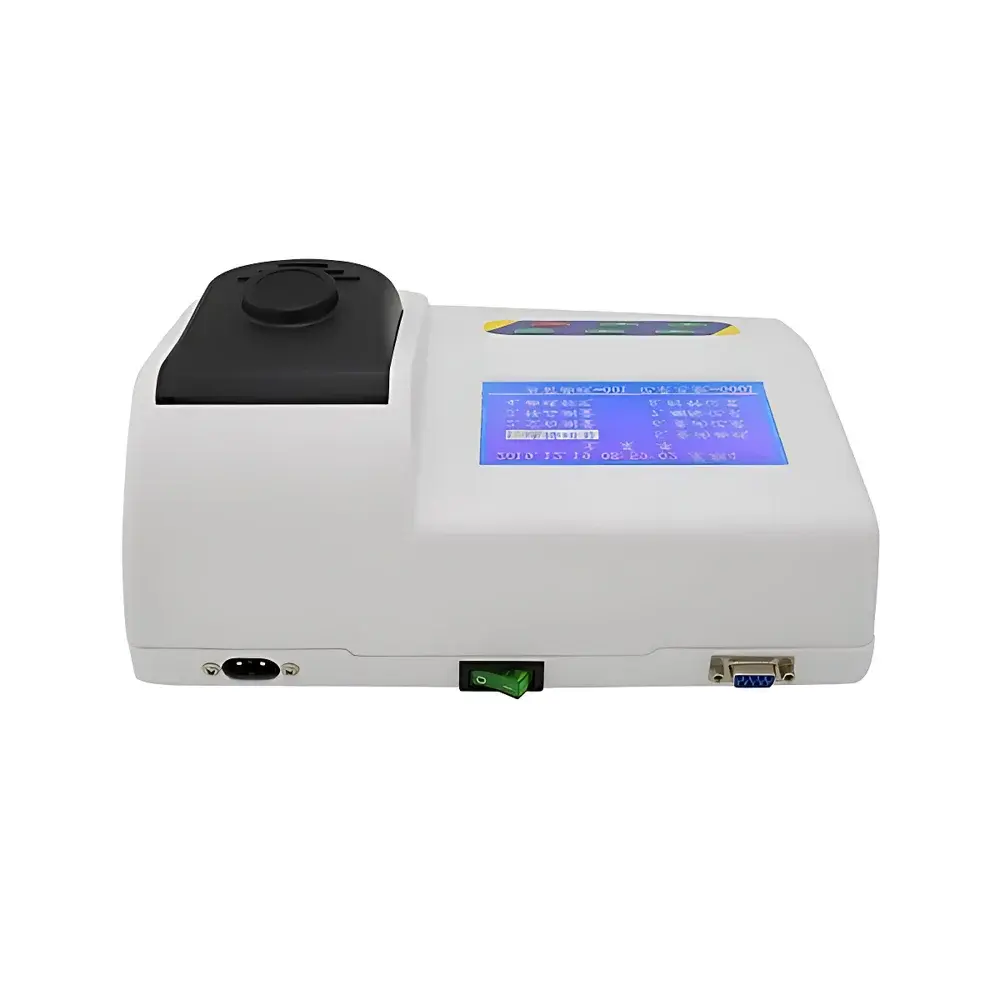
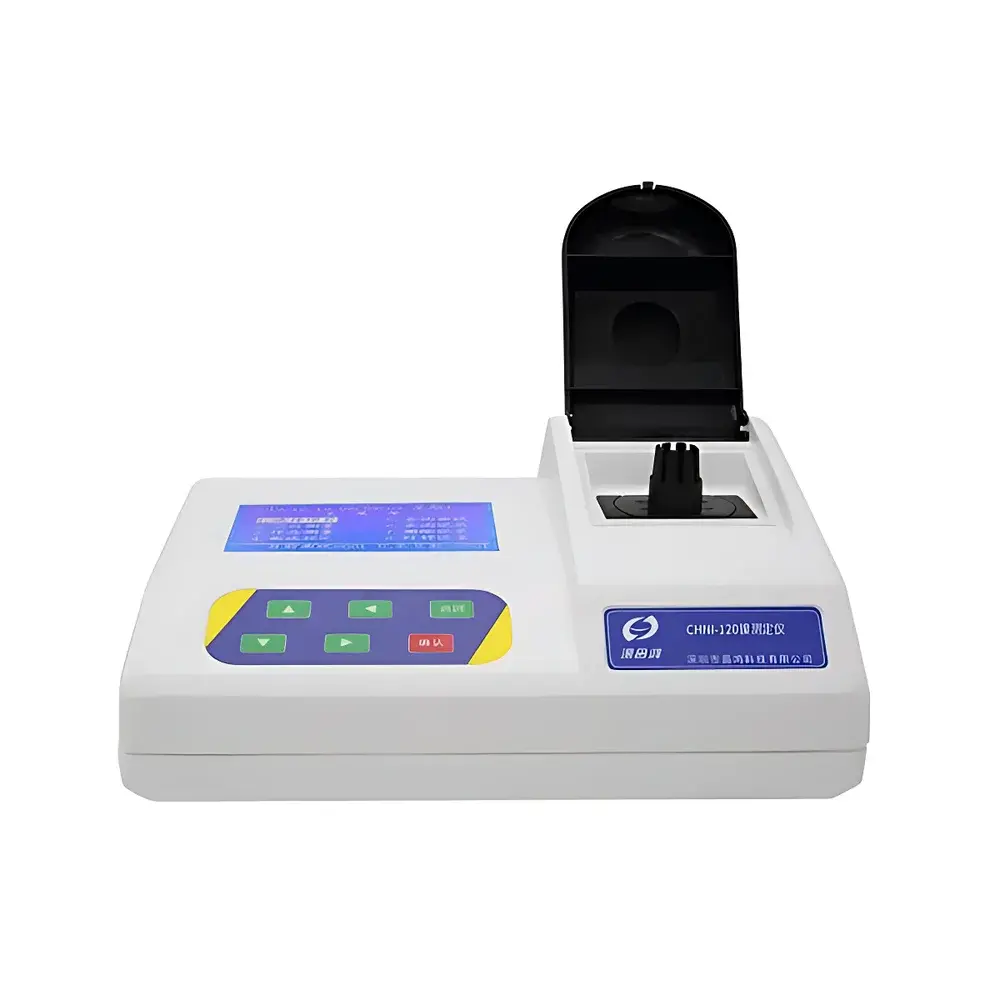
Shenchanghong CHNI-120 Benchtop Nickel Analyzer
| Brand | Shenchanghong |
|---|---|
| Origin | Guangdong, China |
| Manufacturer Type | Direct Manufacturer |
| Origin Category | Domestic (China) |
| Model | CHNI-120 |
| Instrument Type | Benchtop Laboratory Analyzer |
| Detection Principle | Photometric Method (Visible Spectrophotometry) |
| Target Analyte | Nickel (Ni²⁺) |
| Analysis Time | 20 min |
| Accuracy | ≤ ±5% for water samples |
| Precision (RSD) | ≤ 3% |
| Resolution | 0.01 mg/L |
| Measurement Range | 0.02–1.00 mg/L Ni |
| Optical Drift | < 0.002 A over 20 min |
| Dimensions (W×D×H) | 266 × 200 × 130 mm |
| Weight | < 1 kg |
| Operating Temperature | 5–40 °C |
| Relative Humidity | ≤ 85% |
| Power Supply | AC 220 V ± 10%, 50 Hz ± 0.5 Hz |
| Environmental Requirements | Low vibration, minimal electromagnetic interference, no direct sunlight |
Overview
The Shenchanghong CHNI-120 Benchtop Nickel Analyzer is a dedicated photometric instrument engineered for quantitative determination of dissolved nickel (Ni²⁺) in aqueous matrices using standardized visible-light spectrophotometry. It operates on the principle of colorimetric complexation—where nickel ions react with a specific chromogenic reagent (e.g., dimethylglyoxime or its derivatives) under controlled pH to form a stable, light-absorbing complex. Absorbance is measured at a defined wavelength (typically 530–550 nm), and concentration is calculated via Beer–Lambert law using pre-calibrated or user-defined calibration curves. Designed exclusively for laboratory-based environmental water analysis, the CHNI-120 delivers trace-level sensitivity within the regulatory-relevant range of 0.02–1.00 mg/L, supporting compliance-driven workflows in municipal water testing, industrial effluent monitoring, and environmental impact assessment.
Key Features
- Stable single-wavelength cold light source coupled with narrow-band optical filtering, ensuring high photometric repeatability and minimizing baseline drift (< 0.002 A over 20 minutes).
- Integrated 16-bit microcontroller architecture optimized for low-power operation and deterministic data processing—enabling consistent digital conversion of analog absorbance signals.
- Backlit LCD display with full Chinese-language interface and hierarchical menu navigation, facilitating intuitive operation without external software dependency.
- Dual calibration capability: factory-preloaded standard curve plus up to three user-programmable calibration sets, supporting method validation and matrix-specific compensation.
- Chemically resistant ABS polymer housing with reinforced structural design, providing long-term durability in humid or chemically exposed lab environments.
- Compact benchtop footprint (266 × 200 × 130 mm) and sub-kilogram mass (< 1 kg), enabling flexible placement in QA/QC labs, field-deployable mobile laboratories, or teaching facilities.
Sample Compatibility & Compliance
The CHNI-120 is validated for use with clarified, non-turbid water samples—including potable water, surface water, groundwater, wastewater, and industrial process effluents—provided they meet standard pretreatment requirements (e.g., filtration ≤ 0.45 µm, acid digestion for total nickel where applicable). While not certified to ISO/IEC 17025 as a standalone system, its photometric methodology aligns with established reference protocols including EPA Method 200.7 (ICP-OES) for method correlation and ASTM D1688 / ISO 8575 for nickel in water by colorimetry. Data integrity is supported through onboard timestamped result storage (up to 500 records), manual entry of sample IDs, and audit-ready calibration logs—all essential for GLP-aligned environmental testing programs.
Software & Data Management
The analyzer functions autonomously without PC connectivity; all operations—including measurement initiation, calibration execution, and result display—are handled internally. Measured nickel concentrations (mg/L) are shown directly on the LCD with 0.01 mg/L resolution, alongside real-time absorbance values and calibration status indicators. Stored results retain date/time stamps and associated calibration identifiers, enabling traceability during internal quality reviews. For integration into LIMS or centralized reporting systems, users may manually transcribe data or employ optional RS-232 serial output (available upon request with accessory cable)—though native USB or Ethernet interfaces are not included. All firmware logic adheres to deterministic state-machine architecture, eliminating runtime exceptions and ensuring reproducible instrument behavior across power cycles.
Applications
- Regulatory compliance monitoring of nickel discharge limits per national standards (e.g., China’s GB 8978-1996, EU Directive 2008/105/EC, US EPA Effluent Guidelines).
- Routine QC testing in drinking water treatment plants to verify post-filtration nickel removal efficiency.
- Environmental site assessments involving plating facilities, battery manufacturing, or alloy production where nickel leaching risk is elevated.
- Educational laboratories conducting undergraduate analytical chemistry experiments on transition metal quantification and spectrophotometric method development.
- Third-party environmental testing labs performing batch analysis of client-submitted water specimens under contract testing agreements.
FAQ
What sample preparation is required prior to analysis?
Samples must be filtered through a 0.45 µm membrane filter to remove suspended solids. For total nickel determination (including particulate-bound fraction), acid digestion (e.g., HNO₃/HF microwave-assisted) is required prior to analysis—this instrument measures only dissolved or acid-soluble nickel.
Can the CHNI-120 measure other metals besides nickel?
No. The optical path, reagent formulation, and calibration algorithm are specifically optimized for Ni²⁺ detection. Cross-reactivity with cobalt or palladium may occur but is not quantified or compensated; dedicated analyzers are recommended for multi-element screening.
Is the instrument compliant with FDA 21 CFR Part 11 or similar electronic record requirements?
The CHNI-120 does not support electronic signature, audit trail encryption, or role-based access control. Its data storage meets basic GLP documentation needs but does not fulfill full Part 11 compliance—supplementary procedural controls (e.g., handwritten logbooks, dual-operator verification) are advised for regulated pharmaceutical or clinical environmental testing.
How often should calibration verification be performed?
Daily calibration verification using a mid-range standard (e.g., 0.50 mg/L Ni) is recommended before initiating sample batches. Full multi-point calibration should be repeated weekly or after reagent lot changes, following documented SOPs aligned with ISO/IEC 17025 Clause 7.7.
Does the instrument include reagents or consumables?
No. Reagents—including nickel-specific chromogen, buffer solutions, and standard reference materials—must be procured separately. Shenchanghong provides compatibility specifications and recommended suppliers upon request.
Related Products







