
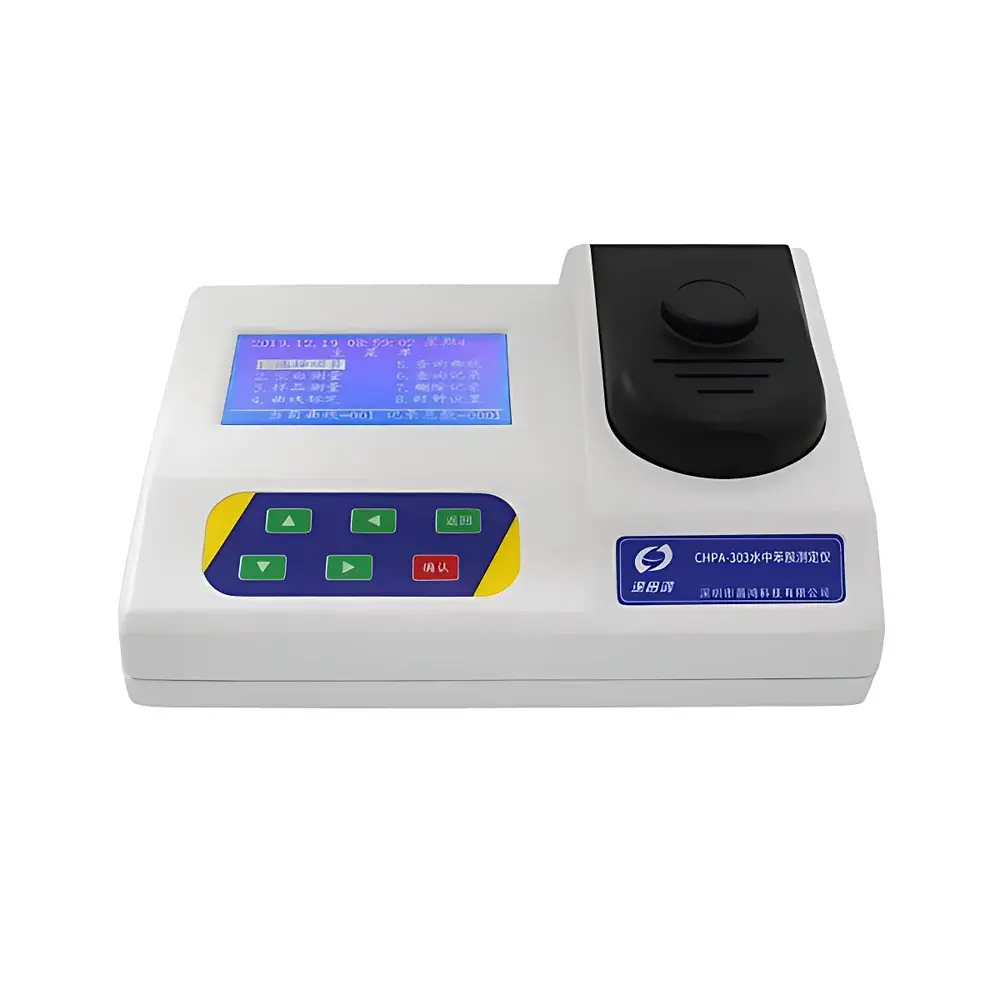
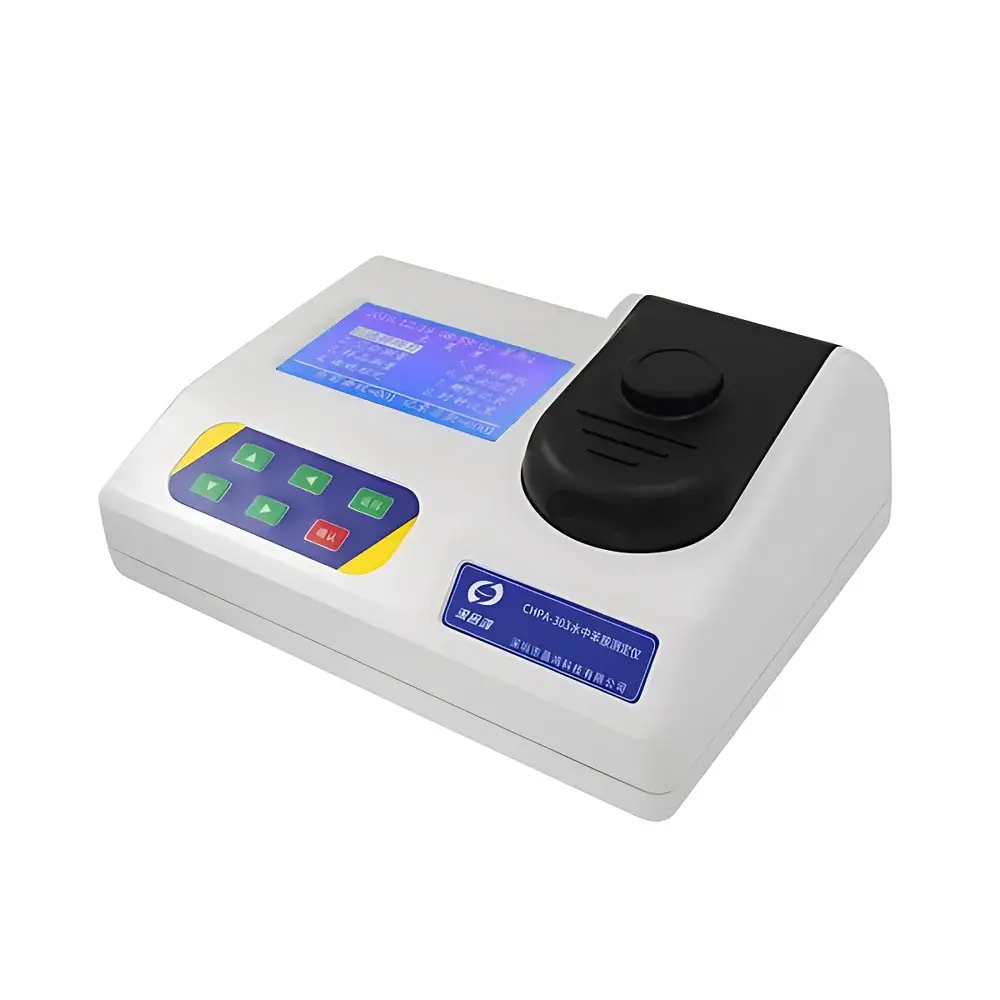
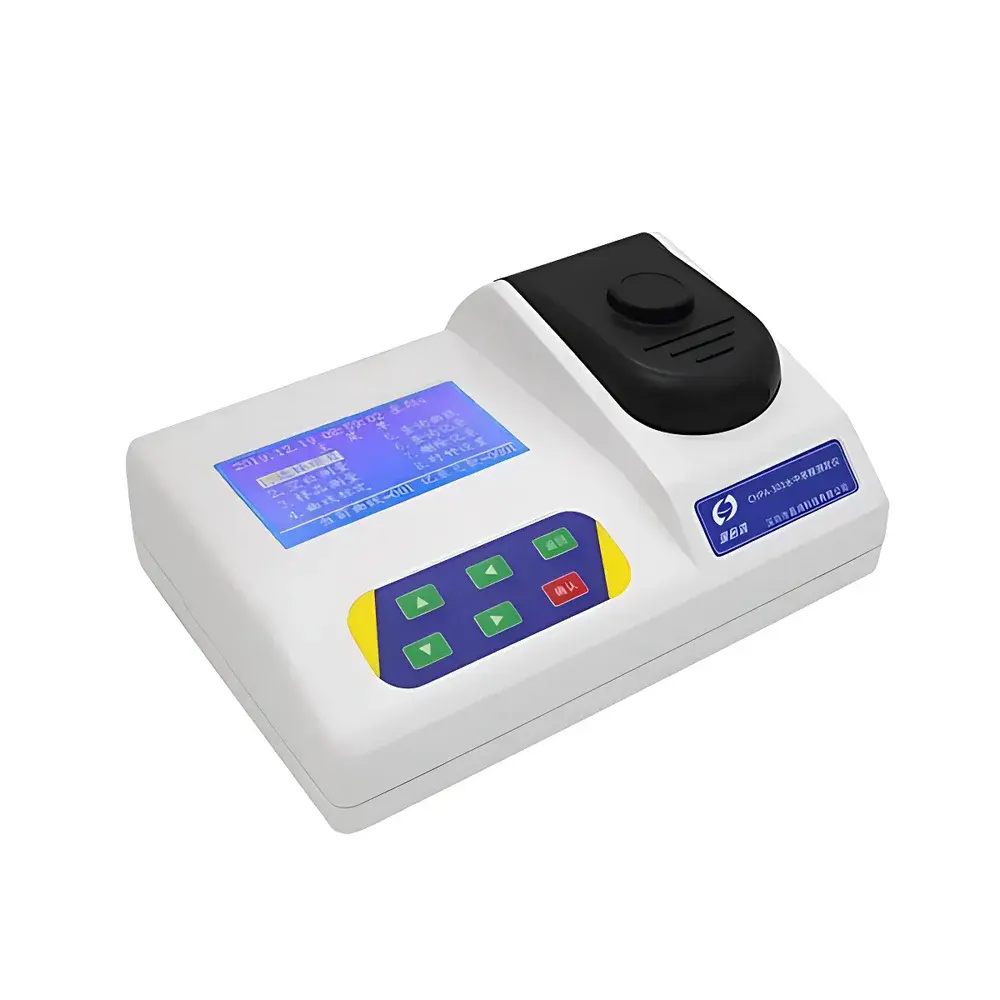
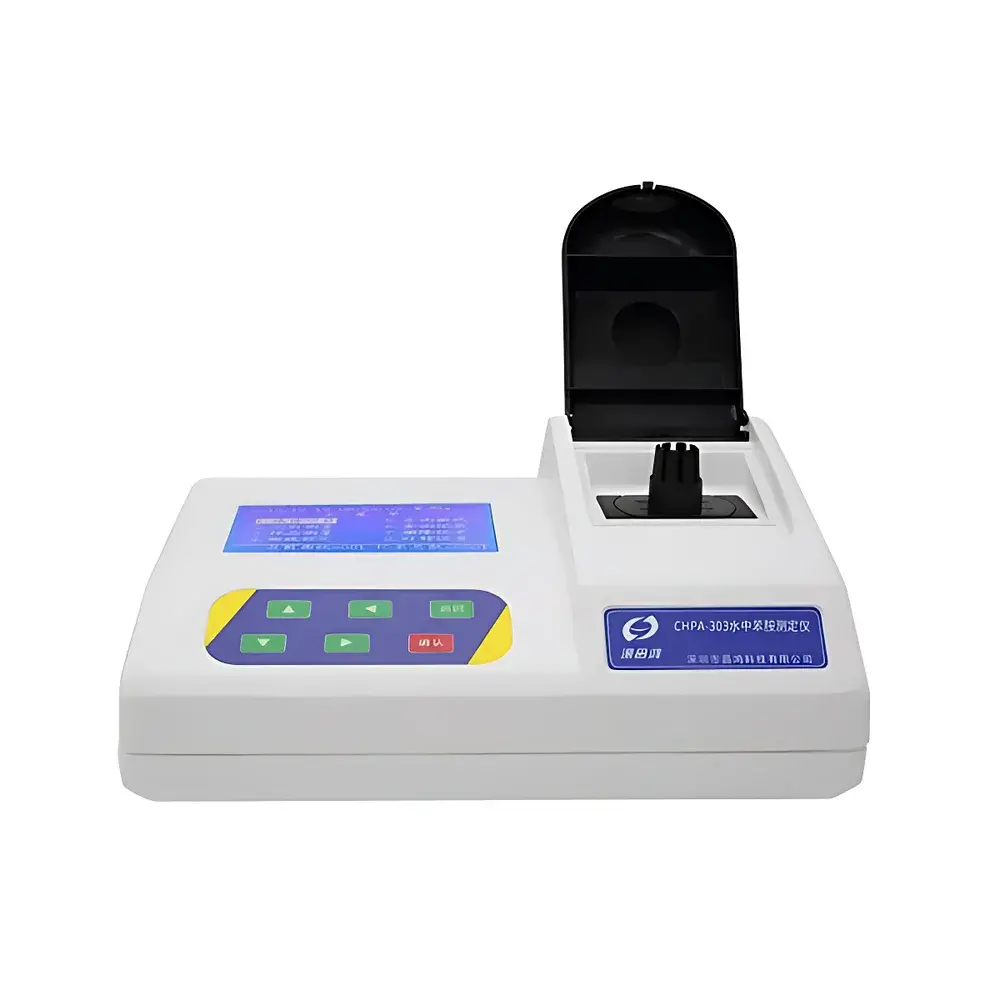
Shenchanghong CHPA-303 Aniline-in-Water Analyzer
| Brand | Shenchanghong |
|---|---|
| Origin | Guangdong, China |
| Manufacturer Type | Direct Manufacturer |
| Country of Origin | China |
| Model | CHPA-303 |
| Instrument Type | Benchtop Laboratory Water Quality Analyzer |
| Target Analyte | Aniline in Water |
| Measurement Range | 0.03–5.00 mg/L (dilution applicable for higher concentrations) |
| Resolution | 0.01 mg/L |
| Accuracy | ≤5% of Full Scale |
| Repeatability | ≤3% RSD |
| Optical Stability | ≤0.002 A/20 min |
| Dimensions (H×W×D) | 130 mm × 266 mm × 200 mm |
| Power Consumption | 30 W |
| Weight | <1 kg |
| Light Source | High-brightness, narrow-band cold LED (rated lifetime: 100,000 h) |
| Display | Backlit LCD with Chinese interface |
| Data Storage | Onboard memory for measurement records |
| Calibration Options | Factory-preloaded calibration curve + user-definable curves |
| Housing Material | Corrosion-resistant molded ABS |
Overview
The Shenchanghong CHPA-303 Aniline-in-Water Analyzer is a dedicated benchtop photometric instrument engineered for the quantitative determination of aniline concentration in aqueous matrices using the N-(1-naphthyl)ethylenediamine dihydrochloride (NED) colorimetric method—commonly referenced in standard environmental testing protocols such as HJ 648-2013 (Chinese EPA Method for Aniline in Water). The analyzer operates on the principle of visible-light absorbance spectroscopy at a fixed wavelength (typically ~540 nm), where aniline reacts under acidic conditions with sulfanilamide and NED to form a stable pink-red azo dye. Absorbance intensity is linearly proportional to aniline concentration within the validated range of 0.03–5.00 mg/L. Designed for routine laboratory use, the CHPA-303 integrates a thermally stabilized, narrow-band cold LED light source and precision optical filtering to minimize spectral interference from turbidity, colored organics, or ambient light—ensuring high reproducibility and low baseline drift (<0.002 A over 20 minutes).
Key Features
- Optical system based on a long-life (100,000-hour rated), high-intensity cold LED source coupled with interference-filter optics—eliminating lamp warm-up time and reducing photometric drift.
- Microprocessor-controlled data acquisition and calculation engine with 16-bit analog-to-digital conversion, enabling accurate concentration readout directly in mg/L without manual interpolation.
- Backlit monochrome LCD display with full Chinese-language menu navigation—designed for intuitive operation by technicians with varying levels of instrumentation experience.
- Onboard data storage supporting recall of historical measurements; supports both factory-loaded calibration curves and up to three user-defined calibration sets for method flexibility.
- Rugged housing fabricated from molded ABS polymer with enhanced resistance to chemical splashes, humidity, and mechanical abrasion—suitable for shared lab environments and field-deployable lab setups.
- Low thermal load design (30 W max power draw) and compact footprint (266 × 200 × 130 mm) enable integration into fume hoods, laminar flow cabinets, or mobile environmental testing carts.
Sample Compatibility & Compliance
The CHPA-303 is validated for use with clarified, filtered water samples—including potable water, surface water, groundwater, municipal wastewater, and industrial effluents—provided they meet standard pretreatment requirements (e.g., centrifugation or membrane filtration to remove suspended solids >1 µm). It complies with core quality assurance expectations for Class II environmental testing laboratories per CNAS-CL01:2018 (equivalent to ISO/IEC 17025). While not certified to ISO 9001 or CE for EU market placement, its optical architecture and repeatability performance (≤3% RSD) align with internal QA/QC benchmarks used in GLP-conforming water analysis workflows. For regulatory reporting, users must validate method performance per local requirements (e.g., spike recovery, reagent blank control, and matrix-matched calibration) prior to sample batch analysis.
Software & Data Management
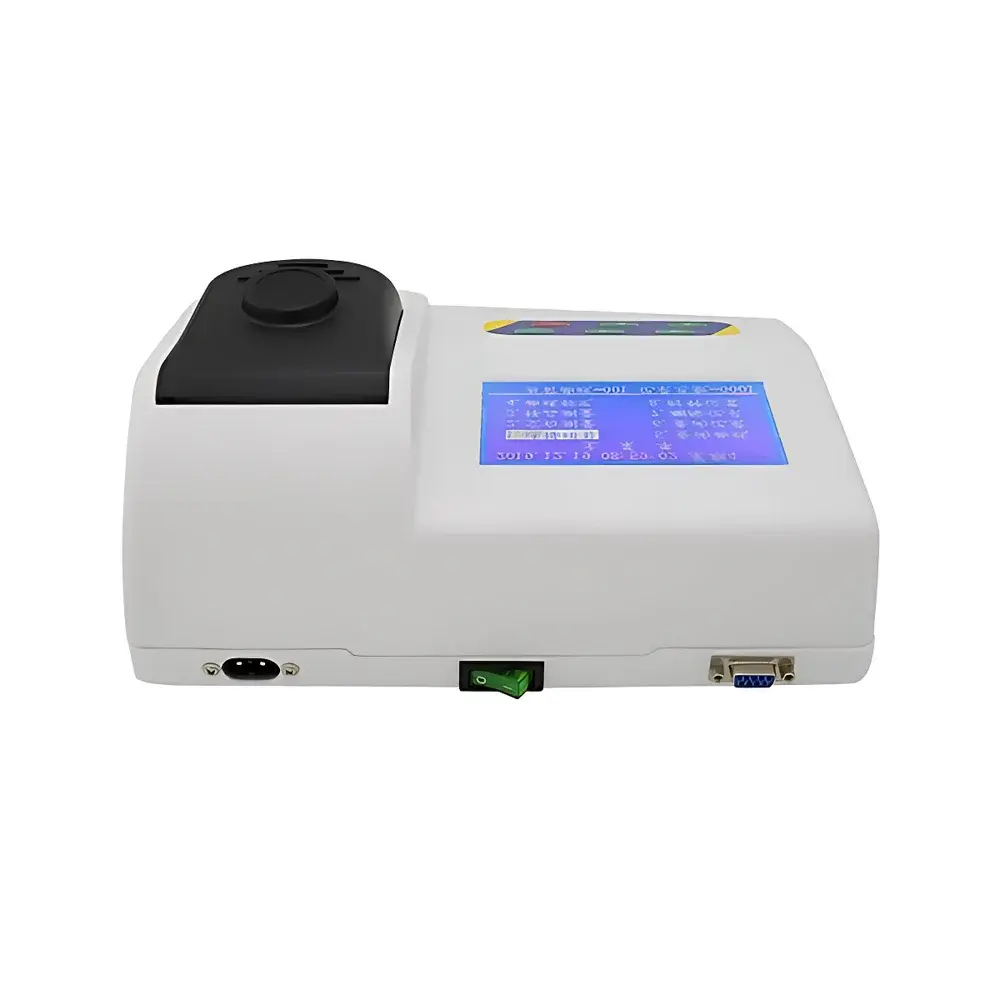
The CHPA-303 operates autonomously without external PC connectivity; all calibration, measurement, and data logging functions are managed internally via embedded firmware. Measurement records—including date/time stamp, sample ID (user-entered), absorbance value, and calculated concentration—are retained in non-volatile memory for up to 500 entries. No proprietary software or drivers are required. Export functionality is not integrated; however, results can be manually transcribed or documented via laboratory notebook systems compliant with 21 CFR Part 11 if paired with controlled electronic record procedures. Firmware updates are not field-upgradable—maintenance is limited to optical alignment verification, cuvette cleaning protocol adherence, and periodic revalidation against NIST-traceable aniline standards.
Applications
- Regulatory compliance monitoring of aniline discharge limits in industrial wastewater (e.g., dye, pharmaceutical, and rubber manufacturing effluents).
- Routine screening of drinking water sources following accidental spills or upstream contamination events.
- Research-level quantification of aniline degradation kinetics in bioremediation or advanced oxidation process (AOP) studies.
- Educational laboratory instruction for analytical chemistry courses covering spectrophotometric assay development and validation.
- Field-laboratory support for environmental emergency response teams requiring rapid, on-site aniline assessment with minimal infrastructure dependency.
FAQ
What sample preparation steps are required before analysis?
Samples must be free of particulates (filtered through 0.45 µm membrane), adjusted to pH 3.0–3.5 with dilute HCl, and brought to room temperature. Turbid or highly colored samples may require pre-distillation or solid-phase extraction to avoid interferences.
Can the CHPA-303 measure other aromatic amines?
No—it is specifically optimized for aniline via the diazotization-coupling reaction. Other primary aromatic amines (e.g., toluidines, benzidine) may produce cross-reactivity and are not supported under this method configuration.
Is the instrument compatible with international calibration standards?
Yes—calibration is traceable to aniline reference materials certified to ISO Guide 34 and ISO/IEC 17025, including those supplied by AccuStandard or Sigma-Aldrich (Cat. No. 67-62-9). Users must prepare fresh working standards daily due to aniline’s volatility and oxidation sensitivity.
How often should optical path verification be performed?
A blank absorbance check using deionized water should be conducted before each analytical session. Full optical alignment verification is recommended annually or after physical impact, per the manufacturer’s service manual.
Does the device support multi-point calibration curves?
Yes—up to three independent linear calibration curves (slope/intercept) can be stored and selected via menu navigation, allowing method-specific optimization for different sample matrices.







