
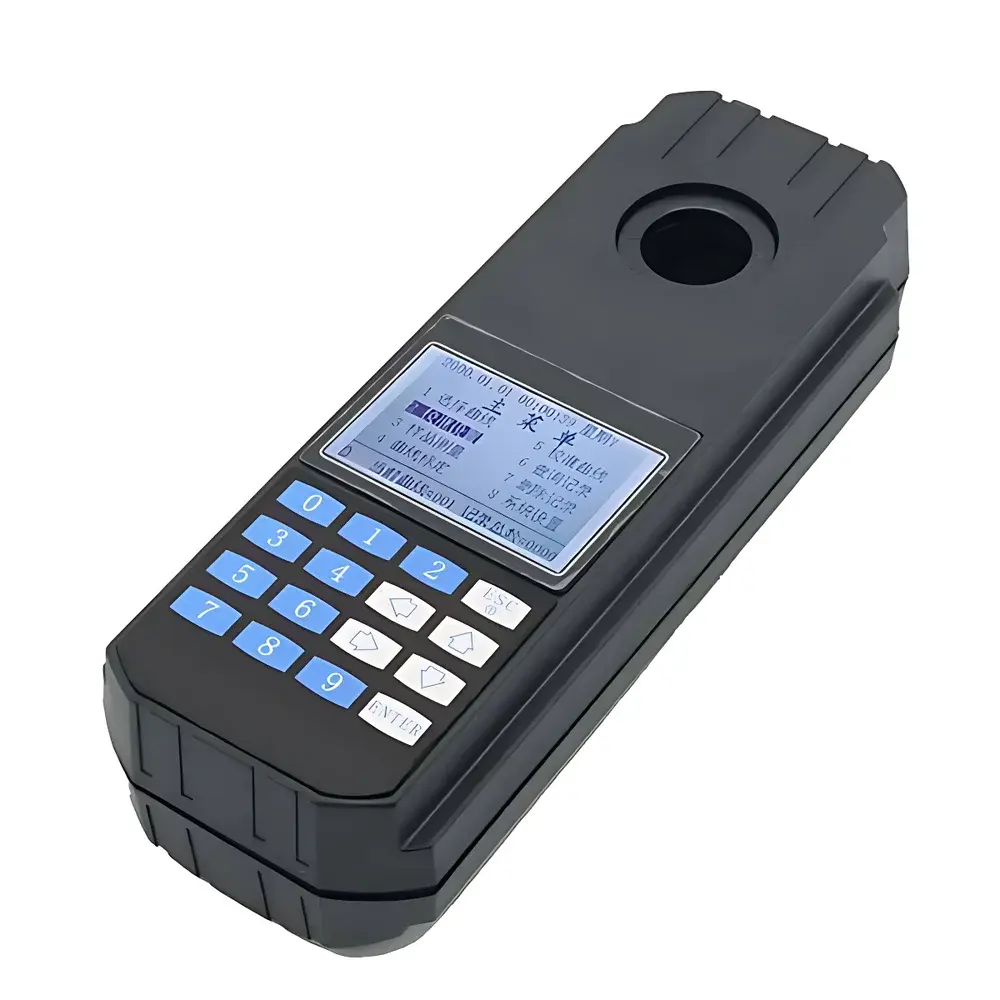
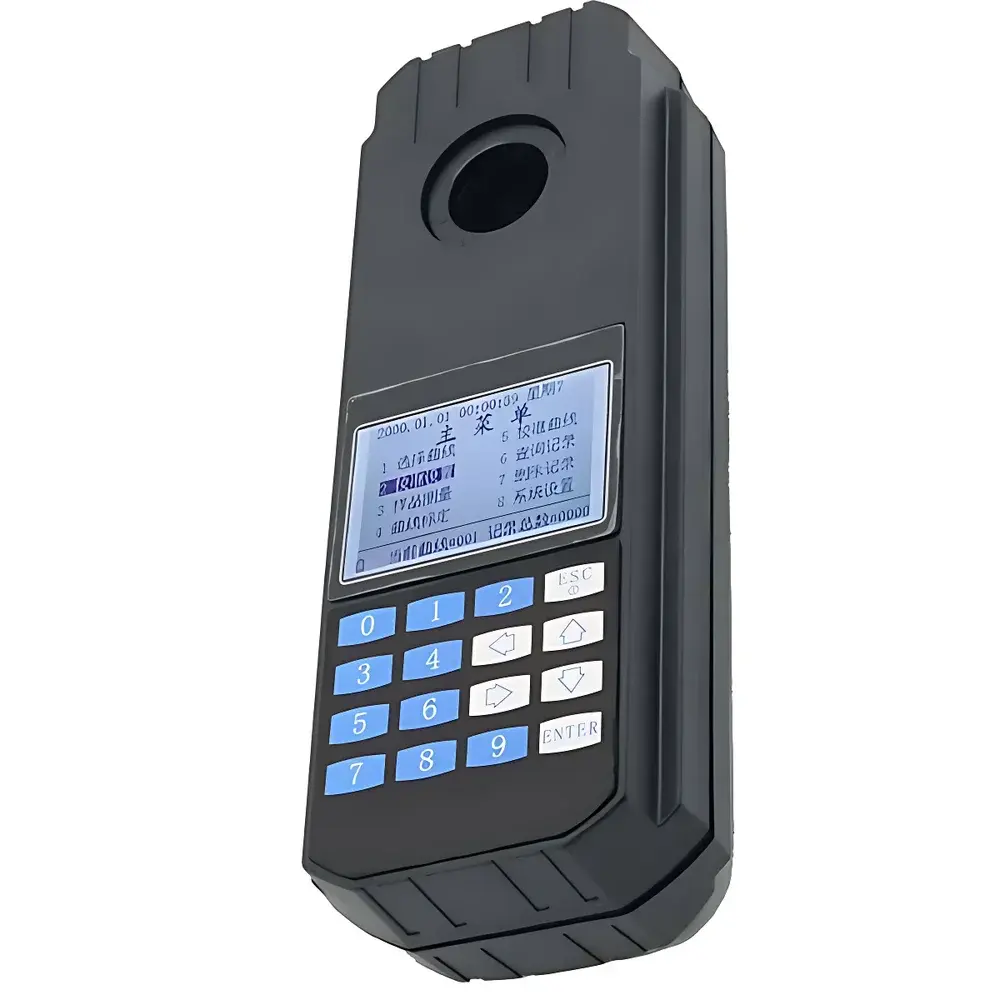
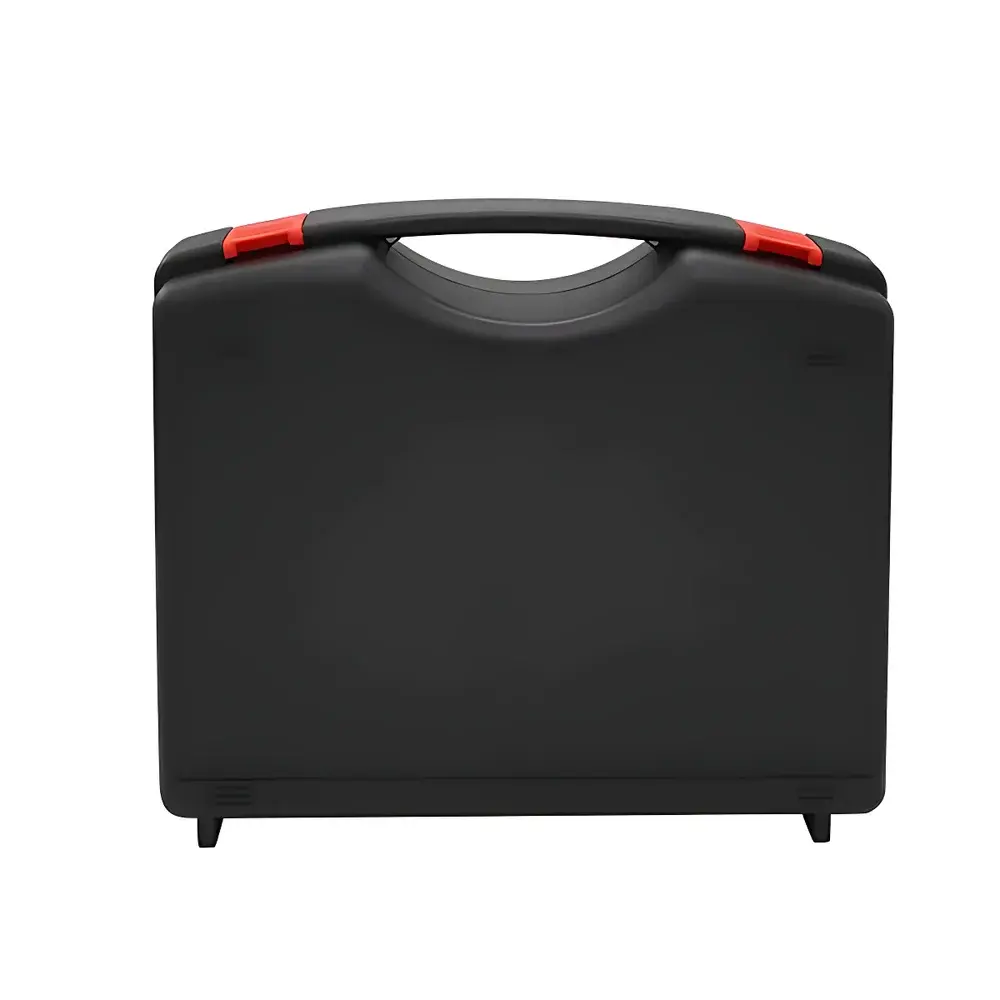
Shenchanghong PCHHG-178 Portable Mercury Analyzer
| Brand | Shenchanghong |
|---|---|
| Origin | Shenzhen, China |
| Manufacturer Type | Direct Manufacturer |
| Product Origin | Domestic (China) |
| Model | PCHHG-178 |
| Instrument Type | Portable |
| Detection Principle | Photometric Method (Cold Light Source + Narrow-Band Interference Optical System) |
| Target Analyte | Mercury (Hg) |
| Analysis Time | 20 min |
| Accuracy | ≤ ±5% |
| Repeatability | ≤ 3% |
| Resolution | 0.002 mg/L |
| Measurement Range | 0.002–0.50 mg/L |
| Optical Drift | < 0.002 A within 20 min |
| Dimensions | 80 × 230 × 55 mm |
| Weight | 500 g |
| Power Supply | 4 × AA batteries |
| Operating Temperature | 5–40 °C |
| Relative Humidity | ≤ 85% RH |
| Protection Rating | IP65 |
| Data Storage | 20 calibration curves + 199 timestamped measurement records (including absorbance, transmittance, and concentration with yyyy-mm-dd hh:mm:ss) |
Overview
The Shenchanghong PCHHG-178 Portable Mercury Analyzer is a field-deployable photometric instrument engineered for rapid, on-site quantification of total mercury (Hg) in aqueous environmental samples. It operates on the principle of cold-light photometry—employing a monochromatic, stable cold light source coupled with a narrow-band interference optical system—to measure absorbance changes induced by mercury-specific colorimetric reactions. This method conforms to standardized spectrophotometric approaches widely referenced in environmental testing protocols, including EPA Method 245.1 (for mercury by cold vapor atomic absorption) and ISO 8692 (water quality — determination of mercury by spectrophotometric techniques), though the PCHHG-178 implements a simplified, reagent-based photometric adaptation suitable for routine screening rather than trace-level speciation. Designed for operational simplicity and environmental resilience, the analyzer delivers reliable results in under 20 minutes without requiring laboratory infrastructure, making it ideal for regulatory field surveys, emergency response, and decentralized water quality monitoring programs.
Key Features
- Compact, handheld form factor (80 × 230 × 55 mm; 500 g) with IP65-rated ABS housing—resistant to dust, water ingress, and chemical splashes during field use.
- Low-power 16-bit microcontroller architecture enabling extended battery life (up to 10,000 measurements per set of 4 AA batteries under typical usage).
- High-contrast LCD display with intuitive menu navigation and real-time visualization of absorbance, transmittance, and calculated Hg concentration (mg/L).
- Integrated data management: stores up to 20 user-defined calibration curves and 199 timestamped measurement records—including date, time, absorbance, transmittance, and final concentration—with automatic data retention during power loss.
- Optical stability certified: absorbance drift < 0.002 A over 20 minutes, ensuring consistent baseline integrity across sequential analyses.
- Pre-configured reagent kit included—optimized for mercury-dithizone complex formation—minimizing operator error and inter-lot variability.
Sample Compatibility & Compliance
The PCHHG-178 is validated for use with raw and treated water matrices, including drinking water, surface water, groundwater, municipal wastewater, and industrial effluents (subject to appropriate sample pretreatment such as acid digestion or filtration where particulate-bound mercury is suspected). While not a certified reference method per ISO/IEC 17025, its performance specifications align with QC requirements outlined in national standards GB/T 5750.6-2023 (Standard Methods for Examination of Drinking Water – Metals) and HJ 694-2014 (Environmental Monitoring Technical Specification for Mercury in Water by Cold Vapor Atomic Absorption Spectrophotometry), particularly for screening-level compliance verification. The instrument supports GLP-aligned workflows through timestamped data logging and non-editable record storage—facilitating audit readiness for internal quality assurance and regulatory reporting.
Software & Data Management
No external software or PC interface is required for basic operation; all calibration, measurement, and data review occur onboard. Calibration curves may be generated using standard Hg solutions (e.g., 0.002, 0.05, 0.10, 0.25, 0.50 mg/L) and stored directly in device memory. Measurement records include full metadata: year-month-day hour-minute-second timestamps, raw optical readings (absorbance/transmittance), and final concentration values. Data export is performed manually via recorded values or optional third-party USB-to-serial adapters (not supplied). The firmware enforces write-once data logging—preventing post-acquisition modification—and includes built-in checksum validation for stored entries, supporting rudimentary 21 CFR Part 11–compatible traceability when paired with documented SOPs.
Applications
- Routine surveillance of mercury levels in municipal water distribution systems and source water intakes.
- Field-based assessment of industrial discharge compliance prior to wastewater release.
- Emergency response to mercury spills or suspected contamination events in rivers, lakes, or aquifers.
- Educational and capacity-building deployments in resource-limited laboratories or community monitoring initiatives.
- Pre-screening tool to prioritize samples for confirmatory analysis via ICP-MS or CV-AAS in central laboratories.
FAQ
What sample pretreatment is required before analysis?
For clear, low-turbidity waters (e.g., drinking water), direct analysis is permissible. For wastewater or turbid surface water, centrifugation or membrane filtration (0.45 µm) is recommended to remove suspended solids that may interfere with color development.
Does the instrument require annual recalibration by the manufacturer?
No factory recalibration is mandated; users perform daily zero and span checks using blank and standard solutions. Annual verification against NIST-traceable mercury standards is advised for QA/QC continuity.
Can the PCHHG-178 quantify methylmercury or other mercury species?
No—it measures total reactive mercury (primarily Hg²⁺) via dithizone complexation. Speciation requires GC-ICP-MS or HPLC-CV-AFS instrumentation.
Is the reagent kit compatible with other photometers?
The reagents are optimized for the PCHHG-178’s optical path length and wavelength specificity (typically 485–495 nm); cross-platform use is not validated and may compromise accuracy.
How is instrument performance verified during field use?
Users should run a mid-range check standard (e.g., 0.10 mg/L Hg) at the start and end of each sampling session; recovery within ±5% confirms ongoing system integrity.







