
Shenkai CFR-A5 Diesel Cetane Number Tester
| Brand | Shenkai |
|---|---|
| Origin | Shanghai, China |
| Model | CFR-A5 |
| Measurement | Diesel Cetane Number (CN) |
| Form Factor | Benchtop |
| Standards Compliance | ASTM D613, ISO 5165, IP 41, GB/T 386 |
| Test Range | 0–100 CN (Typical: 30–85 CN) |
| Compression Ratio Adjustment | 8:1 to 36:1 |
| Engine Speed | 900 ± 9 rpm |
| Injection Timing | 13.0° BTDC ± 0.2° |
| Injector Opening Pressure | 10.30 ± 0.34 MPa |
| Fuel Flow Rate | 13.0 ± 0.2 mL/min |
| Cooling Water Capacity | ≥60 L |
| Power Supply | AC 380 V ±10%, 50 Hz |
| Dimensions (W×D×H) | 1520 × 900 × 1760 mm |
| Net Weight | 1200 kg |
Overview
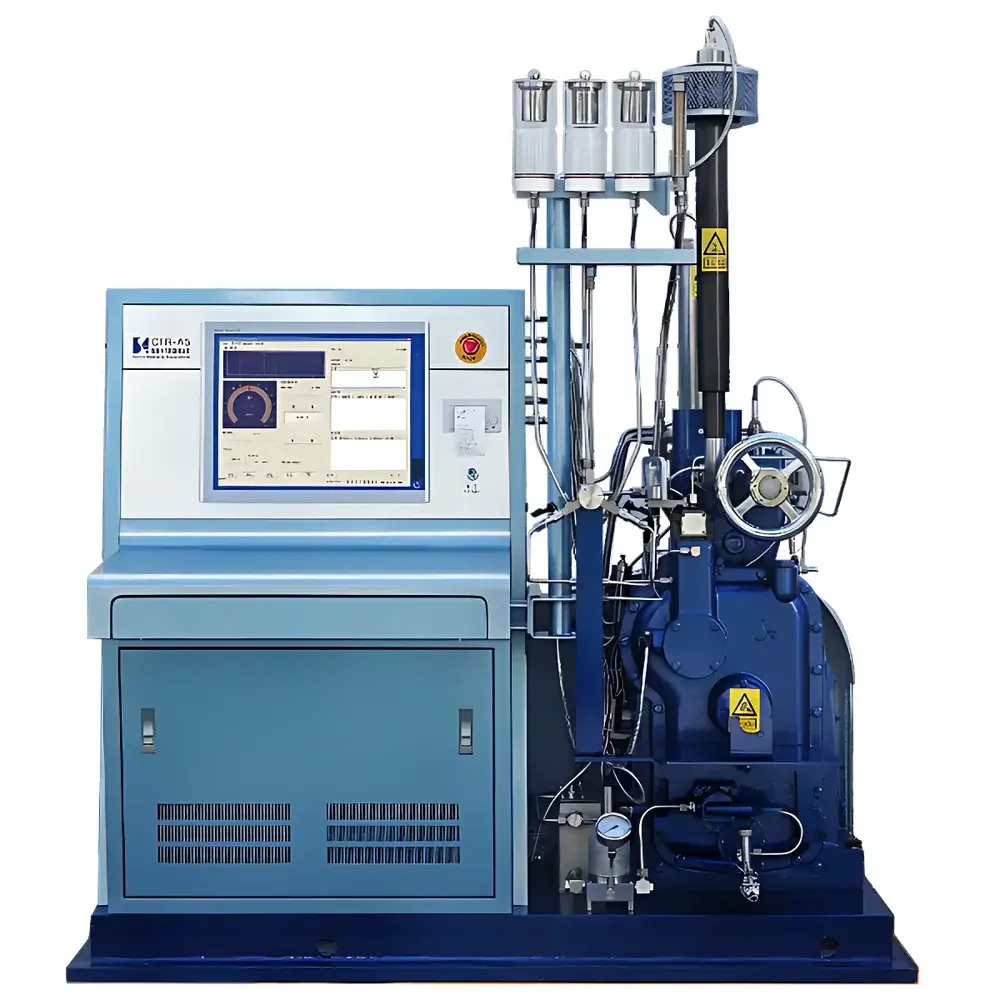
The Shenkai CFR-A5 Diesel Cetane Number Tester is a precision-engineered, benchtop combustion engine-based analyzer designed for the quantitative determination of cetane number (CN) in diesel fuels according to internationally recognized standard test methods. It operates on the fundamental principle of measuring ignition delay—the time interval between fuel injection and the onset of combustion—in a standardized single-cylinder, variable-compression-ratio, direct-injection diesel engine under controlled thermodynamic conditions. This method directly correlates ignition quality with cetane number, providing traceable, reproducible results required for fuel specification compliance, refinery process control, and regulatory reporting. The instrument implements the classical Cooperative Fuel Research (CFR) engine architecture, refined over decades of ASTM D613 and ISO 5165 validation, ensuring metrological integrity across global laboratories.
Key Features
- CFR-standard cast-iron engine block with precision-machined cylinder bore (82.55 mm) and 114.30 mm stroke, delivering consistent combustion chamber geometry and thermal mass stability.
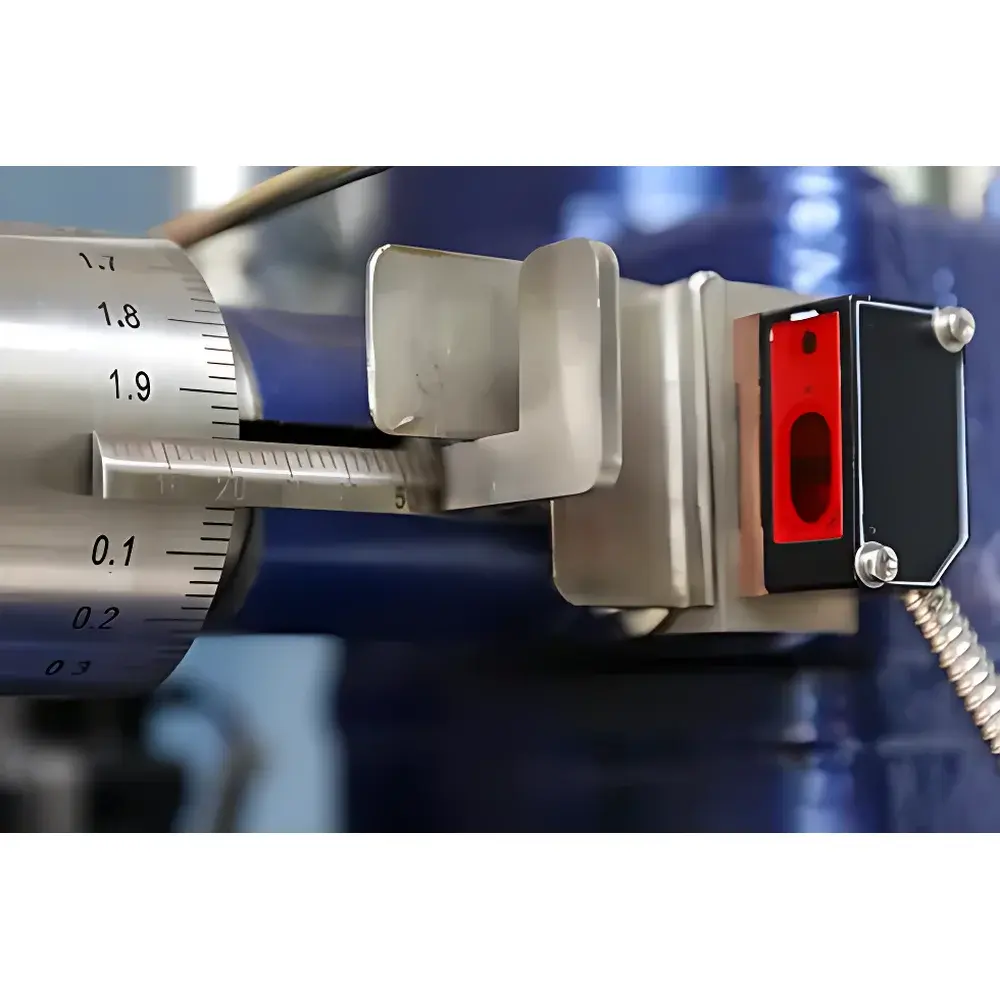
- Manually adjustable compression ratio (8:1 to 36:1) via external handwheel, calibrated with dual-readout system—mechanical scale plus laser displacement sensor—for traceable, repeatable setting verification.
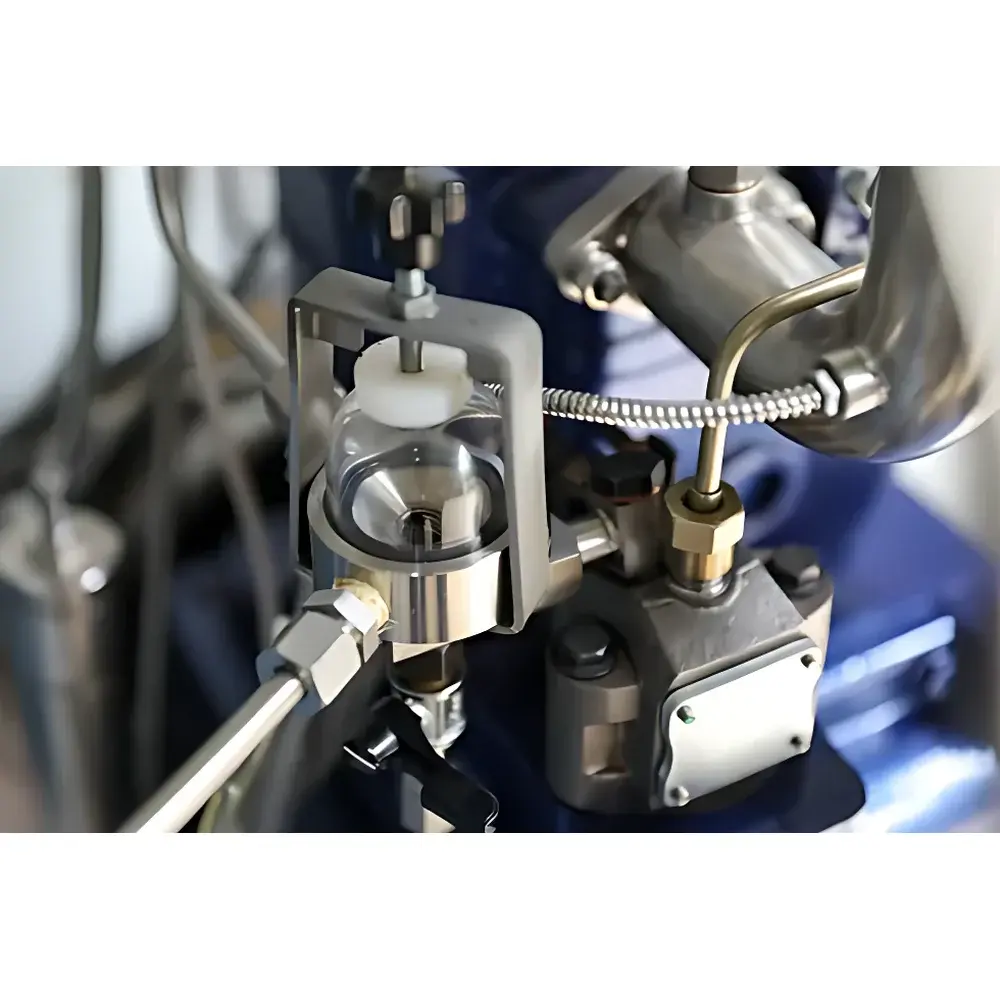
- Computer-controlled injection timing system maintaining 13.0° BTDC ± 0.2° with real-time closed-loop feedback, synchronized with OEM-specification fuel injection pump and OMT-certified nozzle assemblies for compliant atomization.
- Integrated multi-parameter thermal monitoring: coolant (100 ± 2°C), intake air (66 ± 0.5°C), lubricating oil (57 ± 8°C), injector jacket (38 ± 3°C), and fuel temperature—all acquired via calibrated PT100 sensors with 0.1°C resolution.
- Dual-stage oil filtration with auxiliary pre-heating and forced-oil cooling, reducing warm-up time by up to 40% versus conventional systems while maintaining stable oil pressure (172–207 kPa) throughout extended test sequences.
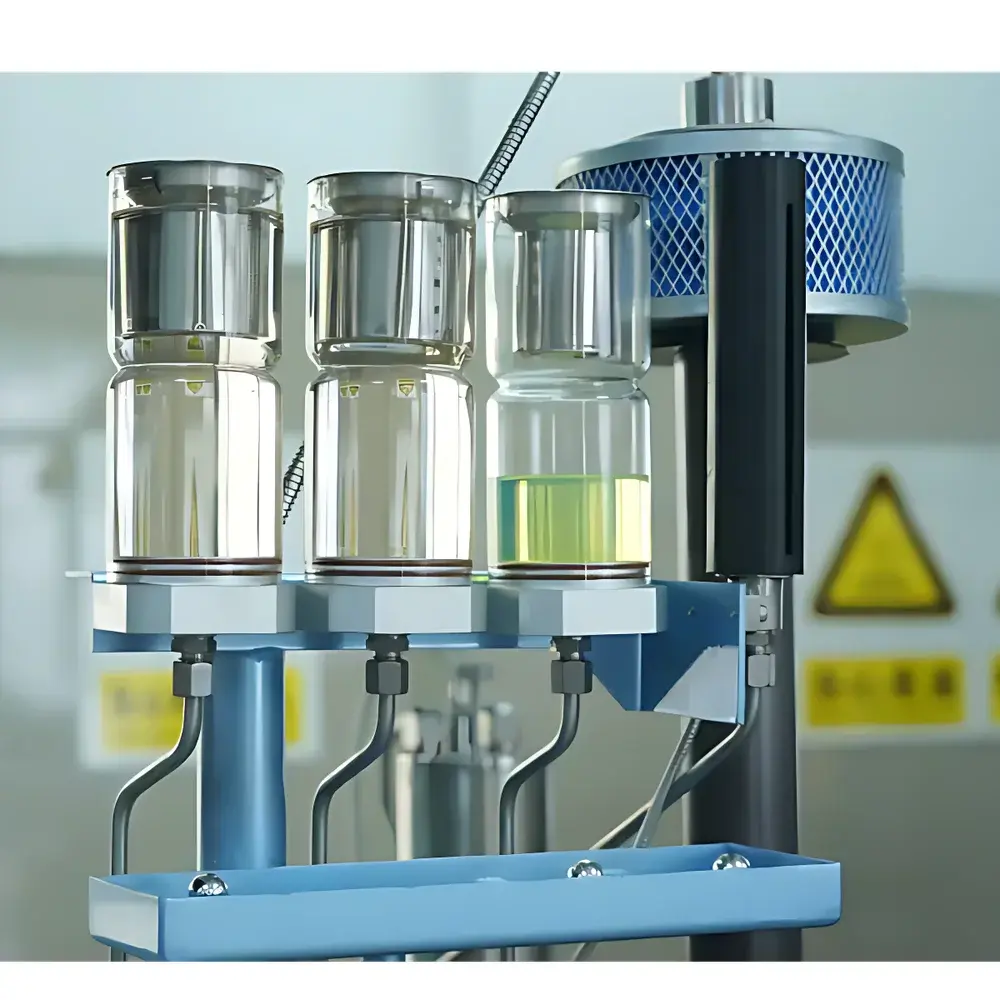
- High-capacity recirculating coolant system (≥60 L reservoir, 0.2–0.4 MPa pressure, 15–25°C operating range) coupled with acoustic damping exhaust silencer and HEPA-grade intake air filtration for laboratory-safe, low-noise operation.
- Real-time combustion curve visualization via embedded oscilloscope-grade data acquisition; automatic calculation of ignition delay, CN interpolation from ASTM D613 reference tables, and digital report generation.
Sample Compatibility & Compliance
The CFR-A5 is validated exclusively for middle-distillate hydrocarbon fuels meeting ASTM D975, EN 590, or GB 19147 specifications. It accommodates neat diesel, biodiesel blends (B5–B20), and synthetic paraffinic fuels—provided they exhibit flash points >55°C and distillation endpoints <360°C. All mechanical and thermodynamic parameters conform strictly to the dimensional, tolerance, and procedural requirements of ASTM D613 (2023 edition), ISO 5165:2021, IP 41, and GB/T 386–2010. The system supports GLP-compliant audit trails: every test logs operator ID, calibration status, ambient conditions (15–35°C, 20–90% RH), and full sensor time-series data with UTC timestamps. Data export adheres to ASTM E1382-compliant CSV format for LIMS integration and satisfies FDA 21 CFR Part 11 requirements when deployed with validated electronic signature modules.
Software & Data Management
Embedded Windows-based control software provides intuitive workflow navigation, real-time parameter dashboards, and automated pass/fail evaluation against user-defined CN limits. All measurements—including crankshaft position, cylinder pressure (via piezoelectric transducer), fuel flow (optical encoder-based), and thermal gradients—are sampled at ≥10 kHz and stored in encrypted binary archives. Raw data files include metadata headers compliant with ASTM E2500-22 for analytical instrument qualification. Reports are exportable in PDF (with digital signature support), CSV, or XML formats; optional OPC UA server enables seamless connection to enterprise MES or SCADA platforms. Audit logs record all configuration changes, calibration events, and user actions with immutable timestamps—fully supporting ISO/IEC 17025 clause 7.7 and EU Annex 11 documentation requirements.
Applications
- Refinery quality assurance: Final product release testing per ASTM D975 and EN 590 cetane minimum requirements (e.g., EN 590: CN ≥ 51).
- Fuel additive evaluation: Quantifying cetane improvement efficacy of alkyl nitrates, di-tert-butyl peroxide, and oxygenated compounds under standardized engine conditions.
- Biodiesel certification: Validating CN performance of FAME and HVO blends prior to EN 14214 or ASTM D6751 submission.
- Research & development: Correlating molecular composition (e.g., n-paraffin content, aromaticity) with ignition behavior via controlled fuel blending studies.
- Regulatory compliance: Generating legally defensible CN data for EPA Renewable Fuel Standard (RFS) reporting and EU RED II sustainability audits.
FAQ
What standards does the CFR-A5 fully comply with?
ASTM D613, ISO 5165:2021, IP 41, and GB/T 386–2010 — including all dimensional tolerances, thermodynamic setpoints, and procedural controls specified therein.
Is remote operation or network integration supported?
Yes — via USB 2.0 host interface and optional Ethernet module; supports TCP/IP-based command protocols and LIMS-compatible data streaming using ASTM E1382 schema.
How is calibration traceability maintained?
Compression ratio, injection timing, and temperature sensors are calibrated annually against NIST-traceable standards; certificate of calibration includes uncertainty budgets per ISO/IEC 17025.
Can the CFR-A5 test low-cetane fuels below 30 CN?
Yes — the full 0–100 CN range is physically achievable; however, ASTM D613 defines 30–85 CN as the statistically validated working range for routine precision and reproducibility.
What maintenance intervals are recommended?
Daily: Oil level and coolant level verification; Weekly: Air filter inspection and injector cleaning; Annually: Full engine rebuild per CFR Service Manual, including cylinder head resurfacing and bearing replacement.
Related Products





