
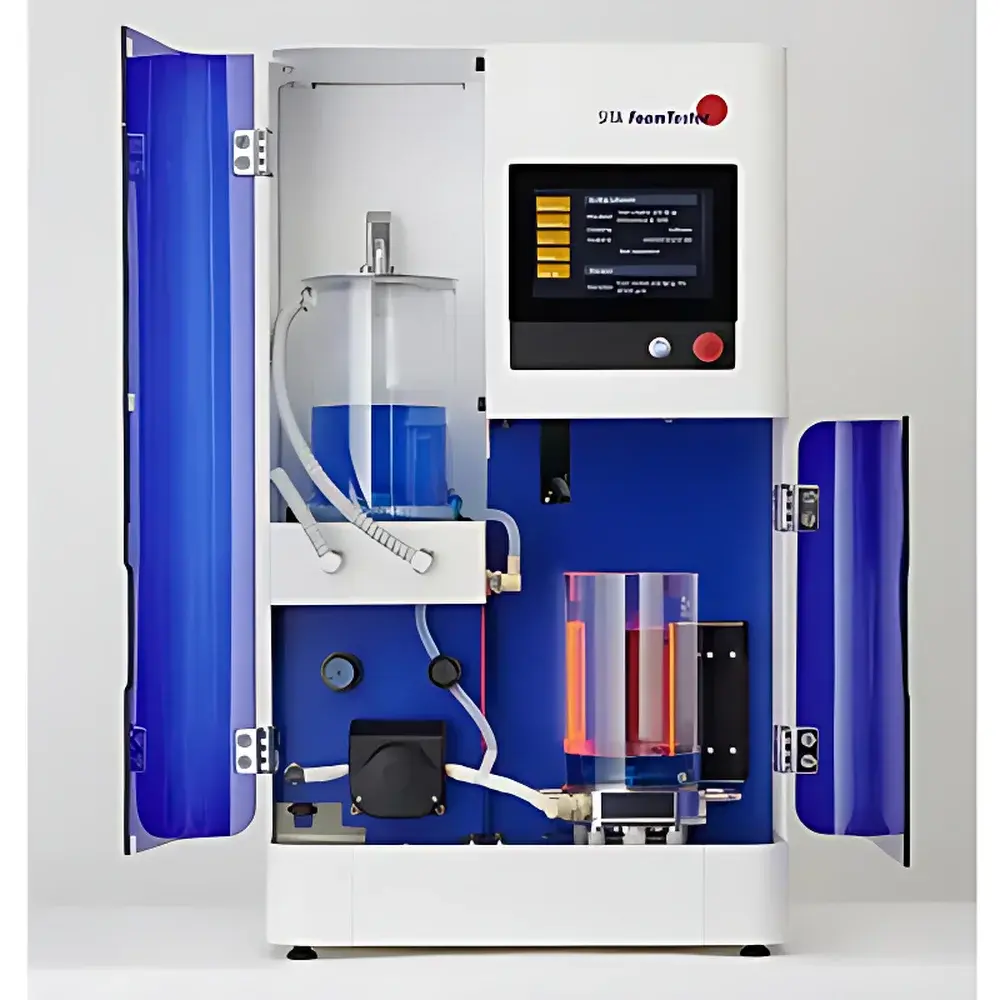
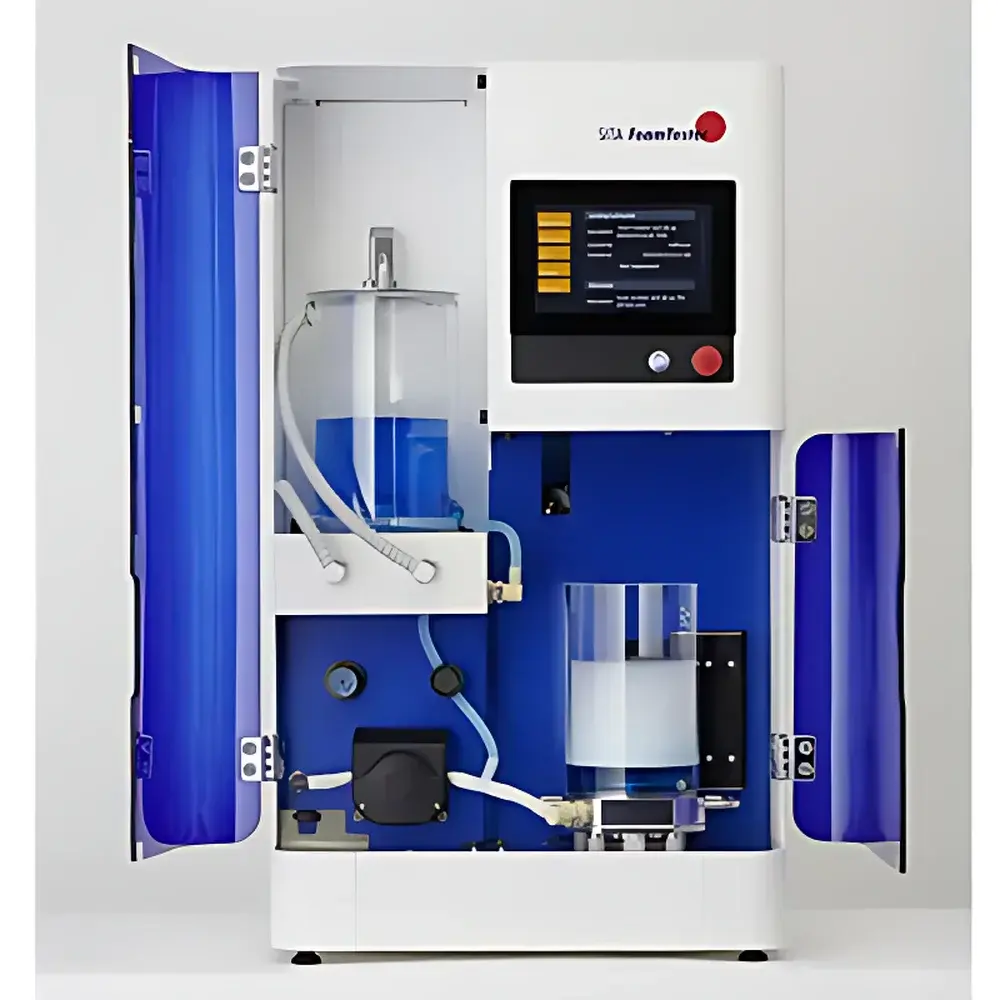
SITA FoamTester R-2000 Automated Foam Analyzer
| Brand | SITA |
|---|---|
| Origin | Germany |
| Model | FoamTester R-2000 |
| Air Intake Control | Patented Rotor System |
| Foam Volume Measurement Range | 0–2000 mL |
| Resolution | 1 mL |
| Agitation Time | 10–600 s (1 s increments) |
| Rotor Speed | 50–2000 rpm |
| Temperature Control | 0–80 °C (via liquid thermostat, ±1 K accuracy) |
| Sample Volume | 250–1500 mL |
| Sample Reservoir Capacity | 2 L |
| Automatic Rinse Cycle | Deionized or tap water |
| Power Supply | 100–240 V, 50–60 Hz |
| Power Consumption | 150 W |
| Ingress Protection | IP42 |
| Operating Ambient | 10–40 °C |
| Dimensions (W×D×H) | 280 × 400 × 700 mm |
| Weight | 18 kg |
Overview
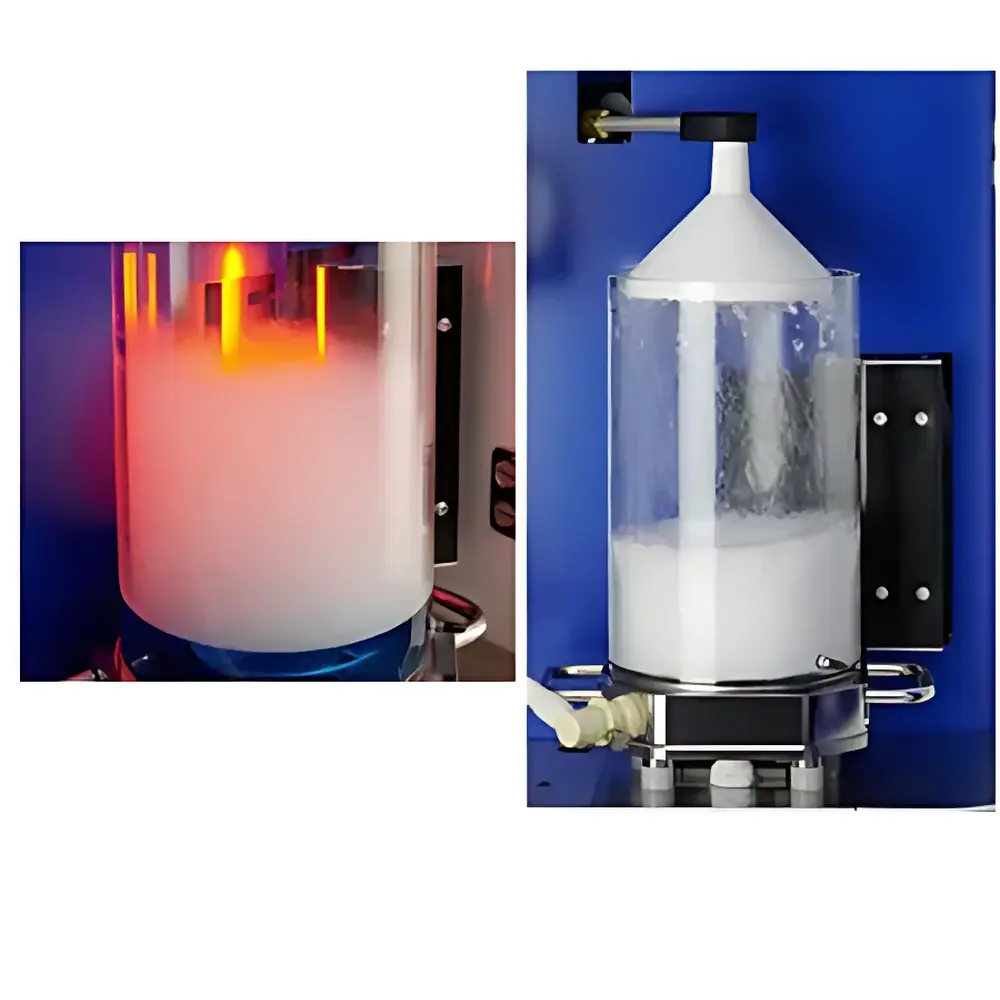
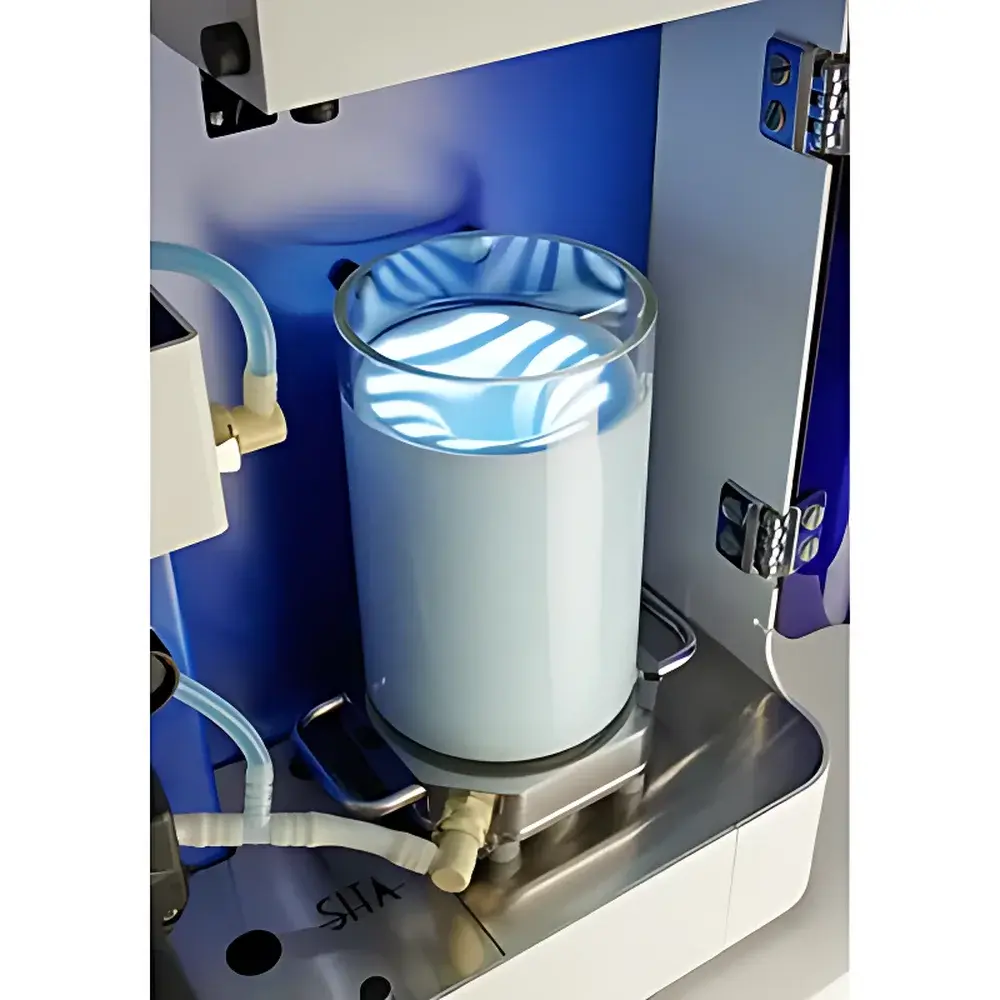
The SITA FoamTester R-2000 is a fully automated, benchtop foam analysis system engineered for quantitative, reproducible characterization of foam generation and decay kinetics in aqueous and non-aqueous formulations. Based on the standardized gas entrainment principle—where controlled air is introduced into a defined sample volume via a precision-engineered rotating impeller—the instrument measures dynamic foam behavior under rigorously regulated hydrodynamic and thermal conditions. Unlike manual or semi-automated methods subject to operator variability, the R-2000 eliminates subjective interpretation by digitizing foam height evolution in real time using a 16-pin capacitive foam-level sensor array. This architecture ensures high spatial resolution across irregular foam surfaces, enabling robust quantification of foamability (maximum foam volume), foam stability (half-life, drainage rate), and temperature-dependent foam kinetics—critical parameters for R&D, QC, and formulation optimization in detergents, personal care, food emulsions, fire-fighting foams, and oilfield chemicals.
Key Features
- Patented rotor-driven air-intake system with precise volumetric air dosing—enabling repeatable foam induction across diverse surfactant systems.
- 16-point capacitive foam-height sensor array calibrated to ±1 mL resolution, insensitive to foam surface topography or bubble coalescence artifacts.
- Programmable agitation parameters: rotor speed (50–2000 rpm), duration (10–600 s in 1 s steps), and thermal profile (0–80 °C via external liquid thermostat).
- Integrated 2 L sample reservoir with automated fill/drain cycles and post-test rinse protocol using pressurized tap water (2–4 bar).
- Self-contained mechanical architecture rated IP42, compliant with IEC 61000-6-3 for electromagnetic compatibility in laboratory environments.
- Modular design supporting GLP-aligned operation: all test sequences timestamped, parameter sets logged, and raw volume-vs.-time datasets stored with metadata.
Sample Compatibility & Compliance
The FoamTester R-2000 accommodates samples ranging from low-viscosity aqueous surfactant solutions to moderately viscous polymer-stabilized foams (up to ~500 mPa·s). Its 250–1500 mL working volume range allows testing at industrially relevant dilutions while maintaining laminar flow conditions during air incorporation. The system complies with ASTM D1173 (Standard Test Method for Foaming Properties of Surface-Active Agents) and ISO 697 (Determination of Foaming Power of Soaps and Detergents) when configured with validated protocols. All firmware and software modules support audit trails and user-access controls required under FDA 21 CFR Part 11 for regulated QC laboratories operating under GMP/GLP frameworks.
Software & Data Management
Controlled exclusively via the SITA-foam software suite (Windows OS compatible), the R-2000 enables full method definition, real-time visualization of foam volume vs. time curves, and export of ASCII/CSV datasets for secondary analysis in MATLAB, Python, or statistical platforms. Software features include multi-curve overlay, derivative calculation (dV/dt for drainage kinetics), half-life determination, and customizable reporting templates aligned with internal SOPs. Raw data files retain embedded calibration certificates, environmental logs (temperature, ambient pressure), and operator ID—ensuring traceability for regulatory submissions and inter-laboratory comparisons.
Applications
- Quantitative benchmarking of anionic, nonionic, and amphoteric surfactants for foamability and collapse resistance.
- Temperature-dependent stability profiling of protein-based foams in dairy and beverage processing.
- QC release testing of detergent concentrates against historical foam performance baselines.
- Formulation screening for antifoam efficacy in industrial process streams.
- Correlation of foam rheology with interfacial viscoelasticity measured via pendant drop or oscillating bubble tensiometry.
- Accelerated aging studies assessing foam degradation under thermal stress (e.g., 40–60 °C hold periods).
FAQ
What standards does the FoamTester R-2000 support for regulatory compliance?
It supports method implementation aligned with ASTM D1173, ISO 697, and DIN 53915; software audit trails and electronic signatures meet FDA 21 CFR Part 11 requirements.
Can the instrument operate without external temperature control?
Yes—the base unit functions at ambient temperature (10–40 °C); however, active temperature control (0–80 °C) requires connection to an external liquid thermostat.
Is calibration traceable to national metrology institutes?
Volume calibration is performed using NIST-traceable graduated cylinders; sensor linearity is verified per manufacturer’s calibration certificate issued with each system.
How is foam volume measured when foam exhibits significant surface roughness or cratering?
The 16-pin capacitive array independently samples vertical position across the foam column cross-section, computing median height to minimize edge-effect errors.
Does the system support unattended batch testing?
Yes—up to 24 sequential tests can be queued with automated rinse, fill, and parameter switching; no manual intervention required between runs.



