
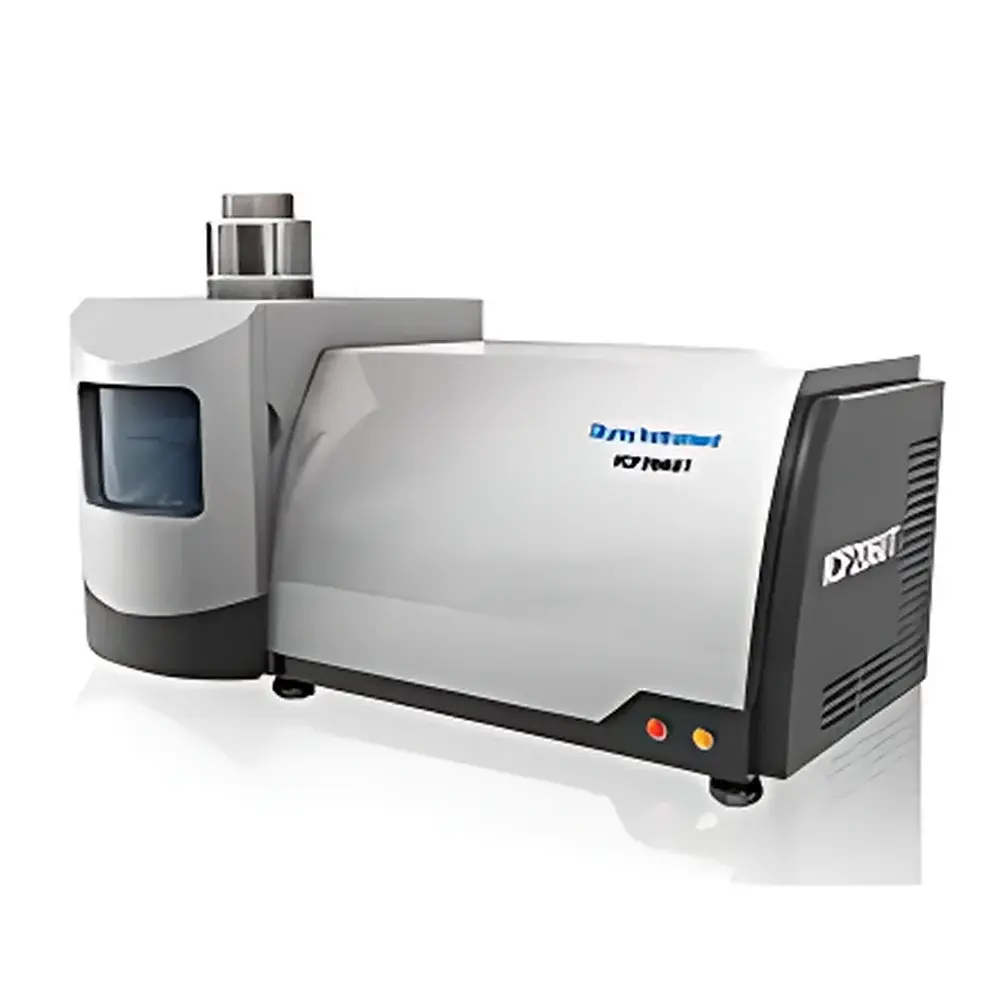
Skyray ICP 2060T Petrochemical-Optimized Inductively Coupled Plasma Optical Emission Spectrometer
| Brand | Skyray Instrument |
|---|---|
| Origin | Jiangsu, China |
| Manufacturer Type | OEM Manufacturer |
| Regional Category | Domestic (China) |
| Model | ICP 2060T (Petrochemical-Optimized) |
| Instrument Type | Sequential Scanning ICP-OES |
| Detection Limit | 0.5–10 ppb |
| Precision (RSD) | ≤1.5% |
| Long-Term Stability (2 h) | ≤2.0% |
| Wavelength Range | 190–500 nm (with 3600 l/mm grating) |
| Optical Resolution | ≤0.008 nm |
Overview
The Skyray ICP 2060T is a sequential-scanning inductively coupled plasma optical emission spectrometer (ICP-OES) engineered specifically for petrochemical laboratories requiring robust, interference-resistant elemental analysis of complex organic matrices. It operates on the fundamental principle of high-temperature plasma excitation (≥6,000 K), where sample aerosols—introduced via an enhanced organic nebulization system—are atomized, ionized, and excited within an argon-based ICP torch. Emitted characteristic photons are dispersed by a Czerny-Turner monochromator equipped with holographic etched gratings (3600 or 2400 lines/mm), then detected by high-sensitivity photomultiplier tubes (PMTs: R212/R928). The instrument’s design prioritizes analytical integrity in hydrocarbon-rich environments, incorporating real-time oxygen flow modulation to suppress carbon deposition during direct oil injection—a critical capability for ASTM D5185, D7260, and ISO 8217-compliant workflows.
Key Features
- Patented enhanced organic sample introduction system enabling direct analysis of crude oil, gasoline, lubricants, base oils, and methanol without prior digestion or dilution.
- Intelligent oxygen flow control integrated into the plasma gas stream, dynamically adjusting O2 concentration to eliminate carbon buildup on the torch injector and nebulizer tip—ensuring uninterrupted operation over extended runs.
- High-efficiency solid-state RF generator (27.12 MHz, 800–1600 W output, ≥65% efficiency) with automatic impedance matching; achieves <0.2% power stability and enables one-touch plasma ignition with full system self-check (gas purge, flow validation, ignition, and load tuning).
- Thermally stabilized optical bench (±0.1 °C) and dual-stage mechanical isolation minimize thermal drift and vibration-induced wavelength shift—critical for long-term spectral fidelity in trace metal quantification.
- Four-channel programmable peristaltic pump with adjustable rotational speed ensures precise, pulse-free delivery across variable viscosity samples (e.g., heavy fuel oil vs. light naphtha).
- Mass flow controllers (MFCs) for all gas streams—carrier, plasma, auxiliary, and oxygen—deliver continuous, reproducible flow regulation (<±0.5% setpoint accuracy), forming the foundation for plasma stability and method ruggedness.
Sample Compatibility & Compliance
The ICP 2060T supports direct liquid introduction of undiluted petroleum products including crude oil, distillates, residual fuels, lubricants, and biofuels. Its optimized torch geometry (25-mm ID, 3-turn copper coil; 20-mm OD quartz concentric torch) and oxygen-assisted combustion ensure complete volatilization of carbonaceous matrices. The system complies with key regulatory frameworks for petrochemical testing: ASTM D5185 (multi-element analysis in used and unused lubricants), ASTM D7260 (trace metals in diesel and biodiesel blends), ISO 8217 (residual and distillate marine fuels), and IP 501 (elemental impurities in crude oil). All hardware and software components meet CE electromagnetic compatibility (EMC) directives and IEC 61010-1 safety standards. Data acquisition and reporting support audit-ready documentation aligned with GLP and GMP principles.
Software & Data Management
The proprietary Skyray ICP Analysis Suite features bilingual (English/Chinese) interface switching, intuitive workflow navigation, and comprehensive data governance tools. It provides full spectral diagnostics—including real-time PMT voltage monitoring, background intensity mapping, and line profile visualization—to facilitate method optimization and troubleshooting. Quantitative analysis includes internal standard correction, multi-point calibration with quadratic or cubic curve fitting, and automated interference correction using alternate emission lines from the instrument’s library of >3,600 validated spectral lines. Results are exportable in PDF, Excel (.xlsx), and Word (.docx) formats, with customizable report templates containing method ID, instrument configuration, element/wavelength/intensity/quantified concentration, RSD, uncertainty estimates, analyst ID, and QA/QC flags. The software maintains full electronic audit trails compliant with FDA 21 CFR Part 11 requirements—including user authentication, action logging, and immutable record retention.
Applications
The ICP 2060T delivers quantitative results for over 70 elements—including Fe, Na, Mg, Ni, V, Ca, Pb, Mo, Mn, Cr, Co, Ba, As, Si, and Al—in diverse petrochemical matrices. Typical applications include: determination of wear metals (Fe, Cu, Al, Cr) and additive elements (Ca, Mg, Zn, P) in engine oils per ASTM D5185; quantification of vanadium and nickel in crude oil for refinery feedstock assessment; detection of sodium and silicon in gasoline per ASTM D3831; speciation-independent total metal screening in base oils and synthetic lubricants; trace sodium analysis in methanol used in MTBE synthesis; and field-deployable quantification of lanthanide-based tracers in reservoir surveillance programs. Its linear dynamic range spans six orders of magnitude (0.01 ppb to several ppm), allowing simultaneous measurement of major and trace constituents without manual dilution.
FAQ
Does the ICP 2060T require acid digestion for oil samples?
No. The instrument is designed for direct organic injection using its oxygen-enhanced nebulization system—eliminating digestion, reducing contamination risk, and cutting sample preparation time by >80%.
What argon consumption rate does the system maintain during operation?
Total argon consumption is ≤14 L/min under standard operating conditions, supporting ≥10 hours of continuous analysis per standard 10-L cylinder.
Can the instrument measure elements outside the 190–500 nm range?
Yes—by swapping the grating to the optional 2400 l/mm configuration, the measurable wavelength range extends to 190–800 nm, enabling access to additional lines for elements such as As (193.696 nm), Se (196.026 nm), and Cd (228.802 nm).
Is remote operation and diagnostics supported?
The system supports TCP/IP-based network connectivity, allowing secure remote monitoring, parameter adjustment, and diagnostic log retrieval via authenticated client access—compatible with enterprise IT infrastructure and firewall policies.
How is calibration verification performed between sample batches?
The software supports bracketing calibration standards, continuous internal standard monitoring (e.g., Y or Sc), and automated QC check standards—triggering alerts if recovery falls outside ±5% of target or RSD exceeds 2.0% across triplicate measurements.






