
SMART I/O Small Animal Behavior Recording and Analysis System
| Origin | Spain |
|---|---|
| Manufacturer Type | Authorized Distributor |
| Import Status | Imported |
| Model | SMART I/O |
| Price | USD 13,800 (FOB) |
Overview
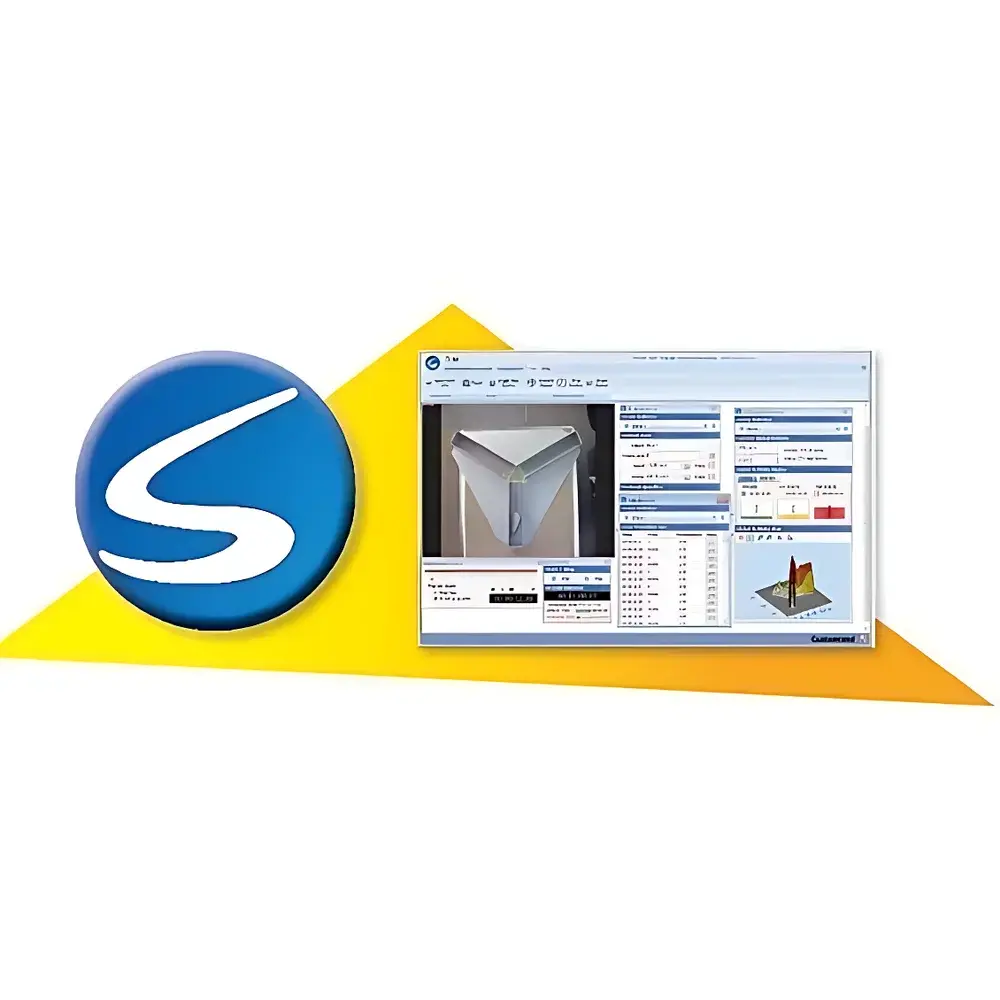
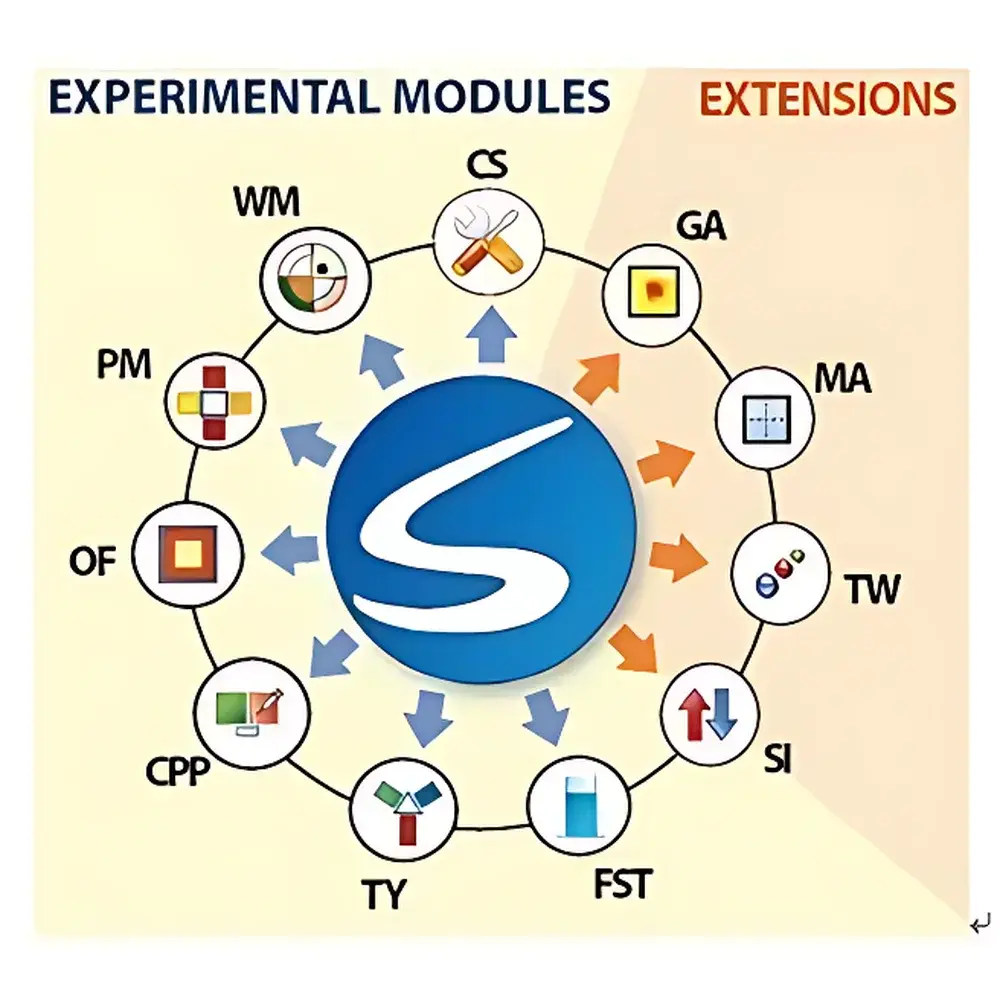
The SMART I/O Small Animal Behavior Recording and Analysis System is a modular, hardware-software integrated platform engineered for high-fidelity, multimodal behavioral neuroscience experiments. Built upon the proven architecture of the SMART 3.0 ecosystem, SMART I/O extends core video-based ethological tracking with synchronized acquisition and control interfaces for electrophysiology, optogenetics, and electrical stimulation. Its measurement principle relies on real-time pixel-based motion detection and sub-pixel centroid tracking, calibrated against standardized behavioral arenas (e.g., open field, Morris water maze, T-maze, elevated plus maze), enabling quantitative analysis of locomotion, exploration, anxiety-like behavior, social interaction, and learning/memory paradigms. Designed for laboratories requiring temporal precision and experimental scalability, SMART I/O supports frame-accurate alignment of behavioral events with neural or photostimulation triggers—critical for causal inference in circuit-level behavioral studies.
Key Features
- Modular synchronization architecture: Native TTL, analog, and USB-based trigger I/O ports (8 digital inputs, 8 digital outputs, 4 analog inputs, 2 analog outputs) for bidirectional communication with external devices including patch-clamp amplifiers, laser diode drivers, LED controllers, and stimulators.
- Real-time behavioral tracking engine: Sub-50 ms latency video processing at up to 120 fps (depending on resolution and camera model), supporting both USB3 and GigE Vision cameras with automatic exposure and gain compensation.
- Flow-driven software interface: SMARTIO software v1.0.0.1 employs a linear, protocol-oriented workflow—from arena calibration and ROI definition to trial execution, event tagging, and batch analysis—minimizing configuration errors and enhancing reproducibility across users and sessions.
- Advanced arena editor: Pixel-accurate, multi-layer polygonal region-of-interest (ROI) editor supporting nested zones, dynamic boundaries, and conditional zone transitions; compatible with irregular mazes, multi-compartment setups, and custom-built apparatuses.
- Multi-computer deployment license: Concurrent installation on up to five laboratory workstations without hardware dongles; centralized project file management via network-mounted storage or cloud-synced repositories (user-configured).
Sample Compatibility & Compliance
SMART I/O is validated for use with murine models (C57BL/6, BALB/c, CD-1), rats (Sprague-Dawley, Wistar), zebrafish larvae, and Drosophila melanogaster in standard behavioral assays. All software modules comply with ALARA principles for animal welfare documentation and support automated generation of IACUC-compliant trial logs, including timestamps, operator ID, environmental metadata (light/dark cycle, ambient temperature), and stimulus parameter audit trails. The system adheres to ISO/IEC 17025 traceability requirements for instrument calibration records and meets GLP-relevant data integrity criteria—including immutable raw video archiving, version-controlled analysis scripts, and user-access logging—facilitating regulatory submissions under FDA 21 CFR Part 11 when paired with appropriate IT infrastructure controls.
Software & Data Management
The SMARTIO platform provides native support for HDF5-based data containers, ensuring lossless storage of synchronized video frames, behavioral metrics (distance traveled, velocity, time-in-zone, center-periphery ratio), and external device waveforms. Batch processing pipelines enable automated extraction of >40 standardized ethograms per session, exportable to MATLAB (.mat), Python (NumPy), CSV, and Neurodata Without Borders (NWB) format. Audit trail functionality logs all parameter modifications, ROI edits, and analysis reruns with user attribution and timestamping. Software updates are delivered via secure HTTPS repository with SHA-256 checksum verification; no internet connection required during routine operation.
Applications
- Optogenetic-behavioral causality mapping: Precise alignment of ChR2 activation windows with freezing onset, locomotor arrest, or reward-seeking trajectories.
- Chronic electrophysiology + behavior: Simultaneous LFP/Spiking recording during Morris water maze acquisition with event-triggered waveform slicing.
- Pharmacological phenotyping: Dose-response characterization of anxiolytics or psychostimulants using automated thigmotaxis and risk-assessment scoring.
- Social interaction quantification: Multi-animal tracking with identity-preserving algorithms for dyadic or triadic cage assays.
- Circadian rhythm profiling: Long-term (>72 h) unattended monitoring with adaptive illumination control and sleep-wake staging based on immobility thresholds.
FAQ
Does SMART I/O require a dedicated acquisition computer?
No—SMART I/O operates as a software-defined platform and runs on standard Windows 10/11 x64 workstations meeting minimum specifications (Intel i5-8400 or equivalent, 16 GB RAM, SSD storage, dedicated GPU recommended for >60 fps multi-camera setups).
Can third-party cameras be integrated?
Yes—any DirectShow-, Media Foundation-, or GenICam-compliant camera (including Basler, FLIR, IDS, and Point Grey models) is supported via driver abstraction layer; no proprietary SDK required.
Is source code or API access available for custom analysis extensions?
Yes—the SMARTIO SDK (C++ and Python bindings) provides low-level access to tracking buffers, event queues, and hardware I/O states, enabling integration with custom machine learning pipelines or closed-loop control systems.
How is data security handled during multi-user collaboration?
Role-based permissions (administrator, analyst, technician) are enforced at the project level; encrypted AES-256 project files prevent unauthorized access; all exported datasets include embedded metadata hashes for integrity verification.
What validation documentation is provided for regulatory submissions?
A comprehensive Validation Package—including Installation Qualification (IQ), Operational Qualification (OQ), and Performance Qualification (PQ) test protocols—is supplied with each system, along with vendor-signed certificates of conformance to ISO 13485:2016 and IEC 62304:2015 software lifecycle standards.



