
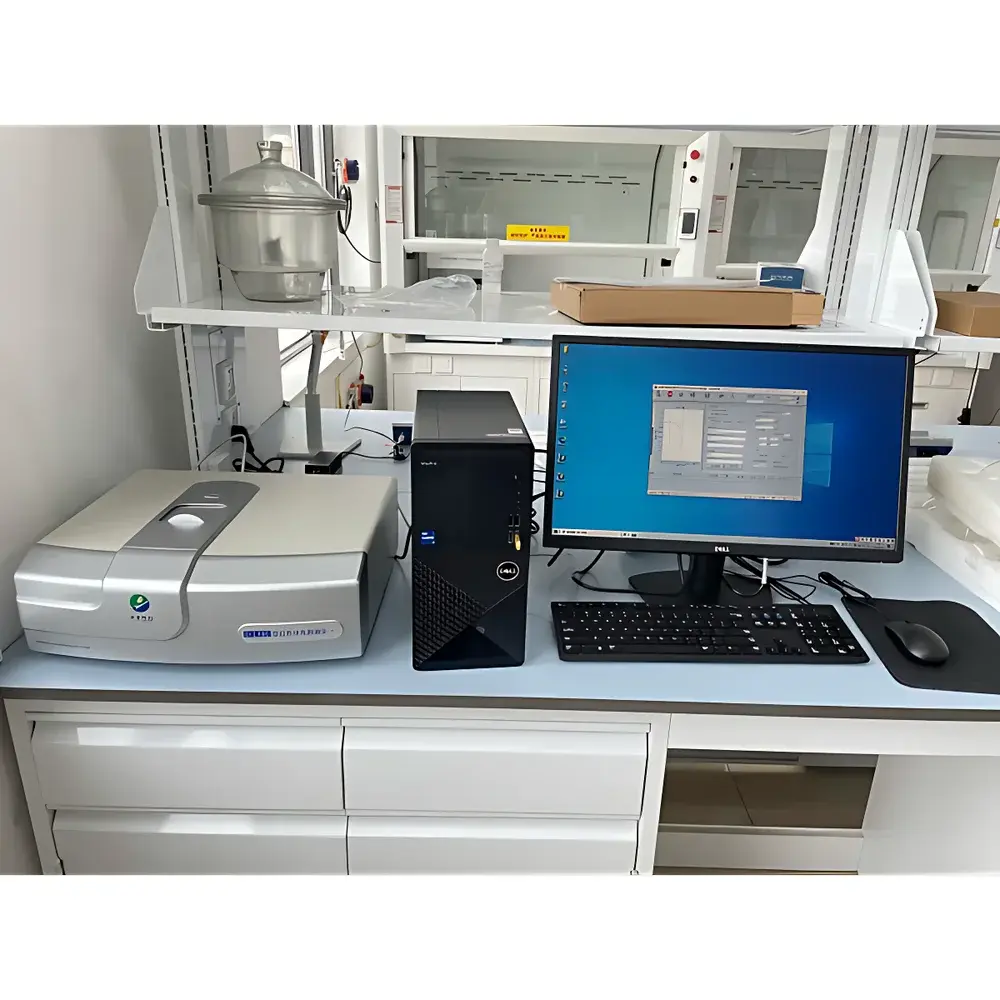
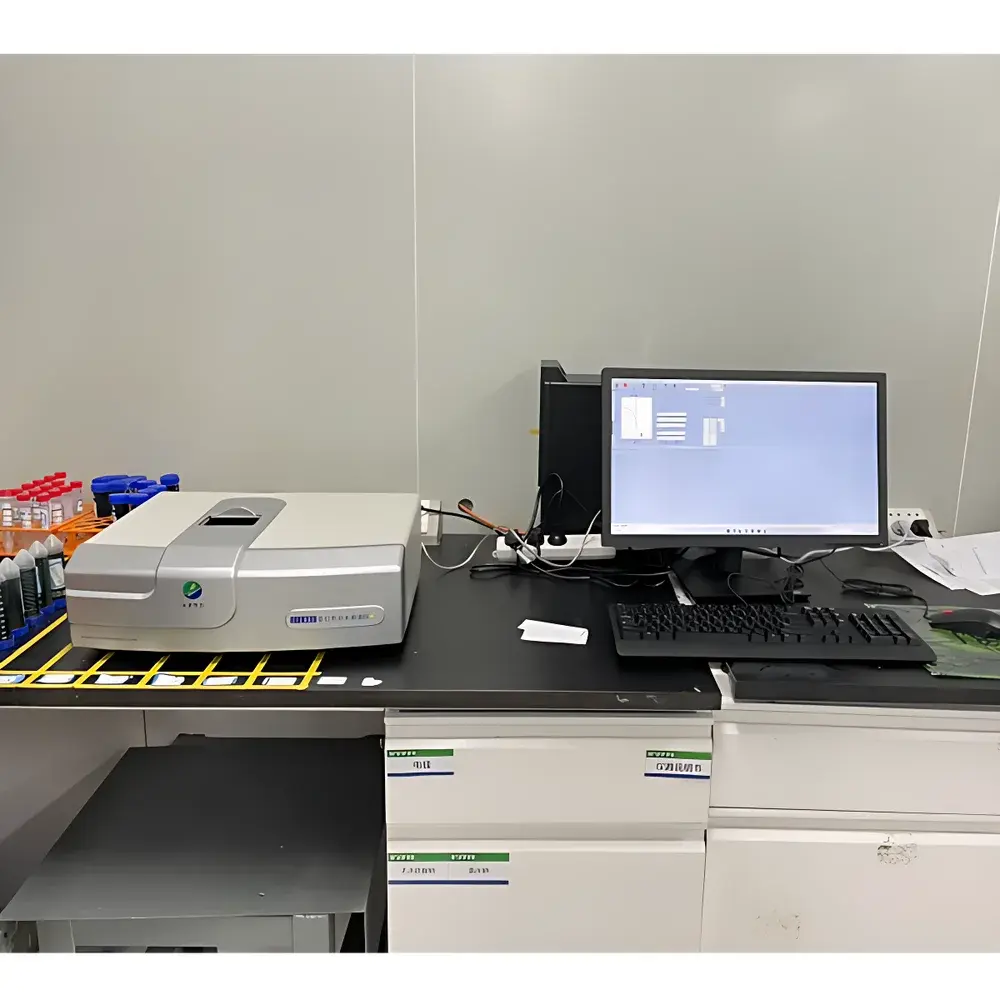
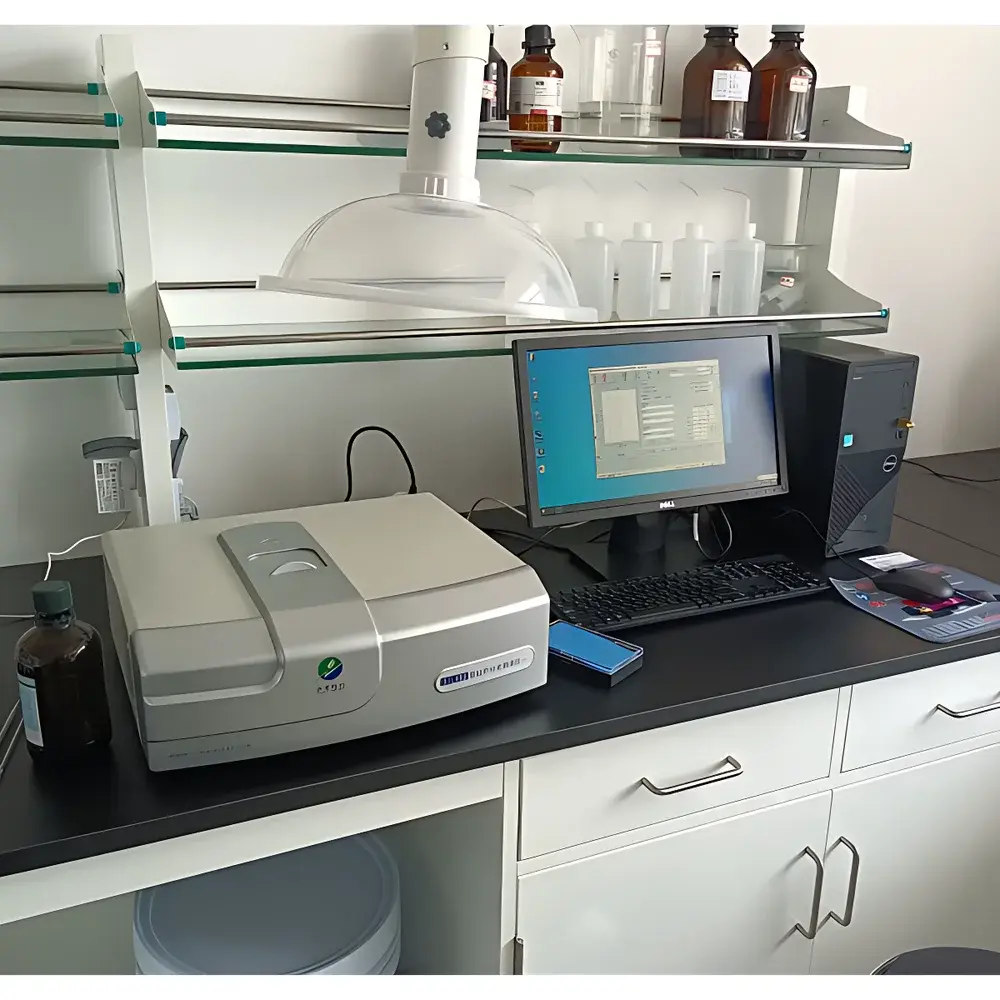
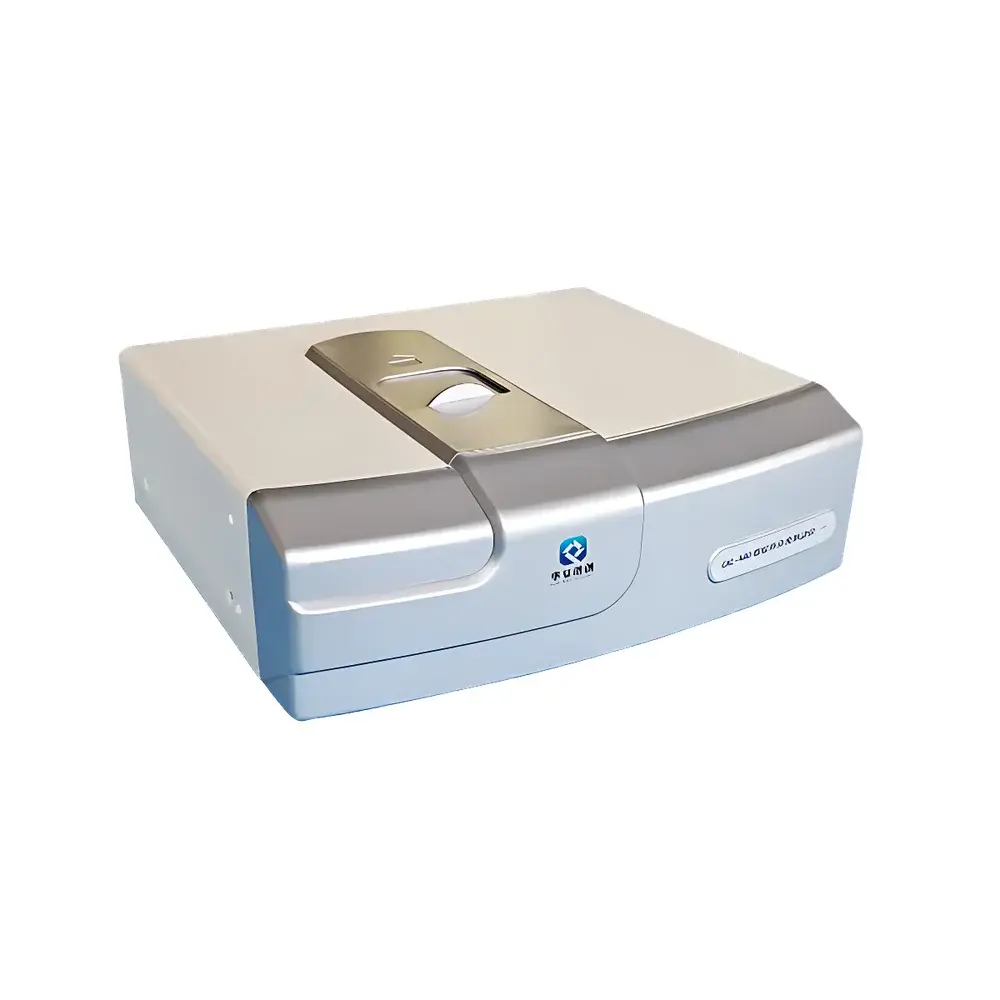
Spectra Invent OIL-480 Infrared Spectrophotometric Oil Analyzer
| Brand | Spectra Invent (Chinainvent) |
|---|---|
| Origin | Beijing, China |
| Instrument Type | Laboratory Benchtop Analyzer |
| Measurement Principle | Infrared Absorption Spectrophotometry (C–H Stretching Band at 2960 cm⁻¹, 2930 cm⁻¹, and 2870 cm⁻¹) |
| Detection Limit | 0.06 mg/L |
| Accuracy | ±1% RSD (at 30–50 mg/L oil concentration) |
| Compliance | HJ 637–2018, HJ 1051–2019, HJ 1077–2019, GB 5084–2021, GB/T 5750.7–2023, GB 5085.6–2007 |
| Sample Matrix | Aqueous, soil extract, flue gas condensate, and edible oil-contaminated wastewater |
Overview
The Spectra Invent OIL-480 Infrared Spectrophotometric Oil Analyzer is a dedicated benchtop instrument engineered for quantitative determination of total petroleum hydrocarbons (TPH), mineral oil, and animal/vegetable oils in environmental matrices. It operates on the fundamental principle of infrared absorption spectrophotometry—specifically measuring the integrated absorbance of C–H stretching vibrations in aliphatic hydrocarbon chains at three critical wavenumbers: 2960 cm⁻¹ (CH₃ asymmetric), 2930 cm⁻¹ (CH₂ asymmetric), and 2870 cm⁻¹ (CH₃ symmetric). By applying the “three-band correction algorithm” defined in HJ 637–2018, the OIL-480 calculates both total oil content and petroleum hydrocarbon fraction after silica-magnesium adsorption cleanup. Its optical architecture features a stabilized tungsten-halogen source, high-resolution diffraction grating monochromator (±0.5 cm⁻¹ spectral resolution), and thermoelectrically cooled PbSe detector, ensuring long-term photometric stability and minimal baseline drift across repeated analyses.
Key Features
- Pre-aligned, maintenance-free optical path with sealed interferometer-free design—eliminates moving parts and alignment sensitivity common in FTIR-based alternatives
- Integrated sample cell holder accommodating standard 4-cm pathlength quartz cuvettes (including matched reference and sample positions)
- Onboard calibration verification using certified mineral oil standards traceable to NIM (National Institute of Metrology, China)
- Automatic solvent blank subtraction and baseline correction routines compliant with HJ 637–2018 Section 7.3
- Embedded microprocessor with real-time spectral acquisition, peak integration, and matrix-specific correction factor application
- Rugged aluminum chassis with EMI-shielded electronics, suitable for ISO/IEC 17025-accredited laboratory environments
Sample Compatibility & Compliance
The OIL-480 supports analysis of liquid-phase extracts prepared per standardized protocols: aqueous samples acidified to pH ≤ 2 and extracted with tetrachloroethylene (C₂Cl₄); soil/sediment leachates following HJ 1051–2019; and condensed flue gas particulates per HJ 1077–2019. It fully satisfies regulatory data quality requirements for routine monitoring under GB 5084–2021 (irrigation water), GB/T 5750.7–2023 (drinking water), and GB 5085.6–2007 (hazardous waste characterization). All measurement algorithms and calibration workflows are documented in accordance with GLP principles, and raw spectral data files (ASCII format) retain full audit trail metadata—including operator ID, timestamp, cuvette position, and solvent batch code—for FDA 21 CFR Part 11–aligned data integrity management.
Software & Data Management
The instrument is operated via SpectraSoft v3.2—a Windows-based control and analysis suite supporting method-driven workflows. Users define extraction protocols, select applicable regulatory standards (e.g., “HJ 637–2018 Petroleum Only”), assign calibration curves (linear or quadratic), and configure QC checks (e.g., blank acceptance criteria: absorbance < 0.005 AU at 2930 cm⁻¹). The software generates compliant reports with embedded spectral overlays, peak tables, uncertainty estimates (k = 2), and digital signatures. Export formats include PDF/A-2b (archival), CSV (for LIMS integration), and XML (for ELN synchronization). Audit logs record all parameter changes, calibration events, and result modifications with user authentication and time-stamped entries—fully traceable for ISO/IEC 17025 internal audits.
Applications
- Quantification of petroleum hydrocarbons in municipal and industrial wastewater effluents prior to discharge compliance reporting
- Monitoring oil contamination in surface water, groundwater, and agricultural runoff under national water quality surveillance programs
- Analysis of soil eluates from brownfield site assessments and remediation validation studies
- Determination of cooking oil mist and lubricant aerosols in stack emissions from food processing and metalworking facilities
- Verification of oil removal efficiency in oily water treatment systems (e.g., API separators, coalescers, membrane filters)
- Supporting due diligence testing for environmental impact assessments (EIA) and ISO 14001-certified EMS documentation
FAQ
What extraction solvent is required for HJ 637–2018 compliance?
Tetrachloroethylene (C₂Cl₄) is mandatory per HJ 637–2018 Section 6.1. The OIL-480’s spectral library includes solvent-specific baseline correction profiles optimized for this solvent’s transmission window.
Can the OIL-480 distinguish between mineral oil and biodiesel contamination?
No—it quantifies total extractable hydrocarbons based on C–H bond density. Differentiation requires complementary techniques such as GC-FID or FTIR fingerprinting.
Is method validation documentation provided with the system?
Yes. Each unit ships with a Factory Performance Verification Report (FPVR), including linearity (5–100 mg/L), precision (RSD ≤ 1.2% at 40 mg/L, n = 6), and detection limit confirmation per ISO 11843-2.
Does the instrument support multi-laboratory collaborative studies?
Yes. SpectraSoft enables secure cloud-based method sharing and inter-laboratory comparison modules aligned with ISO 5725-2 repeatability/reproducibility protocols.
What maintenance intervals are recommended for routine operation?
Optical path cleaning every 6 months; annual verification of wavelength accuracy using polystyrene film standard; no lamp replacement required within first 5 years (rated lifetime ≥ 5,000 hours).







