
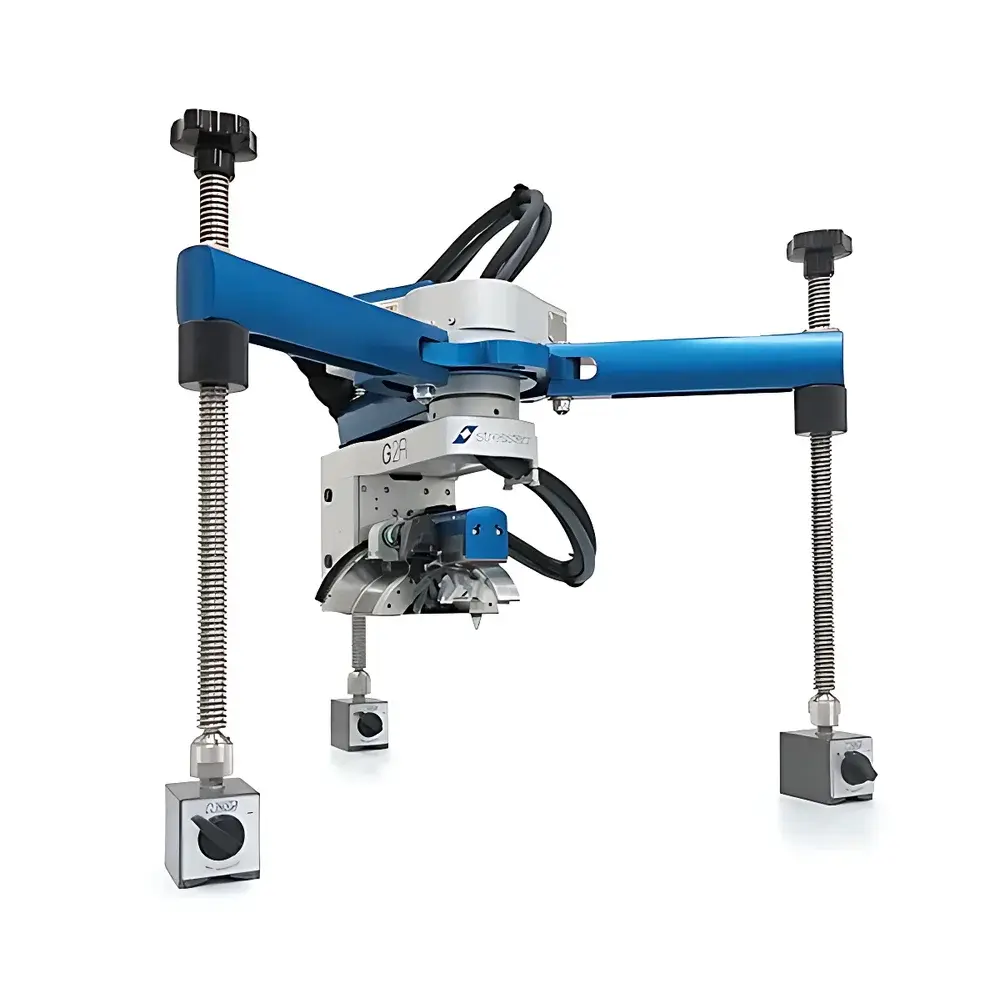
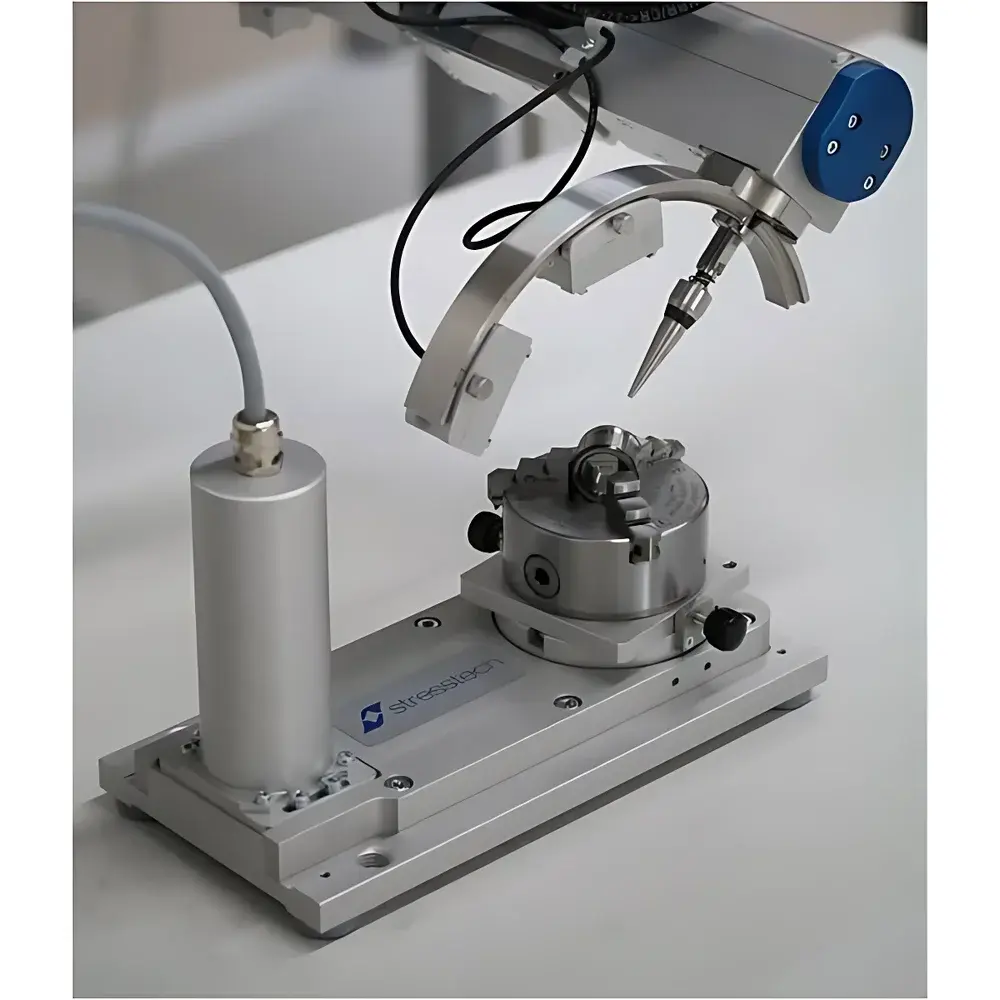
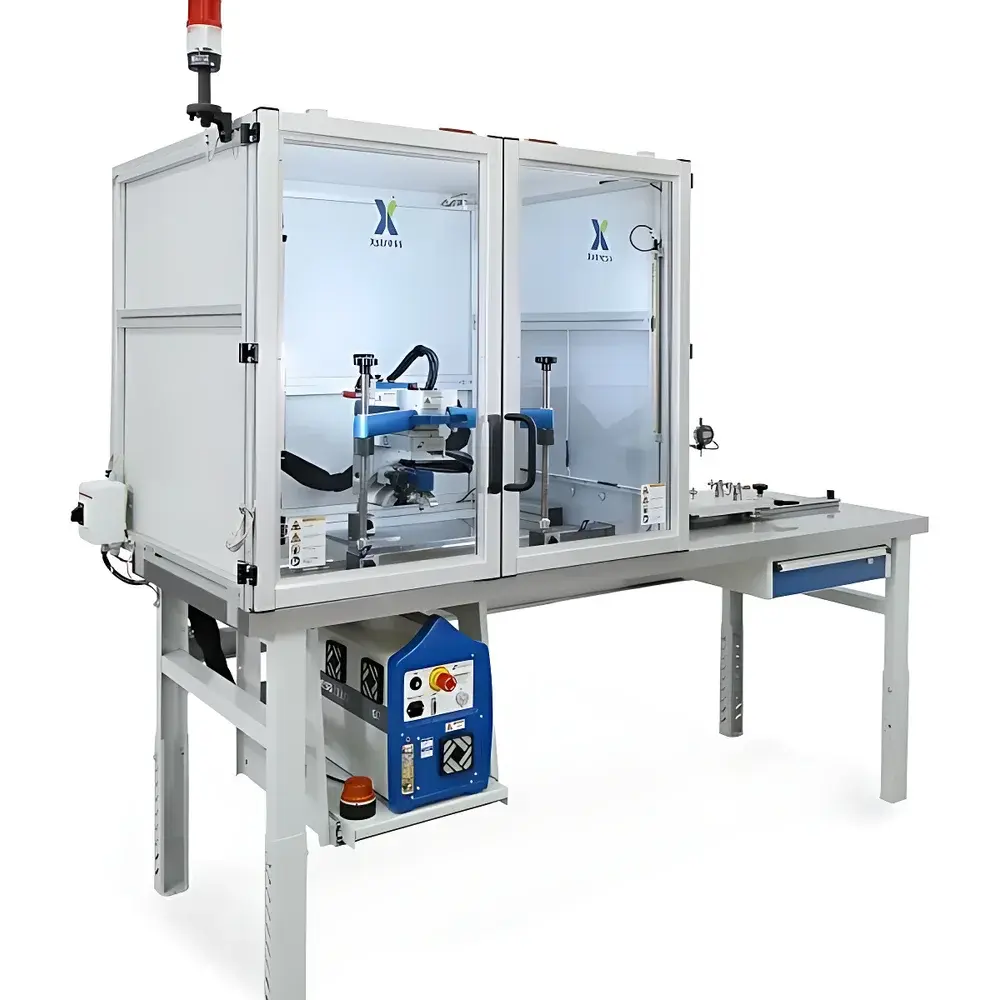
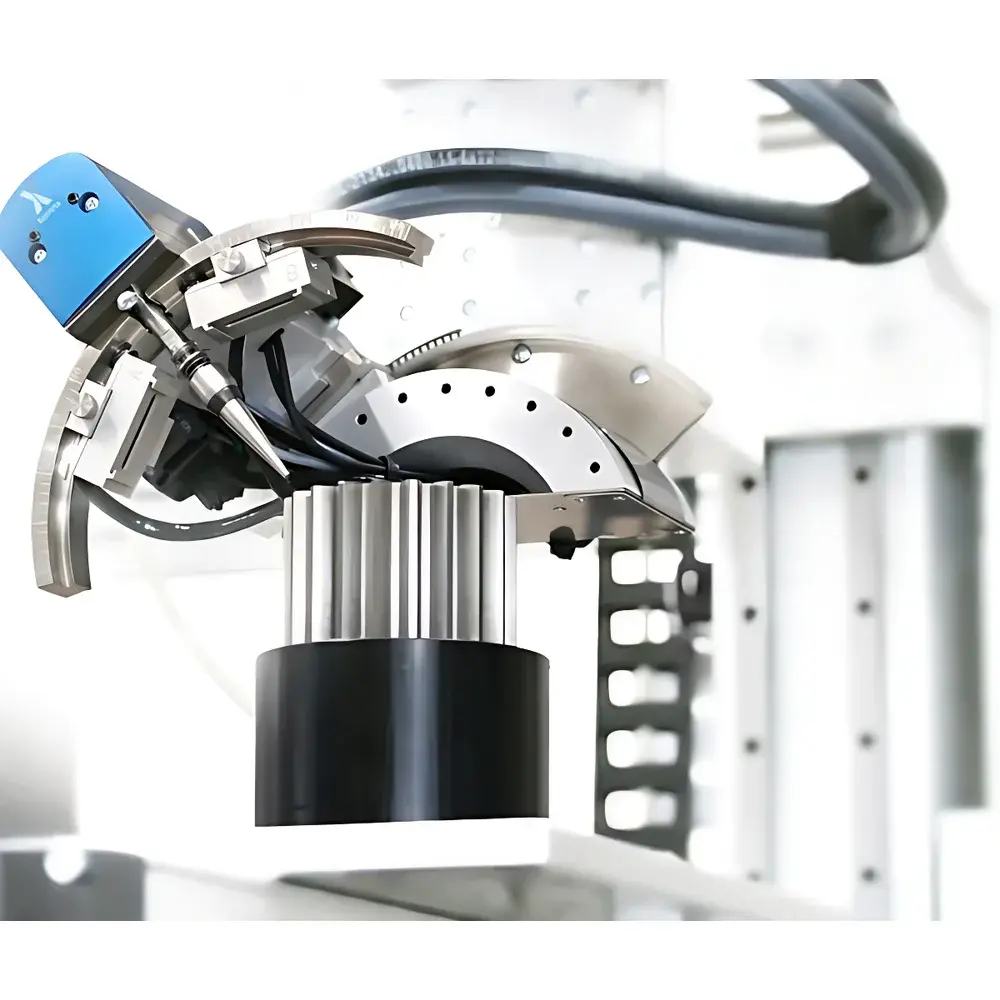
Stresstech XStress 3000 Portable X-Ray Residual Stress Analyzer
| Brand | Stresstech Oy |
|---|---|
| Origin | Finland |
| Model | XStress 3000 |
| Detector Type | High-resolution Si(Li) or SDD (configurable) |
| X-ray Source | Cr, Co, Fe, Cu, Mo anode options (user-selectable) |
| Measurement Principle | Sin²ψ method per ASTM E915 & ISO 21948 |
| Angular Range | 2θ = 10°–160° |
| Minimum Spot Size | 1 mm diameter (collimator-dependent) |
| Data Acquisition Time | < 60 s per measurement point (typical) |
| Portability | Battery-operated, integrated tripod mount, < 15 kg system weight |
| Cooling | Air-cooled X-ray tube (no water cooling required) |
| Compliance | CE, RoHS, IEC 61000-6-3/6-4 |
Overview
The Stresstech XStress 3000 is a portable, laboratory-grade X-ray residual stress analyzer engineered for non-destructive, in-situ quantification of macroscopic residual stresses and retained austenite in polycrystalline metallic components. Based on the well-established sin²ψ diffraction method—standardized in ASTM E915, ISO 21948, and EN 15305—the instrument delivers traceable, high-reproducibility stress measurements without requiring sample removal or surface preparation beyond standard metallographic grinding and electropolishing. Its compact, air-cooled architecture eliminates dependency on external water chillers or fixed lab infrastructure, enabling direct deployment on shop floors, near welding lines, inside turbine casings, or at remote field sites. The system integrates a microfocus X-ray tube with selectable anodes (Cr, Co, Fe, Cu, Mo), a high-resolution energy-dispersive detector (Si(Li) or SDD), and motorized goniometry with real-time angular calibration—ensuring consistent Bragg angle determination across varying lattice parameters and material systems.
Key Features
- True field-deployable design: Fully self-contained unit with internal battery pack, ruggedized housing, and integrated optical alignment laser for rapid setup on complex geometries.
- Modular X-ray source configuration: Interchangeable anodes allow optimization for specific materials—e.g., Cr Kα for ferritic steels, Co Kα for nickel-based superalloys, and Mo Kα for titanium alloys—maximizing diffraction peak intensity and signal-to-noise ratio.
- High-precision angular control: Motorized ψ-tilt and 2θ rotation stages calibrated to ±0.01°, supporting both conventional sin²ψ and advanced multi-ψ acquisition protocols for biaxial stress tensor resolution.
- Low-maintenance electronics: Industrial-grade 19-inch rack-mount chassis with conformally coated PCBs, conforming to IEC 60068-2 environmental test standards; mean time between failures (MTBF) > 15,000 hours.
- No external cooling required: Air-cooled microfocus X-ray tube operates continuously at up to 50 kV / 1 mA, eliminating risk of coolant leaks and reducing operational overhead.
Sample Compatibility & Compliance
The XStress 3000 accommodates flat, curved, and contoured surfaces—including turbine blades, welded joints, additive-manufactured lattice structures, and thick-walled pressure vessels—with minimal geometric constraints. Surface roughness ≤ Ra 0.8 µm is recommended for optimal peak shape fidelity. The system complies with international regulatory and quality frameworks essential for industrial QA/QC environments: full traceability to NIST-traceable reference standards, built-in audit trail logging per FDA 21 CFR Part 11 requirements, and GLP/GMP-compatible reporting templates. All stress calculations adhere strictly to ASTM E915’s “Standard Test Method for Verifying the Alignment of X-Ray Diffraction Instrumentation for Residual Stress Measurement” and ISO 21948’s “Non-destructive testing — Standard test method for determining residual stresses by X-ray diffraction.” Calibration certificates are issued per ISO/IEC 17025-accredited procedures.
Software & Data Management
XStress Studio v5.2 software provides a validated, role-based interface for instrument control, data acquisition, phase identification, stress calculation, and report generation. It supports automated mapping routines for spatial stress profiling (e.g., along weld toes or heat-affected zones), batch processing of retained austenite quantification via Rietveld refinement (using ICDD PDF-4+ database), and export of raw .raw, .xye, and .csv files for third-party analysis. All user actions—including parameter changes, calibration events, and result approvals—are timestamped and digitally signed within an immutable audit trail. Data encryption (AES-256) and secure network authentication (LDAP/Active Directory integration) ensure compliance with corporate IT security policies and EU GDPR requirements.
Applications
- Aerospace: Verification of stress relief effectiveness post-machining of aluminum airframes and nickel-alloy turbine disks.
- Additive Manufacturing: In-process validation of thermal stress accumulation in Ti-6Al-4V and Inconel 718 build layers.
- Power Generation: Residual stress mapping in nuclear reactor pressure vessel welds and steam turbine rotor grooves.
- Automotive: Quantification of compressive stress gradients induced by shot peening on crankshafts and gear teeth.
- Research & Academia: Correlation of thermo-mechanical processing history with subsurface stress states in dual-phase steels and metastable stainless grades.
FAQ
What standards does the XStress 3000 comply with for residual stress measurement?
ASTM E915, ISO 21948, EN 15305, and VDI/VDE 2655—covering instrumentation verification, measurement uncertainty estimation, and reporting conventions.
Can the system measure retained austenite in martensitic steels?
Yes—using integrated Rietveld refinement algorithms and multi-phase diffraction pattern fitting against ICDD reference databases.
Is operator certification required to perform compliant measurements?
While no proprietary certification is mandated, users must complete Stresstech’s ISO 17025-aligned training program to generate auditable, GLP-compliant reports.
How is measurement repeatability verified on-site?
Via built-in reference sample holder and certified stress-free silicon standard; daily verification follows ASTM E915 Annex A3 protocols.
Does the system support remote diagnostics and firmware updates?
Yes—through encrypted HTTPS-based connection to Stresstech’s Secure Remote Support Portal, with change logs archived per 21 CFR Part 11 §11.10(e).




