
Stresstech XStress3000 Portable X-ray Residual Stress Analyzer
| Brand | Stresstech Oy |
|---|---|
| Origin | Finland |
| Model | XStress3000 |
| Type | Portable X-ray Diffraction (XRD)-Based Residual Stress Analyzer |
| Compliance | ASTM E915, ISO 21943, EN 15305 |
| Measurement Principle | Sin²ψ Method with Cr-Kα or Co-Kα Radiation |
| Detector | High-resolution 1D/2D Position-Sensitive Detector (PSD) |
| Goniometer | Motorized θ–2θ configuration with precision angular encoder |
| Sample Handling | On-site or lab-based |
| Data Acquisition Time | Typically 30–180 s per measurement point |
| Software Platform | XStress Suite v5.x with automated peak fitting, stress tensor calculation, and GLP-compliant audit trail |
Overview
The Stresstech XStress3000 is a field-deployable, high-precision X-ray diffraction (XRD) instrument engineered for non-destructive residual stress characterization in metallic components. It operates on the well-established sin²ψ method—quantifying lattice strain via angular shifts in Bragg diffraction peaks under controlled incidence angles—and delivers quantitative biaxial stress values (σ₁, σ₂, τ₁₂) in MPa with traceable uncertainty budgets aligned with ISO/IEC 17025 requirements. Designed for metrology-grade reliability in demanding industrial environments, the XStress3000 integrates a sealed-tube X-ray source (Cr-Kα or Co-Kα), motorized goniometry with sub-arcminute angular resolution, and a position-sensitive detector optimized for low-noise, high-count-rate data collection. Its compact, ruggedized chassis meets IP54 environmental rating, enabling direct measurements on production floors, inside pressure vessels, on aircraft landing gear assemblies, or at weld joints—without component removal or surface preparation beyond standard metallographic polishing.
Key Features
- True portable architecture: Weighs 4 hours continuous operation; no external water cooling or high-voltage cabinets required.
- Multi-material capability: Pre-configured calibration libraries for steel (AISI 4140, 304, 4340), titanium alloys (Ti-6Al-4V), nickel superalloys (Inconel 718), aluminum (2024, 7075), and cast iron—each validated per ASTM E915 Annex A2.
- Automated alignment: Vision-assisted laser crosshair targeting + real-time sample distance compensation ensures repeatable positioning accuracy within ±15 µm.
- Dual radiation selection: Interchangeable Cr-Kα (2.29 Å) and Co-Kα (1.79 Å) tubes enable optimal peak separation and penetration depth control—from near-surface (1–5 µm) to subsurface (10–50 µm) stress profiling.
- Ruggedized optics: Hermetically sealed X-ray path with beryllium window and vacuum-compatible sample chamber for oxide-free measurements on reactive alloys.
- Real-time feedback: On-device spectral preview with automatic FWHM monitoring and peak-to-background ratio assessment prior to full acquisition.
Sample Compatibility & Compliance
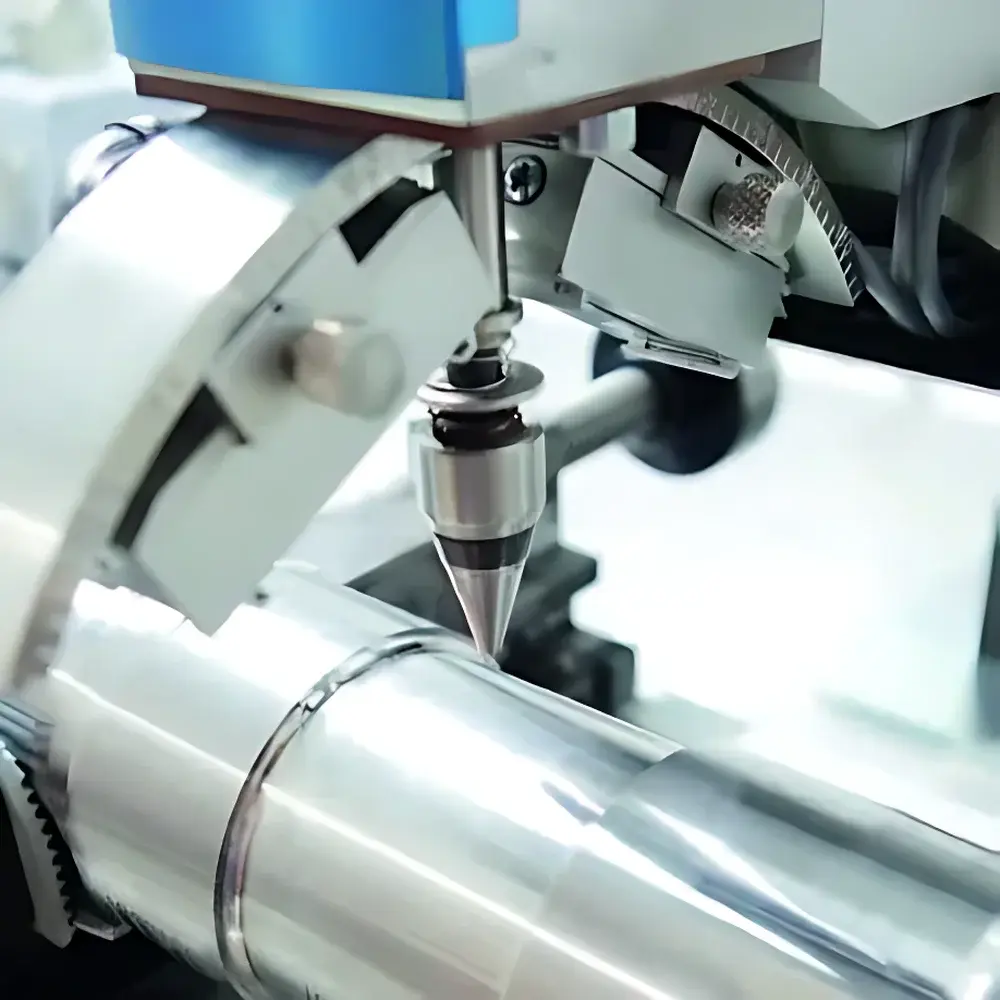
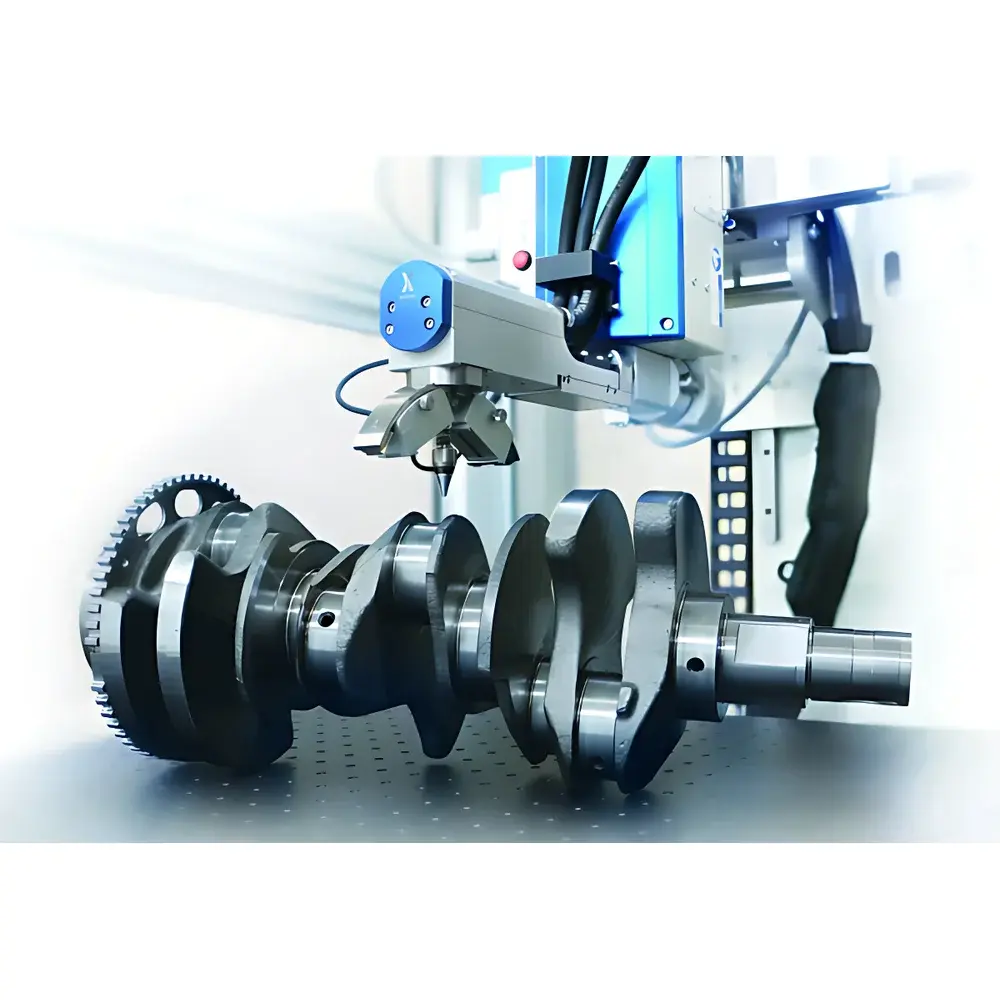
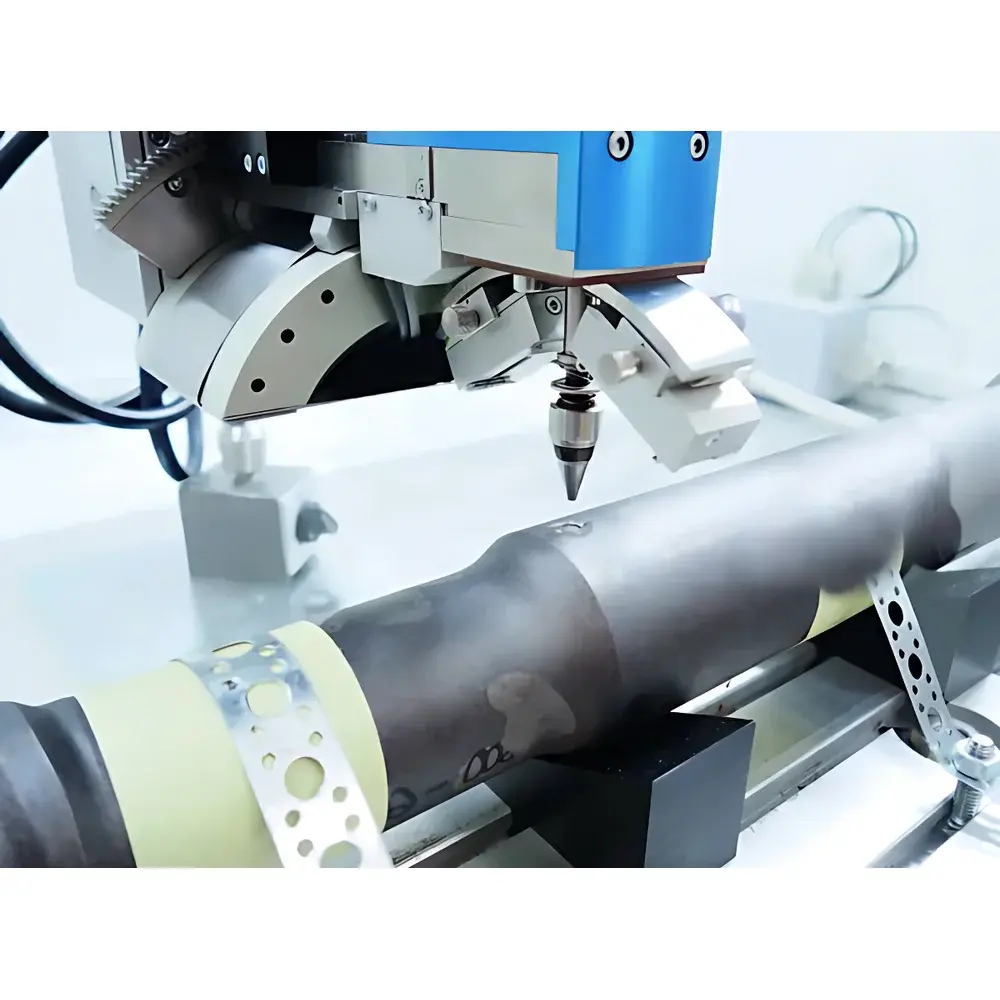
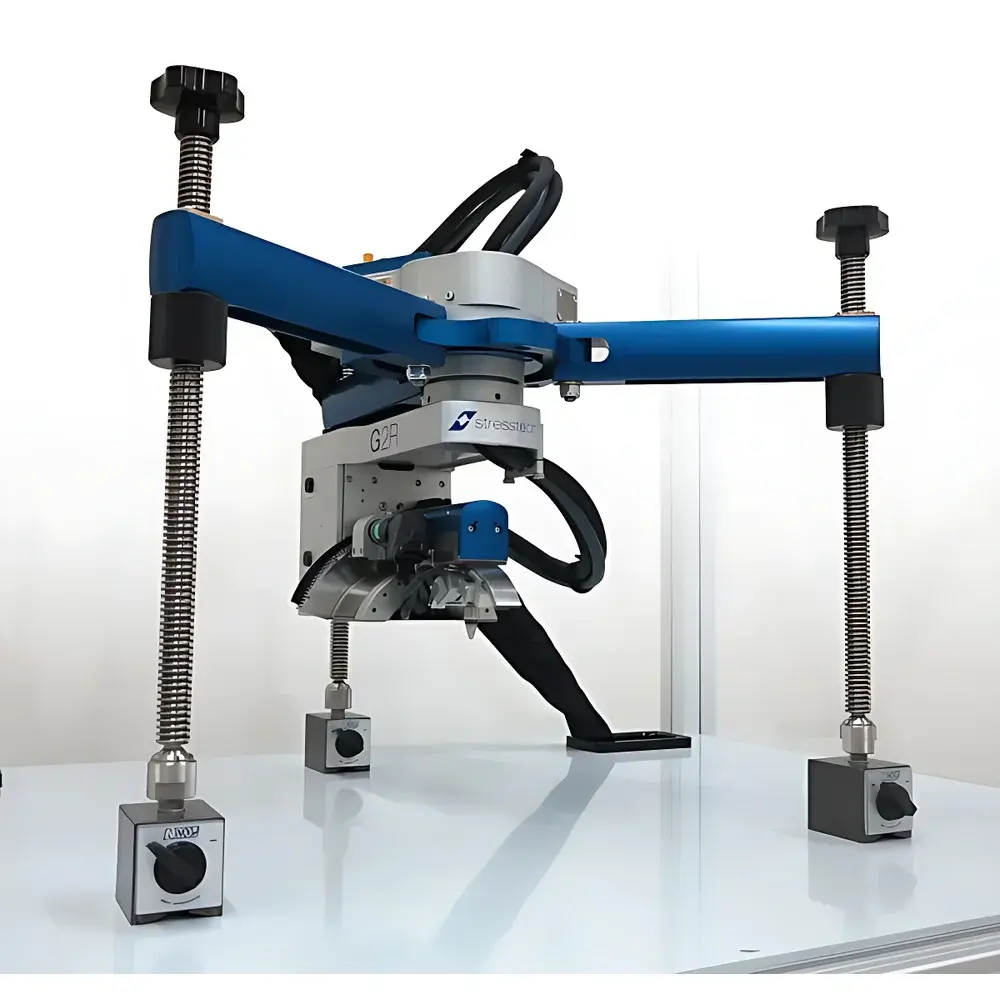
The XStress3000 supports flat, cylindrical, and contoured geometries—including gears, bearing races, turbine blades, welded pipe girths, and forged crankshafts—with dedicated fixtures (e.g., curvature-compensating saddles, bore adapters, and magnetic mounts). Surface finish requirements conform to ISO 2639: Ra ≤ 0.8 µm for ferrous alloys; non-ferrous materials require Ra ≤ 0.4 µm. All measurements adhere to ASTM E915-22 (Standard Test Method for Verifying the Alignment of X-ray Diffraction Residual Stress Measurement Systems), ISO 21943:2020 (Non-destructive testing — Residual stress measurement by X-ray diffraction), and EN 15305:2008 (Non-destructive testing — Test method for residual stress analysis by X-ray diffraction). System validation reports include certified reference samples (NIST SRM 1263a, 1264a) and annual inter-laboratory comparison data per ILAC-P9:2019.
Software & Data Management
XStress Suite v5.4 provides full workflow automation—from measurement planning and exposure optimization to stress tensor inversion and contour mapping. The software enforces 21 CFR Part 11 compliance via electronic signatures, role-based access control, immutable audit trails, and encrypted database logging. Raw diffraction patterns are stored in NeXus HDF5 format; processed results export to CSV, XML, or PDF with embedded metadata (operator ID, calibration certificate ID, environmental conditions). Integrated report templates meet ASME BPVC Section V, API RP 579, and aerospace OEM-specific formats (e.g., Airbus AITM 1-0011, Boeing D6-17487). Remote diagnostics and firmware updates occur over TLS-secured HTTPS channels.
Applications
- Heat treatment verification: Quantify stress relaxation post-tempering or distortion risk pre-machining in gear blanks and camshafts.
- Weld integrity assessment: Map stress gradients across HAZ (heat-affected zone) in pipeline girth welds and nuclear reactor vessel nozzles.
- Surface enhancement process control: Validate compressive stress depth and magnitude after shot peening, laser shock peening, or roller burnishing of turbine disks.
- Manufacturing process qualification: Support PPAP submissions for automotive powertrain components (e.g., differential carriers, CV joint housings) per IATF 16949 Clause 8.5.1.2.
- Failure analysis root cause investigation: Correlate localized tensile stress concentrations with fatigue crack initiation sites in aircraft landing gear struts or wind turbine shafts.
- Research & development: Enable in-situ stress evolution studies during thermal cycling or mechanical loading using optional environmental stage integration.
FAQ
What standards does the XStress3000 comply with for residual stress measurement?
ASTM E915, ISO 21943, EN 15305, and ASME BPVC Section V Article 11—all verified through third-party accredited calibration and annual proficiency testing.
Can the system measure residual stress on curved or small-diameter components?
Yes—curvature compensation algorithms and modular fixtures (e.g., radius-specific saddles, bore probes) maintain angular accuracy on radii as low as 8 mm.
Is operator certification required to generate auditable reports?
Per ISO/IEC 17025, operators must complete Stresstech-certified training (Level 2 NDT in XRD residual stress analysis) and pass annual practical assessment.
How is measurement repeatability ensured across different operators and sites?
Through standardized calibration routines using NIST-traceable reference samples, automated drift correction, and inter-operator performance monitoring via cloud-synced QA dashboards.
Does the system support automated scanning for stress mapping?
Yes—optional motorized XY stage (XStress Scan Module) enables programmable grid-based acquisition with sub-millimeter positional repeatability and GIS-aligned coordinate referencing.




